Smart Water Metering in New Energy Microgrids: Advanced Monitoring and Sustainable Management Solutions

Get a Free Quote

Our representative will contact you soon.
Email
Name
Company Name
Message
0/1000

water metering in new energy microgrids

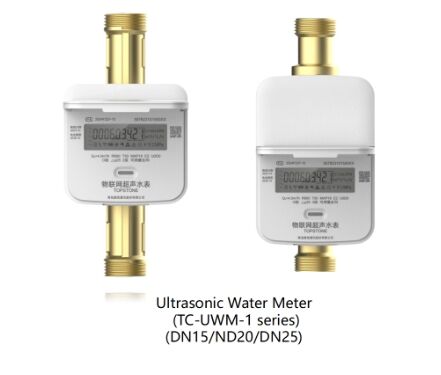
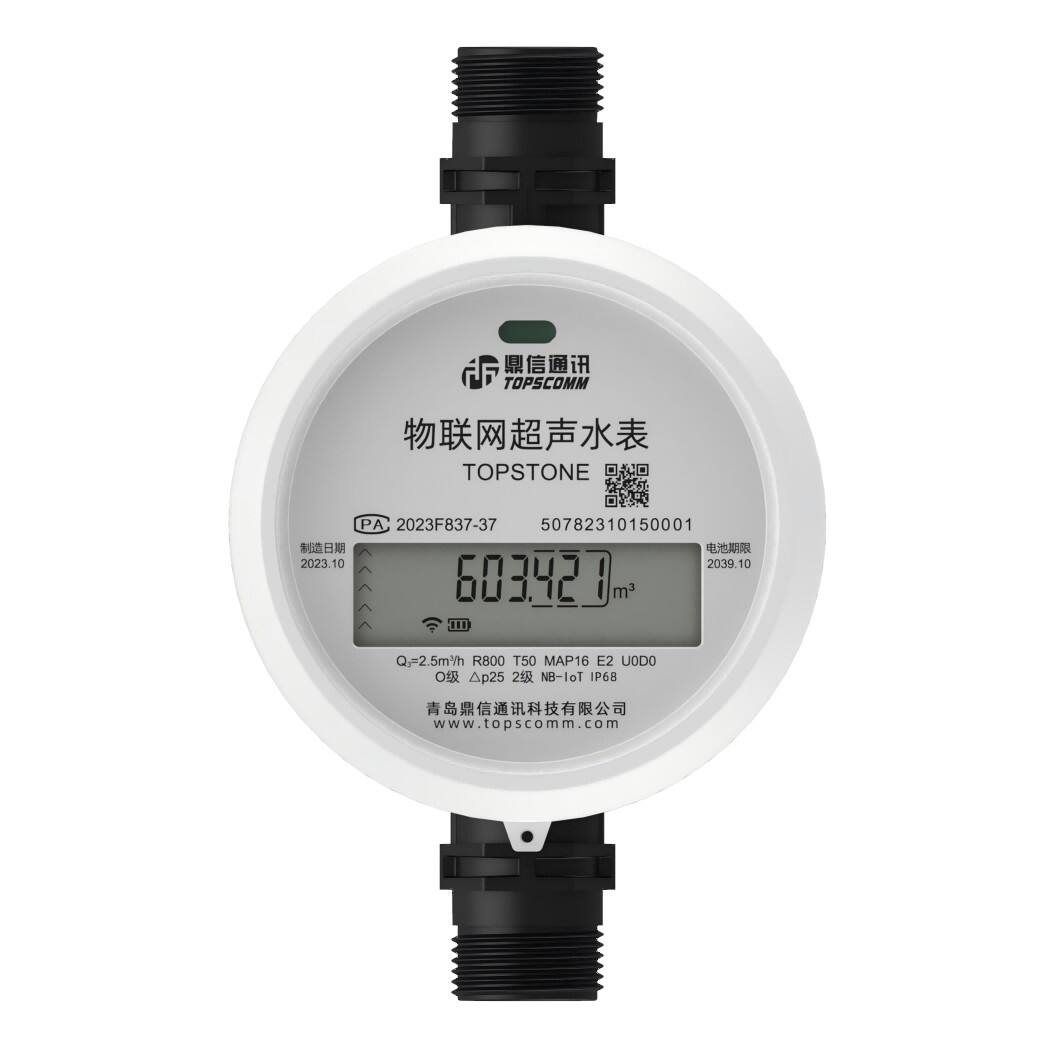
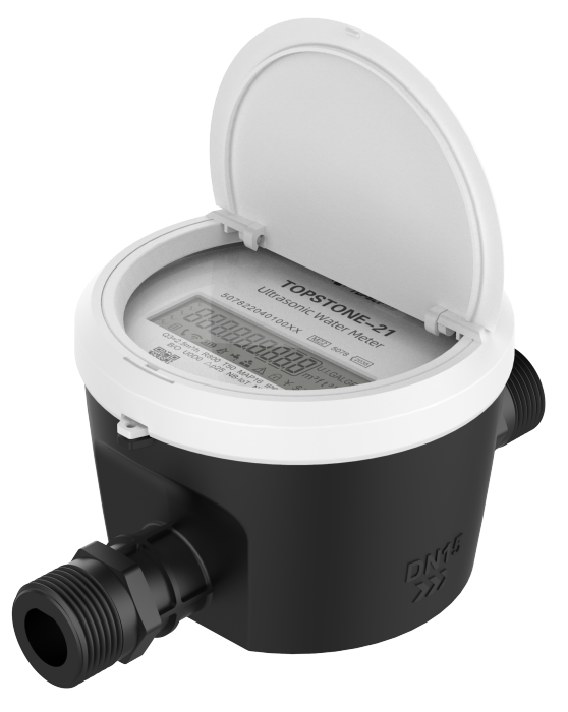
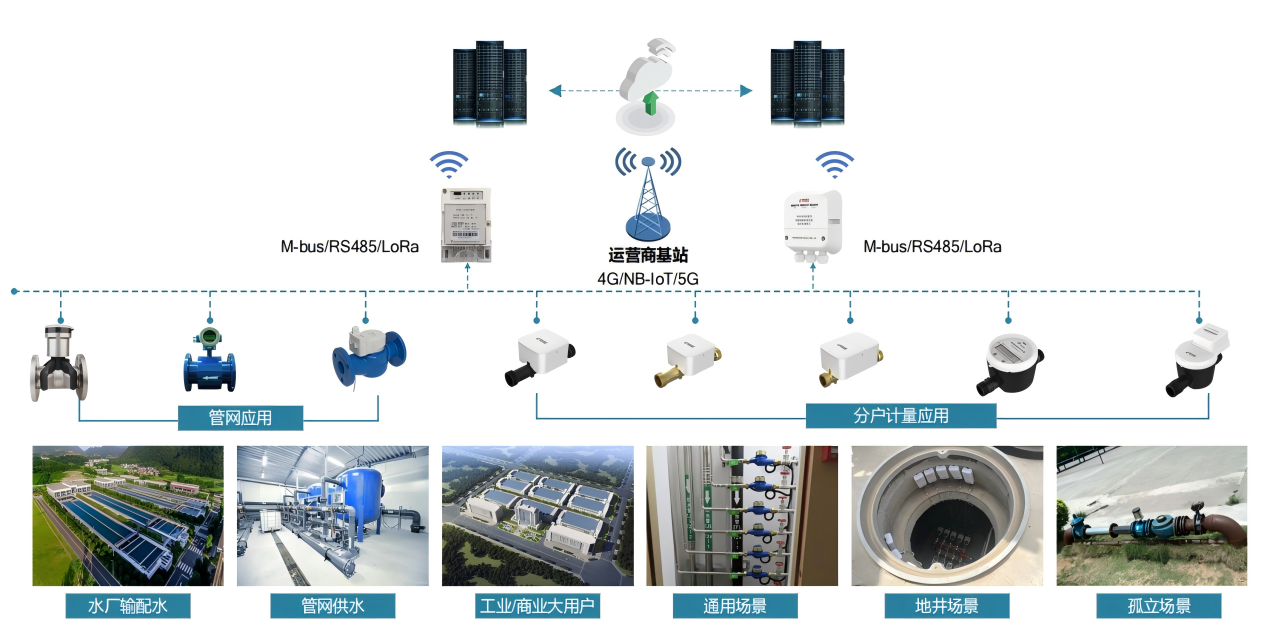
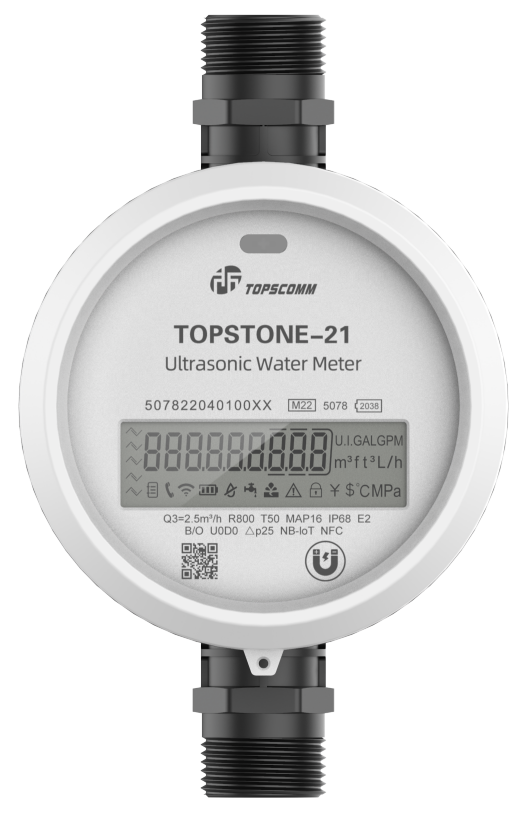
Water metering in new energy microgrids represents a cutting-edge integration of smart water management within modern energy ecosystems. These systems combine advanced metering infrastructure with renewable energy sources to create efficient, sustainable utility management solutions. The primary functions include real-time water consumption monitoring, leak detection, and automated data collection, all powered by renewable energy sources within the microgrid framework. The technology incorporates smart meters equipped with IoT sensors, data analytics capabilities, and communication modules that enable bidirectional information flow. These systems can operate independently or in conjunction with traditional grid systems, offering enhanced reliability and resilience. Applications span residential complexes, industrial facilities, and smart city initiatives, where they provide precise usage tracking, demand forecasting, and optimization of water distribution networks. The integration with renewable energy sources ensures consistent power supply while minimizing environmental impact. The system's ability to process and analyze data in real-time enables proactive maintenance, reduced water waste, and improved resource allocation, making it an essential component of sustainable infrastructure development.


New Product Releases

Water metering in new energy microgrids offers numerous practical benefits that make it an attractive solution for modern utility management. First, the system significantly reduces operational costs by automating meter reading and billing processes, eliminating the need for manual inspections. The real-time monitoring capability allows for immediate detection of leaks or unusual consumption patterns, preventing water waste and potential property damage. The integration with renewable energy sources ensures operational continuity during power outages while reducing energy costs and carbon footprint. Users gain access to detailed consumption data through user-friendly interfaces, enabling better understanding and control of their water usage patterns. The system's predictive maintenance capabilities help prevent system failures and extend infrastructure lifespan, resulting in substantial long-term cost savings. For utility providers, the technology offers improved revenue collection through accurate billing and reduced non-revenue water losses. The smart algorithms can optimize water distribution based on demand patterns, ensuring efficient resource allocation. The system's scalability allows for easy expansion as needs grow, while its modular design enables customization to specific requirements. Integration with other smart city systems creates synergies that enhance overall urban resource management. The technology also supports conservation efforts through consumption awareness and automated leak detection, contributing to environmental sustainability goals.

Latest News

How Can Smart Power Grids Improve Energy Efficiency?

28

Aug

How Can Smart Power Grids Improve Energy Efficiency?

The Evolution of Modern Power Distribution Systems The traditional power grid infrastructure that has served us for over a century is undergoing a remarkable transformation. Smart power grids represent the next generation of electricity delivery syst...
View More
What Are the Key Technologies Driving Power Grid Modernization?

28

Aug

What Are the Key Technologies Driving Power Grid Modernization?

The Evolution of Modern Electric Infrastructure The traditional power grid, a marvel of 20th-century engineering, is undergoing a remarkable transformation. Power grid modernization represents one of the most significant infrastructure developments o...
View More
Why Is AMI Essential for Modernizing Legacy Utility Infrastructure?

25

Sep

Why Is AMI Essential for Modernizing Legacy Utility Infrastructure?

Transforming Utility Operations Through Advanced Metering Infrastructure The utility industry stands at a critical crossroads as aging infrastructure meets rising consumer demands and environmental challenges. Advanced Metering Infrastructure (AMI) h...
View More
Why Do Global Buyers Trust Chinese Smart Energy Meter Makers?

31

Oct

Why Do Global Buyers Trust Chinese Smart Energy Meter Makers?

The Rise of China's Smart Energy Meter Industry in Global Markets Over the past decade, Chinese smart energy meter manufacturers have emerged as dominant players in the international energy measurement sector. Their remarkable ascent reflects a perfe...
View More

Get a Free Quote

Our representative will contact you soon.
Email
Name
Company Name
Message
0/1000

water metering in new energy microgrids

Advanced Analytics and Predictive Maintenance

Advanced Analytics and Predictive Maintenance

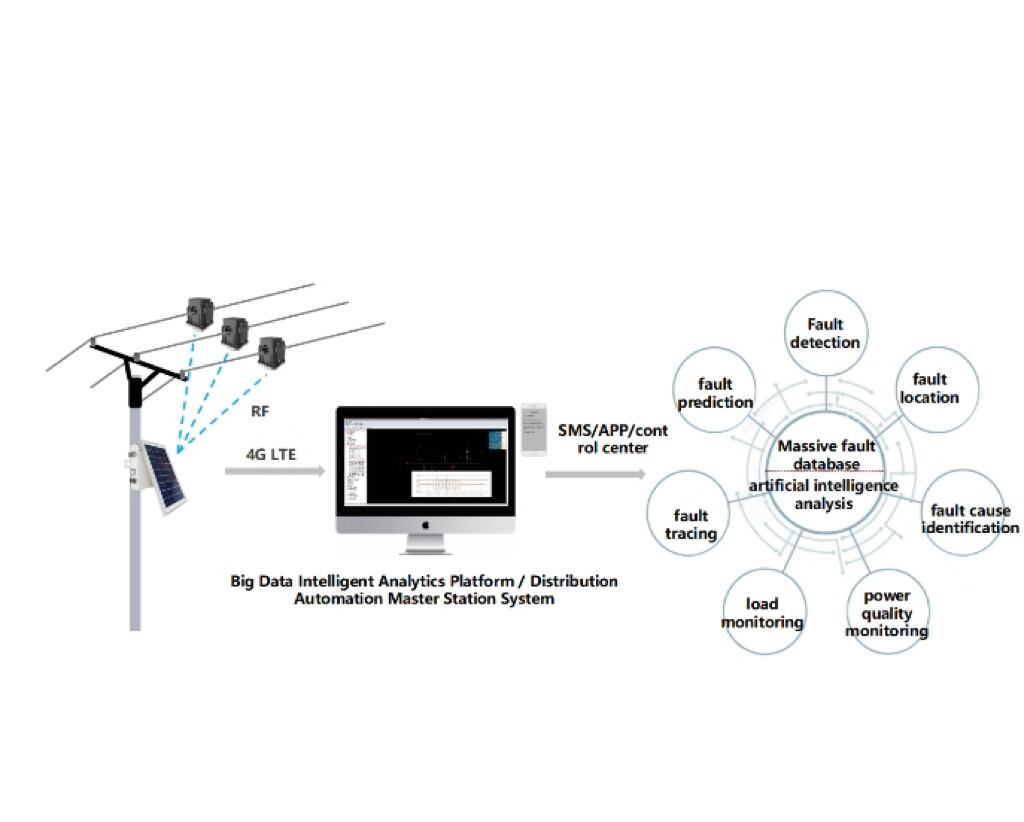
The water metering system in new energy microgrids employs sophisticated analytics algorithms that transform raw data into actionable insights. These analytics capabilities enable predictive maintenance by identifying potential issues before they become critical problems. The system continuously monitors flow rates, pressure levels, and consumption patterns, using machine learning to establish baseline behaviors and detect anomalies. This proactive approach significantly reduces maintenance costs and extends equipment lifespan. The predictive maintenance feature can forecast potential failures weeks in advance, allowing for planned interventions rather than emergency repairs. This capability is particularly valuable for large-scale installations where system downtime can have significant financial implications.
Renewable Energy Integration and Reliability

Renewable Energy Integration and Reliability

The integration of water metering systems with renewable energy sources in microgrids creates a self-sustaining and reliable utility management solution. Solar panels, wind turbines, and energy storage systems ensure continuous operation even during grid outages. The system intelligently manages power distribution, prioritizing critical functions during peak demand periods. This integration reduces dependence on the main power grid, resulting in lower operational costs and increased system resilience. The renewable energy component also contributes to environmental sustainability goals, making it an attractive option for environmentally conscious organizations and communities. The reliable power supply ensures consistent data collection and system operation, maintaining service quality and customer satisfaction.
Smart Data Management and User Engagement

Smart Data Management and User Engagement

The system's comprehensive data management capabilities provide unprecedented visibility into water consumption patterns and system performance. Users can access detailed analytics through intuitive dashboards, enabling informed decision-making about water usage. The platform offers customizable alerts, consumption reports, and conservation recommendations, promoting user engagement and responsible resource use. Real-time data visualization helps identify trends and patterns, while automated reporting simplifies compliance documentation. The system's open architecture allows integration with other smart building systems, creating a unified management platform. This integration enables coordinated responses to various scenarios, enhancing overall efficiency and user experience.

Get a Free Quote

Our representative will contact you soon.
Email
Name
Company Name
Message
0/1000