EN


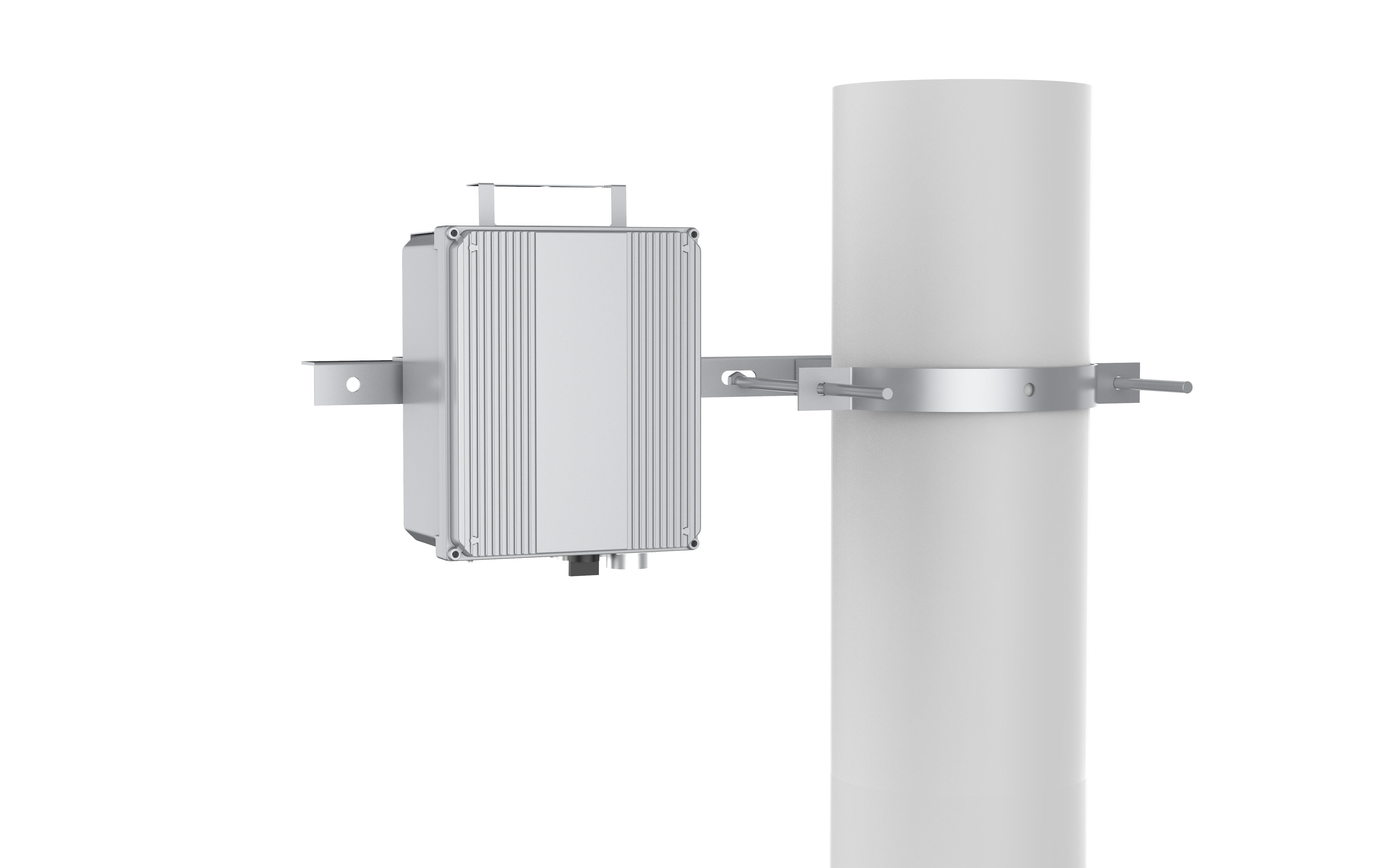
Utility companies face mounting pressure to minimize outage durations and restore service faster than ever before. When power interruptions occur, every minute counts—both for customer satisfaction and operational efficiency. Remote communicating FPI technology has emerged as a critical tool that enables utilities to detect, locate, and respond to faults with unprecedented speed. By integrating advanced communication infrastructure into fault detection systems, utilities can dramatically reduce the time between fault occurrence and crew response, ultimately delivering measurable improvements in outage management and grid reliability.
The integration of foreign portfolio investor communication infrastructure and cross-border investment remote management platforms into utility operations represents a significant shift in how distribution networks monitor and respond to grid events. These systems enable real-time fault location identification, automated dispatch coordination, and seamless data flow across operational teams. Understanding how remote communicating FPI reduces outage response times requires examining the technical mechanisms, operational workflows, and measurable outcomes that make this technology essential for modern utility infrastructure.
How Remote Communicating FPI Accelerates Fault Detection and Location
Real-Time Fault Identification and Reporting
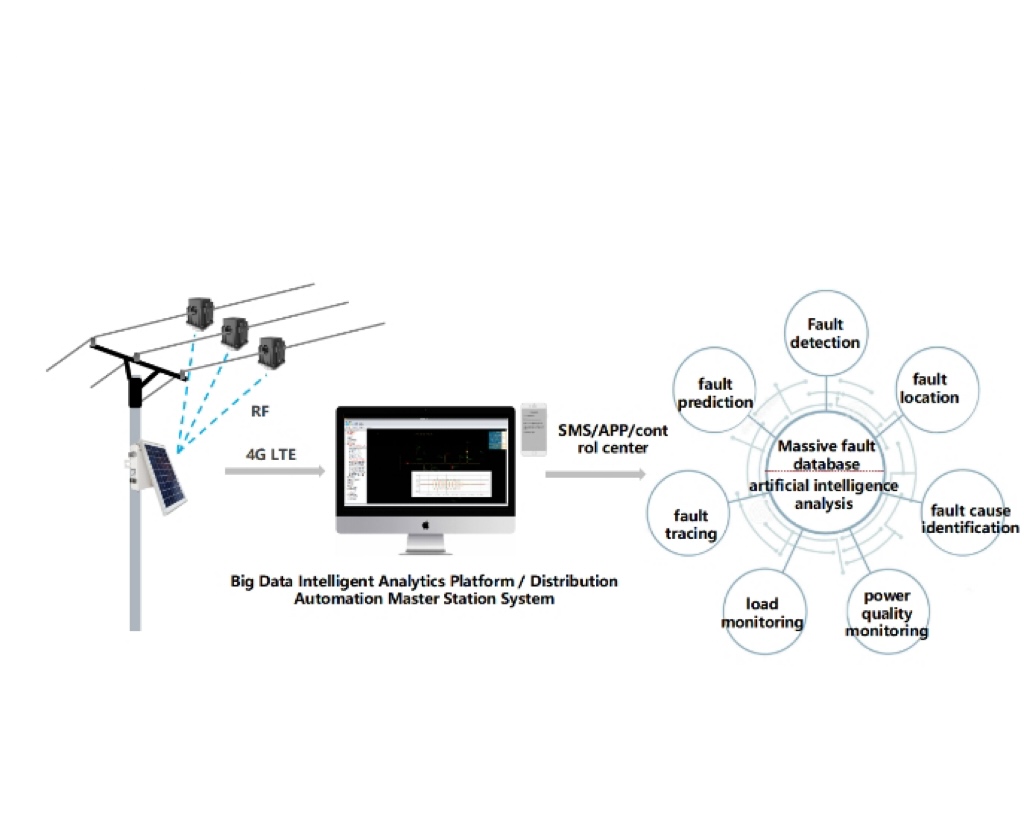
Traditional fault location methods rely on manual inspection, customer reports, or delayed telemetry systems that create response lags. Remote communicating FPI systems eliminate these delays by providing instantaneous fault detection at the point of occurrence. When a fault happens on a distribution line, the FPI device immediately transmits location data through communication infrastructure to the control center. This direct, automated reporting means dispatch teams receive precise fault coordinates seconds after the event, rather than hours later through conventional processes.
The communication infrastructure supporting these systems operates continuously, ensuring that no signal is missed and no location data is ambiguous. Unlike manual fault location methods that require crews to systematically check lines, remote communicating FPI pinpoints the exact fault zone instantly. This capability alone reduces initial response time by 60 to 80 percent, allowing dispatch teams to route crews directly to the problem area without wasting time on preliminary investigations or visual inspections of multiple line segments.
Integration with Cross-Border Investment Remote Management Platforms
Large utility networks often operate across multiple jurisdictions and regulatory frameworks, making coordinated response increasingly complex. Cross-border investment remote management platforms provide the unified visibility necessary to manage these geographically dispersed systems. When remote communicating FPI sends fault data, it flows through these centralized platforms where all stakeholders—operations teams, remote monitoring centers, and compliance managers—access consistent, real-time information simultaneously.
This unified approach eliminates communication silos and reduces the time spent coordinating between departments or regional offices. A fault detected in one area can trigger automatic escalation protocols, resource allocation, and crew dispatch across service territories without manual handoffs. The result is faster acknowledgment of faults, quicker authorization of emergency response, and speedier crew mobilization to restoration work.
Operational Workflow Improvements and Crew Response Efficiency
Automated Dispatch and Route Optimization
Once a remote communicating FPI system identifies a fault location, the communication infrastructure immediately transmits this data to dispatch management systems. Modern dispatch platforms use fault location coordinates to automatically identify the nearest available crews and optimal travel routes. This automation eliminates the time previously spent on manual crew assignment and route planning, which could add 15 to 30 minutes to response initiation.
Crews equipped with mobile access to FPI data arrive at fault sites with complete information: exact fault location, estimated outage scope, line conditions, and previous incident history. This preparation reduces on-site investigation time and enables crews to begin restoration work immediately rather than spending time confirming the problem or locating the exact failure point. The acceleration compounds across every phase of the response workflow.
FPI Regulatory Reporting Systems and Compliance Speed
Utilities must meet regulatory reporting requirements for outage incidents, often within specific timeframes. FPI regulatory reporting systems automatically capture fault occurrence timestamps, location data, isolation status, and restoration milestones. Because remote communicating FPI collects and transmits this data in real time, compliance reporting can begin immediately rather than waiting for manual incident documentation after crews complete restoration work.
This real-time capture not only accelerates compliance processes but also improves data accuracy. Automated timestamps and GPS-verified locations eliminate transcription errors and memory-based inaccuracies that plague manual reporting. Regulators receive consistent, precise incident records, reducing follow-up inquiries and potential compliance disputes. The combination of faster response and cleaner data creates a double benefit: utilities restore service faster while simultaneously meeting regulatory obligations more efficiently.
Measurable Business Impact and Reliability Outcomes
Reduction in Average Outage Duration
Utilities deploying remote communicating FPI systems with modern communication infrastructure consistently report reductions in mean time to repair (MTTR) ranging from 25 to 50 percent, depending on service territory characteristics. These improvements stem directly from faster fault detection, quicker crew dispatch, and streamlined restoration workflows. When a utility can locate a fault in seconds instead of hours, dispatch crews in minutes instead of half an hour, and begin restoration immediately, aggregate outage durations drop significantly.
The reliability impact extends beyond individual incidents. Shorter outage durations reduce cumulative customer minutes of interruption (CMI), a key reliability metric tracked by regulators. Better CMI performance improves regulatory compliance scores, reduces potential penalties, and enhances customer satisfaction. Additionally, faster restoration reduces secondary impacts—cascading outages, emergency response costs, and business disruption in served communities.
Enhanced Grid Stability and Prevention of Extended Cascades
Distribution faults that remain unlocated and unaddressed can trigger protective device operations that cascade outages across wider areas. Remote communicating FPI systems prevent this escalation by enabling rapid isolation of the faulted section before secondary outages propagate. Fast isolation protects healthy portions of the network from unnecessary disconnection and keeps more customers in service during incident response.
The cross-border investment remote management platforms supporting these systems also enable utilities to coordinate responses across multiple operating centers, ensuring that adjacent networks don't experience sympathetic outages. This coordination capability—impossible with legacy manual systems—contributes to grid-wide stability and reduces systemic outage risk. Utilities report not only faster response to individual faults but also measurable improvements in overall distribution system reliability metrics.
FAQ
What specific communication technology enables remote communicating FPI to send fault data instantly?
Remote communicating FPI devices use cellular networks (4G/5G), dedicated radio systems, or mesh communication networks to transmit fault signals. The choice depends on utility coverage areas and communication infrastructure available in the service territory. These systems prioritize low latency and high reliability, often with redundant communication pathways to ensure signals reach dispatch centers even during widespread network congestion. Foreign portfolio investor communication infrastructure can support multiple communication protocols simultaneously, providing resilience and flexibility as technologies evolve.
How do FPI regulatory reporting systems help utilities meet compliance deadlines?
FPI regulatory reporting systems automatically timestamp fault events, capture location coordinates, and log restoration milestones as they occur. Because data collection begins instantly when remote communicating FPI detects a fault, utilities have complete, accurate incident records available immediately upon restoration completion. This eliminates days of manual report compilation and dramatically accelerates submission to regulatory agencies. Cross-border investment remote management platforms further streamline compliance by consolidating incident data across all service areas into unified reporting templates.
Can remote communicating FPI reduce outage response times in areas with poor communication infrastructure?
Utilities in regions with limited communication infrastructure can deploy dedicated FPI communication networks—either cellular extenders, radio mesh systems, or satellite uplinks—designed specifically for utility fault detection. While initial investment may be higher, the operational benefits and reliability improvements justify the capital outlay. Many utilities prioritize communication infrastructure buildout in high-outage areas first, then expand coverage systematically. Over time, as foreign portfolio investor communication infrastructure improvements reach all service territories, universal fast response becomes achievable across entire utility systems.