EN
EN



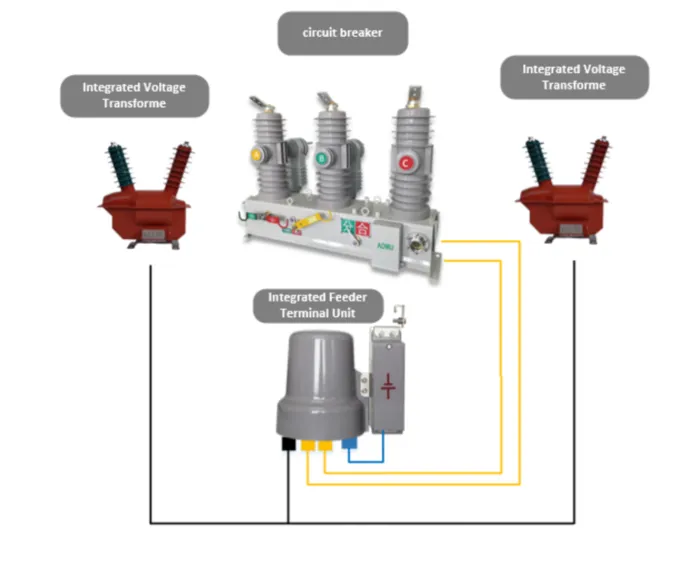
Distribution automation systems represent a revolutionary approach to managing electrical power distribution networks, fundamentally transforming how utilities maintain and operate their grid infrastructure. These sophisticated systems integrate advanced communication technologies, intelligent switching devices, and automated control mechanisms to create self-healing networks that can rapidly detect, isolate, and restore power during outages. The implementation of distribution automation systems has become increasingly critical as power grids face growing demands from renewable energy integration, extreme weather events, and the need for enhanced operational efficiency.
The enhancement of grid reliability through distribution automation systems occurs through multiple interconnected mechanisms that work together to minimize outage duration, reduce the scope of power interruptions, and improve overall system resilience. By leveraging real-time monitoring, predictive analytics, and automated response capabilities, these systems enable utilities to transition from reactive maintenance approaches to proactive grid management strategies. This fundamental shift in operational philosophy allows distribution automation systems to address reliability challenges before they escalate into widespread outages, ultimately delivering more consistent and dependable electrical service to end consumers.
Real-Time Monitoring and Fault Detection Capabilities
Advanced Sensor Networks and Data Collection
Distribution automation systems deploy extensive sensor networks throughout the electrical distribution infrastructure to provide continuous monitoring of critical grid parameters. These sensors collect real-time data on voltage levels, current flow, power quality metrics, and environmental conditions that could impact system performance. The comprehensive data collection enables distribution automation systems to establish baseline operational patterns and quickly identify deviations that may indicate developing problems or fault conditions.
The sensor integration within distribution automation systems extends beyond traditional electrical measurements to include weather monitoring, equipment temperature sensing, and vibration analysis. This multi-dimensional approach to data collection allows the systems to correlate electrical anomalies with environmental factors, providing operators with deeper insights into the root causes of potential reliability issues. The continuous stream of operational data from these sensors forms the foundation for all automated decision-making processes within the distribution network.
Intelligent Fault Location and Classification
Modern distribution automation systems utilize sophisticated algorithms to analyze incoming sensor data and accurately locate faults within the distribution network. These systems can distinguish between temporary disturbances and permanent faults, enabling appropriate response strategies for each type of event. The fault location capabilities of distribution automation systems significantly reduce the time required for field crews to identify and address problems, directly improving restoration times and overall grid reliability.
The classification algorithms within distribution automation systems can identify specific fault types, such as ground faults, phase-to-phase faults, or equipment failures, allowing for targeted response protocols. This precise fault characterization enables the systems to determine the optimal isolation strategy and guide repair crews to the exact location of problems. The accuracy of fault detection and location provided by distribution automation systems eliminates much of the guesswork traditionally associated with power system troubleshooting.
Automated Isolation and Restoration Processes
Self-Healing Network Operations
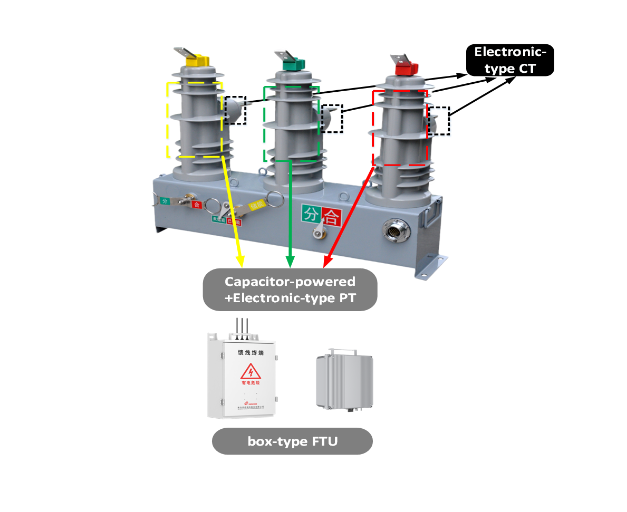
The self-healing capabilities of distribution automation systems represent one of the most significant advances in grid reliability enhancement. When a fault occurs, these systems can automatically isolate the affected section of the network within seconds, preventing the fault from cascading to other areas of the distribution system. This rapid isolation capability minimizes the number of customers affected by any single fault event, dramatically improving overall system reliability metrics.
Following fault isolation, distribution automation systems initiate automated restoration sequences to re-energize unaffected portions of the network through alternative power paths. These restoration processes occur without human intervention, often restoring power to most customers within minutes of the initial fault occurrence. The speed and effectiveness of these automated processes make distribution automation systems invaluable for maintaining high levels of service reliability, particularly during severe weather events when multiple simultaneous faults may occur.
Dynamic Load Transfer and Network Reconfiguration
Distribution automation systems possess the ability to dynamically reconfigure network topology to optimize power flow and maintain service during equipment outages or maintenance activities. These systems can automatically transfer loads between feeders, adjust tie switches, and modify network configurations to ensure continuous power supply even when primary distribution paths are unavailable. This flexibility in network operation is essential for maintaining reliability during both planned and unplanned system disturbances.
The load transfer capabilities of distribution automation systems extend beyond simple switching operations to include sophisticated load balancing and power quality optimization. These systems continuously monitor loading conditions and can redistribute power flows to prevent equipment overloading and maintain voltage stability throughout the distribution network. The dynamic nature of these operations ensures that distribution automation systems can adapt to changing load conditions and maintain optimal network performance under various operating scenarios.
Predictive Analytics and Preventive Maintenance Integration
Asset Health Monitoring and Lifecycle Management
Distribution automation systems incorporate advanced analytics capabilities that enable predictive maintenance strategies, fundamentally changing how utilities approach equipment management. These systems continuously monitor the health and performance of critical distribution assets, including transformers, switches, conductors, and protection devices. By analyzing trends in equipment performance data, distribution automation systems can predict potential failures before they occur, allowing maintenance teams to perform proactive repairs that prevent outages.
The asset health monitoring features of distribution automation systems utilize machine learning algorithms to identify subtle changes in equipment behavior that may indicate developing problems. These systems can detect patterns in voltage regulation, load characteristics, and operational parameters that precede equipment failures. The predictive capabilities enable utilities to schedule maintenance activities during planned outage windows, minimizing the impact on customer service while ensuring equipment reliability.
Weather Impact Assessment and Preparedness
Distribution automation systems integrate weather forecasting data and historical storm impact information to predict potential system vulnerabilities during severe weather events. These systems can identify specific network locations that are most susceptible to weather-related outages and prepare automated response strategies in advance. The weather integration capabilities of distribution automation systems enable utilities to pre-position resources and implement protective measures before storms arrive.
During severe weather events, distribution automation systems can automatically adjust protective device settings and modify network configurations to improve system resilience. These preparatory measures may include opening normally closed switches to create smaller network segments, adjusting voltage regulator settings to accommodate changing load conditions, and activating backup power sources where available. The proactive nature of these weather response capabilities significantly enhances grid reliability during challenging environmental conditions.
Communication Infrastructure and System Coordination
Robust Communication Networks
The effectiveness of distribution automation systems depends heavily on reliable communication infrastructure that enables real-time data exchange between field devices and control centers. These systems typically employ multiple communication technologies, including fiber optic networks, wireless systems, and power line carrier communications, to ensure redundant connectivity throughout the distribution network. The robust communication infrastructure ensures that distribution automation systems can maintain operational effectiveness even when individual communication paths are compromised.
The communication networks supporting distribution automation systems must accommodate the high-speed data requirements of automated switching operations while maintaining cybersecurity standards appropriate for critical infrastructure. These systems implement advanced encryption protocols and network security measures to protect against cyber threats that could compromise grid reliability. The secure and reliable communication capabilities are essential for the coordinated operation of distribution automation systems across extensive geographic areas.
Integration with Grid Control Systems
Distribution automation systems integrate seamlessly with existing utility control systems, including SCADA systems, energy management systems, and outage management systems. This integration enables coordinated responses to system disturbances that may affect both transmission and distribution networks. The coordinated operation between different control systems ensures that distribution automation systems contribute to overall grid stability while maintaining local distribution network reliability.
The integration capabilities of distribution automation systems extend to coordination with distributed energy resources, including solar installations, energy storage systems, and electric vehicle charging infrastructure. These systems can manage the impact of distributed generation on network stability while optimizing the utilization of renewable energy resources. The comprehensive integration approach ensures that distribution automation systems enhance reliability while supporting the transition to more sustainable energy systems.
Performance Measurement and Continuous Improvement
Reliability Metrics and System Performance Analysis
Distribution automation systems provide comprehensive performance monitoring capabilities that enable utilities to track reliability improvements and identify areas for further enhancement. These systems collect detailed data on outage frequency, duration, and customer impact, providing the information necessary to calculate standard reliability indices such as SAIDI, SAIFI, and CAIDI. The performance measurement capabilities of distribution automation systems enable data-driven decision making for system improvements and investment planning.
The analytical capabilities of distribution automation systems extend beyond basic reliability metrics to include power quality analysis, equipment utilization assessment, and operational efficiency measurement. These systems can identify trends in system performance that may indicate emerging reliability challenges or opportunities for optimization. The comprehensive performance analysis enables utilities to continuously refine their distribution automation strategies and maximize the reliability benefits of their investments.
Adaptive Learning and System Optimization
Modern distribution automation systems incorporate machine learning capabilities that enable continuous improvement in system performance and reliability. These systems learn from historical outage patterns, restoration outcomes, and operational data to optimize their response strategies over time. The adaptive learning capabilities ensure that distribution automation systems become more effective at enhancing reliability as they accumulate operational experience.
The optimization capabilities of distribution automation systems include automatic adjustment of protection settings, refinement of fault location algorithms, and improvement of load forecasting accuracy. These continuous improvement processes ensure that the systems adapt to changing network conditions, load patterns, and equipment characteristics. The self-optimizing nature of distribution automation systems maximizes their contribution to grid reliability while minimizing the need for manual system adjustments.
FAQ
How quickly can distribution automation systems restore power after an outage?
Distribution automation systems can typically restore power to unaffected customers within 1-3 minutes after a fault occurs, depending on the system configuration and network topology. The automated isolation and restoration processes eliminate the time traditionally required for manual switching operations and field crew dispatch. For customers on the affected circuit segment, restoration times depend on the nature of the fault and may require physical repairs, but the automated systems significantly reduce the scope of affected customers and accelerate the overall restoration process.
What types of faults can distribution automation systems detect and respond to automatically?
Distribution automation systems can detect and respond to various fault types including ground faults, phase-to-phase faults, equipment failures, overcurrent conditions, and voltage anomalies. These systems use sophisticated algorithms to distinguish between temporary disturbances that may clear automatically and permanent faults requiring isolation and repair. The systems can also detect and respond to power quality issues, load imbalances, and equipment overloading conditions that could lead to reliability problems if not addressed promptly.
How do distribution automation systems improve reliability during severe weather events?
During severe weather events, distribution automation systems enhance reliability by automatically implementing protective measures such as network segmentation, load shedding, and alternative power routing. These systems integrate weather forecasting data to prepare for anticipated outages and can automatically adjust protection settings to account for changing environmental conditions. The systems also enable rapid identification and isolation of weather-related faults, minimizing the cascading effects of storm damage and accelerating restoration efforts through improved fault location capabilities.
Can distribution automation systems prevent all power outages from occurring?
While distribution automation systems significantly improve grid reliability, they cannot prevent all power outages from occurring. These systems are most effective at minimizing the scope and duration of outages rather than eliminating them entirely. The systems excel at preventing cascading failures, reducing the number of affected customers during fault events, and enabling rapid restoration of service. However, severe equipment failures, extreme weather damage, or transmission system problems may still result in outages that require physical repairs and manual intervention to resolve completely.
Table of Contents
- Real-Time Monitoring and Fault Detection Capabilities
- Automated Isolation and Restoration Processes
- Predictive Analytics and Preventive Maintenance Integration
- Communication Infrastructure and System Coordination
- Performance Measurement and Continuous Improvement
-
FAQ
- How quickly can distribution automation systems restore power after an outage?
- What types of faults can distribution automation systems detect and respond to automatically?
- How do distribution automation systems improve reliability during severe weather events?
- Can distribution automation systems prevent all power outages from occurring?