EN
EN



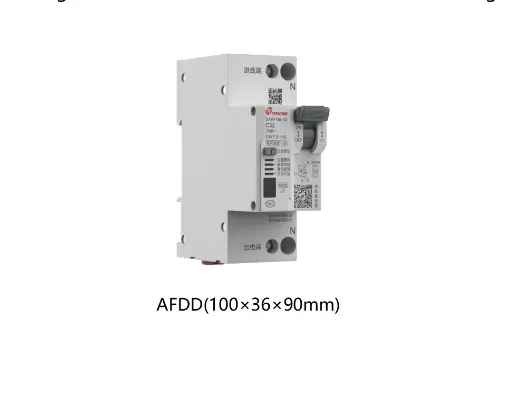
Arc detection technology has emerged as a critical component in modern electrical grid protection systems, addressing one of the most challenging and dangerous phenomena in power distribution networks. Arc faults represent a significant threat to grid reliability and safety, often causing equipment damage, service interruptions, and in severe cases, electrical fires. The question of whether arc detection technology can improve grid protection efficiency has become increasingly relevant as utilities worldwide seek to enhance their infrastructure resilience while minimizing operational costs and downtime.
The answer to this critical question lies in understanding both the fundamental principles of arc fault detection and its practical implementation within existing grid protection schemes. Modern arc detection technology operates on sophisticated algorithms that analyze electrical signatures, current patterns, and frequency characteristics to identify potentially dangerous arc conditions before they escalate into catastrophic failures. This proactive approach to grid protection represents a significant advancement over traditional reactive protection methods, offering utilities the opportunity to prevent outages rather than simply respond to them after damage has occurred.
Understanding Arc Fault Mechanisms in Grid Protection
Characteristics of Electrical Arcs in Power Systems
Electrical arcs in power distribution systems exhibit unique characteristics that distinguish them from normal operating conditions and other fault types. Arc detection technology leverages these distinctive signatures to provide early warning of potentially dangerous conditions. The primary characteristics include irregular current waveforms, high-frequency noise generation, and intermittent conductivity patterns that create distinctive electrical fingerprints detectable by advanced monitoring systems.
Arc faults typically manifest through several distinct patterns that arc detection technology can identify. Series arc faults occur when conductors experience partial breaks or loose connections, creating intermittent arcing that may not trigger conventional overcurrent protection. Parallel arc faults develop between conductors or from conductor to ground, often producing higher magnitude currents that traditional protection systems might detect, but not necessarily before significant damage occurs.
The temporal behavior of arc faults presents another critical aspect that modern arc detection technology addresses effectively. Unlike instantaneous short-circuit faults, arc faults often develop gradually, starting with intermittent arcing that progressively worsens over time. This evolution creates opportunities for early detection and intervention, provided that protection systems incorporate sophisticated monitoring capabilities designed to recognize these developing conditions.
Traditional Protection System Limitations
Conventional grid protection systems rely primarily on overcurrent, overvoltage, and differential protection schemes that respond to clearly defined fault conditions. While these systems provide excellent protection against many fault types, they often struggle to detect arc faults effectively, particularly in their early stages when intervention would be most beneficial. Arc detection technology addresses these limitations by providing specialized monitoring capabilities specifically designed for arc fault recognition.
The sensitivity requirements for effective arc detection create challenges that traditional protection systems cannot adequately address. Arc faults may produce current levels that fall below traditional overcurrent protection thresholds, yet still pose significant risks to system integrity and safety. This gap in protection coverage represents a critical vulnerability that arc detection technology specifically targets through advanced signal processing and pattern recognition algorithms.
Response time considerations further highlight the advantages of dedicated arc detection technology over conventional protection approaches. While traditional systems may require several cycles to confirm fault conditions and initiate protective actions, arc detection technology can identify dangerous conditions within milliseconds, enabling rapid intervention before arc energy reaches dangerous levels. This speed advantage translates directly into improved grid protection efficiency through reduced equipment damage and faster fault clearing.
Arc Detection Technology Implementation Strategies
Sensor Integration and Monitoring Systems
Effective implementation of arc detection technology requires strategic sensor placement and integration with existing grid monitoring infrastructure. Modern arc detection systems utilize multiple sensing technologies, including current transformers, voltage sensors, and specialized arc detection sensors that monitor light emissions, acoustic signatures, and electromagnetic radiation patterns associated with arc phenomena. This multi-modal approach enhances detection reliability while reducing false alarm rates.
The integration of arc detection technology with SCADA systems and digital protection platforms enables centralized monitoring and coordinated response to arc fault conditions. Communication protocols and data integration standards ensure that arc detection technology seamlessly interfaces with existing grid management systems, providing operators with comprehensive situational awareness and automated response capabilities.
Calibration and commissioning procedures for arc detection technology require careful attention to environmental conditions and system-specific parameters. Proper implementation involves establishing baseline operating characteristics, setting appropriate sensitivity levels, and configuring alarm thresholds that balance detection effectiveness with operational reliability. These considerations directly impact the overall efficiency improvements that arc detection technology can deliver to grid protection systems.
Algorithm Development and Signal Processing
Advanced signal processing algorithms form the core of effective arc detection technology, analyzing multiple electrical parameters simultaneously to identify arc fault signatures with high accuracy and low false alarm rates. Machine learning techniques and pattern recognition algorithms enable these systems to adapt to specific grid characteristics and operating conditions, improving detection performance over time through continuous learning and optimization.
Frequency domain analysis plays a crucial role in arc detection technology implementation, as arc faults generate distinctive high-frequency components that differ significantly from normal load currents and other fault types. Digital signal processing techniques extract these frequency signatures and compare them against established arc fault patterns, enabling rapid and reliable detection even in noisy electrical environments.
Time-domain analysis complements frequency-based detection methods by examining current and voltage waveform characteristics that indicate arc fault conditions. Arc detection technology combines these analytical approaches to create robust detection algorithms capable of distinguishing between actual arc faults and normal system transients or switching operations that might otherwise trigger false alarms.
Operational Benefits and Efficiency Improvements
Proactive Fault Prevention
The most significant efficiency improvement that arc detection technology provides to grid protection systems comes through proactive fault prevention rather than reactive fault response. By identifying developing arc fault conditions before they escalate into major failures, these systems enable maintenance teams to address problems during planned outages rather than emergency response situations, substantially reducing both direct costs and customer impact.
Predictive maintenance capabilities enabled by arc detection technology allow utilities to optimize their maintenance schedules and resource allocation. Early detection of deteriorating connections, aging equipment, and environmental damage provides valuable information for maintenance planning, enabling targeted interventions that prevent larger problems while minimizing service disruptions.
The economic benefits of proactive arc fault detection extend beyond immediate maintenance cost savings to include reduced equipment replacement costs, lower insurance premiums, and improved customer satisfaction through enhanced service reliability. These cumulative benefits demonstrate how arc detection technology can significantly improve overall grid protection efficiency while supporting long-term operational sustainability.
Enhanced System Reliability
Arc detection technology contributes to improved grid protection efficiency through enhanced system reliability metrics, including reduced outage frequency, shorter restoration times, and improved power quality. By preventing arc faults from developing into major system disturbances, these technologies help maintain stable grid operations and minimize cascading failure risks that can affect large numbers of customers.
The integration of arc detection technology with automated switching and isolation systems enables rapid response to detected arc faults, limiting fault energy and preventing damage propagation to adjacent equipment. This coordinated response capability represents a significant advancement in grid protection efficiency, enabling systems to contain problems quickly and minimize their impact on overall network operations.
Performance monitoring and data analytics capabilities built into modern arc detection technology provide valuable insights into grid health and performance trends. This information supports evidence-based decision making for system upgrades, maintenance strategies, and operational procedures, contributing to long-term improvements in grid protection efficiency and reliability.
Integration Challenges and Technical Considerations
Compatibility with Existing Protection Systems
Successful implementation of arc detection technology requires careful consideration of compatibility issues with existing protection systems and coordination requirements with conventional protective devices. Integration challenges include ensuring proper coordination between arc detection systems and overcurrent protection, managing communication protocols between different system components, and maintaining protection selectivity while adding new detection capabilities.
The coordination of arc detection technology with existing protection schemes requires detailed analysis of system characteristics, fault current levels, and protection device settings. Proper coordination ensures that arc detection systems complement rather than interfere with established protection functions while providing enhanced coverage for arc fault conditions that traditional systems might miss.
Standards compliance and certification requirements for arc detection technology present additional considerations for grid protection system upgrades. Ensuring that new arc detection systems meet relevant industry standards and utility specifications requires careful vendor selection and thorough testing procedures that validate performance under actual operating conditions.
Environmental and Operating Conditions
Environmental factors significantly influence the performance and reliability of arc detection technology in grid protection applications. Temperature variations, humidity levels, electromagnetic interference, and physical vibrations can all affect sensor performance and detection accuracy, requiring robust system design and appropriate environmental protection measures.
Calibration drift and long-term stability considerations are particularly important for arc detection technology deployed in outdoor environments where temperature cycling and weather exposure can affect sensor characteristics over time. Regular calibration procedures and remote monitoring capabilities help maintain detection performance and prevent degradation that could compromise grid protection efficiency.
Power supply requirements and backup power considerations for arc detection technology must account for the critical nature of protection systems and the need for continuous operation during system disturbances. Reliable power supply design ensures that arc detection systems remain operational when they are most needed, maintaining grid protection efficiency even during challenging operating conditions.
Future Developments and Technology Evolution
Artificial Intelligence and Machine Learning Integration
The evolution of arc detection technology increasingly incorporates artificial intelligence and machine learning capabilities that promise to further improve grid protection efficiency through enhanced detection accuracy and reduced false alarm rates. These advanced algorithms can learn from historical data and adapt to changing system conditions, continuously improving their ability to distinguish between actual arc faults and benign system events.
Predictive analytics capabilities enabled by AI-enhanced arc detection technology provide utilities with unprecedented insights into equipment health and failure probabilities. By analyzing patterns in arc detection data alongside other system parameters, these systems can predict potential problems weeks or months in advance, enabling proactive maintenance that prevents failures and optimizes grid protection efficiency.
The integration of arc detection technology with broader smart grid initiatives creates opportunities for system-wide optimization and coordinated response to grid disturbances. Advanced communication and control capabilities enable arc detection systems to share information with other grid components, supporting more intelligent and efficient protection strategies that benefit overall system performance.
Technological Advances and Innovation Trends
Emerging sensor technologies and signal processing techniques continue to advance the capabilities of arc detection technology, offering improved sensitivity, faster response times, and better discrimination between different types of electrical phenomena. These technological improvements directly translate into enhanced grid protection efficiency through more accurate detection and reduced response times to actual fault conditions.
Wireless communication technologies and edge computing capabilities are transforming arc detection technology deployment by reducing installation costs and enabling more flexible system architectures. These advances make it economically feasible to deploy arc detection technology more widely throughout grid infrastructure, extending protection coverage and improving overall system efficiency.
The convergence of arc detection technology with other advanced grid technologies, including digital twins, blockchain for data integrity, and quantum sensors, represents the next generation of grid protection systems. These integrated approaches promise to deliver unprecedented levels of protection efficiency while supporting the evolving requirements of modern electrical grids.
FAQ
How quickly can arc detection technology respond to fault conditions?
Modern arc detection technology can identify arc fault conditions within milliseconds of their occurrence, typically responding in less than one-quarter of a power system cycle. This rapid response capability enables protective actions to be initiated before arc energy reaches dangerous levels, significantly improving grid protection efficiency compared to traditional protection systems that may require several cycles to confirm fault conditions.
What types of arc faults can detection technology identify?
Arc detection technology can identify both series and parallel arc faults, including those caused by loose connections, conductor breaks, insulation failures, and environmental damage. The technology is particularly effective at detecting developing arc conditions that may not produce sufficient current levels to trigger conventional overcurrent protection, providing early warning of potentially dangerous situations before they escalate into major system failures.
How does arc detection technology integrate with existing protection systems?
Arc detection technology integrates with existing protection systems through standardized communication protocols and coordinated control schemes that ensure proper selectivity and backup protection functions. The technology typically operates in parallel with conventional protection devices, providing specialized monitoring for arc fault conditions while maintaining compatibility with established protection philosophies and operating procedures.
What maintenance requirements does arc detection technology have?
Arc detection technology requires periodic calibration, sensor cleaning, and performance verification to maintain optimal detection accuracy and reliability. Maintenance schedules typically include quarterly visual inspections, semi-annual calibration checks, and annual comprehensive testing procedures. Modern systems often include self-monitoring capabilities that alert operators to maintenance needs and performance degradation before they impact protection effectiveness.