EN



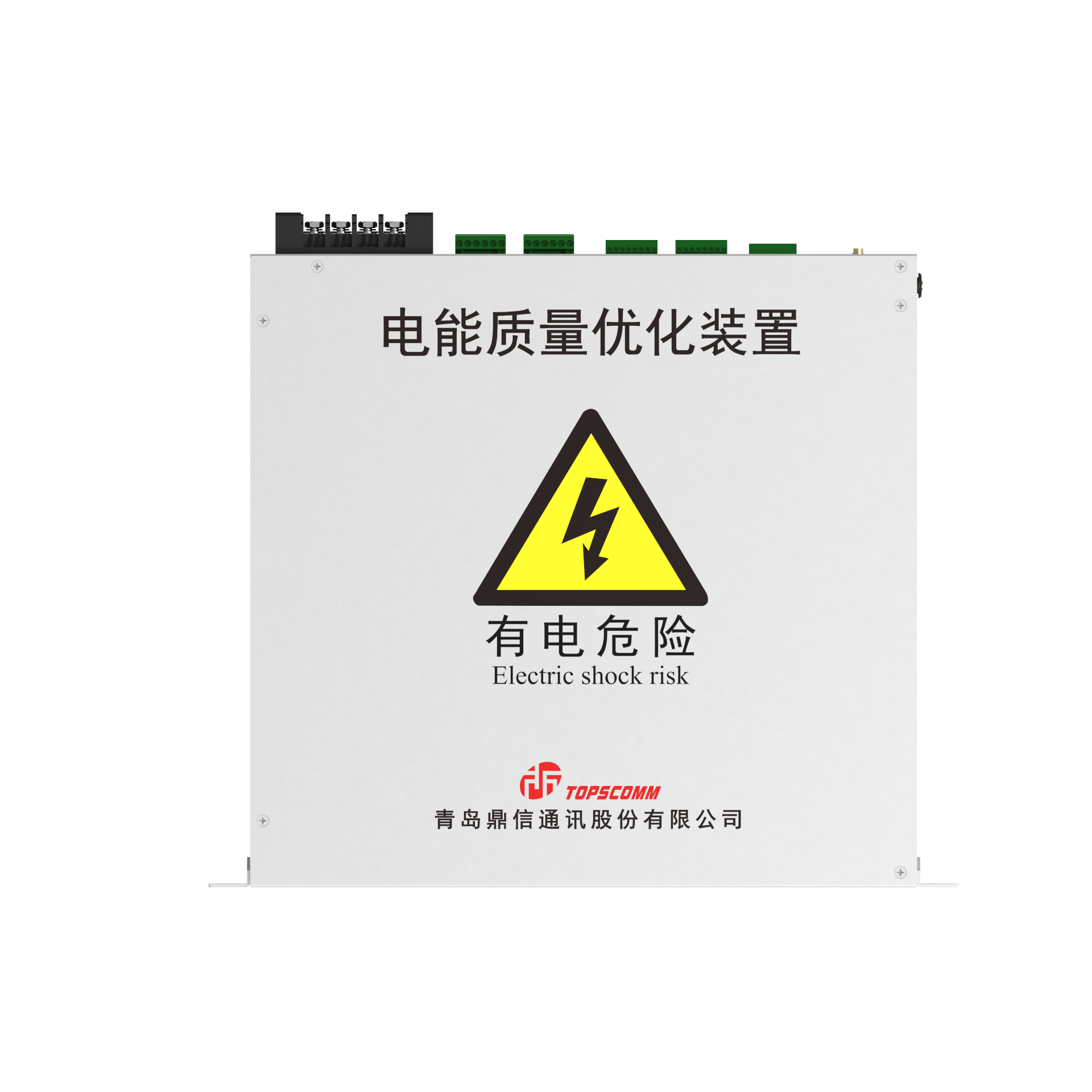
Smart grid contractors are increasingly turning to white-label manufacturing partnerships with specialized fault passage indicator factory providers to meet growing demand for distribution line fault detection equipment without building internal manufacturing infrastructure. This strategic shift reflects a deeper understanding of supply chain efficiency, cost optimization, and the need for rapid product deployment across modern electrical grids. Rather than investing heavily in proprietary manufacturing facilities, contractors now recognize that partnering with established overhead line fault location devices manufacturers allows them to focus resources on field expertise, customer relationships, and grid modernization initiatives.

The demand for high voltage fault indicator installation solutions has accelerated as utilities modernize aging infrastructure and implement automated fault detection systems. White-label arrangements provide contractors with immediate access to proven high voltage fault indicator installation technology, regulatory compliance frameworks, and supply chain reliability that would otherwise require years of internal development. This approach enables contractors to offer complete distribution line fault detection equipment solutions under their own brand while leveraging manufacturing expertise from specialized providers.
Cost Efficiency and Capital Conservation
Reducing Manufacturing Overhead
Building and maintaining an internal manufacturing facility for overhead line fault location devices demands substantial capital investment in equipment, facility infrastructure, quality control systems, and skilled labor. White-label manufacturing eliminates these fixed costs, allowing contractors to redirect capital toward customer acquisition, technical training, and grid modernization projects. By purchasing finished or semi-finished products from an established fault passage indicator factory, contractors achieve economies of scale and reduce per-unit costs significantly.
Scaling Production Without Risk
Market demand for distribution line fault detection equipment fluctuates based on utility budgets, regulatory drivers, and infrastructure investment cycles. White-label partnerships offer flexibility to scale production volumes up or down without carrying excess inventory or obsolete stock. Contractors can meet seasonal demand spikes for high voltage fault indicator installation without committing to long-term manufacturing overhead, making financial planning more predictable and reducing working capital strain.
Technical Expertise and Quality Assurance
Access to Specialized Engineering
Dedicated overhead line fault location devices manufacturers operate at the cutting edge of fault detection technology, continuously refining product performance, sensor accuracy, and communication protocols. Their engineers focus exclusively on improving distribution line fault detection equipment reliability and meeting stringent grid standards. White-label partnerships grant contractors immediate access to this accumulated expertise without requiring in-house R&D teams, accelerating time-to-market for new solutions and ensuring products meet or exceed regulatory requirements.
Certified Quality and Compliance
Established fault passage indicator factory providers maintain rigorous quality certifications, testing protocols, and compliance documentation for high voltage fault indicator installation products. These manufacturers understand regional grid codes, safety standards, and interoperability requirements that vary by utility and geography. By partnering with certified producers, contractors ensure their distribution line fault detection equipment meets all regulatory requirements without conducting redundant qualification testing, reducing time and cost barriers to market entry.
Market Responsiveness and Competitive Advantage
Faster Product Introduction
Contractors can launch new overhead line fault location devices and distribution line fault detection equipment offerings within months rather than years by leveraging existing manufacturing capacity at a fault passage indicator factory. This speed-to-market capability allows them to respond quickly to utility procurement requests, regulatory changes, and competitive pressures. Rather than waiting for internal manufacturing buildout, white-label partnerships enable contractors to enter new market segments immediately and establish customer relationships before competitors.
Brand Flexibility and Market Positioning
White-label manufacturing allows contractors to position high voltage fault indicator installation solutions under their own brand, building customer loyalty and market differentiation without revealing manufacturing partnerships. Contractors maintain full control over product branding, technical documentation, customer support, and pricing strategies while manufacturing remains abstracted. This approach lets contractors develop unique value propositions around service quality, local support, and application expertise rather than competing solely on manufacturing capabilities.
Supply Chain Resilience and Operational Focus
Insulation from Supply Disruptions
Partnering with multiple suppliers or a single reliable fault passage indicator factory reduces vulnerability to supply chain disruptions affecting overhead line fault location devices and distribution line fault detection equipment availability. Established manufacturers maintain strategic inventory, supplier relationships, and production flexibility to weather component shortages and logistics challenges. Contractors can maintain customer commitments even during market turbulence, strengthening customer retention and reputation.
Concentration on Core Competencies
Smart grid contractors excel at understanding utility needs, designing system implementations, managing installations, and providing ongoing technical support. Manufacturing, by contrast, requires different capabilities, expertise, and operational discipline. White-label arrangements allow contractors to concentrate on field deployment, high voltage fault indicator installation services, and customer relationships where they create maximum value. This focus improves overall business performance and customer satisfaction while manufacturing partners handle production complexity.
FAQ
Why would contractors choose white-label manufacturing instead of building proprietary products?
Contractors benefit from faster time-to-market, reduced capital investment, and access to specialized expertise when partnering with a fault passage indicator factory. White-label manufacturing eliminates years of R&D, qualification testing, and manufacturing setup while allowing contractors to maintain brand control. This approach lets contractors compete immediately in distribution line fault detection equipment markets without internal manufacturing overhead.
How does white-label manufacturing ensure quality for high voltage fault indicator installation?
Established fault passage indicator factory providers maintain strict quality certifications, testing protocols, and compliance documentation specifically designed for high voltage fault indicator installation products. These manufacturers understand grid codes and safety standards, ensuring overhead line fault location devices meet regulatory requirements. Contractors can leverage this expertise rather than building internal qualification infrastructure, reducing risk and accelerating product qualification timelines.
Can white-label partnerships impact contractor market positioning?
White-label arrangements actually enhance market positioning by allowing contractors to offer branded distribution line fault detection equipment solutions while focusing on service differentiation and customer relationships. Contractors develop competitive advantages through field expertise, local support, and application knowledge rather than competing on manufacturing capabilities. This approach strengthens customer loyalty and enables faster response to market opportunities.