EN
EN



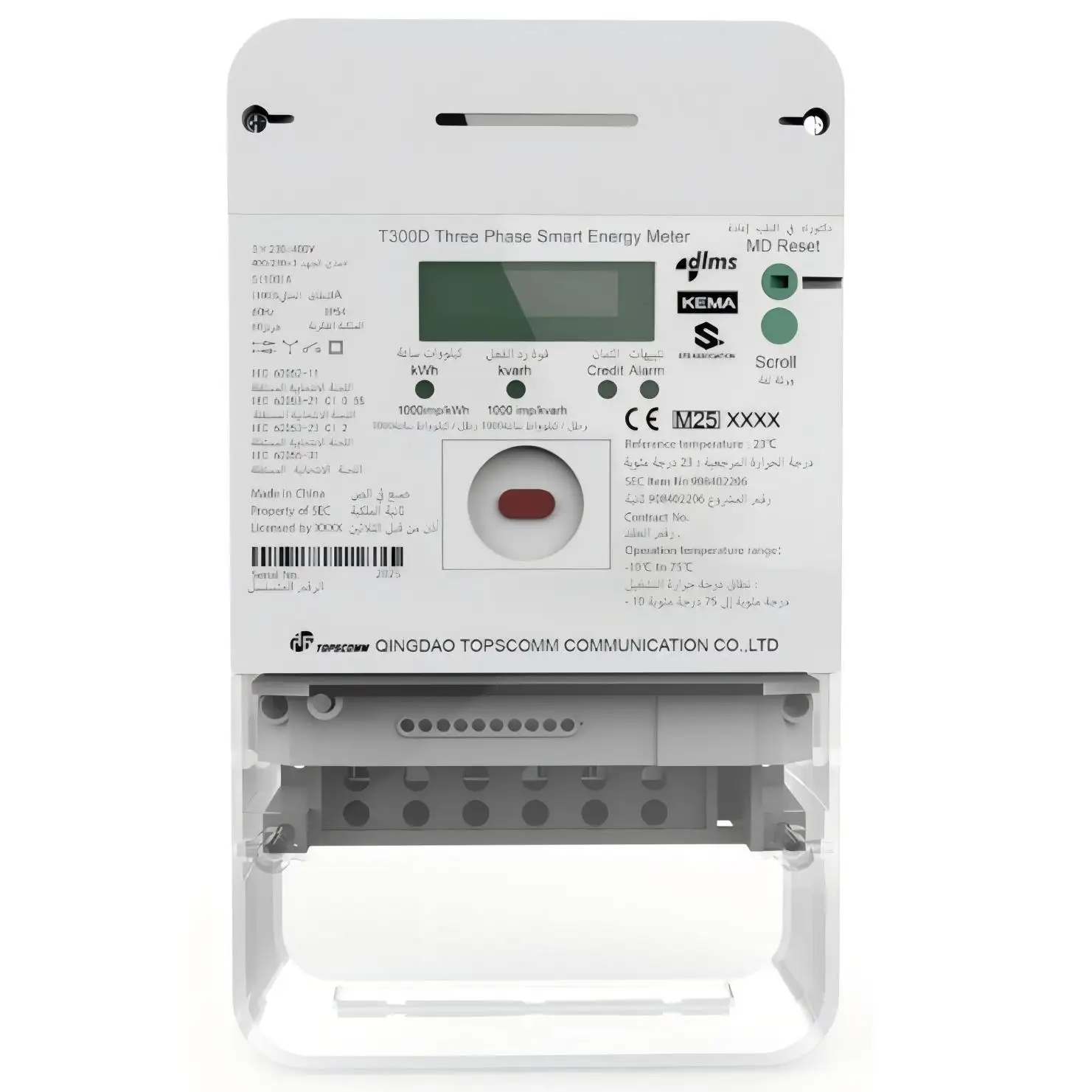
Advanced Metering Infrastructure (AMI) represents a transformative approach to energy management that fundamentally changes how customers interact with and understand their energy consumption patterns. Unlike traditional metering systems that provide limited visibility into energy usage, AMI creates a comprehensive ecosystem of smart meters, communication networks, and data management systems that deliver unprecedented transparency to energy consumers. This enhanced visibility empowers customers to make informed decisions about their energy consumption, leading to improved efficiency and cost management.
The implementation of AMI technology addresses a critical gap in traditional energy systems where customers often remained disconnected from their actual consumption patterns until receiving monthly bills. Through real-time data collection and automated communication capabilities, AMI systems enable utilities to provide customers with detailed, timely information about their energy usage behaviors. This enhanced transparency creates opportunities for customers to identify consumption patterns, detect anomalies, and implement energy-saving strategies based on accurate, up-to-date information rather than estimated readings or delayed billing cycles.
Real-Time Energy Consumption Monitoring
Immediate Access to Usage Data
AMI systems revolutionize customer energy awareness by providing immediate access to detailed consumption data through advanced smart metering technology. Traditional analog meters required manual readings and provided customers with energy usage information only through monthly billing statements, often reflecting consumption patterns from weeks or months prior. In contrast, AMI infrastructure enables customers to access real-time energy usage information through web portals, mobile applications, and in-home displays that connect directly to smart meter data streams.
This immediate data access allows customers to observe how their daily activities and appliance usage directly impact their energy consumption. For example, customers can monitor how turning on air conditioning systems, water heaters, or other high-consumption devices affects their real-time energy draw. The granular nature of AMI data collection means customers can identify specific time periods when their energy usage spikes and correlate these increases with particular activities or equipment operations.
The transparency provided by AMI extends beyond simple consumption totals to include detailed breakdowns of usage patterns throughout different time periods. Customers can examine hourly, daily, weekly, and monthly consumption trends, enabling them to understand how their energy usage varies across different seasons, weather conditions, and lifestyle patterns. This comprehensive visibility helps customers develop more accurate expectations about their energy costs and identify opportunities for consumption optimization.
Granular Consumption Analytics
Advanced AMI systems provide customers with sophisticated analytics tools that break down energy consumption into detailed categories and time-based segments. These analytics capabilities enable customers to understand not just how much energy they consume, but when and potentially why their consumption patterns occur. Through detailed data visualization tools, customers can examine their energy usage across different time intervals, from 15-minute increments to annual trends, providing unprecedented insight into their consumption behaviors.
The granular nature of AMI data collection enables customers to identify specific consumption patterns that may not be apparent through traditional billing methods. For instance, customers can discover that their energy usage consistently peaks during certain hours of the day, identify phantom loads from devices in standby mode, or recognize seasonal variations in their consumption patterns. This detailed understanding empowers customers to make targeted adjustments to their energy usage behaviors.
AMI systems often incorporate comparative analytics that allow customers to benchmark their energy usage against similar households or historical periods. These comparative insights help customers understand whether their consumption levels are typical for their home size, regional climate, or demographic category. Such benchmarking capabilities provide context that helps customers set realistic energy reduction goals and track their progress toward improved efficiency over time.
Enhanced Billing Accuracy and Cost Transparency
Elimination of Estimated Readings
One of the most significant ways AMI enhances customer energy usage transparency is through the complete elimination of estimated meter readings that often created confusion and billing disputes in traditional utility systems. Legacy metering infrastructure frequently relied on estimated consumption calculations when manual meter readings were missed due to weather conditions, access issues, or scheduling conflicts. These estimated readings often resulted in significant discrepancies between actual consumption and billed amounts, leading to customer frustration and subsequent billing adjustments.
AMI systems automatically transmit accurate consumption data at predetermined intervals, ensuring that every billing cycle reflects actual energy usage rather than projected estimates. This automated data transmission occurs regardless of weather conditions, access restrictions, or meter reader availability, providing consistent and reliable consumption information. Customers benefit from knowing that their bills reflect their actual energy usage, eliminating the uncertainty and potential financial surprises associated with estimated billing cycles.
The accuracy provided by AMI extends beyond basic consumption measurements to include precise timing information that supports time-of-use billing structures. Customers can see exactly when their energy consumption occurred, allowing them to understand how different usage patterns throughout the day impact their overall energy costs. This timing precision enables customers to make informed decisions about shifting energy-intensive activities to lower-cost time periods, potentially reducing their overall energy expenses.
Detailed Cost Breakdown Analysis
AMI technology enables utilities to provide customers with comprehensive cost breakdown analysis that illustrates how different components of their energy usage contribute to their total bills. Traditional billing systems typically presented customers with aggregate consumption totals and basic rate calculations, offering limited insight into the specific factors driving their energy costs. AMI systems support sophisticated billing presentations that can separate costs by time periods, rate tiers, and usage categories.
Through detailed cost analysis, customers can understand how time-of-use rates, demand charges, seasonal rate variations, and tiered pricing structures impact their energy bills. This transparency helps customers recognize the financial implications of their consumption choices and identify specific opportunities for cost reduction. For example, customers can see how shifting high-consumption activities from peak rate periods to off-peak times could reduce their monthly energy expenses.
AMI systems also enable customers to track their energy costs in real-time, providing ongoing awareness of how their current usage patterns will impact their upcoming bills. This real-time cost tracking helps customers avoid bill shock and enables them to make immediate adjustments to their energy usage when they approach predetermined budget thresholds. The ability to monitor costs continuously rather than discovering them retroactively through monthly bills represents a fundamental improvement in customer energy cost transparency.
Proactive Alert Systems and Anomaly Detection
Unusual Usage Pattern Notifications
AMI systems incorporate sophisticated anomaly detection algorithms that monitor customer energy usage patterns and automatically generate alerts when consumption deviates significantly from established baselines. These intelligent monitoring capabilities analyze historical usage data to establish typical consumption patterns for each customer account, taking into consideration seasonal variations, weather impacts, and recurring usage cycles. When the system detects consumption patterns that fall outside normal parameters, it can immediately notify customers through various communication channels.
These proactive notifications serve multiple transparency functions by alerting customers to potential issues before they result in unexpectedly high bills or equipment problems. For example, AMI systems can detect sudden increases in energy consumption that might indicate malfunctioning equipment, water leaks affecting electric water heaters, or unauthorized energy usage. By receiving these alerts promptly, customers can investigate and address potential problems before they escalate into more significant issues.
The transparency provided by anomaly detection extends to helping customers understand normal versus abnormal consumption patterns for their specific circumstances. AMI systems can differentiate between expected seasonal increases in energy usage and genuine anomalies that warrant customer attention. This intelligent filtering helps customers focus their attention on consumption changes that actually require action rather than normal variations in their energy usage patterns.
Equipment Performance Monitoring
Advanced AMI implementations provide customers with insights into how their electrical equipment and appliances are performing from an energy efficiency perspective. By analyzing consumption patterns associated with specific equipment cycles, AMI systems can help customers identify when appliances may be operating inefficiently or requiring maintenance. This equipment performance transparency enables customers to make informed decisions about appliance replacement, maintenance scheduling, and energy efficiency upgrades.
AMI data analysis can reveal gradual increases in energy consumption that indicate declining equipment efficiency over time. For example, the system might detect that an air conditioning system is consuming progressively more energy to maintain the same temperature levels, suggesting that maintenance or replacement may be necessary. This gradual performance monitoring provides customers with advance warning about equipment issues before they result in complete system failures or dramatically increased energy costs.
The transparency provided by AMI equipment monitoring extends to helping customers understand the energy consumption characteristics of different appliances and systems within their homes or businesses. Customers can identify which equipment contributes most significantly to their overall energy consumption and prioritize efficiency improvements accordingly. This detailed understanding enables customers to make informed investment decisions about energy-efficient equipment upgrades based on actual consumption data rather than manufacturer estimates.
Customer Engagement Through Data Accessibility
User-Friendly Digital Interfaces
AMI systems enhance customer energy usage transparency through sophisticated digital interfaces that make complex consumption data accessible and understandable for users with varying levels of technical expertise. These interfaces transform raw meter data into intuitive visual presentations including charts, graphs, and interactive dashboards that help customers quickly comprehend their energy usage patterns. Modern AMI platforms provide customers with multiple access points including web portals, mobile applications, and email notifications that accommodate different preferences for accessing energy information.
The design of AMI customer interfaces prioritizes clarity and actionable insights rather than simply presenting raw data. Customers can view their energy consumption through various lens including daily usage curves, monthly comparison charts, and seasonal trend analysis. These visual presentations help customers identify patterns and trends that might not be apparent through traditional billing statements, enabling them to make more informed decisions about their energy usage behaviors.
AMI interfaces often incorporate educational components that help customers understand the implications of their energy consumption data. These features might include efficiency tips triggered by specific usage patterns, comparisons with similar customers, and recommendations for reducing energy consumption based on identified opportunities. This educational integration ensures that the transparency provided by AMI translates into actionable knowledge that customers can use to improve their energy management practices.
Customizable Reporting and Analysis Tools
Advanced AMI platforms provide customers with customizable reporting tools that enable them to analyze their energy consumption data according to their specific interests and needs. These tools allow customers to generate detailed reports covering different time periods, compare usage across multiple intervals, and examine consumption data from various analytical perspectives. The flexibility of these reporting capabilities ensures that customers can access the specific information most relevant to their energy management goals.
Customers can configure AMI reporting tools to focus on particular aspects of their energy consumption that align with their conservation objectives or budget management needs. For example, customers might create custom reports that track their progress toward specific energy reduction goals, monitor the impact of efficiency improvements, or analyze the cost-effectiveness of different usage patterns. This customization capability ensures that AMI transparency serves each customer's unique requirements rather than providing generic information.
The analytical capabilities of AMI systems extend to predictive modeling tools that help customers understand how different scenarios might impact their future energy consumption and costs. Customers can explore how changes in their usage patterns, equipment efficiency improvements, or seasonal variations might affect their energy bills. This forward-looking transparency enables customers to make proactive decisions about their energy management strategies based on data-driven projections rather than reactive responses to billing surprises.
FAQ
How quickly can customers access their energy usage data through AMI systems?
AMI systems typically provide customers with energy usage data within 24 hours of consumption, with many advanced implementations offering near real-time access through online portals and mobile applications. The exact timing depends on the communication infrastructure and data processing capabilities of the specific AMI implementation, but customers generally have access to much more current information compared to traditional monthly billing cycles that could lag consumption by several weeks.
What level of detail can customers expect from AMI energy consumption reports?
AMI systems typically provide energy consumption data in 15-minute to hourly intervals, allowing customers to see detailed patterns throughout each day. This granular data enables customers to identify specific time periods when their energy usage peaks, understand how different activities impact their consumption, and track the effectiveness of energy conservation efforts with precision that was impossible with traditional monthly meter readings.
Can AMI systems help customers identify specific appliances or equipment that consume excessive energy?
While basic AMI systems provide whole-home energy consumption data, they typically cannot identify specific appliances without additional sub-metering equipment. However, AMI data can help customers correlate usage spikes with appliance operation times, and advanced analytics can sometimes identify characteristic consumption patterns associated with major equipment like air conditioning systems, water heaters, or electric vehicle charging.
How does AMI transparency help customers reduce their energy costs?
AMI enhances cost reduction opportunities by providing customers with detailed timing information that enables them to shift energy-intensive activities to lower-cost time periods, identify and eliminate phantom loads from devices in standby mode, detect equipment inefficiencies before they become major problems, and track the effectiveness of conservation measures in real-time. This comprehensive transparency enables customers to make informed decisions that directly impact their energy expenses.
Table of Contents
- Real-Time Energy Consumption Monitoring
- Enhanced Billing Accuracy and Cost Transparency
- Proactive Alert Systems and Anomaly Detection
- Customer Engagement Through Data Accessibility
-
FAQ
- How quickly can customers access their energy usage data through AMI systems?
- What level of detail can customers expect from AMI energy consumption reports?
- Can AMI systems help customers identify specific appliances or equipment that consume excessive energy?
- How does AMI transparency help customers reduce their energy costs?