Advanced Energy Meter Types: Smart Solutions for Efficient Power Monitoring and Management

Get a Free Quote

Our representative will contact you soon.
Email
Name
Company Name
Message
0/1000

energy meter types

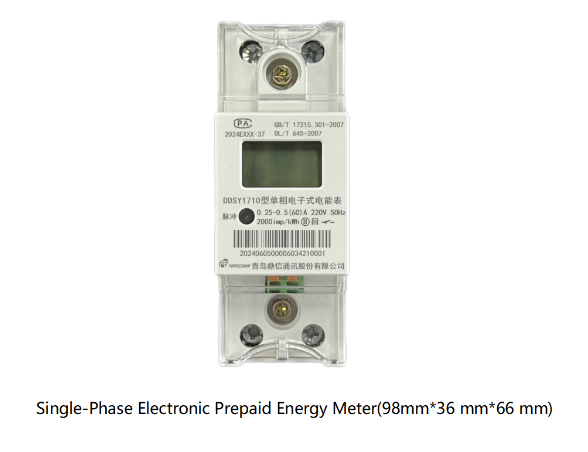
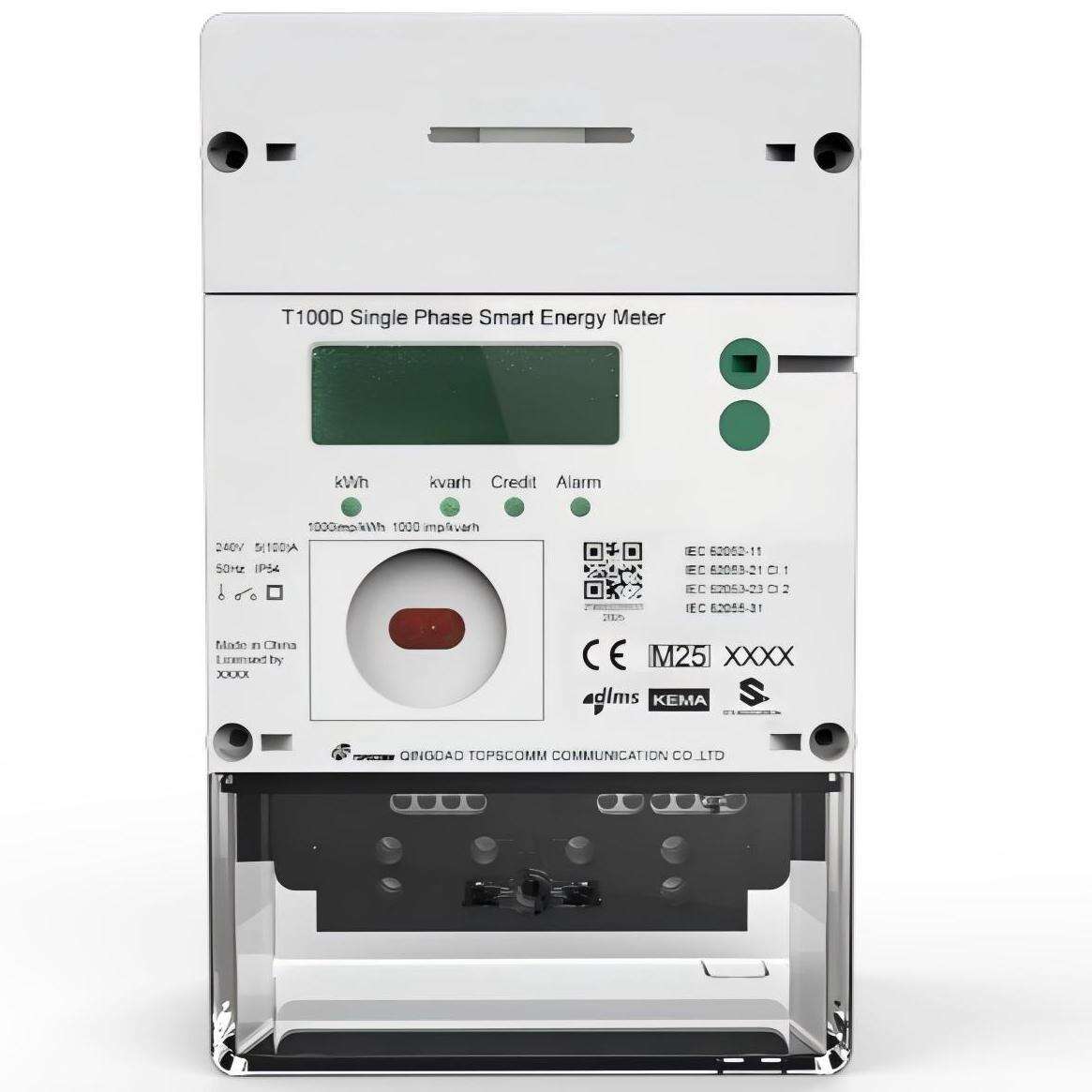
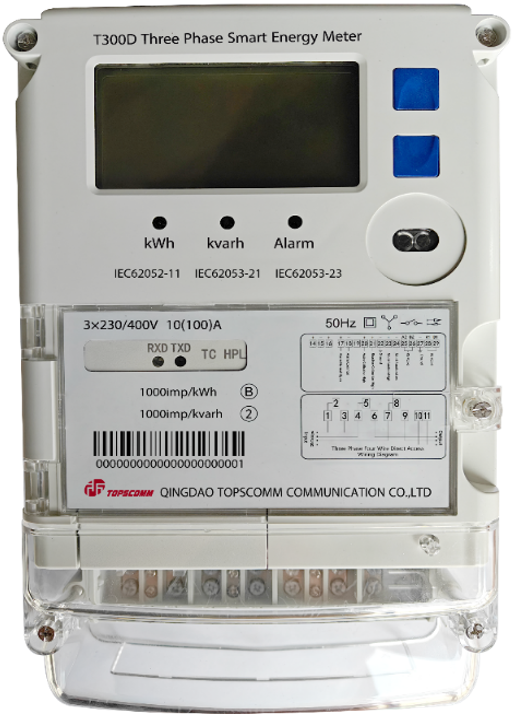
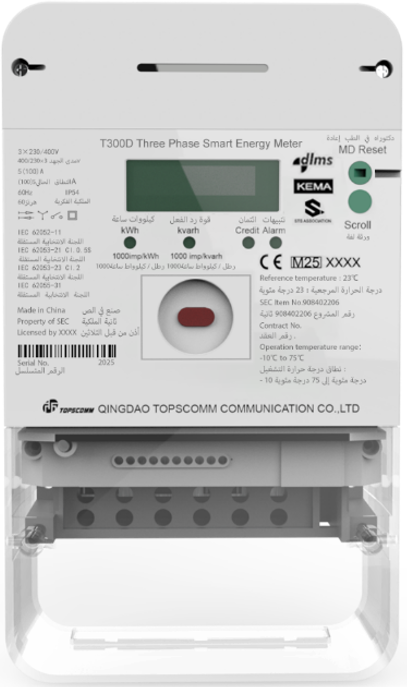
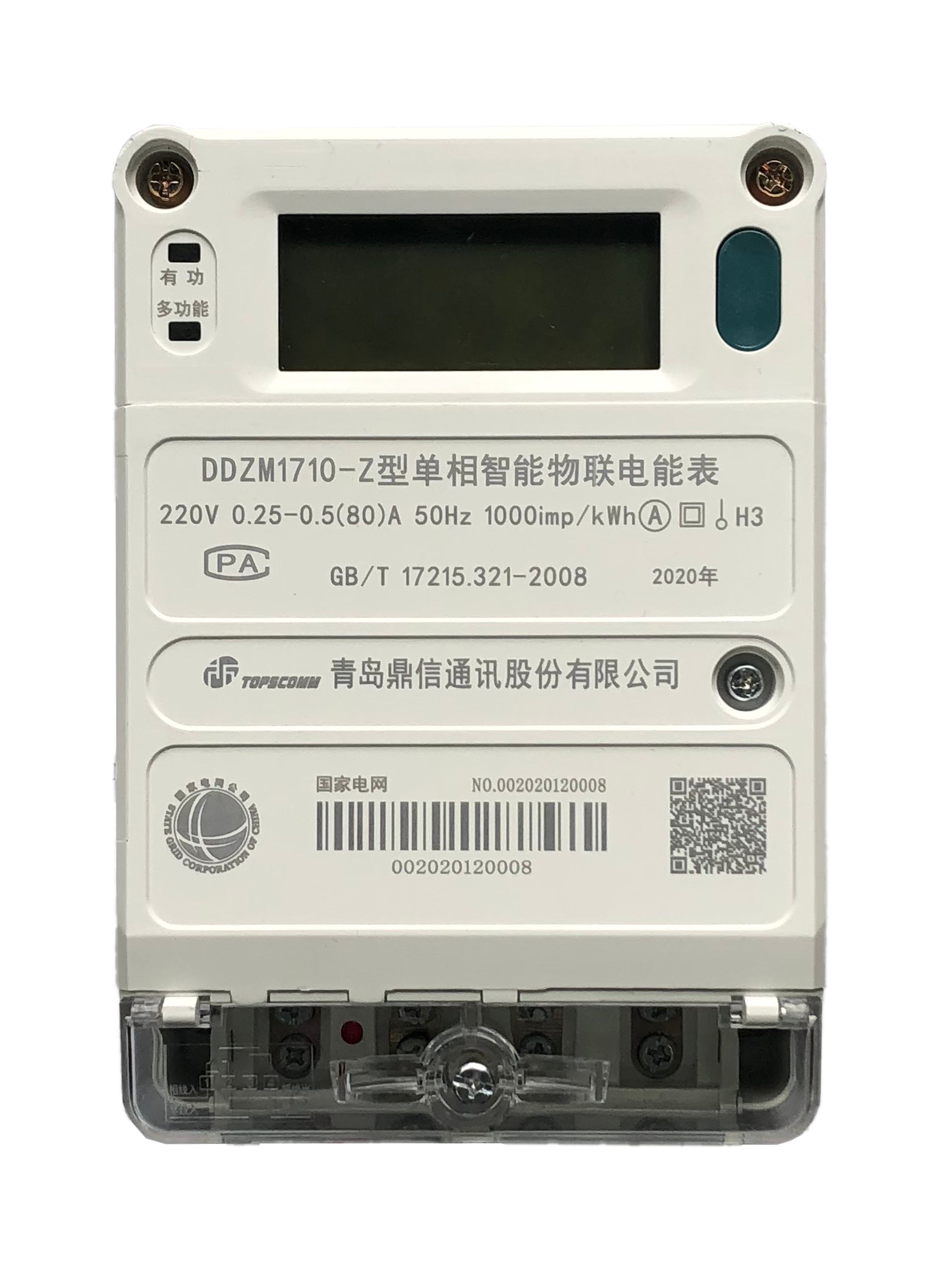
Energy meters are sophisticated devices that play a crucial role in monitoring and measuring electrical energy consumption. These devices come in various types, including traditional mechanical meters, electronic meters, and smart meters, each offering distinct capabilities and features. Mechanical meters, the oldest type, use electromagnetic induction to measure energy usage through rotating discs. Electronic meters provide digital displays and more accurate readings by utilizing electronic components and microprocessors. Smart meters represent the latest advancement in energy metering technology, offering real-time monitoring, two-way communication capabilities, and integration with smart grid systems. These modern meters can track multiple parameters such as active power, reactive power, power factor, and voltage quality. They enable remote meter reading, automated billing, and provide detailed consumption data that helps users understand and optimize their energy usage patterns. The technology behind these meters continues to evolve, incorporating features like tamper detection, load management, and power quality analysis. Energy meters are essential in residential, commercial, and industrial applications, helping maintain accurate energy consumption records and facilitating fair billing practices.


New Product Recommendations

Energy meter types offer numerous practical benefits that make them indispensable in modern energy management systems. Smart meters provide real-time consumption data, allowing users to monitor their energy usage instantly and make informed decisions about their consumption patterns. This immediate feedback helps identify energy-intensive activities and potential savings opportunities. The automated reading capability eliminates the need for manual meter reading, reducing operational costs and human error while ensuring accurate billing. Advanced metering infrastructure enables two-way communication between consumers and utility providers, facilitating better grid management and faster response to power outages. Electronic meters offer enhanced accuracy compared to traditional mechanical meters, ensuring fair billing and reducing disputes. The digital display makes it easier for consumers to read and understand their energy consumption. Modern meters also include power quality monitoring features that help protect sensitive equipment from voltage fluctuations and other electrical disturbances. The data logging capability allows for detailed analysis of consumption patterns, enabling better energy management strategies. Smart meters support time-of-use pricing, allowing consumers to take advantage of lower rates during off-peak hours. The integration with home energy management systems enables automated control of appliances, leading to improved energy efficiency and cost savings.

Practical Tips

What Are the Key Technologies Driving Power Grid Modernization?

28

Aug

What Are the Key Technologies Driving Power Grid Modernization?

The Evolution of Modern Electric Infrastructure The traditional power grid, a marvel of 20th-century engineering, is undergoing a remarkable transformation. Power grid modernization represents one of the most significant infrastructure developments o...
View More
How Do Smart Water Meters Improve Resource Management for Cities?

25

Sep

How Do Smart Water Meters Improve Resource Management for Cities?

Transforming Urban Water Management Through Digital Innovation Urban water management faces unprecedented challenges in the modern era. As cities grow and climate patterns shift, the need for efficient water resource management becomes increasingly c...
View More
Why Are Water Meters Crucial to Sustainable Urban Infrastructure?

25

Sep

Why Are Water Meters Crucial to Sustainable Urban Infrastructure?

The Evolution of Urban Water Management Through Advanced Metering In the realm of modern city planning and resource management, water meters have emerged as indispensable tools that form the backbone of sustainable urban infrastructure. These sophist...
View More
How Do Smart Water Meters Help Identify Leaks in Real Time?

31

Oct

How Do Smart Water Meters Help Identify Leaks in Real Time?

The Evolution of Modern Water Management Systems Water management has undergone a remarkable transformation in recent decades, with smart water meters emerging as a groundbreaking technology that revolutionizes how we detect and manage water leaks. T...
View More

Get a Free Quote

Our representative will contact you soon.
Email
Name
Company Name
Message
0/1000

energy meter types

Advanced Monitoring and Control Features

Advanced Monitoring and Control Features

Modern energy meters incorporate sophisticated monitoring and control capabilities that revolutionize energy management. These meters continuously track various electrical parameters, including voltage, current, power factor, and frequency, providing comprehensive insights into power quality and consumption patterns. The real-time monitoring feature enables immediate detection of any anomalies or unusual consumption patterns, allowing for quick response to potential issues. Advanced analytics capabilities process this data to generate detailed reports and consumption forecasts, helping users optimize their energy usage. The integration with smart home systems allows for automated control of electrical devices based on predefined parameters or real-time conditions, maximizing energy efficiency and cost savings.
Enhanced Communication and Connectivity

Enhanced Communication and Connectivity

The communication capabilities of modern energy meters represent a significant advancement in utility management. These meters utilize various communication protocols such as WiFi, cellular networks, or power line communication to establish reliable connections with utility providers and home management systems. This connectivity enables remote meter reading, eliminating the need for physical visits and reducing operational costs. The two-way communication feature allows utilities to implement demand response programs, helping balance grid load during peak periods. Users can access their consumption data through mobile apps or web portals, providing unprecedented visibility into their energy usage patterns and costs.
Security and Reliability Features

Security and Reliability Features

Modern energy meters incorporate robust security features to ensure data integrity and system reliability. Advanced encryption protocols protect sensitive consumption data and prevent unauthorized access or tampering attempts. The meters include built-in surge protection mechanisms to guard against electrical disturbances and ensure continuous operation. Tamper detection features immediately alert utilities to any attempts at meter manipulation, helping prevent energy theft and ensuring accurate billing. The solid-state design of electronic meters eliminates moving parts, reducing maintenance requirements and extending operational life. Regular self-diagnostic checks ensure the meter's continued accuracy and reliability, while backup power systems maintain critical functions during power outages.

Get a Free Quote

Our representative will contact you soon.
Email
Name
Company Name
Message
0/1000