EN
EN



The Evolution of Modern Water Management Systems
Water management has undergone a remarkable transformation in recent decades, with smart water meters emerging as a groundbreaking technology that revolutionizes how we detect and manage water leaks. These innovative devices represent a significant leap forward from traditional mechanical meters, offering real-time monitoring capabilities that help utilities and property owners maintain water infrastructure more effectively. The integration of smart water meters into existing water networks has become increasingly crucial as communities worldwide face growing challenges related to water conservation and resource management.
Understanding Smart Water Meter Technology
Core Components and Functionality
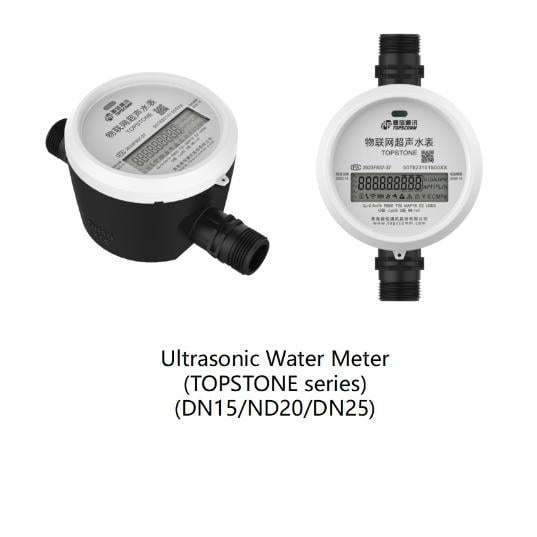
Smart water meters combine advanced sensing technology with digital communication capabilities to provide continuous monitoring of water flow patterns. These sophisticated devices utilize ultrasonic or electromagnetic sensors to measure water flow with unprecedented accuracy. The meters are equipped with data logging capabilities, wireless communication modules, and powerful analytics software that work together to create a comprehensive water monitoring system.
The technology behind smart water meters involves multiple layers of sophisticated components working in harmony. The measurement unit captures detailed flow data, while the communication module transmits this information to centralized systems. Advanced algorithms process this data in real-time, analyzing patterns and identifying anomalies that could indicate potential leaks or other issues in the water system.
Data Collection and Analysis Methods
The data collection process in smart water meters operates continuously, gathering information about water consumption patterns, pressure levels, and flow rates. This constant stream of data enables the system to establish baseline usage patterns for different times of day and different seasons. Advanced analytics platforms process this information using machine learning algorithms that become increasingly accurate over time at distinguishing between normal usage variations and potential leaks.
Modern smart water meters can detect subtle changes in water flow patterns that might indicate even small leaks. The system analyzes factors such as continuous flow during typically inactive periods, sudden pressure drops, or unusual consumption patterns that deviate from established baselines. This comprehensive analysis helps identify issues before they develop into major problems.
Real-Time Leak Detection Capabilities
Immediate Alert Systems
One of the most valuable features of smart water meters is their ability to provide instant notifications when potential leaks are detected. The system can automatically send alerts to both utility companies and property owners through multiple channels, including mobile apps, email, or SMS messages. This immediate notification system enables rapid response to water leaks, potentially preventing extensive water damage and reducing water waste.
The alert mechanisms are customizable, allowing users to set specific thresholds and parameters for different types of notifications. Whether it's a small continuous leak or a sudden burst pipe, smart water meters can differentiate between various scenarios and provide appropriate alerts with recommended actions.
Pattern Recognition and Learning
Smart water meters employ sophisticated pattern recognition algorithms that continuously learn from historical data. These systems can identify subtle changes in water usage patterns that might indicate developing problems. The technology becomes more intelligent over time, reducing false alarms while improving the accuracy of leak detection.
The learning capabilities extend to understanding seasonal variations, household routines, and even specific appliance usage patterns. This comprehensive understanding helps distinguish between normal usage fluctuations and genuine leak situations, making the system increasingly reliable and effective.
Benefits for Utilities and Consumers
Cost Savings and Resource Conservation
The implementation of smart water meters leads to significant cost savings for both utility companies and consumers. Early leak detection prevents water waste and reduces the associated costs of water loss. Utilities can optimize their operations by identifying and addressing system-wide issues more efficiently, while consumers benefit from lower water bills and reduced risk of property damage from undetected leaks.
The economic advantages extend beyond direct water savings. Prevention of major water damage, reduced maintenance costs, and improved resource allocation all contribute to the overall financial benefits of implementing smart water meter systems. The return on investment typically becomes evident within the first few years of installation.
Environmental Impact and Sustainability
Smart water meters play a crucial role in environmental conservation efforts by helping to reduce water waste and improve resource management. The technology enables more efficient water distribution and helps identify areas where conservation efforts can be most effective. This systematic approach to water management contributes significantly to sustainability goals and environmental protection.
The environmental benefits are particularly notable in regions facing water scarcity issues. By providing detailed usage data and early leak detection, smart water meters help communities better manage their water resources and implement more effective conservation strategies. This technology has become an essential tool in the fight against water waste and environmental degradation.
Future Developments and Innovations
Integration with Smart City Infrastructure
The future of smart water meters lies in their integration with broader smart city initiatives. These systems are increasingly being connected with other urban infrastructure components, creating comprehensive networks that can manage resources more efficiently. The integration enables better coordination between various utility services and improved overall city management.
Advanced data analytics and artificial intelligence will continue to enhance the capabilities of smart water meters, making them even more effective at preventing water loss and managing resources. The technology is expected to become more sophisticated in its ability to predict potential issues before they occur, moving from reactive to proactive water management.
Enhanced User Interface and Control
Future developments in smart water meter technology will likely focus on improving user interaction and control capabilities. Mobile applications and web interfaces will become more intuitive and feature-rich, providing users with detailed insights into their water usage patterns and more precise control over their water consumption.
The evolution of user interfaces will make it easier for consumers to understand and manage their water usage, leading to more conscious consumption patterns and better resource management at the individual level. These improvements will further enhance the value proposition of smart water meters for both utilities and end-users.
Frequently Asked Questions
How accurate are smart water meters in detecting leaks?
Smart water meters can detect leaks with very high accuracy, typically identifying flow variations as small as 0.1 gallons per hour. The combination of advanced sensors and sophisticated analytics enables these systems to detect even minor leaks with a success rate exceeding 95% in most installations.
What is the typical return on investment for installing smart water meters?
Most utility companies and property owners see a positive return on investment within 2-4 years of installing smart water meters. The savings come from reduced water waste, lower maintenance costs, and prevented water damage, with some installations reporting ROI periods as short as 18 months.
Can smart water meters detect the exact location of a leak?
While smart water meters excel at detecting the presence of leaks, pinpointing the exact location typically requires additional technologies. However, the data provided by smart meters can significantly narrow down the search area, making leak location much more efficient than traditional methods.