EN
EN



The Evolution of Urban Energy Management Through Smart Metering
The landscape of modern urban development is experiencing a revolutionary transformation through the integration of smart energy meters. These sophisticated devices serve as the cornerstone of smart city infrastructure, enabling precise monitoring and management of energy consumption across residential, commercial, and industrial sectors. As cities worldwide embrace digital transformation, smart energy meters have emerged as essential tools for creating sustainable, efficient, and responsive urban environments.
The integration of smart energy meters represents a significant leap forward from traditional mechanical meters, offering real-time data collection, automated billing, and unprecedented insights into energy usage patterns. This technological advancement is not merely about modernizing utility services – it's about laying the foundation for truly intelligent urban ecosystems that can adapt and respond to the dynamic needs of their inhabitants.
Core Components of Smart Energy Meter Infrastructure
Advanced Metering Technology
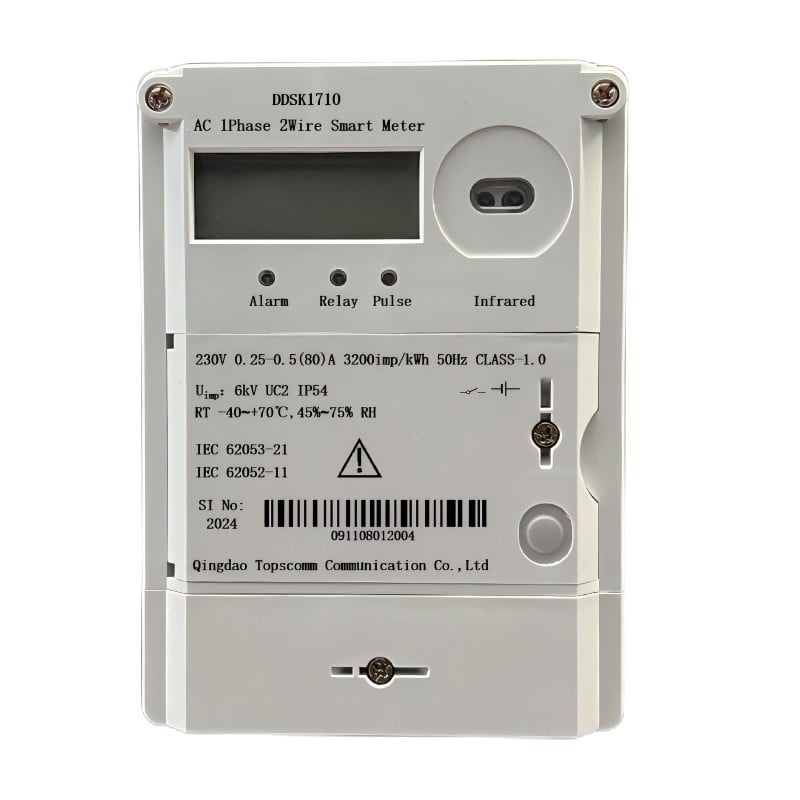
Smart energy meters incorporate state-of-the-art measurement technology that goes far beyond simple consumption recording. These devices feature sophisticated sensors and communication modules that enable two-way data transmission between consumers and utility providers. The advanced metering infrastructure (AMI) includes features such as power quality monitoring, tamper detection, and remote configuration capabilities.
The hardware components are designed for longevity and reliability, typically lasting 15-20 years while maintaining consistent accuracy. Modern smart energy meters also include displays that show real-time consumption data, helping consumers make informed decisions about their energy usage.
Data Communication Networks
The effectiveness of smart energy meters relies heavily on robust communication networks that facilitate seamless data transfer. These networks typically employ a combination of wireless technologies, including RF mesh networks, cellular connections, and power line communication (PLC). The multi-layered communication infrastructure ensures reliable data transmission even in challenging urban environments.
Security protocols and encryption standards are integral to these networks, protecting sensitive consumption data and preventing unauthorized access. The communication system supports various data transfer rates, allowing for both real-time monitoring and periodic data collection based on utility requirements.
Benefits for Urban Infrastructure Development
Enhanced Grid Management
Smart energy meters enable utilities to monitor and manage the power grid with unprecedented precision. By collecting granular consumption data, operators can identify peak demand periods, predict potential outages, and optimize power distribution accordingly. This proactive approach to grid management results in improved reliability and reduced downtime.
The integration of smart energy meters also facilitates the incorporation of renewable energy sources into the grid. As cities increasingly adopt solar panels and wind turbines, these meters help balance the variable nature of renewable generation with consumer demand, ensuring stable power supply.
Resource Optimization
Through detailed consumption analytics, smart energy meters help cities optimize their resource allocation. Utility companies can better predict maintenance needs, plan infrastructure upgrades, and allocate resources more efficiently. This data-driven approach leads to significant cost savings and improved service delivery.
The implementation of smart energy meters also supports environmental initiatives by providing accurate data on carbon emissions and energy efficiency. Cities can use this information to develop targeted sustainability programs and track their progress toward environmental goals.
Impact on Consumer Engagement
Empowering Energy Users
Smart energy meters transform passive consumers into active participants in energy management. Through mobile apps and web portals, users can access detailed information about their consumption patterns, enabling them to make informed decisions about their energy use. This transparency fosters a more conscious approach to energy consumption.
Consumers can set personalized alerts for unusual consumption patterns, receive energy-saving tips based on their usage data, and even participate in demand response programs that offer incentives for reducing consumption during peak periods.
Financial Benefits and Billing Accuracy
The implementation of smart energy meters eliminates estimated billing and manual meter reading, ensuring accurate and timely billing for consumers. This increased accuracy helps build trust between utilities and customers while reducing billing disputes and administrative costs.
Many utilities offer time-of-use pricing programs enabled by smart energy meters, allowing consumers to save money by shifting their energy use to off-peak hours. This dynamic pricing model benefits both consumers and utilities by promoting more efficient use of grid resources.
Future Prospects and Integration Possibilities
Smart City Integration
Smart energy meters are increasingly being integrated with other smart city systems, creating a more connected and efficient urban environment. These connections enable coordinated responses to various urban challenges, from traffic management to emergency services.
The data collected by smart energy meters can be combined with other urban datasets to develop comprehensive city management solutions. This integration supports better decision-making in urban planning and infrastructure development.
Technological Advancements
The evolution of smart energy meters continues with the incorporation of artificial intelligence and machine learning capabilities. These advanced features enable predictive maintenance, automated optimization, and more sophisticated energy management strategies.
Future developments may include enhanced integration with home automation systems, electric vehicle charging infrastructure, and renewable energy systems, further expanding the role of smart energy meters in urban infrastructure.
Frequently Asked Questions
How do smart energy meters contribute to energy conservation?
Smart energy meters promote conservation by providing real-time consumption data and insights that help users understand and optimize their energy usage. They enable demand response programs and support the implementation of energy-efficient practices through detailed usage analytics and personalized recommendations.
What security measures protect smart energy meter data?
Smart energy meters employ multiple layers of security, including end-to-end encryption, secure authentication protocols, and regular security updates. Utility companies maintain strict data protection policies and comply with relevant privacy regulations to ensure consumer information remains confidential.
How long does it take to recover the investment in smart energy meter infrastructure?
The return on investment for smart energy meter infrastructure typically occurs within 3-5 years, considering factors such as reduced operational costs, improved billing accuracy, and decreased energy theft. The long-term benefits, including grid optimization and improved customer service, continue to generate value well beyond the initial recovery period.