EN
EN



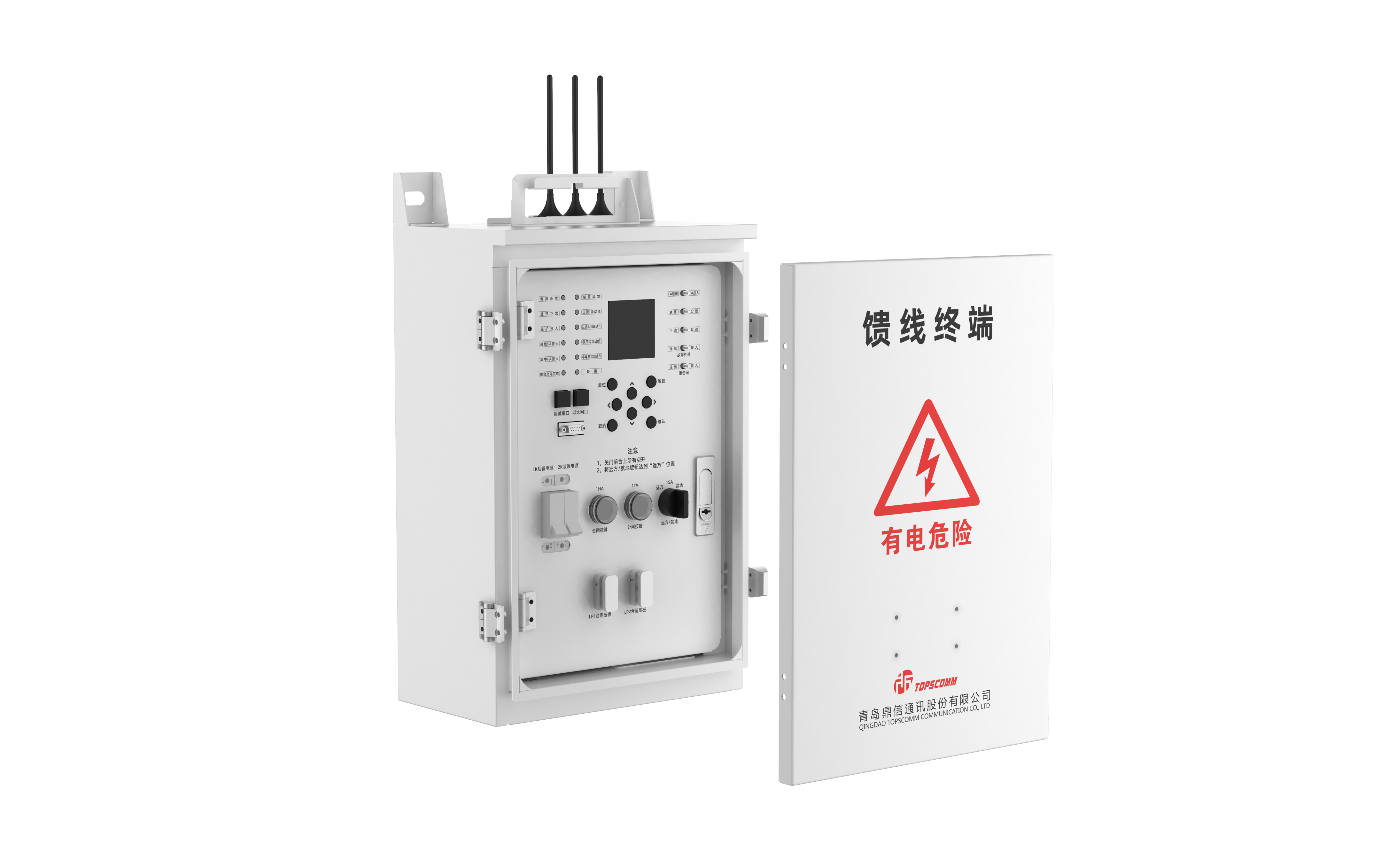
Modern electrical grids face unprecedented demands for reliability, efficiency, and adaptability as energy consumption patterns evolve and renewable energy sources proliferate. Distribution automation systems have emerged as critical enablers of smart grid transformation, providing utilities with the technological foundation to monitor, control, and optimize electricity distribution networks in real time. These sophisticated systems integrate advanced sensors, intelligent controllers, communication networks, and analytical software to create self-healing, responsive infrastructure that fundamentally changes how electricity flows from substations to end consumers.
The relationship between distribution automation systems and smart grids represents a symbiotic evolution where automation capabilities enable grid intelligence while smart grid requirements drive innovation in automation technologies. Understanding how these systems function together reveals the mechanisms through which utilities achieve operational excellence, integrate distributed energy resources, reduce outage durations, and deliver superior service quality. This article explores the specific ways distribution automation systems support smart grid objectives, examining the technical architecture, operational workflows, and strategic value these systems deliver across diverse utility environments.
Enabling Real-Time Grid Visibility and Monitoring
Comprehensive Network Sensing Capabilities
Distribution automation systems establish pervasive sensing across the electrical distribution network by deploying intelligent electronic devices at strategic locations throughout the grid infrastructure. These devices continuously measure voltage levels, current flows, power quality parameters, and equipment status conditions, transmitting this data through secure communication channels to central control systems. The granular visibility provided by distribution automation systems allows operators to understand network conditions at unprecedented resolution levels, detecting anomalies, identifying emerging problems, and recognizing operational patterns that would remain invisible in traditional grid architectures.
Advanced sensor technologies embedded within distribution automation systems capture multi-dimensional data streams that characterize grid performance across temporal and spatial dimensions. Voltage monitoring at distribution transformers reveals loading patterns and potential capacity constraints, while line sensors detect fault currents and abnormal flow conditions that indicate equipment failures or network disturbances. This comprehensive monitoring capability transforms the distribution network from an opaque system with limited observability into a transparent infrastructure where every significant electrical event generates actionable intelligence for grid operators and automated control systems.
Data Integration and Situational Awareness
The value of distribution automation systems extends beyond raw data collection to encompass sophisticated integration and contextualization of information from diverse sources. Modern systems correlate sensor readings with geographic information, network topology models, customer data, and weather conditions to build comprehensive situational awareness platforms. This integrated perspective enables operators to understand not just what is happening within the grid, but why specific conditions exist and what implications they carry for system reliability and service quality.
Distribution automation systems process incoming data streams through analytical engines that identify significant patterns, detect deviations from normal operating conditions, and prioritize alerts based on severity and potential impact. These capabilities reduce information overload by filtering routine operational variations while highlighting conditions requiring human attention or automated response. The resulting situational awareness supports both reactive incident management and proactive optimization strategies, giving utilities the intelligence foundation necessary for effective smart grid operation.
Automating Fault Detection, Isolation, and Service Restoration
Rapid Fault Location and Classification
When faults occur on distribution networks, distribution automation systems execute sophisticated detection algorithms that analyze current waveforms, voltage signatures, and protection device responses to pinpoint fault locations with remarkable precision. Unlike traditional systems that might require extensive field investigation to locate problems, automated systems triangulate fault positions using data from multiple sensors and intelligent switches distributed throughout the network. This rapid localization capability dramatically reduces the time required to understand fault conditions and initiate appropriate restoration procedures.
The fault classification capabilities of distribution automation systems distinguish between permanent faults requiring physical repairs and transient conditions that clear automatically after brief interruptions. This discrimination prevents unnecessary sustained outages by enabling systems to attempt reclosure operations for transient faults while immediately isolating sections with permanent damage. Advanced algorithms within distribution automation systems analyze fault characteristics to categorize event types, providing valuable diagnostic information that guides both immediate response actions and longer-term reliability improvement initiatives.
Automated Service Restoration Sequences
Distribution automation systems orchestrate complex switching sequences that isolate faulted network sections while restoring service to unaffected customers through alternative supply paths. These self-healing capabilities execute within seconds or minutes, minimizing customer interruption durations without requiring manual intervention from control center operators. Automated restoration logic considers network topology, loading conditions, protection coordination requirements, and operational constraints to identify optimal switching configurations that maximize service continuity while maintaining system safety and reliability.
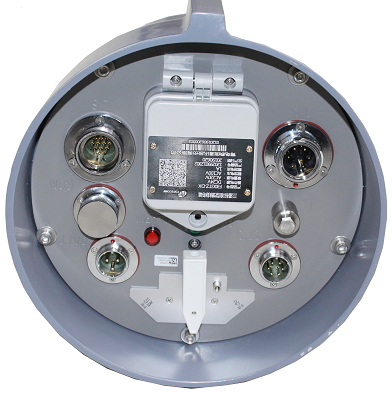
The restoration intelligence embedded in distribution automation systems evaluates multiple potential switching combinations, selecting sequences that balance competing objectives such as minimizing the number of affected customers, avoiding equipment overloads, and maintaining voltage regulation within acceptable limits. These systems coordinate actions across multiple devices, ensuring proper sequencing of switch operations and verification of successful state changes before proceeding with subsequent steps. This automated orchestration transforms grid response from reactive manual processes into proactive self-correction that dramatically improves reliability metrics and customer satisfaction.
Facilitating Distributed Energy Resource Integration
Managing Bidirectional Power Flows
Traditional distribution networks operated with unidirectional power flow from substations toward customers, but distributed generation from solar panels, wind turbines, and energy storage systems creates bidirectional flows that challenge conventional grid management approaches. Distribution automation systems provide the sensing, control, and coordination capabilities necessary to manage these complex flow patterns safely and efficiently. Real-time monitoring of generation output, consumption patterns, and network conditions enables automated systems to adjust voltage regulation equipment, reconfigure network topology, and coordinate protective devices to accommodate varying distributed energy resource contributions.
The voltage management challenges posed by distributed generation require sophisticated control strategies that distribution automation systems deliver through coordinated regulation of transformer tap changers, voltage regulators, and reactive power compensation devices. These systems continuously optimize equipment settings based on current network conditions, preventing voltage violations while minimizing equipment wear and energy losses. Advanced distribution automation systems also communicate with distributed energy resources themselves, implementing curtailment or output adjustment commands when necessary to maintain grid stability and power quality.
Coordinating Microgrid Operations
Distribution automation systems enable microgrid functionality by providing the control infrastructure necessary for sections of the distribution network to operate independently during main grid disturbances. These capabilities include seamless islanding detection, load-generation balancing within isolated network sections, and smooth resynchronization with the main grid when normal conditions restore. The coordination logic within distribution automation systems manages transitions between grid-connected and islanded modes while maintaining service continuity and protecting both utility infrastructure and customer equipment from potentially damaging transient conditions.
Microgrid support features within distribution automation systems orchestrate diverse distributed energy resources, storage systems, and controllable loads to maintain stable operation during islanded conditions. These systems implement frequency and voltage control algorithms, manage resource dispatch to match generation with consumption, and coordinate protection settings appropriate for islanded operation. This microgrid enablement represents a key smart grid capability that enhances resilience, provides backup power for critical facilities, and demonstrates pathways toward more decentralized grid architectures.
Optimizing Grid Operations and Asset Utilization
Dynamic Network Reconfiguration
Distribution automation systems continuously analyze network loading patterns and identify opportunities to optimize grid configuration for improved efficiency and reliability. Dynamic reconfiguration capabilities allow systems to adjust network topology by opening and closing switches to balance loads across feeders, reduce electrical losses, and improve voltage profiles. These optimization processes execute automatically based on current conditions, adapting the network configuration to match actual operational requirements rather than maintaining static topologies designed for peak loading scenarios.
The optimization algorithms within distribution automation systems evaluate thousands of potential network configurations, identifying solutions that minimize losses while respecting operational constraints such as equipment ratings, voltage limits, and protection coordination requirements. These capabilities enable utilities to extract maximum value from existing infrastructure by operating networks closer to optimal conditions across varying demand levels and generation patterns. Distribution automation systems also support planned maintenance activities by automatically reconfiguring networks to accommodate equipment outages while maintaining service quality and system reliability.
Predictive Maintenance and Asset Management
Distribution automation systems generate vast quantities of operational data that reveal equipment health conditions and predict potential failures before they occur. Continuous monitoring of equipment temperatures, loading levels, switching operations, and performance parameters enables analytical systems to identify degradation trends and anomalous behaviors indicating developing problems. This predictive intelligence allows utilities to transition from time-based maintenance schedules to condition-based strategies that optimize maintenance timing, reduce unexpected failures, and extend asset lifespans.
The asset management capabilities enabled by distribution automation systems provide utilities with comprehensive performance histories for every monitored device, supporting data-driven decisions about repair priorities, replacement timing, and capital investment strategies. Equipment that exhibits abnormal operating characteristics receives targeted inspection and maintenance attention, while well-performing assets continue operation without unnecessary interventions. This intelligence-driven approach maximizes the return on infrastructure investments while improving overall system reliability and reducing operational costs.
Supporting Advanced Grid Services and Customer Engagement
Demand Response and Load Management
Distribution automation systems provide the communication and control infrastructure necessary for implementing sophisticated demand response programs that engage customers in grid management activities. These systems coordinate with smart meters, building management systems, and controllable loads to execute load reduction requests during peak demand periods or supply constraints. The granular control and verification capabilities of distribution automation systems ensure that demand response actions deliver expected load reductions while minimizing customer inconvenience and maintaining service quality.
Advanced load management features within distribution automation systems enable utilities to implement dynamic pricing programs, critical peak pricing events, and automated load control strategies that align electricity consumption with generation availability and grid capacity. These capabilities become increasingly valuable as renewable energy penetration increases and grid operators require flexibility to balance variable generation patterns. Distribution automation systems also monitor the effectiveness of demand response actions, providing feedback that refines program design and improves participation rates over time.
Power Quality Monitoring and Enhancement
Distribution automation systems continuously monitor power quality parameters including voltage harmonics, transient disturbances, and momentary interruptions that affect sensitive customer equipment. This comprehensive quality monitoring enables utilities to identify sources of power quality problems, assess the extent of customer impacts, and implement targeted mitigation measures. Advanced systems correlate power quality events with network operations, weather conditions, and customer complaints to develop comprehensive understanding of quality issues and their root causes.
The control capabilities of distribution automation systems support active power quality enhancement through coordinated operation of voltage regulation equipment, capacitor banks, and active filtering devices. These systems automatically adjust equipment settings to compensate for voltage sags, reduce harmonic distortion, and minimize flicker effects that degrade customer equipment performance. By maintaining superior power quality, distribution automation systems protect customer investments in sensitive electronic equipment while reducing utility liability for equipment damage and supporting high-value industrial and commercial customer requirements.
FAQ
What communication technologies do distribution automation systems use to support smart grid functions?
Distribution automation systems employ diverse communication technologies optimized for different network segments and operational requirements. Fiber optic networks provide high-bandwidth, secure connections between substations and control centers, while cellular networks offer widespread coverage for remote device connectivity. Private radio systems deliver reliable communication in areas without commercial infrastructure, and power line carrier technology utilizes existing electrical conductors for data transmission. Modern systems implement hybrid communication architectures that combine multiple technologies to ensure redundant connectivity and resilient operations even when individual communication paths experience failures or degradation.
How do distribution automation systems improve grid resilience during extreme weather events?
Distribution automation systems enhance resilience by enabling rapid isolation of damaged network sections, automatic service restoration through alternative supply paths, and prioritized restoration sequencing that addresses critical facilities first. During storms and other extreme events, these systems continuously monitor network conditions, detecting failures as they occur and executing automated responses that minimize outage durations and affected customer counts. Advanced systems also support strategic load shedding to protect critical infrastructure during widespread supply disruptions, coordinate distributed energy resources to support isolated network sections, and provide operators with comprehensive situational awareness that guides emergency response activities and resource deployment decisions.
Can distribution automation systems integrate with existing utility infrastructure and legacy control systems?
Modern distribution automation systems feature flexible integration architectures that accommodate existing utility infrastructure through standardized communication protocols and interoperability frameworks. These systems communicate with legacy supervisory control and data acquisition platforms, integrate data from existing protective relays and monitoring devices, and coordinate with established operational procedures. Utilities typically implement distribution automation capabilities through phased deployment strategies that gradually enhance functionality while maintaining operational continuity. Open standards such as IEC 61850 and DNP3 ensure that new automation devices work alongside existing equipment, protecting utility investments while enabling progressive modernization toward comprehensive smart grid capabilities.
What cybersecurity measures protect distribution automation systems from malicious attacks?
Distribution automation systems implement multiple layers of cybersecurity protection including encrypted communications, authentication protocols, network segmentation, and continuous monitoring for anomalous activities. Modern systems follow standards such as NERC CIP that establish comprehensive security frameworks for critical infrastructure protection. Defense-in-depth strategies prevent single vulnerabilities from compromising system integrity, while regular security assessments identify and remediate potential weaknesses before exploitation occurs. Advanced systems incorporate intrusion detection capabilities that recognize unusual communication patterns or unauthorized access attempts, triggering automated responses and operator alerts that enable rapid incident response and system protection.
Table of Contents
- Enabling Real-Time Grid Visibility and Monitoring
- Automating Fault Detection, Isolation, and Service Restoration
- Facilitating Distributed Energy Resource Integration
- Optimizing Grid Operations and Asset Utilization
- Supporting Advanced Grid Services and Customer Engagement
-
FAQ
- What communication technologies do distribution automation systems use to support smart grid functions?
- How do distribution automation systems improve grid resilience during extreme weather events?
- Can distribution automation systems integrate with existing utility infrastructure and legacy control systems?
- What cybersecurity measures protect distribution automation systems from malicious attacks?