EN
EN



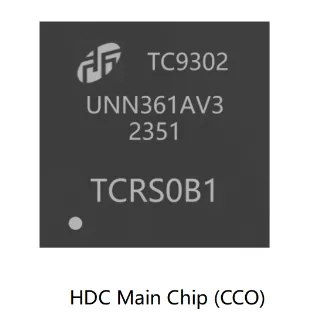
Low-voltage carrier communication represents a transformative technology that enables data transmission over existing power lines, fundamentally changing how industrial facilities, smart buildings, and utility networks manage communication infrastructure. This technology superimposes high-frequency communication signals onto low-voltage electrical circuits, allowing both power delivery and data exchange through the same conductors. As industries seek cost-effective, reliable alternatives to traditional wired and wireless networks, understanding the specific benefits of low-voltage carrier communication becomes essential for making informed infrastructure decisions.
The advantages of low-voltage carrier communication extend across multiple operational dimensions, from reducing installation complexity to enhancing system resilience in challenging environments. Organizations implementing this technology gain access to streamlined deployment processes, lower total ownership costs, and improved network reliability compared to conventional communication methods. This article examines the comprehensive benefits that low-voltage carrier communication delivers, exploring how it addresses practical challenges in industrial automation, building management systems, energy monitoring, and distributed control applications while providing tangible value across technical, economic, and operational domains.
Infrastructure and Installation Advantages
Elimination of Dedicated Communication Cabling
One of the most significant benefits of low-voltage carrier communication is the complete elimination of separate communication cable infrastructure. Traditional data networks require dedicated twisted-pair, coaxial, or fiber optic cables running parallel to power distribution systems, effectively doubling the cabling footprint. Low-voltage carrier communication leverages existing electrical wiring as the transmission medium, converting every power outlet and circuit into a potential network node. This dual-purpose utilization dramatically reduces material costs, labor requirements, and physical space consumption within buildings and industrial facilities.
The absence of separate communication cabling proves particularly valuable in retrofit applications where adding new conduits would require extensive construction work. Manufacturing plants, historical buildings, and operational facilities can deploy comprehensive monitoring and control networks without disruptive renovations or structural modifications. Installation teams can establish communication links wherever electrical power already exists, accelerating project timelines and minimizing operational interruptions. This capability transforms low-voltage carrier communication into an ideal solution for facility upgrades, system expansions, and modernization initiatives that must work within existing architectural constraints.
Simplified Network Topology and Scalability
Low-voltage carrier communication naturally follows the topology of electrical distribution systems, creating intuitive network architectures that align with facility layouts and power distribution hierarchies. This alignment simplifies network design, troubleshooting, and maintenance activities since communication paths mirror the well-understood electrical infrastructure. Engineers can visualize data flow alongside power distribution, reducing conceptual complexity and enabling more efficient system planning. The inherent scalability of low-voltage carrier communication allows organizations to start with limited deployments and expand incrementally as needs evolve, adding new nodes wherever electrical circuits exist without replanning the entire communication architecture.
The scalability advantage extends to both horizontal expansion across facilities and vertical integration within hierarchical control systems. Additional sensors, controllers, or monitoring devices can be incorporated into existing networks by simply connecting them to available electrical circuits, with communication capability automatically extending through the power infrastructure. This plug-and-communicate functionality reduces the technical barriers to system growth and enables organic network evolution that responds to changing operational requirements. Organizations benefit from investment protection since initial deployments remain fully compatible with future expansions, avoiding the technology obsolescence that often accompanies proprietary communication platforms.
Reduced Installation Time and Labor Costs
Deployment speed represents another compelling benefit of low-voltage carrier communication, with installation times typically reduced by forty to sixty percent compared to conventional network implementations. Electricians and technicians avoid the labor-intensive processes of pulling dedicated communication cables, installing separate conduits, and terminating specialized connectors. Instead, devices equipped with low-voltage carrier communication modules connect directly to existing electrical circuits through standard power interfaces. This streamlined approach significantly reduces labor hours, shortens project schedules, and allows installations to proceed with smaller crews possessing standard electrical skills rather than specialized data networking expertise.
The labor cost savings compound over the life of the system through simplified maintenance and troubleshooting procedures. Technicians troubleshooting communication issues can leverage their existing knowledge of electrical distribution systems rather than learning entirely separate network architectures. Problem identification often becomes more straightforward since communication failures frequently correlate with electrical circuit issues that maintenance personnel already understand. This operational efficiency translates into lower ongoing support costs, reduced system downtime, and faster resolution of connectivity problems that might otherwise require specialized network engineers to diagnose and repair.
Economic and Total Cost of Ownership Benefits
Lower Initial Capital Investment
The economic case for low-voltage carrier communication begins with substantially reduced upfront capital expenditure. Organizations avoid purchasing thousands of meters of dedicated communication cable, specialized network switches, patch panels, cable management systems, and associated installation hardware. The elimination of separate communication infrastructure typically reduces initial project costs by twenty-five to forty percent compared to equivalent traditional network deployments. These savings prove particularly significant in large-scale implementations across industrial complexes, commercial buildings, or utility distribution networks where cable distances and node counts drive substantial material expenses.
Beyond direct material savings, reduced engineering and design costs further enhance the economic advantage. Network architects spend less time planning cable routes, calculating distance limitations, and designing complex topology configurations since low-voltage carrier communication inherently follows existing electrical distribution patterns. Permitting and compliance processes often simplify since additional conduit penetrations through fire-rated walls, floors, and ceilings become unnecessary. Construction coordination becomes more straightforward when installation activities align with standard electrical work rather than requiring separate coordination for data cabling crews, reducing project management overhead and avoiding costly scheduling conflicts.
Minimized Ongoing Maintenance Expenses
Long-term maintenance costs decrease significantly with low-voltage carrier communication systems due to the reduced physical infrastructure requiring inspection, testing, and replacement. Traditional communication networks demand periodic verification of cable integrity, connector cleanliness, switch functionality, and patch panel organization. Low-voltage carrier communication consolidates these maintenance activities into the existing electrical maintenance programs that facilities already perform, eliminating redundant inspection schedules and specialized maintenance procedures. This consolidation reduces both direct maintenance labor costs and the indirect costs of maintaining separate documentation, spare parts inventories, and specialized test equipment for communication infrastructure.
The durability advantage of low-voltage carrier communication contributes to lower lifecycle costs through extended operational lifespans and reduced component replacement frequency. Electrical wiring typically outlasts dedicated communication cabling, which suffers from connector wear, cable flexing fatigue, and environmental degradation. Communication modules integrated into electrical devices benefit from robust industrial enclosures designed for harsh environments, protecting sensitive electronics from physical damage, moisture ingress, and temperature extremes. These reliability improvements translate into fewer service calls, reduced spare parts consumption, and extended intervals between system upgrades, delivering quantifiable operational savings throughout the system's useful life.
Energy Efficiency and Operational Savings
Low-voltage carrier communication systems typically consume less power than equivalent traditional network infrastructures, contributing to reduced energy costs and supporting sustainability initiatives. Dedicated network switches, routers, and active infrastructure components require continuous power consumption, often necessitating supplementary cooling in equipment rooms and distribution closets. Low-voltage carrier communication modules generally operate with lower power requirements and distribute energy consumption across the facility rather than concentrating it in centralized network equipment rooms. This distributed architecture eliminates localized heat generation that would otherwise demand additional HVAC capacity, creating secondary energy savings beyond the direct reduction in communication equipment power draw.
The operational savings extend to enhanced monitoring and control capabilities that low-voltage carrier communication enables across electrical distribution systems. Organizations gain real-time visibility into power consumption patterns, load distributions, and circuit utilization without installing separate metering infrastructure. This granular energy data supports optimization initiatives that identify inefficiencies, verify energy conservation measures, and enable demand response programs that reduce utility costs. The economic value of these operational insights often exceeds the direct cost savings from simplified infrastructure, creating a comprehensive economic benefit that encompasses both capital expenditure reduction and ongoing operational improvement.
Technical Performance and Reliability Advantages
Robust Performance in Electrically Noisy Environments
Low-voltage carrier communication demonstrates exceptional resilience in industrial environments characterized by high electromagnetic interference, electrical noise, and challenging RF propagation conditions. The technology employs sophisticated modulation techniques, error correction algorithms, and adaptive signal processing that maintain reliable communication even in the presence of variable frequency drives, switching power supplies, motor controllers, and other noise-generating equipment. This noise immunity represents a critical advantage over wireless communication systems that often struggle with reliability in metal-enclosed buildings, equipment-dense facilities, and environments with significant electromagnetic interference from industrial machinery.
The physical characteristics of low-voltage carrier communication provide inherent advantages for signal integrity and communication reliability. Signals propagate through shielded conductors protected from external interference sources, unlike wireless transmissions that must traverse open air susceptible to reflection, absorption, and multipath distortion. The grounded nature of electrical distribution systems provides natural shielding that attenuates external noise while containing communication signals within the intended network. These physical advantages translate into consistent communication performance with predictable latency characteristics, enabling real-time control applications that demand deterministic response times and guaranteed message delivery.
Enhanced Security Through Physical Containment
Security benefits emerge from the physical containment of low-voltage carrier communication signals within electrical wiring systems. Unlike wireless networks that broadcast signals beyond facility boundaries where unauthorized parties can intercept transmissions, low-voltage carrier communication signals remain confined within the electrical infrastructure of the building or facility. This physical containment creates an inherent security barrier that prevents casual eavesdropping and reduces the attack surface available to potential intruders. Organizations handling sensitive operational data, proprietary manufacturing processes, or regulated information gain additional security layers simply through the physics of signal propagation within contained conductor systems.
The security advantages extend to simplified network segmentation and access control implementation. Electrical circuit breakers and distribution panels create natural network boundaries that align with organizational security zones and functional areas. Security architects can establish communication domains that mirror electrical distribution hierarchies, creating intuitive segmentation that maintenance personnel already understand through electrical system operations. This alignment between physical infrastructure and logical security boundaries reduces configuration errors, simplifies security auditing, and enables more effective implementation of defense-in-depth strategies that layer multiple security controls across facility networks.
Reliability in Mission-Critical Applications
Low-voltage carrier communication delivers the reliability characteristics required for mission-critical industrial control, building automation, and infrastructure monitoring applications. The technology supports redundant communication paths through mesh networking capabilities that leverage multiple signal propagation routes within complex electrical distribution systems. When primary communication paths experience degradation or failure, alternative routes automatically activate, maintaining connectivity without manual intervention or system reconfiguration. This self-healing capability proves essential in applications where communication failures could result in production stoppages, safety system malfunctions, or critical infrastructure disruptions that carry significant operational and financial consequences.
The proven track record of low-voltage carrier communication in utility smart metering, industrial automation, and building management systems demonstrates reliability across diverse operational conditions and application requirements. Millions of deployed nodes worldwide have validated the technology's ability to maintain consistent performance through temperature extremes, voltage fluctuations, and the inevitable variations in electrical load conditions that characterize real-world installations. This operational history provides confidence for organizations evaluating communication technologies for long-term deployments where reliability directly impacts business continuity, regulatory compliance, and customer service delivery.
Operational Flexibility and Application Versatility
Support for Diverse Device Types and Protocols
Modern low-voltage carrier communication systems support heterogeneous device populations and multiple communication protocols, enabling integration across diverse equipment types and manufacturer ecosystems. This interoperability eliminates vendor lock-in concerns and allows organizations to select best-of-breed devices for specific applications while maintaining unified communication infrastructure. Facilities can simultaneously support industrial sensors using Modbus protocols, building automation devices communicating via BACnet, energy meters employing IEC standards, and proprietary equipment with manufacturer-specific protocols, all sharing the same low-voltage carrier communication physical layer.
The protocol flexibility extends to supporting both legacy equipment and emerging Internet of Things devices within integrated networks. Organizations protecting existing capital investments can incorporate established control systems and monitoring devices alongside new smart sensors and advanced analytics platforms. This bridging capability facilitates gradual modernization strategies that avoid disruptive forklift upgrades while enabling incremental adoption of new technologies. The ability to accommodate evolving communication standards and emerging device types provides future-proofing that extends the useful life of communication infrastructure investments and supports long-term technology evolution.
Simplified System Integration and Commissioning
Low-voltage carrier communication significantly simplifies system integration and commissioning processes through automatic device discovery, self-configuration capabilities, and streamlined address assignment procedures. Installation technicians connect devices to electrical circuits and allow network management systems to automatically identify new nodes, determine communication paths, and establish connectivity without extensive manual configuration. This plug-and-communicate functionality reduces commissioning time, minimizes configuration errors, and enables technicians with standard electrical skills to deploy sophisticated communication networks without specialized training in network engineering or protocol configuration.
The integration advantages prove particularly valuable in complex installations involving hundreds or thousands of distributed nodes across large facilities or multi-building campuses. Traditional network commissioning in these environments demands extensive documentation, careful IP address management, systematic testing of every connection, and time-consuming verification of communication paths. Low-voltage carrier communication automates many of these activities, allowing commissioning teams to focus on functional verification and system optimization rather than repetitive connectivity testing. The reduced commissioning burden translates into faster project completion, lower startup costs, and more reliable system handover to operations teams who assume ongoing management responsibilities.
Adaptability to Facility Changes and Reconfigurations
Facilities undergoing layout changes, equipment relocations, or process modifications benefit from the inherent adaptability of low-voltage carrier communication systems. Moving a sensor, controller, or monitoring device requires only relocating it to a different electrical outlet rather than running new communication cables or reconfiguring network infrastructure. This mobility supports agile manufacturing concepts, flexible workspace arrangements, and dynamic facility operations that must respond quickly to changing business requirements. Organizations avoid the communication infrastructure constraints that often limit operational flexibility in facilities with rigid, dedicated network cabling that cannot easily accommodate change.
The adaptability extends to supporting temporary installations, pilot projects, and experimental deployments that require communication capabilities without permanent infrastructure commitments. Maintenance teams can deploy temporary monitoring equipment during troubleshooting activities, quality assurance personnel can install inspection stations for specific production runs, and facility managers can test new building automation strategies before committing to permanent installations. This flexibility enables innovation and continuous improvement initiatives that might otherwise face prohibitive communication infrastructure barriers, fostering organizational agility and supporting data-driven decision making across operational domains.
FAQ
How does low-voltage carrier communication compare to wireless technologies like Wi-Fi or Zigbee?
Low-voltage carrier communication offers superior reliability in metal-enclosed industrial environments where wireless signals suffer from attenuation, reflection, and interference. Unlike wireless technologies that require battery maintenance or separate power infrastructure, low-voltage carrier communication devices receive power and data through the same electrical connection, eliminating battery replacement and simplifying installation. Wireless networks also face security challenges from signal propagation beyond facility boundaries, while low-voltage carrier communication signals remain physically contained within electrical wiring. However, wireless technologies excel in applications requiring mobility or temporary connections where physical wiring connections prove impractical, making each technology optimal for different use cases based on specific application requirements.
What are the distance limitations for low-voltage carrier communication systems?
Modern low-voltage carrier communication systems typically support reliable communication across distances of three hundred to five hundred meters on standard electrical wiring, with actual range depending on wire gauge, electrical noise conditions, and signal repeater deployment. This range proves sufficient for most building and facility applications where electrical distribution naturally segments into manageable zones. For larger installations, repeater devices extend communication distances indefinitely by regenerating signals at intermediate points throughout the electrical distribution system. The effective range also depends on communication frequency, modulation technique, and protocol overhead, with narrowband implementations generally achieving longer distances than broadband systems while delivering correspondingly lower data rates suitable for monitoring and control applications.
Can low-voltage carrier communication work across different electrical phases in three-phase systems?
Yes, properly designed low-voltage carrier communication systems support communication across all phases of three-phase electrical distribution through coupling devices that bridge signals between phases at distribution panels or through devices that naturally couple signals across phases within the facility wiring. Phase coupling ensures that devices connected to different electrical phases can communicate seamlessly without requiring all equipment to share the same phase connection. Advanced implementations employ adaptive routing algorithms that automatically determine optimal signal paths through complex electrical topologies, maintaining connectivity even when direct phase-to-phase coupling experiences degradation. This multi-phase capability proves essential in industrial facilities and large commercial buildings where electrical loads distribute across three-phase systems for balanced power delivery and equipment compatibility.
What happens to communication during power outages or electrical faults?
Low-voltage carrier communication requires electrical power for signal propagation, meaning communication ceases in circuits experiencing complete power loss unless backup power systems maintain electrical continuity. However, many implementations incorporate battery backup or capacitor-based ride-through capabilities that sustain critical communication functions during brief power interruptions or voltage sags. Electrical faults that trip circuit breakers segment communication networks along the same boundaries that isolate electrical problems, containing communication disruptions to affected circuits while maintaining connectivity throughout unaffected portions of the facility. This behavior actually provides operational advantages by ensuring that communication system segmentation naturally aligns with electrical safety isolation, preventing communication dependencies from creating unsafe conditions during electrical fault scenarios that require circuit isolation for personnel protection and equipment safety.
Table of Contents
- Infrastructure and Installation Advantages
- Economic and Total Cost of Ownership Benefits
- Technical Performance and Reliability Advantages
- Operational Flexibility and Application Versatility
-
FAQ
- How does low-voltage carrier communication compare to wireless technologies like Wi-Fi or Zigbee?
- What are the distance limitations for low-voltage carrier communication systems?
- Can low-voltage carrier communication work across different electrical phases in three-phase systems?
- What happens to communication during power outages or electrical faults?