EN
EN



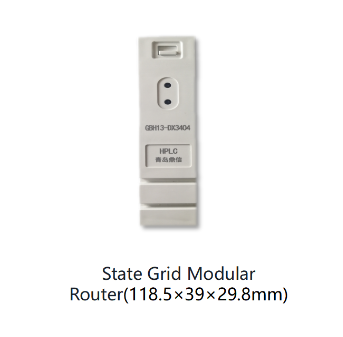
Advanced Metering Infrastructure (AMI) systems have revolutionized utility management by enabling real-time data collection, remote monitoring, and efficient energy distribution. At the heart of these systems lies a critical technology that ensures seamless communication between smart meters and central management platforms. Low-voltage carrier communication has emerged as the backbone of reliable AMI deployments, offering utilities a proven solution for consistent data transmission across complex electrical grids. Understanding why this technology delivers such dependable performance requires examining its fundamental design principles, resilience mechanisms, and operational advantages in real-world utility environments.
The reliability of low-voltage carrier communication in AMI applications stems from multiple technical and operational factors that distinguish it from alternative communication methods. This technology leverages existing electrical infrastructure to transmit data signals, eliminating the need for separate communication networks while providing robust performance even in challenging environmental conditions. The inherent characteristics of power line communication, combined with advanced modulation techniques and error correction protocols, create a communication framework that utilities worldwide trust for mission-critical metering operations. This article explores the specific reasons why low-voltage carrier communication delivers exceptional reliability for AMI deployments, examining technical foundations, resilience features, implementation advantages, and practical performance factors that make it the preferred choice for modern utility infrastructure.
Technical Foundation of Communication Reliability
Signal Propagation Characteristics in Low-Voltage Networks
The physical properties of electrical distribution networks provide an ideal medium for reliable data transmission through low-voltage carrier communication systems. Unlike wireless signals that must propagate through open air and contend with atmospheric interference, carrier signals travel along conductive pathways that are inherently shielded from many external disruption sources. The copper and aluminum conductors used in electrical distribution create a guided transmission medium that contains and directs communication signals with minimal radiation loss. This fundamental advantage means that low-voltage carrier communication experiences predictable attenuation patterns rather than the random fading common in wireless systems.
The frequency bands utilized by low-voltage carrier communication are specifically selected to minimize interference while maximizing penetration through network impedance variations. Modern implementations typically operate in the CENELEC A-band (3-95 kHz) or narrowband frequencies that experience minimal absorption from household appliances and industrial equipment. These carefully chosen frequency ranges ensure that communication signals can traverse multiple distribution transformers and branch connections while maintaining sufficient signal strength for reliable demodulation at the receiver. The electrical infrastructure itself acts as a natural filter, attenuating high-frequency noise while allowing carrier frequencies to propagate effectively throughout the metering network.
Advanced Modulation and Error Correction Mechanisms
The reliability of low-voltage carrier communication is significantly enhanced by sophisticated modulation techniques that optimize signal robustness in noisy electrical environments. Orthogonal Frequency Division Multiplexing (OFDM) has become the standard approach, dividing the available bandwidth into multiple narrow subcarriers that can independently carry data bits. This multi-carrier architecture provides exceptional resistance to selective frequency fading and impulse noise, as only a small subset of subcarriers may be affected by any single interference event. The remaining clean subcarriers continue transmitting data successfully, allowing the system to maintain communication integrity even when portions of the spectrum experience temporary degradation.
Forward Error Correction (FEC) algorithms implemented in modern low-voltage carrier communication systems add redundancy to transmitted data in mathematically optimized patterns that enable receivers to detect and correct errors without requiring retransmission. Reed-Solomon coding, convolutional coding, and turbo codes work in combination to provide multiple layers of error protection, ensuring that data packets can be successfully reconstructed even when signal quality deteriorates significantly. These error correction capabilities mean that the system can tolerate substantial noise levels and distortion while still delivering accurate metering data to collection points. The combination of robust modulation schemes and powerful error correction creates a communication framework that maintains functionality under conditions that would completely disable simpler transmission technologies.
Network Topology and Redundancy Features
The mesh network architecture commonly employed in low-voltage carrier communication deployments contributes substantially to overall system reliability by providing multiple communication paths between meters and data concentrators. Unlike point-to-point or star topologies that create single points of failure, mesh networks allow data packets to automatically route around failed links or congested segments. Each smart meter in the network can function as a repeater node, forwarding messages from neighboring meters that may not have direct connectivity to the concentrator. This self-healing capability ensures that temporary disruptions in any single communication link do not isolate meters or prevent data collection.
The redundancy inherent in low-voltage carrier communication extends beyond topology to include temporal and frequency diversity mechanisms. Automatic Repeat Request (ARQ) protocols ensure that critical messages are retransmitted if acknowledgment is not received within specified timeframes, while frequency hopping techniques can shift communication to cleaner spectrum segments when interference is detected. Time-division multiplexing allows the system to schedule transmissions during periods of lower electrical noise, typically during nighttime hours when industrial loads are reduced. These layered redundancy approaches work synergistically to guarantee that metering data reaches collection points reliably, even when individual transmission attempts encounter obstacles.
Resilience Against Environmental and Operational Challenges
Performance in Adverse Weather Conditions
One of the most compelling reasons for the reliability of low-voltage carrier communication in AMI systems is its exceptional performance during adverse weather events that typically disrupt wireless communication technologies. Lightning strikes, heavy precipitation, snow accumulation, and atmospheric electrical activity that severely degrade radio frequency transmissions have minimal impact on carrier signals traveling through electrical conductors. The physical containment of communication signals within the power distribution infrastructure shields them from weather-related interference, ensuring continuous metering operations during storms, extreme temperatures, and other environmental challenges that utilities must navigate.
Unlike wireless AMI systems that may experience significant range reduction during rain or fog due to signal absorption and scattering, low-voltage carrier communication maintains consistent performance regardless of atmospheric conditions. This weather independence proves particularly valuable for utilities operating in regions with harsh climates or frequent severe weather events, where continuous metering visibility remains critical for operational decision-making and customer service. The ability to maintain communication integrity during outage events allows utilities to rapidly assess impact scope, prioritize restoration efforts, and verify service restoration without deploying field personnel to manually read meters or check system status.
Immunity to Radio Frequency Interference
The guided transmission medium used by low-voltage carrier communication provides inherent protection against the radio frequency interference that plagues wireless communication systems in urban and industrial environments. Low-voltage carrier communication operates in a fundamentally different physical domain, utilizing the electrical distribution network rather than the electromagnetic spectrum, which eliminates competition with wireless services and ensures dedicated communication capacity for metering operations.
Industrial facilities, commercial buildings, and dense residential areas generate substantial electromagnetic noise that can make wireless AMI deployment challenging or impossible without extensive site surveys and custom engineering. Low-voltage carrier communication systems function reliably in these electromagnetically hostile environments because the electrical infrastructure itself acts as a shield, preventing external RF emissions from coupling into the communication channel. This immunity to RF interference makes carrier-based AMI particularly suitable for deployment in urban cores, industrial parks, and other locations where wireless technologies struggle to maintain consistent connectivity. The result is a communication infrastructure that requires minimal site-specific adaptation and delivers uniform performance across diverse deployment environments.
Resistance to Physical Tampering and Security Threats
The reliability of low-voltage carrier communication extends to security domains, where the technology offers inherent advantages against tampering and unauthorized access compared to wireless alternatives. Wireless communication signals radiate omnidirectionally and can be intercepted from considerable distances using relatively simple equipment, creating potential vulnerabilities for data theft or meter manipulation. Low-voltage carrier communication confines signals within electrical conductors, requiring physical access to the distribution system to intercept transmissions. This containment significantly raises the difficulty and risk for potential attackers, as tapping into electrical infrastructure requires specialized equipment and creates detectable disturbances that utility monitoring systems can identify.
Modern low-voltage carrier communication implementations incorporate advanced encryption protocols that protect metering data during transmission, with authentication mechanisms preventing unauthorized devices from joining the network or injecting false information. The combination of physical signal containment and cryptographic protection creates multiple security layers that make carrier-based AMI substantially more resistant to cyber threats than systems relying solely on wireless transmission security measures. For utilities concerned about critical infrastructure protection and customer privacy, the enhanced security posture of low-voltage carrier communication represents a compelling reliability advantage that extends beyond simple data delivery to encompass operational integrity and regulatory compliance.
Implementation Advantages Contributing to Operational Reliability
Infrastructure Leverage and Deployment Simplicity
A fundamental reason for the reliability of low-voltage carrier communication in AMI applications is the technology's ability to leverage existing electrical distribution infrastructure without requiring new physical installations. Utilities do not need to construct tower networks, install additional antennas, or establish line-of-sight paths between communication endpoints. The electrical conductors already connecting every metered endpoint provide a ready-made communication medium that requires only the addition of coupling equipment and intelligent endpoints. This infrastructure reuse eliminates many failure modes associated with purpose-built communication networks, such as antenna damage, cable cuts on separate communication lines, or equipment exposure to vandalism.
The deployment simplicity of low-voltage carrier communication directly enhances system reliability by reducing installation complexity and minimizing opportunities for configuration errors. Technicians installing carrier-based smart meters follow straightforward procedures that mirror traditional meter replacement workflows, connecting devices to existing electrical connections without complex antenna alignment, propagation modeling, or site-specific RF optimization. This operational simplicity means that installation quality remains consistently high across thousands of endpoints, reducing the variance in system performance that can occur with more complex deployment requirements. The result is a communication network that functions reliably from initial activation because proper installation is intrinsically easier to achieve and verify.
Consistent Performance Across Network Topology Variations
Low-voltage carrier communication delivers reliable performance across the diverse topology variations found in real-world electrical distribution networks, from overhead lines to underground cables, from densely metered apartment buildings to spread-out rural installations. The technology adapts automatically to these physical infrastructure differences through adaptive modulation and power control mechanisms that optimize transmission parameters based on measured channel conditions. Unlike wireless systems that may require different equipment types or network designs for varying deployment densities and coverage areas, low-voltage carrier communication uses consistent hardware across diverse environments, simplifying maintenance and ensuring predictable operational characteristics.
The topology independence of low-voltage carrier communication proves particularly valuable during network expansion or modification, as new meters can be added to existing communication networks without redesigning coverage plans or upgrading infrastructure. When utilities extend service to new developments or replace aging meters in established areas, the carrier communication system automatically incorporates new endpoints into the mesh network without manual configuration or propagation testing. This plug-and-play expandability ensures that system reliability remains consistent as networks grow and evolve, avoiding the performance degradation that can occur when wireless systems approach capacity limits or when new installations create RF interference with existing deployments.
Reduced Dependence on External Service Providers
The operational independence of low-voltage carrier communication from external communication service providers represents a significant reliability advantage for utilities implementing AMI systems. Wireless AMI solutions that depend on cellular networks or other commercial communication services introduce dependencies on infrastructure that utilities do not control and cannot directly maintain. Service outages, network congestion, contract disputes, or business failures affecting communication providers can disrupt metering operations for utilities that rely on third-party networks. Low-voltage carrier communication eliminates these external dependencies by creating a utility-owned and operated communication infrastructure that delivers metering data without traversing networks managed by other entities.
This operational autonomy extends to long-term reliability considerations, as utilities do not face technology transitions or service discontinuations imposed by communication providers pursuing different strategic priorities. The 2G and 3G cellular network shutdowns that forced premature replacement of wireless metering equipment illustrate the risks of depending on external communication technologies that utilities cannot influence. Low-voltage carrier communication systems operate on electrical infrastructure that utilities maintain and control, ensuring that communication capabilities remain available as long as electrical service continues, without vulnerability to decisions made by entities with potentially conflicting interests or different operational timelines.
Practical Performance Factors in AMI Operations
Data Collection Completeness and Timeliness
The reliability of low-voltage carrier communication directly manifests in exceptional data collection performance metrics that utilities achieve in operational AMI deployments. Modern carrier-based systems routinely report read success rates exceeding 99.5%, meaning that virtually all meters transmit consumption data successfully during each scheduled collection cycle. This completeness level proves critical for billing accuracy, load forecasting, demand response programs, and operational analytics that depend on comprehensive network visibility. The consistent delivery of metering data from every endpoint eliminates the estimation requirements and customer complaints that arise when communication gaps prevent reading specific meters.
The timeliness advantages of low-voltage carrier communication contribute substantially to its reliability value proposition for utilities implementing advanced grid management strategies. Carrier systems deliver meter readings with minimal latency, typically completing network-wide data collection within minutes rather than hours, enabling near-real-time visibility of consumption patterns and system conditions. This rapid data availability supports time-sensitive applications such as outage detection, voltage monitoring, and demand response verification that require current information rather than historical data. The combination of collection completeness and delivery speed creates an information foundation that utilities can confidently use for operational decision-making and customer engagement without concerns about data gaps or staleness degrading analytical validity.
Long-Term Performance Stability and Maintenance Requirements
The reliability of low-voltage carrier communication extends across multi-decade operational timescales, with deployed systems demonstrating stable performance characteristics that require minimal ongoing intervention or adjustment. Unlike wireless technologies susceptible to spectrum congestion as device populations increase or requiring periodic retuning as RF environments evolve, carrier communication systems operate in a relatively stable electrical infrastructure environment that changes gradually with predictable patterns. The communication medium itself—the electrical distribution network—undergoes continuous utility maintenance and improvement, ensuring that the physical foundation for data transmission remains in excellent condition without requiring separate communication infrastructure upkeep.
The maintenance advantages of low-voltage carrier communication reduce operational costs while enhancing reliability by minimizing opportunities for human error or neglected upkeep to degrade system performance. Carrier-based smart meters contain no external antennas to corrode or misalign, no battery-powered transmitters requiring replacement, and no licensed spectrum coordination requiring periodic renewal. The communication electronics integrate seamlessly into standard meter housings with no exposed components vulnerable to physical damage or environmental degradation. This maintenance simplicity means that utilities can focus resources on electrical infrastructure maintenance rather than managing parallel communication systems, with confidence that metering communication capabilities will continue functioning reliably throughout the rated equipment lifetime without specialized interventions.
Scalability Without Performance Degradation
A critical reliability consideration for AMI systems involves performance characteristics as network size increases from initial deployments to complete service territory coverage. Low-voltage carrier communication scales effectively from pilot projects to million-endpoint deployments without the capacity constraints or interference accumulation that can affect wireless technologies as device density increases. The electrical distribution network provides abundant communication capacity that multiple meters can share through time-division multiplexing and intelligent channel access protocols, ensuring that adding new endpoints does not reduce performance for existing meters or create congestion that delays data collection.
The scalability advantages of low-voltage carrier communication prove particularly valuable for utilities implementing phased AMI deployments that span multiple years, as early installations continue performing reliably even as meter populations grow substantially. Unlike wireless systems where early deployments may enjoy excellent performance due to light spectrum loading but experience degradation as more devices activate, carrier communication maintains consistent characteristics throughout deployment progression. This performance stability allows utilities to confidently project long-term operational characteristics based on pilot results without concerns that full-scale deployment will reveal capacity limitations or interference problems that compromise system reliability after substantial investment commitments.
FAQ
What makes low-voltage carrier communication more reliable than wireless alternatives for AMI?
Low-voltage carrier communication offers superior reliability compared to wireless alternatives primarily because signals travel through the contained electrical distribution infrastructure rather than propagating through open air. This guided transmission eliminates weather-related interference, RF congestion, and many physical obstacles that degrade wireless performance. The electrical network itself provides shielding from external interference sources while delivering predictable signal propagation characteristics. Additionally, mesh network topologies with multiple routing paths and advanced error correction protocols ensure data delivery even when individual transmission attempts encounter problems, creating redundancy layers that wireless point-to-multipoint systems typically cannot match.
How does low-voltage carrier communication maintain performance during power outages?
During power outages, low-voltage carrier communication systems incorporated into smart meters typically continue operating through internal battery backup that maintains communication capabilities for critical outage reporting and restoration verification functions. The meters can transmit last-gasp messages when power fails, immediately alerting utilities to outage events and their geographic extent. As power restoration progresses through the affected area, meters automatically send restoration confirmations through the carrier communication network, allowing utilities to verify service return without manual checks. This outage communication capability provides substantial operational value by enabling rapid damage assessment and restoration verification that traditional metering systems cannot support.
Can low-voltage carrier communication work with all types of electrical distribution infrastructure?
Low-voltage carrier communication functions effectively across diverse electrical distribution configurations, including overhead lines, underground cables, single-phase and three-phase networks, and various voltage levels within the low-voltage classification. The technology adapts automatically to different infrastructure characteristics through adaptive modulation schemes that optimize transmission parameters based on measured channel conditions. While extremely long distribution runs or unusual network topologies may require repeaters or signal conditioning in specific cases, modern carrier communication systems handle the vast majority of real-world distribution configurations without special accommodation. Utilities should conduct pre-deployment assessments to identify any unusual infrastructure characteristics requiring attention, but typical distribution networks support carrier communication reliably without modification.
What encryption and security features protect low-voltage carrier communication systems?
Modern low-voltage carrier communication implementations incorporate multiple security layers including AES-128 or AES-256 encryption for data transmission, mutual authentication protocols preventing unauthorized devices from joining networks, and secure key management systems distributing and updating cryptographic credentials. The physical containment of signals within electrical infrastructure provides an additional security advantage by requiring attackers to gain physical access to distribution systems rather than simply monitoring wireless transmissions from public areas. Many implementations also include intrusion detection capabilities that identify anomalous communication patterns potentially indicating tampering attempts, allowing utilities to investigate suspicious activity before security compromises occur. These comprehensive security features ensure that metering data remains confidential and network integrity is preserved against both physical and cyber threats.
Table of Contents
- Technical Foundation of Communication Reliability
- Resilience Against Environmental and Operational Challenges
- Implementation Advantages Contributing to Operational Reliability
- Practical Performance Factors in AMI Operations
-
FAQ
- What makes low-voltage carrier communication more reliable than wireless alternatives for AMI?
- How does low-voltage carrier communication maintain performance during power outages?
- Can low-voltage carrier communication work with all types of electrical distribution infrastructure?
- What encryption and security features protect low-voltage carrier communication systems?