EN
EN



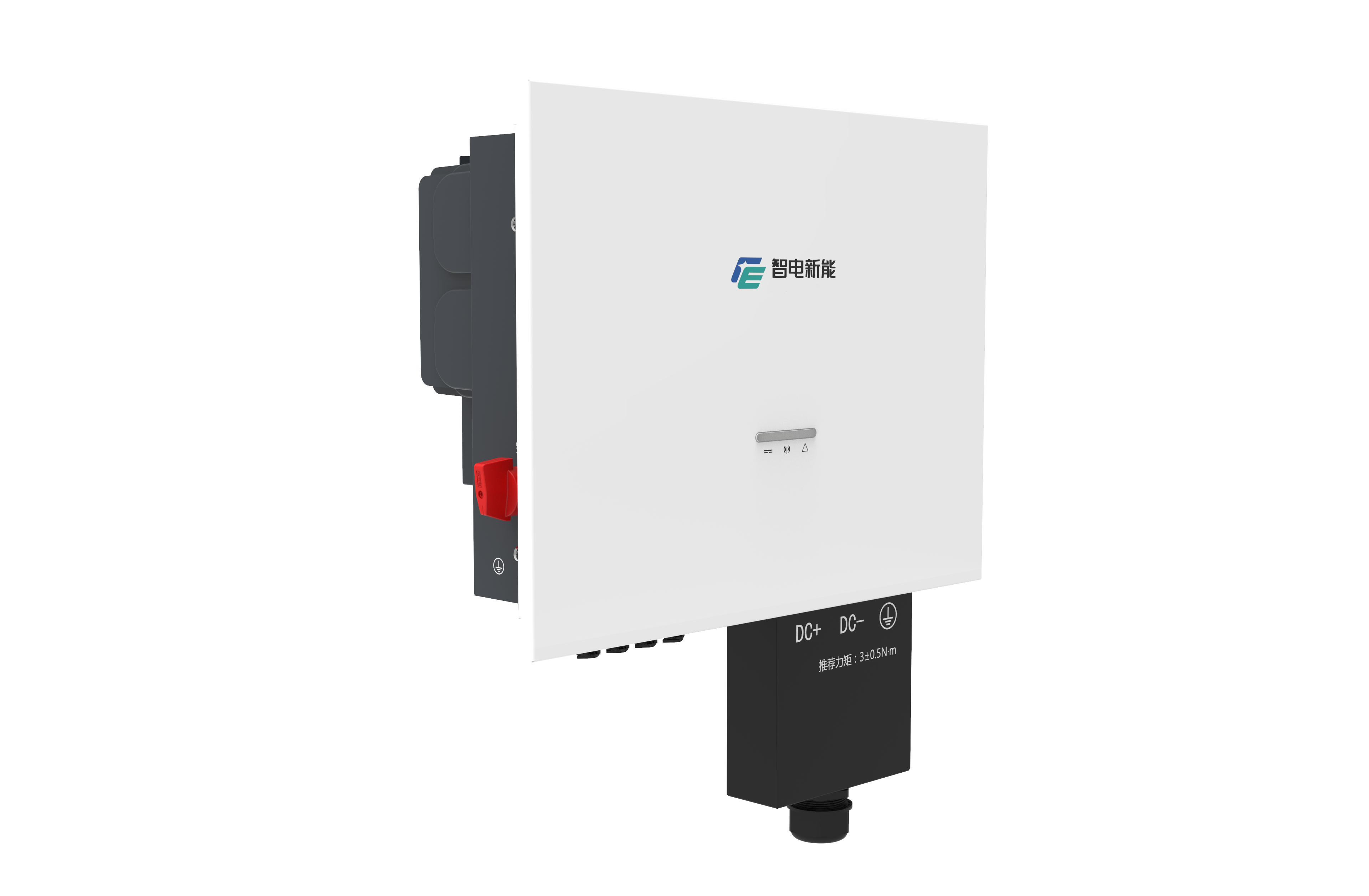
Solar energy systems have become increasingly sophisticated, with photovoltaic inverter technology playing a pivotal role in maximizing power generation. As the bridge between solar panels and the electrical grid, these devices determine how effectively captured sunlight converts into usable electricity. Understanding the mechanisms through which photovoltaic inverter solutions enhance system performance reveals why selecting the right inverter architecture can mean the difference between adequate and exceptional energy output. Modern inverter designs incorporate advanced control algorithms, intelligent monitoring capabilities, and adaptive power management strategies that directly address the efficiency losses historically associated with solar installations.
The efficiency improvement process begins at the photovoltaic inverter's core function: converting direct current from solar panels into alternating current while minimizing conversion losses. However, modern solutions extend far beyond basic power conversion. They actively optimize voltage levels, dynamically respond to changing irradiance conditions, and implement maximum power point tracking algorithms that continuously adjust operating parameters. These capabilities work in concert to extract more energy from solar arrays under varying weather conditions, shading scenarios, and temperature fluctuations. By examining how each technological component contributes to overall system performance, facility managers and solar project developers can make informed decisions that maximize their renewable energy investments over decades of operational life.
Conversion Efficiency Optimization Through Advanced Circuit Design
High-Frequency Switching Topologies
The fundamental efficiency of a photovoltaic inverter depends heavily on its internal circuit architecture. Traditional transformer-based designs introduced significant resistive losses and magnetic core losses that reduced overall conversion rates. Modern high-frequency switching topologies eliminate these inefficiencies by operating at frequencies between twenty and one hundred kilohertz, allowing for smaller magnetic components and reduced conduction losses. This design approach enables conversion efficiencies exceeding ninety-eight percent under optimal conditions, meaning only a minimal fraction of captured solar energy dissipates as heat during the DC-to-AC transformation process.
Silicon carbide and gallium nitride semiconductor devices further enhance switching performance by reducing transition times and minimizing resistive losses during conduction states. These wide-bandgap materials withstand higher temperatures and voltage stresses than traditional silicon components, permitting more compact designs with improved thermal management. The resulting photovoltaic inverter units generate less waste heat, require smaller cooling systems, and maintain consistent efficiency across broader operating temperature ranges. This thermal stability proves particularly valuable in commercial and utility-scale installations where ambient temperatures fluctuate significantly throughout daily cycles and seasonal variations.
Multi-Level Power Conversion Stages
Sophisticated photovoltaic inverter solutions implement multi-level conversion architectures that divide the transformation process into discrete voltage stages. Rather than converting directly from panel voltage to grid voltage in a single step, these systems use intermediate DC bus levels that reduce switching stress on individual components. This staged approach minimizes harmonic distortion in the output waveform, reducing filtering requirements and improving power quality delivered to connected loads or the utility grid. Cleaner output waveforms mean less energy wasted in reactive power compensation and reduced stress on downstream electrical equipment.
The multi-level topology also enables finer control over voltage regulation during grid fluctuations or load variations. By adjusting the contribution from each conversion stage independently, the inverter maintains stable output characteristics even when input conditions from the solar array vary dramatically. This dynamic response capability prevents efficiency drops during partial cloud cover or morning and evening hours when irradiance levels change rapidly. For installations in regions with frequent weather transitions or complex shading patterns, this architectural advantage translates directly into measurable increases in annual energy production compared to simpler single-stage conversion systems.
Maximum Power Point Tracking Algorithms
Adaptive Scanning and Settling Techniques
Every solar panel exhibits a unique current-voltage relationship that varies continuously based on temperature, irradiance, and cell degradation. The photovoltaic inverter must identify and maintain operation at the maximum power point where the product of voltage and current reaches its peak value. Advanced tracking algorithms employ perturb-and-observe methods that make small adjustments to operating voltage while monitoring resulting power changes. When power increases, the algorithm continues adjusting in the same direction; when power decreases, it reverses course. This continuous optimization process ensures the inverter extracts maximum available energy from the connected array under all operating conditions.
Modern implementations enhance basic tracking with adaptive step sizes that balance response speed against stability. During rapid irradiance changes, the algorithm uses larger voltage perturbations to quickly locate the new maximum power point. Once conditions stabilize, step sizes reduce to minimize oscillation around the optimal operating point. This intelligent adjustment strategy prevents the efficiency losses associated with both sluggish response during transient conditions and excessive hunting behavior during steady-state operation. The result is a photovoltaic inverter that consistently operates within percentage points of theoretical maximum power extraction across diverse environmental scenarios.
Multiple Peak Detection Capabilities
Partial shading creates multiple local maximum power points in the array's combined current-voltage characteristic, complicating the tracking process. A simple algorithm may settle on a suboptimal local maximum while a higher-power operating point exists elsewhere on the curve. Advanced photovoltaic inverter solutions implement global scanning routines that periodically survey the entire voltage range to identify the true maximum power point. These sophisticated algorithms distinguish between local peaks caused by shading patterns and the global maximum that delivers optimal performance.
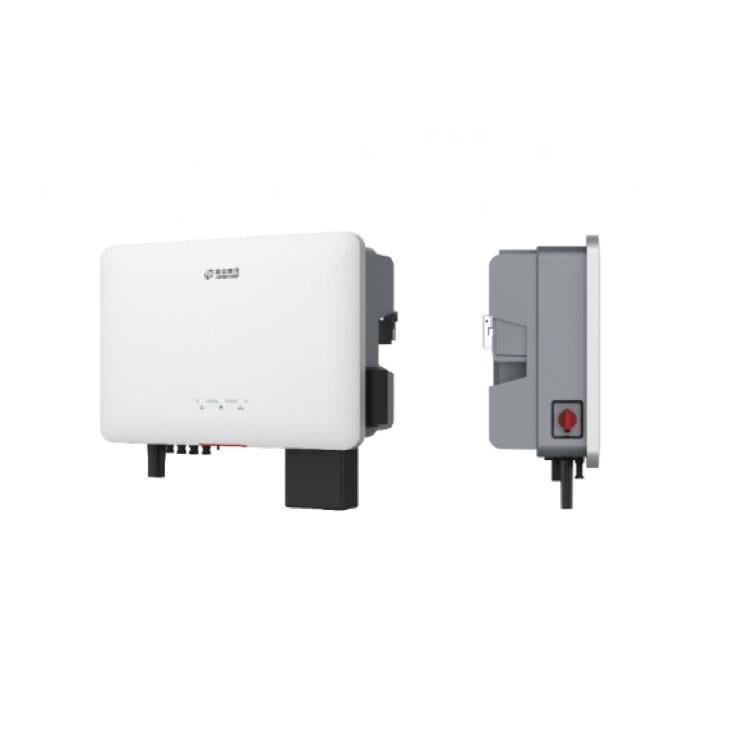
The scanning process itself consumes minimal time and energy because modern microprocessors execute voltage sweeps in milliseconds. During this brief interval, the system may operate at reduced efficiency, but the energy penalty proves negligible compared to the sustained gains achieved by locating the correct operating point. For commercial rooftop installations or ground-mount arrays near trees or structures, this multiple-peak detection capability can improve annual energy harvest by five to fifteen percent compared to inverters lacking this feature. The technology proves especially valuable in urban environments where shading patterns change throughout the day as the sun's position shifts relative to surrounding buildings.
Dynamic Grid Interaction and Power Quality Management
Voltage and Frequency Regulation Support
Modern photovoltaic inverter systems function as active grid participants rather than passive power sources. They continuously monitor grid voltage and frequency parameters, adjusting their output characteristics to support stability. When grid voltage sags below nominal levels, the inverter can inject reactive power to help restore proper voltage levels in the local distribution network. Conversely, during overvoltage conditions, it absorbs reactive power to prevent excessive voltage rise. This voltage support capability reduces losses throughout the distribution system by maintaining optimal operating conditions for all connected equipment and minimizing reactive current flow through transformers and transmission lines.
Frequency regulation functions similarly enhance overall grid efficiency. The photovoltaic inverter can temporarily adjust its real power output in response to frequency deviations, providing inertial response that traditionally came only from rotating generators. When frequency drops indicate insufficient generation capacity, the inverter can briefly increase output beyond the solar array's instantaneous production by drawing from integrated storage systems or temporarily operating in an overload region. When frequency rises above nominal, output reduction prevents generator overspeeding and associated efficiency losses. These grid-supportive functions become increasingly important as solar penetration levels rise and conventional generation sources retire.
Harmonic Filtering and Power Factor Optimization
The switching process within a photovoltaic inverter inherently generates harmonic frequencies that can propagate into the grid and cause losses in motors, transformers, and other inductive equipment. High-quality inverter designs incorporate active filtering techniques that inject compensating harmonic currents to cancel distortion before it reaches the grid connection point. By maintaining total harmonic distortion below regulatory limits, these systems prevent efficiency degradation in neighboring equipment and avoid the need for external passive filters that would introduce additional resistive losses.
Power factor management represents another critical efficiency consideration. A photovoltaic inverter operating at unity power factor delivers only real power to the grid, minimizing current flow for a given power transfer. Lower power factors require higher currents to deliver the same real power, increasing resistive losses in cables, transformers, and switchgear throughout the distribution system. Advanced inverter controls maintain power factors above 0.95 across varying load conditions, with many designs capable of adjustable power factor operation to meet utility requirements or optimize for specific installation characteristics. This attention to power quality translates directly into reduced system losses and improved overall energy delivery efficiency.
Intelligent Monitoring and Diagnostic Functions
Real-Time Performance Analytics
Comprehensive monitoring capabilities within modern photovoltaic inverter platforms enable continuous efficiency assessment and anomaly detection. By comparing actual power output against theoretical values based on measured irradiance and temperature, the system identifies underperformance conditions that indicate soiling, shading, or component degradation. Early detection of these issues allows maintenance teams to address problems before they significantly impact energy production. The monitoring system tracks efficiency trends over time, establishing baseline performance metrics that facilitate predictive maintenance scheduling and optimize cleaning intervals for maximum net energy gain.
String-level monitoring in larger systems provides granular visibility into individual array sections, isolating problems to specific panel groups or circuit paths. When one string underperforms relative to others under identical irradiance conditions, the photovoltaic inverter flags the discrepancy for investigation. This targeted diagnostic capability prevents the common scenario where a single failed component or connection issue degrades entire array sections for extended periods before discovery. The resulting improvement in system availability and sustained peak performance directly enhances long-term energy production and return on investment for solar installations.
Adaptive Control Strategy Refinement
Machine learning algorithms integrated into advanced photovoltaic inverter systems analyze historical performance data to refine control strategies for specific installation characteristics. The system learns typical irradiance patterns, shading schedules, and temperature correlations for its location, adjusting maximum power point tracking sensitivity and grid interaction parameters accordingly. Over weeks and months of operation, these adaptive refinements eliminate inefficiencies caused by generic factory settings that cannot account for site-specific conditions affecting a particular installation.
Weather forecasting integration further enhances efficiency optimization by enabling proactive control adjustments. When cloud cover is predicted, the photovoltaic inverter can adjust its tracking algorithm parameters to respond more aggressively to rapid irradiance changes. During extended clear periods, it can reduce scanning frequency to minimize perturbation losses. This predictive approach to control optimization represents the cutting edge of inverter technology, extracting additional fractional efficiency gains that accumulate significantly over annual and lifetime operational periods. For large commercial and utility-scale installations, these marginal improvements translate into substantial additional revenue and accelerated payback periods.
System-Level Architecture Considerations
Centralized Versus Distributed Topologies
The physical arrangement of photovoltaic inverter equipment significantly impacts overall system efficiency through its effect on DC cabling losses and mismatch effects. Centralized architectures connect large arrays to single high-power inverters, minimizing inverter count and associated overhead costs but requiring extensive DC cabling that introduces resistive losses. Distributed designs place smaller inverters throughout the array, reducing cable lengths and losses but multiplying equipment count. Modern microinverter and power optimizer solutions represent the extreme of distribution, with individual panel-level conversion or optimization that virtually eliminates mismatch losses from shading or module performance variation.
The optimal architecture depends on specific installation characteristics. Utility-scale ground-mount arrays with minimal shading benefit from centralized photovoltaic inverter stations that achieve maximum equipment efficiency through scale. Commercial rooftop installations with complex roof geometry and frequent shading require distributed approaches to prevent localized underperformance from dragging down entire string outputs. Sophisticated project design considers cable sizing, inverter loading factors, and expected shading patterns to select the topology delivering maximum energy harvest at acceptable installed cost. This system-level optimization proves as important as individual component efficiency in determining overall solar facility performance.
Integration With Energy Storage Systems
Hybrid photovoltaic inverter solutions that incorporate battery storage interfaces unlock additional efficiency opportunities through strategic charge-discharge scheduling. Rather than immediately exporting all generated power to the grid, these systems can store energy during periods of low wholesale prices or grid congestion, then discharge during high-value intervals. This temporal arbitrage maximizes the economic value of each kilowatt-hour generated, effectively improving financial efficiency even when physical energy conversion efficiency remains constant. The integrated approach also eliminates the conversion losses associated with separate battery inverters, as DC power flows directly from solar panels to battery storage without intermediate AC conversion.
Storage integration enables advanced self-consumption strategies for commercial facilities with demand charges. The photovoltaic inverter can prioritize building load supply over grid export, storing excess generation for use during peak demand periods when utility rates spike. By flattening the facility's net power profile, the system reduces both energy and demand charges, improving overall economic efficiency beyond simple energy production metrics. This operational flexibility represents the future direction of photovoltaic inverter technology, where intelligent energy management replaces simple grid synchronization as the primary value proposition.
FAQ
What efficiency improvement can I expect from upgrading to a modern photovoltaic inverter?
Replacing inverters from earlier technology generations with current high-efficiency models typically delivers three to seven percent improvements in annual energy production, though specific gains depend on your installation's characteristics. Sites with frequent shading, complex array geometry, or partial cloud conditions see the largest improvements from advanced maximum power point tracking and multiple peak detection capabilities. Even installations with ideal conditions benefit from reduced conversion losses in modern semiconductor designs and improved thermal management that maintains efficiency across temperature extremes. Over a twenty-five year system lifetime, these efficiency gains compound significantly, often justifying upgrade investments through increased energy revenue and extended equipment operational life.
How does photovoltaic inverter efficiency vary throughout the day?
Inverter efficiency typically peaks when operating between twenty and eighty percent of rated capacity, with slight reductions at very low and maximum power levels. Morning and evening hours when irradiance is low result in reduced efficiency due to fixed overhead losses becoming proportionally larger relative to processed power. Modern designs minimize this effect through multi-stage power processing that can deactivate conversion sections during low-power operation, maintaining efficiency across broader loading ranges. Midday peak production periods operate at optimal efficiency points where conversion losses represent the smallest fraction of throughput power. Understanding this daily efficiency variation helps in sizing decisions, as moderately oversized inverters may sacrifice some peak-hour clipping to achieve better efficiency during extended shoulder periods.
Can inverter efficiency improvements compensate for panel degradation over time?
While photovoltaic inverter efficiency improvements cannot directly reverse panel degradation, upgrading to advanced inverters during system lifetime can partially offset production declines from aging panels. Modern maximum power point tracking algorithms extract more energy from degraded panels by better accommodating their shifted electrical characteristics. Enhanced monitoring capabilities identify underperforming panels for targeted replacement, preventing them from dragging down string performance in series configurations. The combination of improved conversion efficiency and better system management can recover two to four percent of annual production that would otherwise be lost, effectively buying additional years of optimal performance from aging arrays before comprehensive panel replacement becomes necessary.
Do photovoltaic inverter solutions improve efficiency during partial cloud conditions?
Advanced inverter designs significantly improve performance during variable irradiance conditions through rapid maximum power point tracking response and predictive algorithms. When clouds create rapidly changing light levels, traditional inverters may lag behind optimal operating points, losing potential generation during transition periods. Modern systems with adaptive tracking parameters and high-speed digital controllers maintain operation within percentage points of maximum available power even during second-to-second irradiance swings. For installations in climates with frequent scattered clouds, this capability can improve annual energy harvest by five to twelve percent compared to inverters with slower response characteristics. The efficiency advantage proves most pronounced in spring and fall seasons when weather patterns create the most variable solar resource conditions.
Table of Contents
- Conversion Efficiency Optimization Through Advanced Circuit Design
- Maximum Power Point Tracking Algorithms
- Dynamic Grid Interaction and Power Quality Management
- Intelligent Monitoring and Diagnostic Functions
- System-Level Architecture Considerations
-
FAQ
- What efficiency improvement can I expect from upgrading to a modern photovoltaic inverter?
- How does photovoltaic inverter efficiency vary throughout the day?
- Can inverter efficiency improvements compensate for panel degradation over time?
- Do photovoltaic inverter solutions improve efficiency during partial cloud conditions?