EN
EN



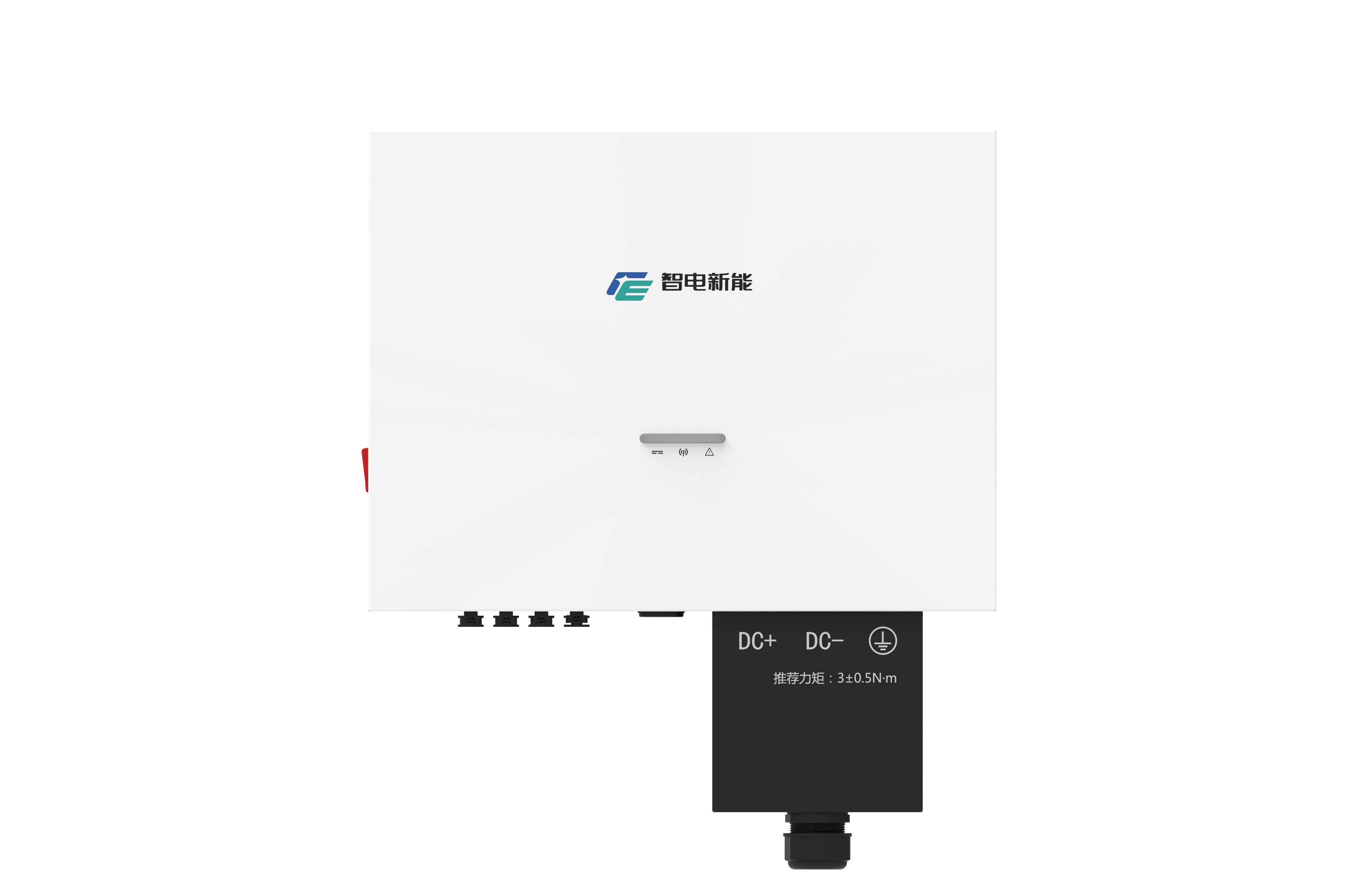
The rapid expansion of renewable energy infrastructure has placed the photovoltaic inverter at the very center of modern power management. As solar installations grow in scale and complexity, the demand for intelligent, adaptable energy conversion technology has never been greater. Understanding why a photovoltaic inverter plays such a foundational role in smart new energy systems is essential for engineers, procurement specialists, and facility managers who are shaping tomorrow's grid-connected or off-grid environments.
A photovoltaic inverter does far more than simply convert direct current from solar panels into alternating current suitable for household or industrial use. In a smart new energy system, it serves as an intelligent gateway between power generation, storage, grid interaction, and consumption. This article explores the specific reasons why the photovoltaic inverter is indispensable in the evolving landscape of smart energy, addressing performance, control, grid compatibility, and system intelligence in depth.
The Core Function of a Photovoltaic Inverter in New Energy Architecture
Energy Conversion as the Foundation of System Performance
At its most fundamental level, the photovoltaic inverter is responsible for transforming the variable DC output of solar panels into stable, usable AC power. Solar panels produce electricity that fluctuates with irradiance levels, temperature changes, and shading conditions. Without a high-performance photovoltaic inverter, this unstable energy stream cannot be safely or efficiently delivered to loads or fed into the utility grid.
The efficiency of this conversion process has a direct and measurable impact on the overall yield of any solar installation. Even a marginal improvement in inverter efficiency — from 95% to 98%, for example — can translate into thousands of kilowatt-hours of additional energy output over the lifetime of a large commercial or industrial system. This makes the selection and quality of the photovoltaic inverter one of the most financially consequential decisions in a new energy project.
Modern photovoltaic inverter designs also incorporate advanced Maximum Power Point Tracking (MPPT) algorithms that continuously adjust operating parameters to extract the maximum available power from the solar array under any given condition. This real-time optimization is critical for maintaining high system yields throughout the day and across changing seasons.
Integration with Battery Storage and Hybrid Architectures
Smart new energy systems increasingly combine solar generation with battery storage to enable energy independence, peak shaving, and backup power capabilities. In these hybrid configurations, the photovoltaic inverter must manage bidirectional energy flows — directing surplus solar energy into storage during the day and drawing from batteries to supply loads when generation falls short.
A photovoltaic inverter that supports hybrid operation must coordinate charge cycles, state-of-charge monitoring, and load prioritization simultaneously. This level of coordination requires sophisticated embedded control logic and reliable communication protocols. Systems that lack this integration capability are unable to fully capitalize on the economic and reliability benefits that battery storage can provide.
The ability of the photovoltaic inverter to interface seamlessly with different battery chemistries — including lithium-ion, lead-acid, and emerging solid-state technologies — is an important consideration as battery markets continue to evolve. Flexibility in this regard protects long-term investment value and simplifies future system upgrades.
Why Intelligent Control Systems Define the Modern Photovoltaic Inverter
Flexible Control as a Competitive Requirement
The term 'smart' in smart new energy systems is not merely a marketing label. It represents a genuine shift toward digitally controlled, data-driven infrastructure where every component — including the photovoltaic inverter — must be capable of receiving commands, reporting operational data, and adapting behavior in real time. Flexible control systems embedded within the inverter are what make this possible.
Flexible control refers to the inverter's ability to adjust its operating mode, output characteristics, and grid interaction parameters based on external signals or pre-programmed logic. For example, a photovoltaic inverter with flexible control can throttle its output in response to grid frequency deviations, shift to island mode during a grid outage, or increase export during periods of high energy prices. These capabilities are not optional in advanced installations — they are expected as baseline requirements by grid operators and energy management platforms.
In industrial and commercial settings, where energy costs are significant and demand response programs are increasingly common, the flexible control capability of a photovoltaic inverter can generate measurable financial returns beyond simple energy savings. The ability to participate in demand response, virtual power plant schemes, or ancillary services markets depends entirely on how capable and responsive the inverter's control architecture is.
Communication Protocols and System Interoperability
A photovoltaic inverter operating in a smart energy environment must communicate effectively with energy management systems, monitoring platforms, smart meters, and grid control interfaces. This requires support for standardized communication protocols such as Modbus, CAN bus, RS-485, or Ethernet-based systems. The choice of protocol affects how seamlessly the inverter integrates into existing infrastructure and how easily it can be monitored and controlled remotely.
Interoperability is a growing concern as new energy systems become more complex and multi-vendor. A photovoltaic inverter that adheres to open standards and supports multiple communication interfaces reduces integration risk and simplifies system commissioning. It also allows operators to aggregate data from multiple inverter units into centralized dashboards, enabling fleet-level monitoring and proactive maintenance.
Remote firmware updates, fault diagnostics, and parameter adjustments conducted through the communication interface further reduce operational costs and minimize downtime. This is particularly valuable in utility-scale or distributed energy installations where on-site service visits are costly and logistically complex.
Grid Compatibility and Regulatory Compliance
Meeting Grid Code Requirements Through Advanced Inverter Features
Grid operators around the world have significantly tightened technical requirements for solar installations, particularly regarding the behavior of the photovoltaic inverter under abnormal grid conditions. Modern grid codes require inverters to provide reactive power support, maintain operation during voltage dips (low voltage ride-through), and contribute to frequency regulation. Failing to meet these requirements can prevent a project from obtaining grid connection approval.
A compliant photovoltaic inverter must be capable of adjusting its power factor dynamically, injecting or absorbing reactive power as directed by the grid operator, and maintaining stable output across a wide range of grid voltage and frequency conditions. These features are not standard in entry-level inverter products and represent a meaningful point of differentiation for high-quality, grid-aware solutions.
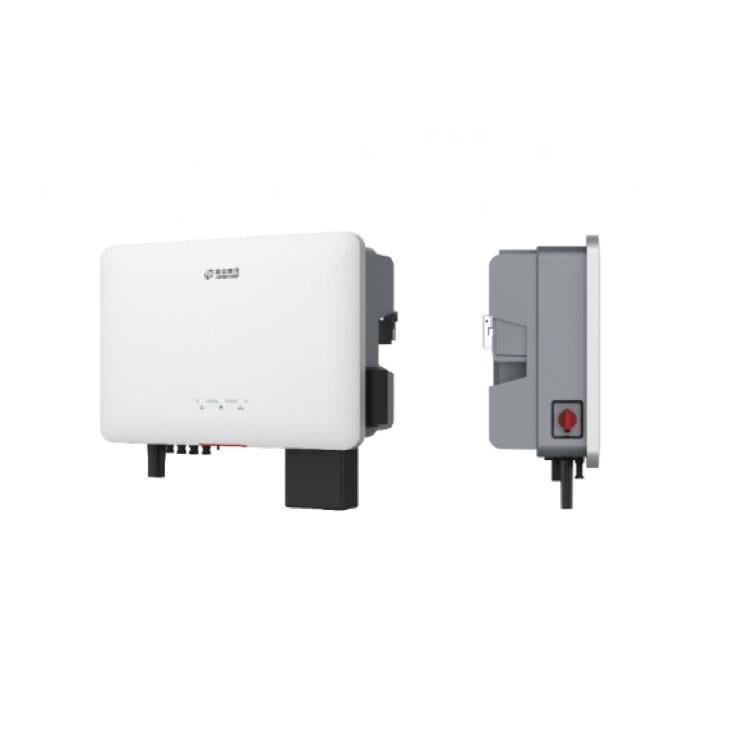
Regulatory compliance is not a one-time event. Grid codes are updated periodically, and a photovoltaic inverter with flexible, updatable control firmware is far better positioned to remain compliant over its operational life than one with a fixed, non-upgradeable software platform. This reduces the risk of costly retrofits or premature equipment replacement driven by regulatory changes.
Anti-Islanding Protection and Grid Safety
One of the most critical safety functions of any photovoltaic inverter is anti-islanding protection. This refers to the inverter's ability to detect when the utility grid has been disconnected — due to a fault or planned maintenance — and immediately cease power export to prevent energizing an otherwise de-energized section of the grid. Failure to implement reliable anti-islanding can endanger utility workers and cause equipment damage.
Advanced anti-islanding algorithms embedded in the photovoltaic inverter must operate quickly and reliably across a wide range of grid conditions, including scenarios where the local load closely matches the solar generation output. These 'balanced' islanding conditions are particularly challenging to detect and require sophisticated detection logic rather than simple passive threshold monitoring.
The reliability of grid safety features in a photovoltaic inverter is non-negotiable from both a regulatory and ethical standpoint. Any organization deploying solar energy at scale must ensure that their chosen inverter platform meets or exceeds the anti-islanding and grid protection standards applicable in their jurisdiction.
Reliability, Lifecycle Value, and System Intelligence
Thermal Management and Long-Term Reliability
A photovoltaic inverter operates continuously, often in harsh outdoor environments with wide temperature swings, humidity, and dust exposure. Its long-term reliability directly affects the total return on investment of a solar installation. Premature inverter failure not only generates costly repair or replacement expenses but also causes revenue losses during periods of generation downtime.
Effective thermal management — through optimized heat sink design, intelligent fan control, and derating strategies during extreme thermal conditions — is a key differentiator in high-quality photovoltaic inverter designs. Systems that allow components to operate consistently within safe temperature ranges experience significantly lower failure rates and longer mean times between failures.
The use of wide-bandgap semiconductor technologies, such as silicon carbide (SiC) devices, in modern photovoltaic inverter power stages has further improved both efficiency and thermal performance. SiC devices switch faster and generate less heat than conventional silicon IGBTs, enabling more compact designs with superior reliability characteristics, which is particularly important for high-power industrial and utility applications.
Data Analytics and Predictive Maintenance Capabilities
Smart new energy systems derive substantial value from operational data. A photovoltaic inverter equipped with onboard data logging and real-time diagnostic capabilities enables operators to track system performance, detect anomalies early, and plan maintenance proactively. This shift from reactive to predictive maintenance has a direct impact on availability rates and lifecycle costs.
By continuously monitoring parameters such as DC input voltage and current, AC output quality, switching frequency, and internal temperatures, the photovoltaic inverter generates a rich stream of operational data. When this data is transmitted to cloud-based analytics platforms, machine learning algorithms can identify patterns that precede component degradation, enabling timely intervention before a failure occurs.
For large-scale operators managing dozens or hundreds of solar installations, the ability to oversee all photovoltaic inverter units through a unified analytics platform dramatically reduces the operational burden and improves overall portfolio performance. This is where the 'smart' dimension of smart new energy systems delivers its most tangible business value.
FAQ
What makes a photovoltaic inverter essential in a smart energy system?
A photovoltaic inverter is essential because it performs the critical function of converting solar-generated DC power into usable AC power while also enabling intelligent grid interaction, energy storage coordination, and real-time system monitoring. Without a capable inverter, a solar installation cannot fully participate in smart grid functions or achieve its potential energy yield.
How does flexible control in a photovoltaic inverter benefit industrial users?
Flexible control allows the photovoltaic inverter to adjust its behavior in response to grid signals, energy prices, or operational commands from an energy management system. For industrial users, this means the ability to participate in demand response programs, optimize self-consumption, and manage peak demand charges — all of which translate into measurable cost savings and operational efficiency.
Why is grid code compliance important when selecting a photovoltaic inverter?
Grid code compliance ensures that the photovoltaic inverter can legally and safely connect to the utility grid and will not be required to undergo costly upgrades when regulations change. Compliant inverters support reactive power control, ride-through capabilities, and anti-islanding protection — all of which are mandated by grid operators in most markets and are critical for project approval and long-term operation.
How does inverter data logging contribute to smart new energy system management?
Onboard data logging in a photovoltaic inverter enables continuous performance tracking, fault history analysis, and predictive maintenance scheduling. When this data is integrated with cloud-based analytics platforms, operators gain actionable insights that improve system availability, extend equipment life, and reduce unplanned downtime — making data logging a key feature for any serious new energy deployment.
Table of Contents
- The Core Function of a Photovoltaic Inverter in New Energy Architecture
- Why Intelligent Control Systems Define the Modern Photovoltaic Inverter
- Grid Compatibility and Regulatory Compliance
- Reliability, Lifecycle Value, and System Intelligence
-
FAQ
- What makes a photovoltaic inverter essential in a smart energy system?
- How does flexible control in a photovoltaic inverter benefit industrial users?
- Why is grid code compliance important when selecting a photovoltaic inverter?
- How does inverter data logging contribute to smart new energy system management?