EN
EN



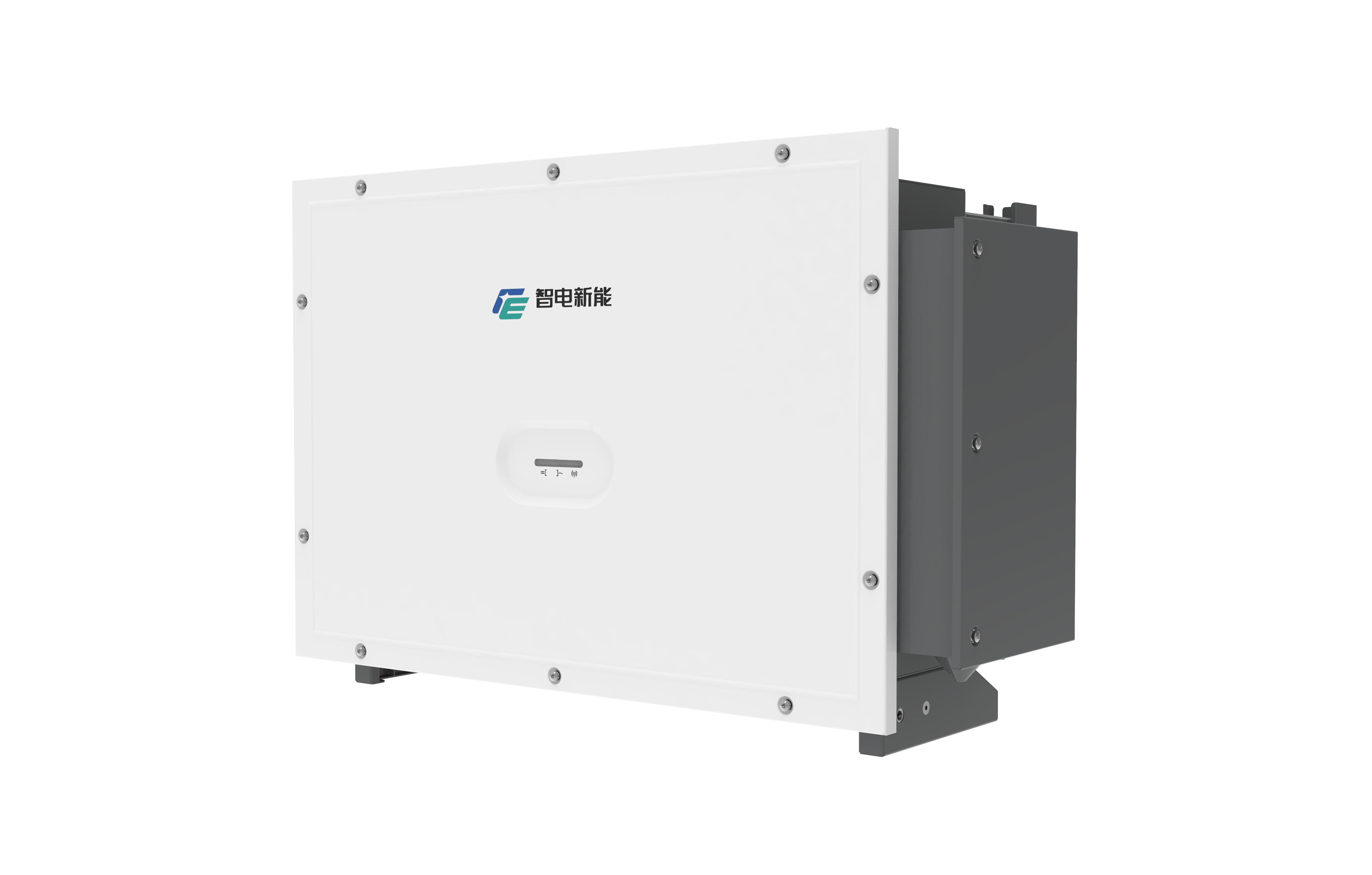
In modern solar energy systems, the photovoltaic inverter stands as one of the most critical components determining how effectively sunlight is converted into usable electricity. While solar panels capture photons and generate direct current, it is the photovoltaic inverter that transforms this raw energy into alternating current compatible with the grid or local loads. Without a high-performing photovoltaic inverter, even the most advanced solar panels will fall short of their energy yield potential. Understanding how this device improves solar power conversion efficiency is essential for any engineer, facility manager, or energy procurement professional looking to maximize return on investment from a solar installation.
The efficiency of a solar power system is not solely determined by panel quality or geographic location. The photovoltaic inverter plays a decisive role in how much of the captured solar energy actually reaches the point of consumption. Modern photovoltaic inverter technology has evolved significantly, incorporating intelligent control algorithms, adaptive tracking mechanisms, and robust power electronics that collectively push conversion efficiency to levels once considered unattainable. This article explores the specific mechanisms through which a photovoltaic inverter enhances solar power conversion efficiency, offering practical insight for B2B decision-makers and technical professionals.
The Role of the Photovoltaic Inverter in Solar Energy Systems
Converting DC to AC with Minimal Loss
The primary function of a photovoltaic inverter is to convert the direct current produced by solar panels into alternating current that can power industrial equipment, commercial facilities, or be fed back into the utility grid. This conversion process inherently involves some level of energy loss, and the efficiency of this transformation is what separates high-performing inverters from average ones. Premium photovoltaic inverter designs use advanced semiconductor switching devices, such as insulated gate bipolar transistors and silicon carbide MOSFETs, to achieve conversion efficiencies exceeding 98 percent under optimal conditions.
Heat dissipation is one of the leading causes of energy loss during DC-to-AC conversion. A well-engineered photovoltaic inverter manages thermal performance through optimized heat sink design, intelligent fan control, and thermally efficient component placement. By keeping operating temperatures within a narrow, controlled range, the inverter sustains high conversion efficiency even under demanding load conditions. This thermal management directly translates into more kilowatt-hours delivered to the load side over the system's lifetime.
Harmonic distortion also affects the quality and usability of converted power. A high-quality photovoltaic inverter minimizes total harmonic distortion through precision switching and output filtering, ensuring that the alternating current produced is clean and compatible with sensitive industrial equipment. Low harmonic distortion reduces reactive power losses and protects downstream electrical components, further contributing to the overall efficiency of the energy system.
System-Level Efficiency Beyond the Device Itself
Efficiency is not only a device-level metric. A photovoltaic inverter influences system-level performance through its interaction with panels, cabling, battery storage, and grid connection points. When the inverter's input voltage range is well matched to the panel string configuration, the system avoids unnecessary energy clipping or underutilization of available solar capacity. Proper sizing and configuration of the photovoltaic inverter relative to the array capacity is therefore a foundational step in maximizing overall energy harvest.
Communication between the photovoltaic inverter and other system components, including monitoring platforms and energy management systems, creates an integrated feedback loop that helps operators identify inefficiencies in real time. This connectivity allows for proactive maintenance scheduling, rapid fault detection, and performance benchmarking that collectively improve the energy yield of the entire solar installation over its operational life.
Maximum Power Point Tracking and Its Impact on Efficiency
How MPPT Algorithms Optimize Energy Harvest
One of the most impactful efficiency-enhancing features embedded in a modern photovoltaic inverter is maximum power point tracking, commonly referred to as MPPT. Solar panels do not produce a fixed output; their voltage and current characteristics shift continuously depending on irradiance levels, cell temperature, and shading conditions. MPPT algorithms continuously scan the power-voltage curve of the solar array and adjust the inverter's operating point to extract the maximum available power at any given moment.
The speed and accuracy of MPPT response directly affect how much energy is harvested throughout the day. A photovoltaic inverter equipped with fast-response MPPT recovers quickly from sudden irradiance changes caused by passing clouds, seasonal angle shifts, or transient shading from nearby structures. In environments with highly variable weather conditions, the difference in energy yield between inverters with slow and fast MPPT can be substantial, sometimes reaching several percentage points over an annual operating cycle.
Multi-channel MPPT is another advancement that improves efficiency in systems where panels face different orientations or experience uneven shading. A photovoltaic inverter with multiple independent MPPT inputs allows each string of panels to operate at its own optimal point, preventing a poorly performing string from dragging down the output of better-performing ones. This granular control is particularly valuable in commercial and industrial rooftop installations where roof geometry creates varied exposure conditions.
Partial Shading Compensation and Energy Recovery
Partial shading is one of the most common causes of efficiency loss in solar installations, and the photovoltaic inverter's ability to handle this condition intelligently separates high-performance systems from mediocre ones. When a portion of a solar array is shaded, the power-voltage curve of the affected string develops multiple local maximum points. A basic inverter may lock onto a suboptimal local peak, leaving significant energy on the table.
Advanced photovoltaic inverter models use global MPPT scanning techniques that sweep the full voltage range to identify the true global maximum power point, even when multiple local maxima are present. This capability ensures that shading events, whether caused by architectural features, vegetation, or soiling, result in the minimum possible energy loss. Over the course of a year in a typical commercial installation, global MPPT can recover a meaningful percentage of energy that simpler inverter designs would otherwise forfeit.
Flexible Control Systems and Adaptive Performance Management
Programmable Control for Variable Operating Conditions
A distinguishing feature of high-efficiency photovoltaic inverter solutions is the integration of flexible, programmable control systems that adapt to the specific operational demands of each installation. Unlike fixed-parameter inverters that operate according to static factory settings, a photovoltaic inverter with a flexible control system can be configured to respond dynamically to grid conditions, load profiles, and environmental variables. This adaptability allows the inverter to maintain peak efficiency across a broader range of operating scenarios than rigid control architectures permit.
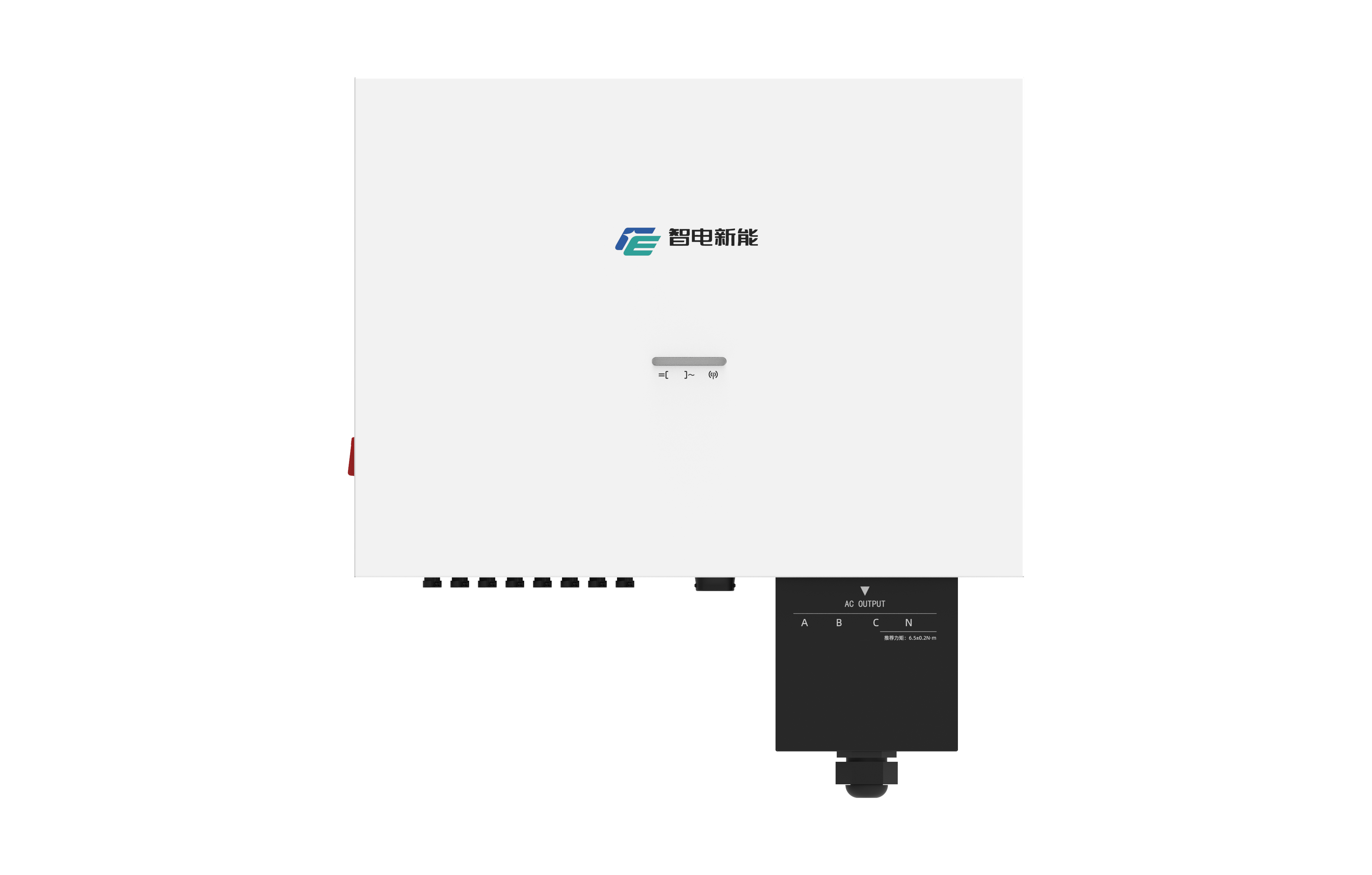
Flexible control also enables reactive power management, voltage ride-through capability, and frequency response functions that are increasingly required by modern grid codes. A photovoltaic inverter that can actively contribute to grid stability provides operators with greater flexibility in project design and helps avoid curtailment orders from grid operators. By participating in grid services, the inverter maximizes the economic and energetic value of each unit of solar energy generated.
Remote firmware upgrades and parameter adjustments further extend the operational relevance of a flexible photovoltaic inverter. As grid requirements evolve and solar array performance characteristics change over time due to panel aging or system expansion, the ability to update inverter behavior without physical intervention reduces operational costs and minimizes downtime. This long-term adaptability is a significant efficiency advantage in multi-decade solar project lifecycles.
Data-Driven Efficiency Optimization Through Monitoring Integration
Modern photovoltaic inverter platforms generate continuous streams of performance data that, when properly analyzed, reveal actionable opportunities to improve energy conversion efficiency. Parameters such as input voltage, current, power output, temperature, and grid quality are logged at high frequency and transmitted to cloud-based monitoring platforms or on-site SCADA systems. This data forms the foundation of evidence-based maintenance strategies and performance optimization initiatives.
By analyzing performance trends, operators can identify subtle efficiency degradation caused by panel soiling, connection resistance increases, or inverter component aging before these issues escalate into significant energy losses. A photovoltaic inverter with robust data export and communication capabilities transforms reactive maintenance into predictive, efficiency-preserving management. This proactive approach consistently delivers higher energy yields compared to systems managed without performance intelligence.
Power Quality and Grid Compatibility as Efficiency Enablers
Output Power Quality and Its Effect on Downstream Systems
The quality of AC power output from a photovoltaic inverter directly affects the efficiency of connected loads and the overall losses within the electrical distribution system. Poor power quality, characterized by voltage fluctuations, frequency deviations, or high harmonic content, forces connected equipment to operate less efficiently and increases resistive losses in cables and transformers. A high-quality photovoltaic inverter produces stable, clean output that minimizes these secondary losses throughout the facility's electrical infrastructure.
Power factor correction is another efficiency-contributing feature available in advanced photovoltaic inverter designs. By maintaining a power factor close to unity, the inverter ensures that the apparent power drawn from the solar system closely matches the real power delivered to loads. This reduces the reactive current flowing through the system's electrical components, lowering I-squared-R losses and improving the net efficiency of energy delivery from panel to load.
Grid Synchronization and Seamless Transition Management
For grid-connected solar installations, the photovoltaic inverter must synchronize its output precisely with the grid's voltage and frequency before injecting power. Imprecise synchronization can cause energy losses, equipment stress, or grid protection trips that interrupt energy delivery. A sophisticated photovoltaic inverter uses phase-locked loop circuits and real-time grid monitoring to achieve seamless synchronization, ensuring that every watt of generated solar energy is efficiently transferred to the grid without disruption.
Anti-islanding protection and fault ride-through capabilities are safety features that also have efficiency implications. A photovoltaic inverter that handles grid faults gracefully without unnecessary disconnection maintains higher energy availability and reduces the frequency of restart cycles, which temporarily interrupt energy production. Reliable grid interfacing translates directly into higher cumulative energy yields over the system's operational lifetime.
FAQ
What is the typical conversion efficiency of a modern photovoltaic inverter?
A modern photovoltaic inverter typically achieves peak conversion efficiencies between 97 percent and 99 percent under optimal operating conditions. Weighted efficiency metrics, which account for real-world variability in irradiance and temperature, generally range from 95 percent to 98 percent depending on the inverter technology and design quality. Selecting an inverter with a high weighted efficiency rating is more meaningful for actual energy yield than relying solely on peak efficiency specifications.
How does a flexible control system in a photovoltaic inverter improve energy output?
A flexible control system allows a photovoltaic inverter to adapt its operating parameters to changing grid conditions, load demands, and environmental factors in real time. This adaptability ensures the inverter consistently operates near its efficiency peak rather than defaulting to conservative fixed settings that may leave available energy uncaptured. Flexible control also facilitates compliance with evolving grid codes and enables value-added services such as reactive power support and frequency response, which can improve the economic efficiency of the overall solar project.
Can the photovoltaic inverter recover energy lost to partial shading?
Yes, advanced photovoltaic inverter models equipped with global MPPT scanning can significantly reduce energy losses caused by partial shading. By scanning the full voltage range of the solar array rather than locking onto the first local power maximum found, these inverters identify and operate at the true global maximum power point. The degree of energy recovery depends on the severity and pattern of shading, but in installations with frequent partial shading, the improvement can be substantial compared to inverters using basic MPPT approaches.
How does the number of MPPT inputs on a photovoltaic inverter affect system efficiency?
The number of independent MPPT inputs on a photovoltaic inverter determines how many separately optimized string circuits can be connected to a single inverter. In installations where panels face different orientations, have varying tilt angles, or experience different shading patterns throughout the day, multiple MPPT inputs prevent underperforming strings from limiting the output of better-performing ones. This granular optimization directly increases the total energy harvested from the array and is a key consideration when designing systems for complex commercial or industrial rooftops.
Table of Contents
- The Role of the Photovoltaic Inverter in Solar Energy Systems
- Maximum Power Point Tracking and Its Impact on Efficiency
- Flexible Control Systems and Adaptive Performance Management
- Power Quality and Grid Compatibility as Efficiency Enablers
-
FAQ
- What is the typical conversion efficiency of a modern photovoltaic inverter?
- How does a flexible control system in a photovoltaic inverter improve energy output?
- Can the photovoltaic inverter recover energy lost to partial shading?
- How does the number of MPPT inputs on a photovoltaic inverter affect system efficiency?