EN
EN



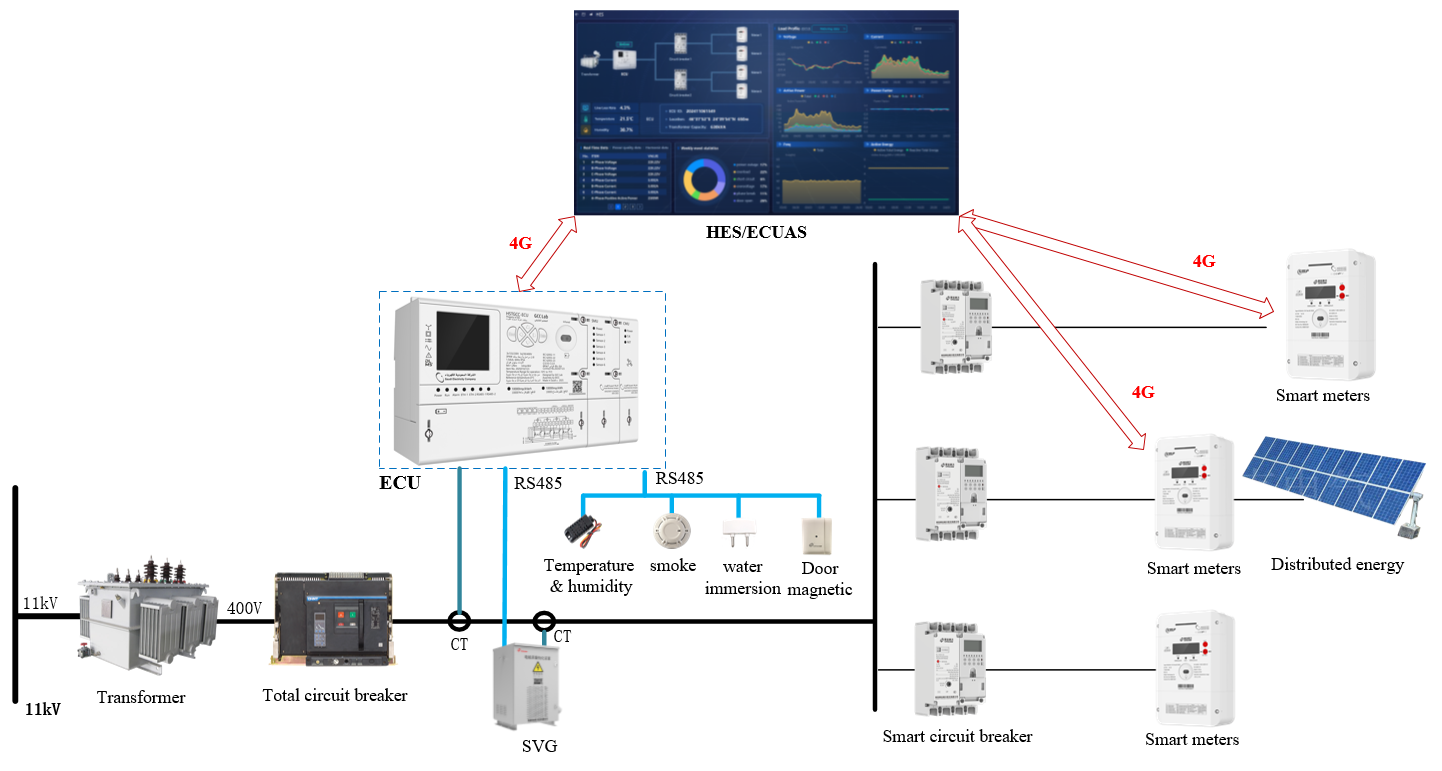
A photovoltaic inverter is far more than a simple power conversion device. In grid-connected solar installations, it plays a central role in ensuring that electricity generated by solar panels is synchronized, conditioned, and delivered to the utility grid in a way that meets strict technical standards. Without a properly functioning photovoltaic inverter, even the highest-quality solar panels cannot contribute usable power to the grid.
The growing scale of solar energy deployment across commercial, industrial, and utility sectors has made grid stability a top engineering priority. Understanding how a photovoltaic inverter supports stable grid-connected solar power helps engineers, project developers, and facility managers make better decisions about system design, equipment selection, and long-term performance management. This article examines the key mechanisms through which a modern photovoltaic inverter maintains grid compatibility, manages power quality, and responds to dynamic grid conditions.
The Role of a Photovoltaic Inverter in Grid-Connected Systems
Converting DC to AC with Grid Precision
The primary function of a photovoltaic inverter is to convert the direct current (DC) output from solar panels into alternating current (AC) that matches the voltage, frequency, and phase of the utility grid. This conversion process must happen continuously and with a high degree of accuracy. Any mismatch between the inverter output and the grid parameters can cause power quality problems or trigger automatic disconnection.
Modern photovoltaic inverter designs use advanced pulse-width modulation (PWM) techniques combined with fast-switching power semiconductors to produce a clean AC waveform. The quality of this waveform directly affects how smoothly the solar system integrates with the broader grid infrastructure. Poor waveform quality leads to harmonic distortion, which can damage sensitive equipment and reduce overall grid efficiency.
In a well-engineered photovoltaic inverter, total harmonic distortion (THD) is kept to a minimum, typically well below the thresholds set by grid codes in most countries. This ensures that the power delivered to the grid is clean and compatible with the electrical loads connected downstream.
Synchronization with the Utility Grid
Before a photovoltaic inverter can inject power into the grid, it must synchronize its output with the grid's frequency and phase. This synchronization process is handled by an internal phase-locked loop (PLL) circuit that continuously monitors the grid signal and adjusts the inverter's output to match it precisely. Effective synchronization prevents sudden surges of current that could destabilize the grid or damage equipment.
Synchronization is not a one-time event at startup. It is an ongoing process that the photovoltaic inverter manages throughout its operating life. As grid conditions fluctuate due to load changes, switching events, or variations in other generation sources, the inverter must adapt in real time to maintain alignment. This dynamic capability is one of the reasons why inverter firmware quality and control algorithm sophistication matter significantly in professional solar installations.
Maximum Power Point Tracking and Its Impact on Grid Stability
How MPPT Optimizes Solar Output
A photovoltaic inverter equipped with maximum power point tracking (MPPT) continuously adjusts the electrical operating point of the solar array to extract the maximum available power under varying irradiance and temperature conditions. Solar panels do not produce constant output — their power curve shifts throughout the day and across seasons. Without MPPT, a significant portion of the available solar energy would be wasted.
By constantly scanning and adjusting the operating voltage, the photovoltaic inverter ensures that the panels always work at their most efficient point. This not only improves energy yield but also helps maintain a more consistent power output to the grid. Smooth and predictable power injection is far easier for grid operators to manage than erratic fluctuations.
Advanced photovoltaic inverter models incorporate multiple independent MPPT channels, which is particularly valuable in installations where solar panels face different orientations or are subject to partial shading. Each channel can independently optimize its section of the array, preventing one underperforming string from dragging down the entire system.
Reducing Power Fluctuations for Grid Compatibility
Rapid changes in solar irradiance — such as those caused by passing clouds — can create sudden dips or spikes in the power output of a solar array. A well-designed photovoltaic inverter manages these transients through a combination of fast MPPT response, internal energy buffering, and ramp-rate control algorithms. Ramp-rate control limits how quickly the inverter's output power can change, giving the grid time to respond without instability.
This capability becomes increasingly important as solar penetration on the grid grows. In regions where solar energy accounts for a large share of the total generation mix, unmanaged power fluctuations from individual photovoltaic inverter units can aggregate into significant grid-level events. Inverters with built-in ramp-rate control contribute to broader grid stability by behaving as responsible, predictable generation assets.
Reactive Power Management and Voltage Regulation
The Importance of Reactive Power in Grid-Connected Solar
Beyond active power delivery, a modern photovoltaic inverter is capable of managing reactive power, which is essential for maintaining grid voltage within acceptable limits. Voltage stability is a critical requirement for safe grid operation. Without proper reactive power support, voltage levels at points of common coupling can rise or fall beyond permissible ranges, triggering protective relays and disconnecting solar generation from the grid.
Grid codes in many markets now require that photovoltaic inverter systems participate in voltage regulation by injecting or absorbing reactive power as needed. This capability, often referred to as Q control or power factor control, allows the inverter to act as an active participant in grid voltage management rather than a passive energy source. The result is a more robust and resilient grid, particularly in areas with high solar penetration.
Flexible Control Modes for Diverse Grid Requirements
A photovoltaic inverter designed for grid-connected applications typically offers multiple control modes to address different regulatory and technical requirements. These may include fixed power factor mode, reactive power priority mode, and volt-VAR optimization mode. The ability to switch between these modes — or to operate in a combined mode — gives system integrators the flexibility to meet varying grid operator demands across different projects and regions.
Flexible control systems built into the photovoltaic inverter allow operators to configure voltage-reactive power (Q-V) curves, power factor setpoints, and active power curtailment schedules remotely. This remote configurability is increasingly important in large-scale commercial and utility installations where manual on-site adjustments would be impractical. A photovoltaic inverter with a truly flexible control system reduces the operational burden on site engineers while improving compliance with grid connection agreements.
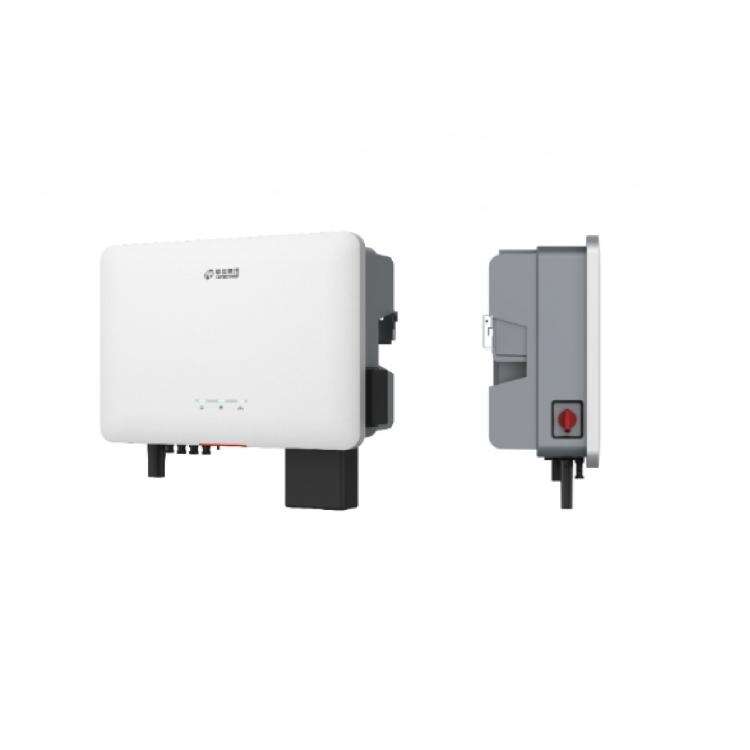
The combination of reactive power management and flexible control modes transforms the photovoltaic inverter from a basic conversion device into a sophisticated grid asset. This shift in perspective is important for any organization evaluating solar power systems at scale, as inverter intelligence directly affects grid compatibility and long-term system value.
Anti-Islanding Protection and Grid Safety Mechanisms
Understanding the Islanding Risk in Grid-Connected Solar
Islanding occurs when a photovoltaic inverter continues to energize a section of the grid after that section has been disconnected from the main utility supply. This is a serious safety hazard because utility workers performing maintenance on what they believe to be a de-energized line may be exposed to live voltage fed by the solar system. Anti-islanding protection is therefore a mandatory feature in any photovoltaic inverter used in grid-connected applications.
Modern photovoltaic inverter designs implement both passive and active anti-islanding detection methods. Passive methods monitor frequency, voltage, and phase angle for deviations that indicate islanding conditions. Active methods inject small perturbations into the output to detect the absence of the grid's stabilizing influence. The combination of both approaches provides faster, more reliable detection compared to either method alone.
Grid Fault Response and Ride-Through Capability
In addition to anti-islanding protection, a high-performance photovoltaic inverter must be capable of responding appropriately to various grid fault conditions. These include voltage sags, frequency excursions, and phase imbalances. Older inverter designs would simply disconnect at the first sign of a fault, which was acceptable when solar represented a small fraction of grid generation. Today, however, grid operators require inverters to remain connected and provide support during fault events.
Low voltage ride-through (LVRT) and high voltage ride-through (HVRT) are capabilities that allow a photovoltaic inverter to stay connected to the grid during voltage disturbances within defined limits. During these events, the inverter may also be required to inject reactive current to support grid voltage recovery. Frequency ride-through capabilities similarly allow the inverter to continue operating during short-duration frequency deviations rather than tripping unnecessarily.
These ride-through capabilities are now standard requirements in grid codes across many countries, and any photovoltaic inverter intended for professional grid-connected applications must be certified to meet these standards. Compliance not only ensures legal operability but also contributes to the collective stability of the grid as a whole.
Monitoring, Communication, and System Integration
Real-Time Data and Remote Monitoring
A photovoltaic inverter in a grid-connected system generates a continuous stream of operational data including AC and DC voltage, current, power output, energy yield, temperature, and fault codes. Real-time monitoring of this data is essential for detecting performance degradation, identifying faults early, and verifying compliance with grid connection requirements. Most professional-grade photovoltaic inverter models include built-in communication interfaces such as RS485, CAN bus, Ethernet, or wireless protocols to support data transmission to central monitoring platforms.
Remote monitoring capability allows facility managers and system integrators to track the performance of a photovoltaic inverter installation without requiring physical site visits. Automated alerts can be configured to notify operators when specific parameters deviate from expected ranges, enabling proactive maintenance and minimizing energy losses from undetected faults. In large installations with many inverter units, centralized monitoring becomes an indispensable operational tool.
Integration with Energy Management Systems
The photovoltaic inverter does not operate in isolation. In modern commercial and industrial energy systems, it must integrate with energy storage systems, building energy management systems (BEMS), and grid dispatch control systems. This integration requires the inverter to support standardized communication protocols and to respond to external control signals in a predictable and reliable manner.
When a photovoltaic inverter can accept active and reactive power setpoints from an external energy management system, it becomes a fully controllable grid asset. This enables sophisticated energy optimization strategies such as peak shaving, demand response participation, and coordinated storage dispatch. The value of such integration extends well beyond simple energy generation, offering tangible financial and operational benefits to system owners.
For organizations planning grid-connected solar projects at scale, specifying a photovoltaic inverter with robust communication and integration capabilities from the outset significantly simplifies future upgrades and expands the system's ability to adapt to evolving grid requirements and business needs.
FAQ
What makes a photovoltaic inverter suitable for grid-connected solar installations?
A photovoltaic inverter is suitable for grid-connected use when it includes grid synchronization, anti-islanding protection, ride-through capability, reactive power management, and compliance with local grid codes. These features ensure that the inverter can safely and reliably deliver solar power to the utility grid while supporting overall grid stability.
How does a photovoltaic inverter help maintain voltage stability on the grid?
A photovoltaic inverter helps maintain voltage stability by managing reactive power injection and absorption at the point of connection with the grid. Through configurable volt-VAR control and power factor regulation, the inverter actively participates in voltage regulation, preventing overvoltage or undervoltage conditions that could cause disconnections or equipment damage.
Why is anti-islanding protection important in a photovoltaic inverter?
Anti-islanding protection prevents a photovoltaic inverter from continuing to energize a grid segment that has been disconnected from the main utility supply. Without this protection, maintenance workers could be exposed to live voltage from the solar system, creating a serious safety risk. Anti-islanding detection is a mandatory requirement in grid codes globally.
Can a photovoltaic inverter operate during grid voltage or frequency disturbances?
Yes, modern photovoltaic inverter designs include low voltage ride-through (LVRT) and frequency ride-through capabilities that allow the system to remain connected during temporary disturbances within defined limits. These features are required by many grid codes because they prevent mass disconnection of solar generation during grid events, which would otherwise worsen the disturbance rather than help stabilize it.
Table of Contents
- The Role of a Photovoltaic Inverter in Grid-Connected Systems
- Maximum Power Point Tracking and Its Impact on Grid Stability
- Reactive Power Management and Voltage Regulation
- Anti-Islanding Protection and Grid Safety Mechanisms
- Monitoring, Communication, and System Integration
-
FAQ
- What makes a photovoltaic inverter suitable for grid-connected solar installations?
- How does a photovoltaic inverter help maintain voltage stability on the grid?
- Why is anti-islanding protection important in a photovoltaic inverter?
- Can a photovoltaic inverter operate during grid voltage or frequency disturbances?