EN
EN



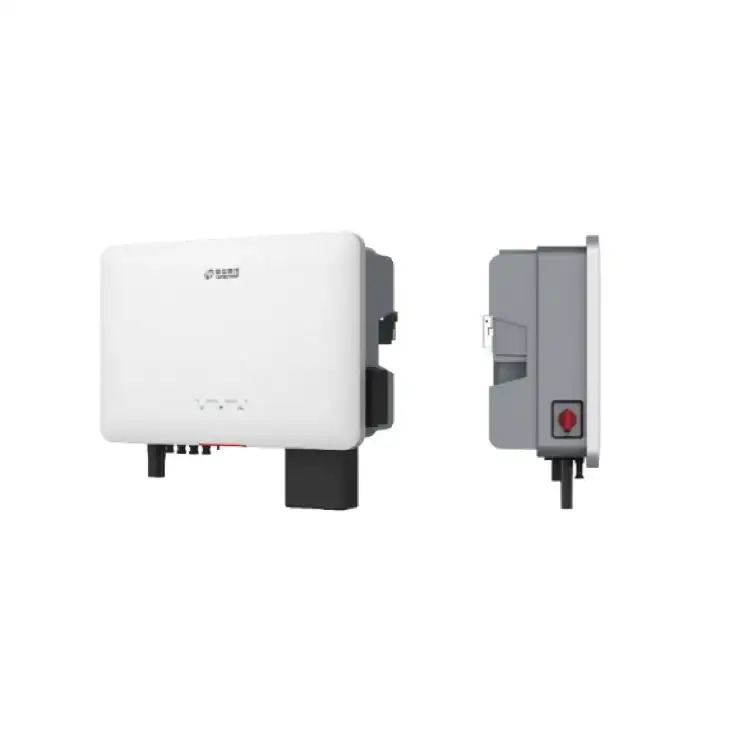
As the global energy landscape undergoes a fundamental transformation, pv inverter manufacturers are increasingly positioned at the center of smart grid integration. Solar photovoltaic systems no longer operate as isolated energy sources — they are expected to communicate, respond, and adapt within a broader, interconnected grid ecosystem. Understanding how pv inverter manufacturers can actively support smart grid energy solutions requires examining both the technical capabilities embedded in modern inverter hardware and the strategic value these manufacturers bring to utility operators, installers, and energy system designers.
The smart grid demands flexibility, real-time data exchange, and dynamic response from every connected device. This means that pv inverter manufacturers must go far beyond basic DC-to-AC power conversion. They must design inverters that integrate with grid management protocols, support bidirectional communication, enable reactive power compensation, and allow remote firmware updates and monitoring. The role these manufacturers play is not merely technical — it is foundational to how successfully renewable energy is woven into modern electrical infrastructure.
The Evolving Role of pv inverter manufacturers in Smart Grid Environments
From Power Conversion to Grid Participation
Traditionally, the primary task of a photovoltaic inverter was to convert direct current generated by solar panels into alternating current suitable for household or commercial use. However, the rise of smart grids has expanded this role significantly. Today, pv inverter manufacturers are engineering devices that actively participate in grid stability rather than simply feeding power into it.
Modern inverters must respond to frequency deviations, manage voltage fluctuations, and curtail output when grid conditions require it. This active participation is only possible because leading pv inverter manufacturers have invested heavily in embedded control systems, digital signal processors, and grid communication modules. The transition from passive power converter to active grid asset is one of the most significant engineering shifts in the photovoltaic industry.
For grid operators, this shift is enormously valuable. When pv inverter manufacturers build grid-responsive behavior directly into their products, solar installations become reliable contributors rather than unpredictable variables. This is especially important as solar penetration rates increase and grid managers face the challenge of balancing large volumes of variable renewable output.
Communication Standards and Protocol Compatibility
Smart grids rely on standardized communication protocols to coordinate thousands of devices simultaneously. pv inverter manufacturers that support protocols such as Modbus, SunSpec, IEC 61850, and MQTT enable seamless integration between inverters and energy management systems. This compatibility reduces integration costs and accelerates deployment timelines for solar projects of any scale.
When an inverter can communicate in real time with a distribution management system or a SCADA platform, it becomes a controllable asset. Grid operators can dispatch specific power outputs, adjust reactive power settings, or initiate emergency shutdowns — all remotely and instantly. pv inverter manufacturers that design around open communication standards offer a significant operational advantage in smart grid applications.
Furthermore, compliance with regional grid codes — such as IEEE 1547 in North America or EN 50549 in Europe — requires manufacturers to implement specific protection and ride-through functions. pv inverter manufacturers that embed these compliance functions at the hardware and firmware level reduce the engineering burden on system integrators and help projects pass grid connection approvals more efficiently.
Technical Features That Enable Smart Grid Support
Flexible Control Systems and Adaptive Response
One of the most critical capabilities that pv inverter manufacturers can offer smart grid applications is a flexible, programmable control system. Unlike fixed-function inverters, those with adaptable control architectures allow operators to tune performance parameters, update grid interaction behaviors, and respond to evolving grid requirements without replacing hardware.
A pv inverter manufacturers product line built on a flexible control platform can address voltage regulation needs in one deployment and frequency response requirements in another, all using the same physical hardware. This adaptability significantly extends the useful service life of the inverter and reduces the total cost of ownership for asset owners.
Adaptive control also supports grid-forming capabilities, which are increasingly discussed as renewable penetration grows. Grid-forming inverters can establish stable voltage and frequency references even when conventional generators are offline, making them essential components of future low-inertia grids. pv inverter manufacturers investing in this area are directly contributing to long-term grid resilience.
Reactive Power Management and Voltage Regulation
Smart grids require active voltage management across a wide range of load and generation conditions. pv inverter manufacturers address this need by incorporating reactive power compensation capabilities directly into their inverter designs. By injecting or absorbing reactive power on demand, these inverters help maintain stable voltage profiles throughout distribution networks.
This capability is particularly important for installations located at the edges of distribution feeders, where voltage fluctuations tend to be most severe. When pv inverter manufacturers equip their products with automatic volt-VAR optimization functions, solar installations can actively stabilize the local grid rather than merely consuming available headroom.
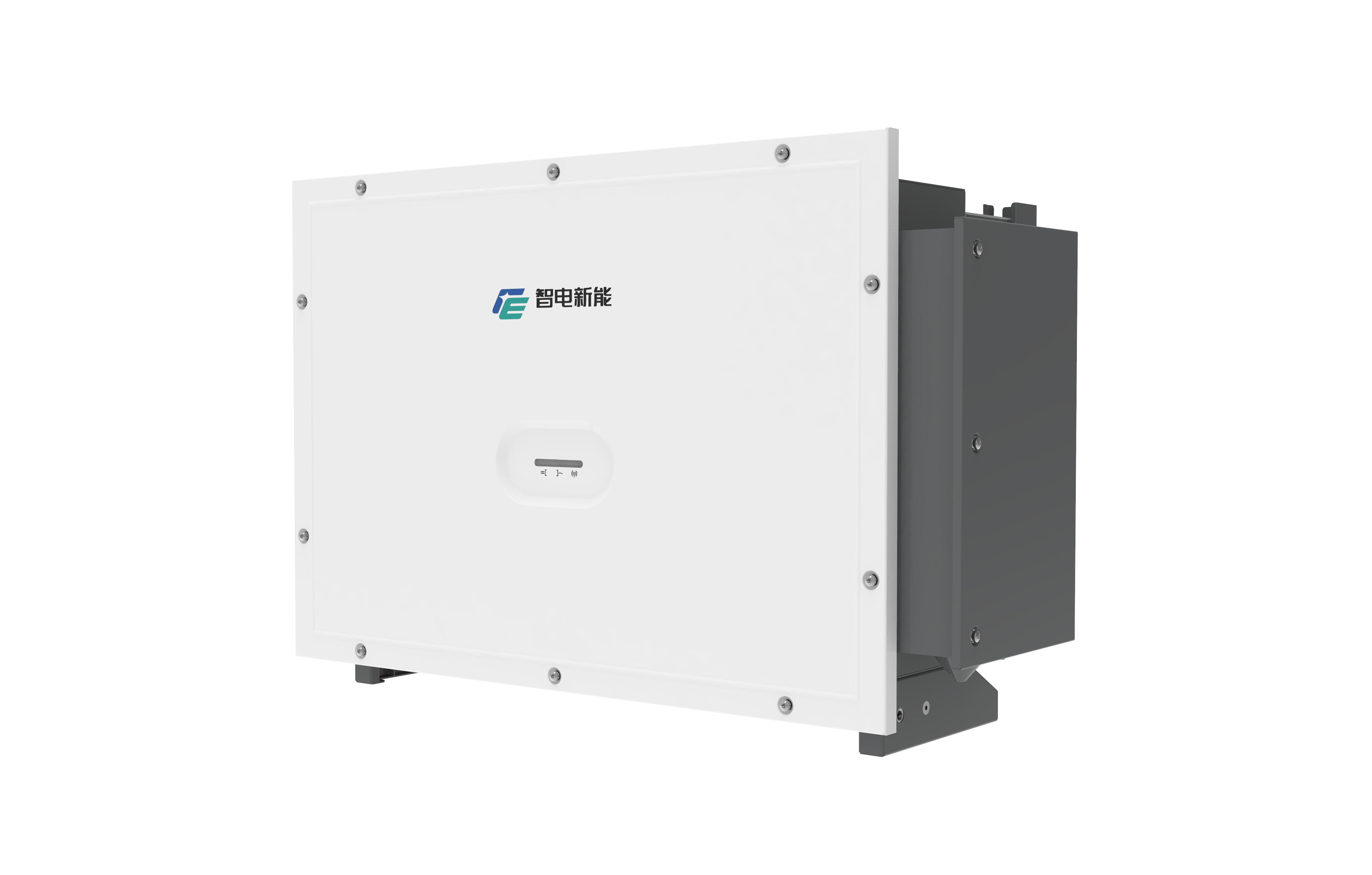
For commercial and industrial solar projects, reactive power support can also reduce demand charges and improve power factor scores under utility billing arrangements. This means the value delivered by capable pv inverter manufacturers extends beyond energy generation and into active financial and operational optimization for the end customer.
Supporting Energy Storage Integration and Grid Resilience
Hybrid Inverter Architectures for Storage-Ready Deployments
The integration of battery energy storage systems with solar PV is one of the most impactful developments in smart grid technology. pv inverter manufacturers that design hybrid inverter platforms capable of managing both solar generation and battery storage within a single control architecture enable much more sophisticated grid support functions than either technology can deliver independently.
With a hybrid architecture, the inverter can prioritize grid charging during off-peak periods, discharge stored energy during peak demand, and seamlessly switch between grid-tied and off-grid operating modes during outages. pv inverter manufacturers that have mastered this dual-mode control logic provide critical infrastructure for microgrid applications, commercial facilities with backup power requirements, and utility-scale projects that offer grid services.
The ability to coordinate solar and storage dispatch also enables participation in demand response programs and ancillary service markets. When pv inverter manufacturers build the necessary telemetry and control interfaces into their platforms, system owners can monetize flexibility through energy market participation — turning their inverter fleet into a revenue-generating asset beyond simple electricity production.
Fault Ride-Through and Grid Stability Features
Grid resilience depends on generation assets remaining connected and stable during transient disturbances. pv inverter manufacturers that engineer robust fault ride-through capabilities into their products help prevent cascading failures that can follow grid disturbances. Low-voltage ride-through and high-voltage ride-through functions allow inverters to remain online during brief voltage excursions, supporting grid recovery rather than exacerbating instability.
As solar penetration increases, the collective behavior of thousands of inverters during fault events becomes a significant factor in grid stability. pv inverter manufacturers that develop and validate their ride-through performance against rigorous test standards contribute directly to the reliability profile of the broader power system. Utility interconnection teams increasingly require documented ride-through certifications before approving large-scale solar connections.
Beyond ride-through, pv inverter manufacturers can also implement anti-islanding protection with high precision. Advanced islanding detection algorithms protect utility workers during outages while minimizing nuisance trips that reduce solar energy yield. Achieving this balance requires sophisticated signal processing and deep familiarity with grid interaction dynamics — areas where experienced manufacturers hold a clear technical advantage.
How pv inverter manufacturers Align with Smart Grid Policy and Market Requirements
Regulatory Compliance as a Core Design Principle
Smart grid energy policies around the world are increasingly specific about what inverter-connected resources must be capable of doing. pv inverter manufacturers that monitor and proactively address evolving regulatory requirements position their customers to maintain grid connection eligibility as rules tighten. This includes requirements around ramp rate control, frequency response, and power quality reporting.
Meeting regulatory requirements is not simply a matter of passing a one-time certification test. As grids evolve and operators add new requirements, pv inverter manufacturers that support remote firmware updates can maintain compliance without requiring physical hardware replacements at installed sites. This ongoing serviceability is a major differentiator in long-lifecycle applications such as utility-scale solar farms.
Manufacturers that maintain close relationships with regulatory bodies, grid operators, and standards development organizations can also offer valuable guidance to project developers navigating permitting and interconnection processes. The knowledge embedded in experienced pv inverter manufacturers is itself a form of support for smart grid development, extending far beyond the hardware they supply.
Data and Analytics Support for Grid Operators
Smart grid management depends on high-quality data. pv inverter manufacturers that equip their products with comprehensive metering, logging, and telemetry capabilities give grid operators and asset owners the information needed to manage distributed energy resources effectively. Real-time visibility into generation output, power quality parameters, and fault histories enables faster diagnosis and more intelligent dispatch decisions.
When pv inverter manufacturers provide cloud-connected monitoring platforms, they extend the value of their hardware with ongoing software services. These platforms can aggregate data across large inverter fleets, identify performance trends, and flag anomalies before they become costly failures. For portfolio owners managing dozens or hundreds of solar installations, this level of oversight transforms how they operate and maintain their assets.
The convergence of inverter hardware, communication technology, and data analytics is reshaping the value proposition of the photovoltaic inverter industry. pv inverter manufacturers that succeed in this environment will be those who view their product not as a standalone piece of equipment but as a connected node within a larger intelligent energy system.
FAQ
What makes a photovoltaic inverter compatible with smart grid requirements?
Smart grid compatibility requires several technical features working together. The inverter must support open communication protocols such as Modbus or IEC 61850, implement grid code compliance functions including ride-through and reactive power control, and allow remote configuration and firmware updates. pv inverter manufacturers that design these capabilities into their core platform — rather than adding them as afterthoughts — deliver inverters that can genuinely participate in modern grid management rather than simply connecting to it.
How do pv inverter manufacturers support frequency and voltage regulation?
Frequency and voltage regulation require the inverter to monitor grid conditions continuously and respond within milliseconds. pv inverter manufacturers achieve this through high-speed digital control loops, precision sensing hardware, and programmable droop response curves. When a frequency deviation is detected, the inverter can adjust its active power output accordingly. For voltage regulation, reactive power injection or absorption is managed based on local voltage measurements, helping stabilize distribution feeders under variable load and generation conditions.
Can photovoltaic inverters support microgrid and off-grid applications?
Yes, but only when the inverter is specifically designed for these operating modes. Grid-forming inverters, which establish their own voltage and frequency reference, are required for true microgrid or off-grid operation. pv inverter manufacturers that develop hybrid platforms combining solar management with battery storage control can deliver inverters capable of seamless transitions between grid-tied and islanded modes. This makes them suitable for resilient energy applications in remote areas, campuses, and facilities requiring backup power continuity.
Why is flexible control architecture important when choosing between pv inverter manufacturers?
Grid requirements evolve constantly as renewable penetration increases and regulatory frameworks are updated. A flexible control architecture allows the inverter to be reconfigured through software rather than hardware replacement, extending the operational life of the asset and protecting the owner's investment. When evaluating pv inverter manufacturers, buyers should assess whether the control platform supports field-upgradeable firmware, configurable grid response parameters, and compatibility with third-party energy management systems — all of which are essential for long-term smart grid integration.
Table of Contents
- The Evolving Role of pv inverter manufacturers in Smart Grid Environments
- Technical Features That Enable Smart Grid Support
- Supporting Energy Storage Integration and Grid Resilience
- How pv inverter manufacturers Align with Smart Grid Policy and Market Requirements
-
FAQ
- What makes a photovoltaic inverter compatible with smart grid requirements?
- How do pv inverter manufacturers support frequency and voltage regulation?
- Can photovoltaic inverters support microgrid and off-grid applications?
- Why is flexible control architecture important when choosing between pv inverter manufacturers?