EN
EN



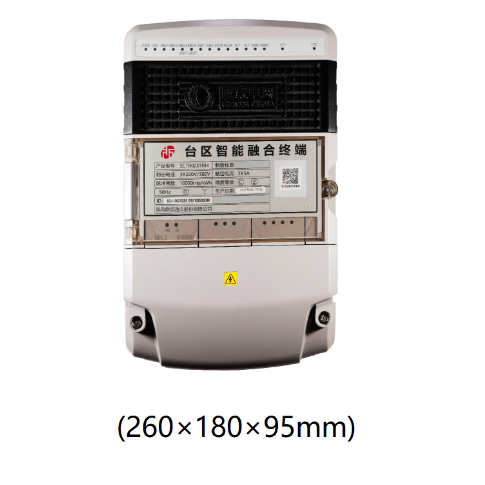
Modern industrial environments demand sophisticated technological solutions that can seamlessly integrate multiple data streams, control systems, and communication protocols. The intelligent fusion terminal represents a revolutionary advancement in industrial automation and control systems, offering unprecedented capabilities for data processing, system integration, and operational efficiency. These advanced devices serve as central hubs that consolidate various industrial processes, enabling real-time monitoring, control, and optimization across diverse manufacturing and production environments.
Industrial organizations worldwide are increasingly recognizing the transformative potential of intelligent fusion terminals in streamlining operations, reducing costs, and enhancing productivity. These sophisticated systems combine advanced computing power with robust connectivity options, making them ideal for complex industrial applications where reliability, precision, and real-time performance are critical requirements.
Manufacturing Process Control and Automation
Production Line Integration and Monitoring
In modern manufacturing facilities, intelligent fusion terminals serve as the backbone of automated production systems, coordinating multiple machines, sensors, and control devices to ensure optimal performance. These terminals excel at collecting data from various production line components, analyzing performance metrics in real-time, and automatically adjusting operational parameters to maintain consistent quality and throughput. The integration capabilities allow manufacturers to connect legacy equipment with newer systems, creating a unified control environment that maximizes existing investments while enabling future upgrades.
The real-time monitoring capabilities of these terminals provide operators with comprehensive visibility into production processes, enabling rapid identification and resolution of potential issues before they impact overall productivity. Advanced analytics features help identify patterns and trends in production data, supporting predictive maintenance strategies and optimizing resource allocation across manufacturing operations.
Quality Control and Inspection Systems
Quality control represents another critical application area where intelligent fusion terminals demonstrate exceptional value in industrial environments. These systems can simultaneously process input from multiple inspection devices, including vision systems, sensors, and measurement equipment, to provide comprehensive quality assessment capabilities. The terminals' processing power enables complex analysis algorithms that can detect defects, variations, and anomalies with remarkable accuracy and speed.
Integration with automated sorting and rejection systems allows for immediate response to quality issues, minimizing waste and ensuring that only products meeting specifications proceed through the production process. The data logging and reporting capabilities provide detailed quality metrics that support continuous improvement initiatives and regulatory compliance requirements in heavily regulated industries.
Energy Management and Smart Grid Applications
Power Distribution and Load Balancing
Energy-intensive industries benefit significantly from the sophisticated power management capabilities offered by intelligent fusion terminals. These systems can monitor electrical consumption across multiple facility areas, analyze usage patterns, and automatically optimize power distribution to reduce energy costs while maintaining operational requirements. The terminals excel at coordinating with smart grid infrastructure, enabling dynamic load balancing and participation in demand response programs.
Advanced power monitoring features provide detailed insights into energy consumption patterns, helping facility managers identify opportunities for efficiency improvements and cost reductions. The ability to integrate with renewable energy sources and energy storage systems makes these terminals valuable components in sustainable manufacturing initiatives and carbon footprint reduction efforts.
Renewable Energy Integration
The growing emphasis on sustainable manufacturing has created significant demand for systems that can effectively integrate renewable energy sources with traditional industrial power systems. Intelligent fusion terminals excel in this application, providing the sophisticated control and monitoring capabilities necessary to manage complex hybrid energy systems effectively.
These terminals can coordinate between solar panels, wind generators, battery storage systems, and conventional power sources to optimize energy utilization based on availability, cost, and operational requirements. The predictive capabilities enable proactive energy management strategies that maximize the utilization of renewable sources while ensuring consistent power availability for critical industrial processes.
Transportation and Logistics Optimization
Fleet Management and Vehicle Tracking
Industrial organizations with significant transportation and logistics requirements find intelligent fusion terminals invaluable for managing complex fleet operations. These systems can process GPS tracking data, vehicle performance metrics, driver behavior information, and route optimization algorithms to enhance overall fleet efficiency and reduce operational costs. The real-time monitoring capabilities enable immediate response to route deviations, vehicle breakdowns, or delivery delays.
Integration with warehouse management systems and customer relationship platforms provides comprehensive visibility across the entire logistics chain, enabling proactive communication with customers and suppliers regarding delivery schedules and potential issues. Advanced analytics capabilities support strategic decision-making regarding fleet composition, route planning, and resource allocation.
Supply Chain Coordination
The complex nature of modern supply chains requires sophisticated coordination systems that can manage multiple suppliers, transportation modes, and delivery schedules while maintaining optimal inventory levels. Intelligent fusion terminals provide the processing power and connectivity options necessary to integrate disparate supply chain systems into a unified management platform.
These terminals excel at processing large volumes of supply chain data, identifying potential disruptions, and automatically implementing contingency plans to minimize impact on production schedules. The predictive analytics capabilities help organizations anticipate demand fluctuations and adjust procurement strategies accordingly, reducing inventory costs while ensuring adequate material availability.
Safety and Security Management
Environmental Monitoring and Hazard Detection
Industrial safety represents a critical application area where intelligent fusion terminals provide substantial value through comprehensive environmental monitoring and hazard detection capabilities. These systems can simultaneously process input from gas detectors, temperature sensors, vibration monitors, and other safety equipment to provide real-time assessment of facility conditions and potential risks.
The advanced processing capabilities enable sophisticated analysis algorithms that can identify developing hazardous conditions before they reach critical levels, allowing for proactive intervention and risk mitigation. Integration with emergency response systems ensures rapid activation of safety protocols when dangerous conditions are detected, protecting personnel and facility assets.
Access Control and Perimeter Security
Security management in industrial facilities requires integration of multiple systems including access control, video surveillance, intrusion detection, and visitor management. Intelligent fusion terminals provide the centralized processing power and connectivity options necessary to coordinate these diverse security systems into a unified security management platform.
The real-time processing capabilities enable immediate response to security incidents, while comprehensive logging and reporting features support incident investigation and regulatory compliance requirements. Advanced analytics help identify security patterns and potential vulnerabilities, supporting proactive security enhancement initiatives.
Data Analytics and Predictive Maintenance
Equipment Performance Monitoring
Predictive maintenance strategies rely heavily on continuous monitoring of equipment performance metrics and the ability to analyze historical data to predict potential failures. Intelligent fusion terminals excel in this application by providing the processing power necessary to analyze complex vibration patterns, temperature fluctuations, and other performance indicators across multiple pieces of equipment simultaneously.
The sophisticated analytics capabilities enable the identification of subtle changes in equipment behavior that may indicate developing problems, allowing maintenance teams to schedule interventions before failures occur. This proactive approach significantly reduces unplanned downtime, extends equipment life, and optimizes maintenance resource allocation.
Historical Data Analysis and Reporting
Long-term operational optimization requires comprehensive analysis of historical performance data to identify trends, patterns, and improvement opportunities. Intelligent fusion terminals provide the storage capacity and processing power necessary to maintain extensive historical databases and perform complex analytical operations on large datasets.
The reporting capabilities enable the generation of detailed performance reports that support strategic decision-making regarding equipment upgrades, process modifications, and resource allocation. Integration with enterprise resource planning systems ensures that operational insights are available to decision-makers across the organization.
FAQ
What industries benefit most from intelligent fusion terminal implementation
Industries with complex automation requirements, multiple system integration needs, and critical uptime requirements benefit most significantly from intelligent fusion terminals. Manufacturing, energy production, transportation, chemical processing, and pharmaceutical industries represent the primary markets where these systems provide substantial operational advantages and return on investment.
How do intelligent fusion terminals differ from traditional industrial control systems
Intelligent fusion terminals offer superior processing power, advanced connectivity options, and sophisticated analytics capabilities compared to traditional control systems. They can simultaneously manage multiple protocols, process larger volumes of data, and provide predictive capabilities that enable proactive rather than reactive operational strategies.
What are the key considerations for implementing intelligent fusion terminals in existing facilities
Successful implementation requires careful assessment of existing infrastructure, compatibility with legacy systems, network security requirements, and staff training needs. Organizations should also consider scalability requirements, integration complexity, and the availability of technical support resources when planning intelligent fusion terminal deployments.
How do intelligent fusion terminals contribute to sustainability initiatives
These terminals support sustainability goals through optimized energy management, reduced waste generation, improved resource utilization, and integration with renewable energy systems. The advanced analytics capabilities help identify opportunities for efficiency improvements that reduce environmental impact while maintaining operational performance requirements.
Table of Contents
- Manufacturing Process Control and Automation
- Energy Management and Smart Grid Applications
- Transportation and Logistics Optimization
- Safety and Security Management
- Data Analytics and Predictive Maintenance
-
FAQ
- What industries benefit most from intelligent fusion terminal implementation
- How do intelligent fusion terminals differ from traditional industrial control systems
- What are the key considerations for implementing intelligent fusion terminals in existing facilities
- How do intelligent fusion terminals contribute to sustainability initiatives