EN
EN



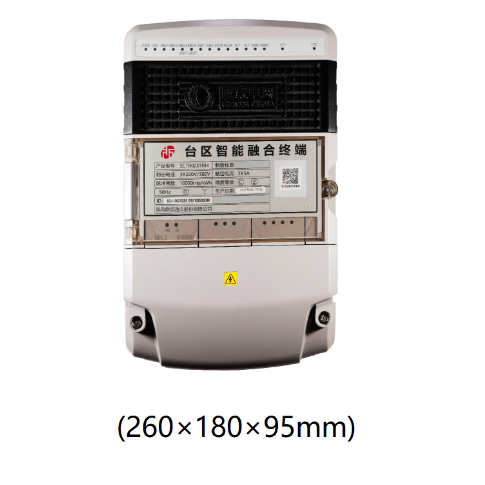
Modern data management faces unprecedented challenges as organizations grapple with exponential data growth, diverse data sources, and the need for real-time processing capabilities. The emergence of intelligent fusion terminals represents a transformative approach to these challenges, offering integrated solutions that combine multiple data processing functions into unified, intelligent systems. These advanced terminals serve as critical infrastructure components that enable seamless data integration, processing, and analysis across complex enterprise environments.
The digital transformation journey has created a landscape where traditional data management approaches fall short of meeting contemporary requirements. Organizations now generate and consume data from countless sources including IoT devices, cloud applications, legacy systems, and external APIs. This complexity demands sophisticated solutions that can handle heterogeneous data types while maintaining performance, security, and reliability standards. Intelligent fusion terminals emerge as the answer to these multifaceted challenges, providing centralized platforms that streamline data operations and enhance organizational agility.
Understanding Intelligent Fusion Terminal Architecture
Core Components and Design Principles
The architecture of an intelligent fusion terminal encompasses several critical components that work in harmony to deliver comprehensive data management capabilities. At its foundation lies a robust processing engine capable of handling multiple data formats simultaneously, from structured databases to unstructured multimedia content. This engine leverages advanced algorithms and machine learning models to optimize data flow and processing efficiency, ensuring that organizations can maintain high performance even under demanding workloads.
Integration layers within these terminals facilitate seamless connectivity with existing enterprise systems, eliminating the typical barriers that organizations face when implementing new technologies. The design philosophy emphasizes modularity and scalability, allowing businesses to expand their capabilities as requirements evolve. Security frameworks are embedded throughout the architecture, implementing multi-layered protection mechanisms that safeguard sensitive information while maintaining operational transparency and compliance with regulatory standards.
Advanced Processing Capabilities
Modern intelligent fusion terminals incorporate sophisticated processing capabilities that distinguish them from conventional data management solutions. These systems utilize parallel processing architectures that can simultaneously handle multiple data streams, significantly reducing latency and improving overall system responsiveness. The terminals employ intelligent caching mechanisms that predict data access patterns and preload frequently requested information, further enhancing performance metrics.
Real-time analytics engines within these terminals provide immediate insights into data patterns and trends, enabling organizations to make informed decisions without delays typically associated with traditional batch processing approaches. The systems also feature adaptive algorithms that learn from historical data patterns and automatically optimize processing workflows, reducing administrative overhead while improving accuracy and efficiency of data operations.
Strategic Benefits for Enterprise Data Management
Operational Efficiency and Cost Optimization
Implementing an intelligent fusion terminal delivers substantial operational efficiency gains that translate directly into cost savings and improved resource utilization. These systems eliminate the need for multiple specialized tools and platforms, consolidating functionality into unified environments that reduce complexity and maintenance requirements. Organizations report significant reductions in operational overhead as administrative tasks become automated and system management becomes centralized.
The consolidation of data processing functions reduces infrastructure requirements, leading to lower hardware costs and reduced energy consumption. Intelligent resource allocation algorithms ensure optimal utilization of computing resources, preventing waste and maximizing return on technology investments. Additionally, the reduced learning curve associated with managing a single integrated platform rather than multiple disparate systems translates into lower training costs and faster time-to-productivity for technical teams.
Enhanced Data Quality and Governance
Data quality management becomes significantly more effective when handled through intelligent fusion terminals that implement comprehensive validation and cleansing processes. These systems employ sophisticated algorithms to identify and correct data inconsistencies, duplicates, and errors in real-time, ensuring that downstream applications and analytics processes work with high-quality information. Automated data lineage tracking provides complete visibility into data origins and transformations, supporting compliance requirements and enabling better decision-making.
Governance capabilities built into these terminals facilitate policy enforcement across all data operations, ensuring consistent application of business rules and regulatory requirements. Access controls and audit trails provide comprehensive security oversight while maintaining detailed records of all data interactions. This level of governance support is particularly valuable for organizations operating in regulated industries where data handling compliance is critical for business continuity.
Implementation Strategies and Best Practices
Planning and Assessment Phases
Successful implementation of intelligent fusion terminals requires comprehensive planning that begins with thorough assessment of existing data infrastructure and organizational requirements. This assessment phase should evaluate current data sources, processing volumes, performance requirements, and integration needs to ensure that the selected terminal solution aligns with business objectives. Stakeholder engagement during this phase ensures that all departmental needs are considered and that the implementation strategy addresses cross-functional requirements.
Risk assessment and mitigation planning play crucial roles in implementation success, identifying potential challenges and developing contingency strategies. Organizations should conduct proof-of-concept testing with representative data sets to validate performance assumptions and identify any technical or operational issues before full-scale deployment. This approach minimizes implementation risks and provides valuable insights that inform final configuration decisions.
Integration and Migration Approaches
The integration phase requires careful coordination between existing systems and the new intelligent fusion terminal to ensure seamless data flow and minimal operational disruption. Phased migration strategies typically prove most effective, allowing organizations to gradually transition data sources and applications while maintaining business continuity. During this phase, data mapping exercises ensure that information structures and relationships are preserved throughout the migration process.
Testing protocols should validate both functional capabilities and performance metrics, ensuring that the integrated system meets or exceeds baseline requirements. Change management processes become critical during integration, as users adapt to new interfaces and workflows. Comprehensive training programs and documentation support smooth transitions while maximizing user adoption and system utilization rates.
Performance Optimization and Monitoring
Real-time Performance Management
Intelligent fusion terminals provide sophisticated monitoring capabilities that enable real-time visibility into system performance and data processing metrics. These monitoring systems track key performance indicators including throughput rates, response times, error rates, and resource utilization levels, providing administrators with comprehensive operational dashboards. Automated alerting mechanisms notify technical teams of performance anomalies or potential issues before they impact business operations.
Performance optimization features automatically adjust system parameters based on workload patterns and resource availability, ensuring optimal performance under varying conditions. Machine learning algorithms analyze historical performance data to predict future resource needs and proactively scale system capacity. This predictive approach prevents performance degradation and maintains consistent service levels even during peak usage periods.
Scalability and Future-proofing
The scalability characteristics of intelligent fusion terminals enable organizations to accommodate growth in data volumes and processing requirements without major infrastructure overhauls. Horizontal scaling capabilities allow additional processing nodes to be added seamlessly, while vertical scaling options provide increased capacity within existing hardware configurations. Cloud integration features enable hybrid deployments that leverage both on-premises resources and cloud-based processing power as needed.
Future-proofing considerations include support for emerging data formats and integration protocols, ensuring that investments in intelligent fusion terminals remain valuable as technology landscapes evolve. Modular architectures facilitate component upgrades and feature additions without requiring complete system replacements. Regular software updates and feature enhancements extend system lifespans and maintain competitive advantages over time.
Industry Applications and Use Cases
Manufacturing and Industrial Applications
Manufacturing organizations leverage intelligent fusion terminals to integrate data from production equipment, quality control systems, supply chain management platforms, and environmental monitoring devices. These integrated data streams enable comprehensive production optimization, predictive maintenance programs, and quality assurance processes that improve operational efficiency and reduce costs. Real-time visibility into production metrics enables rapid response to issues and optimization of manufacturing processes.
Industrial IoT applications benefit significantly from the data fusion capabilities provided by these terminals, which can process sensor data from thousands of devices simultaneously while maintaining low latency and high reliability. Energy management applications utilize integrated data to optimize power consumption and identify efficiency opportunities across industrial facilities. Safety monitoring systems leverage fused data streams to provide comprehensive situational awareness and automated response capabilities.
Financial Services and Healthcare
Financial services organizations utilize intelligent fusion terminals to integrate trading data, risk management information, customer interaction records, and regulatory reporting requirements into unified analytical platforms. These integrated systems support real-time fraud detection, algorithmic trading strategies, and comprehensive risk assessment processes that are critical for competitive advantage and regulatory compliance. Customer experience enhancement initiatives benefit from the holistic view of client interactions and preferences provided by data fusion capabilities.
Healthcare applications demonstrate the transformative potential of intelligent fusion terminals through integration of electronic health records, medical imaging systems, laboratory results, and patient monitoring devices. This comprehensive data integration enables evidence-based treatment decisions, population health analytics, and personalized medicine approaches that improve patient outcomes while reducing costs. Research applications benefit from the ability to analyze large datasets from multiple sources, accelerating medical discoveries and treatment development.
Security and Compliance Considerations
Data Protection and Privacy
Security frameworks embedded within intelligent fusion terminals implement multiple layers of protection to safeguard sensitive information throughout processing and storage operations. Encryption capabilities protect data both in transit and at rest, while access controls ensure that only authorized personnel can interact with specific data sets. Identity and access management systems integrate with existing enterprise security infrastructure to maintain consistent security policies across all data operations.
Privacy protection features include data anonymization and pseudonymization capabilities that enable analytics and processing while protecting individual privacy rights. Consent management systems track data usage permissions and ensure compliance with privacy regulations such as GDPR and CCPA. Regular security audits and vulnerability assessments maintain high security standards and identify potential risks before they can be exploited.
Regulatory Compliance and Audit Support
Compliance management features within intelligent fusion terminals automate many aspects of regulatory reporting and audit preparation, reducing administrative burden while ensuring accuracy and completeness. Automated data lineage tracking provides complete audit trails that demonstrate compliance with data handling requirements and support regulatory examinations. Policy enforcement engines ensure that all data operations comply with applicable regulations and internal governance policies.
Documentation generation capabilities produce comprehensive reports for regulatory submissions and audit requirements, reducing manual effort and improving accuracy. Change tracking systems maintain detailed records of all system modifications and configuration changes, supporting compliance requirements and enabling rapid issue resolution. Integration with existing compliance management systems ensures consistency across all organizational compliance activities.
FAQ
What makes intelligent fusion terminals different from traditional data integration platforms
Intelligent fusion terminals distinguish themselves through advanced AI-driven processing capabilities that automatically optimize data flows and integration processes. Unlike traditional platforms that require extensive manual configuration and maintenance, these terminals utilize machine learning algorithms to adapt to changing data patterns and requirements. They also provide real-time processing capabilities that enable immediate insights and responses, rather than the batch processing approaches common in traditional systems.
How do intelligent fusion terminals handle data from legacy systems
These terminals incorporate comprehensive connectivity frameworks that support both modern APIs and legacy protocols, enabling seamless integration with older systems without requiring expensive upgrades or replacements. Built-in data transformation engines convert legacy data formats into modern standards while preserving data integrity and relationships. The terminals also provide migration tools that facilitate gradual transitions from legacy systems to modern architectures at a pace that suits organizational requirements.
What are the typical implementation timeframes for intelligent fusion terminals
Implementation timeframes vary depending on organizational complexity and integration requirements, but typical deployments range from three to six months for comprehensive implementations. Proof-of-concept phases usually require four to six weeks, followed by planning and design phases that take six to eight weeks. The actual deployment and testing phases typically require eight to twelve weeks, with additional time allocated for user training and optimization activities.
How do these terminals ensure data quality during processing operations
Intelligent fusion terminals employ multi-stage data validation processes that check data quality at ingestion, processing, and output stages. Built-in data profiling capabilities automatically identify anomalies, inconsistencies, and quality issues while applying configurable business rules to ensure data meets organizational standards. Machine learning algorithms learn from historical data patterns to identify potential quality issues proactively, while automated cleansing processes correct common data problems without manual intervention.
Table of Contents
- Understanding Intelligent Fusion Terminal Architecture
- Strategic Benefits for Enterprise Data Management
- Implementation Strategies and Best Practices
- Performance Optimization and Monitoring
- Industry Applications and Use Cases
- Security and Compliance Considerations
-
FAQ
- What makes intelligent fusion terminals different from traditional data integration platforms
- How do intelligent fusion terminals handle data from legacy systems
- What are the typical implementation timeframes for intelligent fusion terminals
- How do these terminals ensure data quality during processing operations