EN
EN



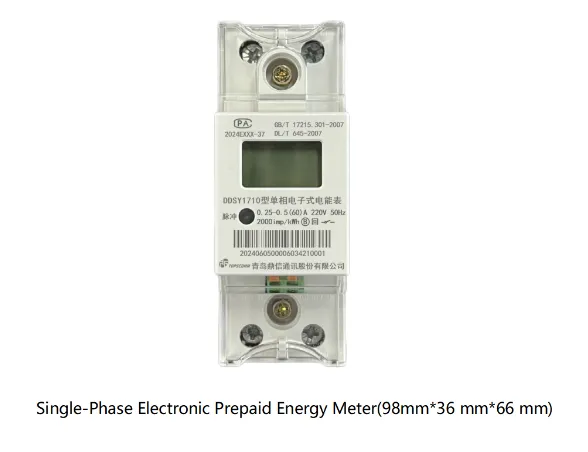
Advanced Metering Infrastructure (AMI) has emerged as a transformative technology in the electrical utility sector, fundamentally changing how energy consumption is monitored, measured, and managed. This sophisticated system combines smart meters, communication networks, and data management systems to create an integrated platform that enables real-time monitoring and control of electrical distribution networks. The implementation of AMI represents a significant leap forward from traditional mechanical meters, offering utilities unprecedented visibility into their distribution systems while providing consumers with detailed insights into their energy usage patterns.
The growing concern over energy losses and theft in electrical distribution systems has made AMI implementation a critical priority for utilities worldwide. Traditional metering systems often leave utilities blind to what happens between the distribution transformer and the customer's premises, creating opportunities for energy theft and making it difficult to identify technical losses. AMI technology addresses these challenges by providing continuous monitoring capabilities, enabling utilities to detect anomalies in real-time and implement corrective measures before losses become significant. The economic impact of energy losses and theft can be substantial, often accounting for several percentage points of total energy distributed, making the business case for AMI implementation increasingly compelling.
Understanding Energy Line Losses in Distribution Systems
Technical Losses and Their Characteristics
Technical losses in electrical distribution systems are inherent physical phenomena that occur due to the fundamental properties of electrical conductors and equipment. These losses primarily manifest as resistive losses in conductors, where electrical energy is converted to heat as current flows through the resistance of wires and cables. The magnitude of these losses follows the I²R relationship, meaning they increase quadratically with current flow, making them particularly significant during peak demand periods. Distribution transformers also contribute to technical losses through core losses and copper losses, with core losses remaining relatively constant regardless of load while copper losses vary with the square of the load current.
The impact of technical losses extends beyond simple energy wastage, affecting the overall efficiency and economics of the distribution system. Voltage drops caused by resistive losses can lead to poor power quality at customer premises, potentially causing equipment malfunctions and reduced lifespan of electrical devices. AMI systems provide the granular data necessary to analyze these losses in detail, enabling utilities to identify specific feeders, transformers, or circuit segments where losses are excessive. This detailed visibility allows for targeted investments in infrastructure upgrades, conductor replacements, or system reconfiguration to minimize technical losses and improve overall system efficiency.
Commercial Losses and Theft Detection
Commercial losses, often referred to as non-technical losses, represent a significant challenge for electrical utilities worldwide and encompass various forms of energy theft, meter tampering, and billing irregularities. These losses can range from sophisticated bypass schemes that circumvent metering equipment to simple meter tampering that reduces recorded consumption. The financial impact of commercial losses can be devastating for utilities, particularly in regions where energy theft is prevalent, as these losses directly translate to revenue reduction without corresponding cost savings in energy procurement or distribution infrastructure maintenance.
Traditional detection methods for commercial losses relied heavily on periodic physical inspections and manual audits, which were time-consuming, resource-intensive, and often ineffective due to the sporadic nature of many theft schemes. AMI technology revolutionizes commercial loss detection by providing continuous monitoring capabilities that can identify suspicious consumption patterns, irregular meter readings, and anomalous behavior in real-time. The system's ability to detect tamper attempts, unusual consumption variations, and meter communication failures enables utilities to respond quickly to potential theft situations, significantly improving recovery rates and deterring future theft attempts through enhanced detection capabilities.
AMI Technology Components and Architecture
Smart Meter Capabilities and Features
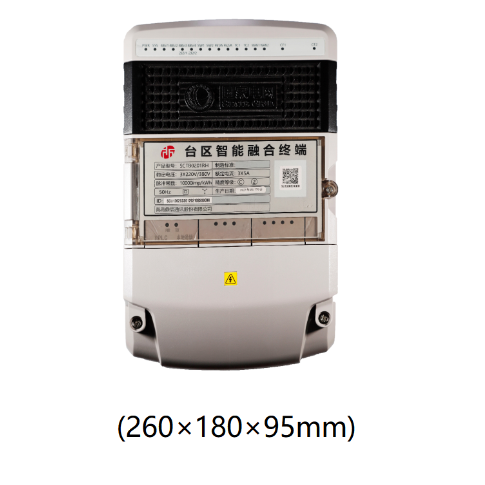
Smart meters serve as the foundation of AMI systems, incorporating advanced microprocessors, solid-state measurement circuits, and sophisticated communication modules that enable bidirectional data exchange between the utility and customer premises. These devices measure electrical parameters with high accuracy and precision, recording not only energy consumption but also voltage levels, current magnitudes, power factor, and various power quality parameters. The measurement capabilities of smart meters far exceed those of traditional electromechanical meters, providing interval data that can be recorded and transmitted at frequencies ranging from every few minutes to hourly intervals, depending on utility requirements and system capabilities.
The advanced features of smart meters extend beyond basic measurement to include tamper detection mechanisms, load control capabilities, and diagnostic functions that enhance system reliability and security. Tamper detection features can identify attempts to remove the meter, reverse connections, magnetic interference, and various other forms of meter manipulation. Load control capabilities enable utilities to remotely disconnect or reconnect service, implement demand response programs, and manage peak loads more effectively. These features make AMI systems particularly valuable for loss reduction initiatives, as they provide both the detection capabilities and the enforcement mechanisms necessary to address commercial losses effectively.
Communication Infrastructure and Data Management
The communication infrastructure of AMI systems represents a complex network architecture designed to reliably collect, transmit, and manage vast amounts of metering data from potentially millions of endpoints. This infrastructure typically employs a hierarchical approach, utilizing various communication technologies including radio frequency mesh networks, cellular communications, power line carrier systems, and fiber optic connections to create redundant pathways for data transmission. The choice of communication technology depends on factors such as geographic terrain, population density, existing infrastructure, and utility-specific requirements for data latency and reliability.
Data management systems within AMI infrastructure process and analyze the continuous stream of information collected from smart meters, transforming raw measurement data into actionable intelligence for utility operations. These systems employ sophisticated algorithms to identify patterns, detect anomalies, and generate alerts when predetermined thresholds are exceeded or unusual conditions are detected. The integration of advanced analytics, machine learning capabilities, and artificial intelligence enables AMI systems to continuously improve their detection accuracy and reduce false positives in loss identification processes. This comprehensive data management approach ensures that utilities can effectively leverage the wealth of information provided by AMI systems to optimize their operations and minimize energy losses.
Loss Detection Mechanisms Through AMI Implementation
Real-Time Monitoring and Analysis
Real-time monitoring capabilities provided by AMI systems enable utilities to observe energy flows and consumption patterns as they occur, creating opportunities for immediate detection of irregularities that might indicate theft or system problems. The continuous data stream from smart meters allows for the implementation of sophisticated algorithms that can identify sudden changes in consumption patterns, unexpected load variations, and anomalous meter behaviors that may indicate tampering or bypass situations. These monitoring systems can be configured to generate automatic alerts when predefined thresholds are exceeded or when statistical analysis indicates deviation from expected consumption patterns.
The granularity of data provided by AMI systems enables utilities to perform detailed analysis at various levels, from individual customer premises to distribution transformer areas and entire feeder circuits. This multi-level analysis capability allows for the correlation of data across different system components, enabling the identification of discrepancies between energy delivered to a distribution area and the sum of energy recorded by individual meters within that area. Such analysis can quickly pinpoint locations where energy losses are occurring, whether due to technical problems such as transformer failures or commercial issues such as theft activities, enabling rapid response and resolution.
Pattern Recognition and Anomaly Detection
Advanced pattern recognition algorithms employed in AMI systems analyze historical consumption data to establish baseline patterns for individual customers and system components, creating a foundation for detecting deviations that may indicate theft or technical problems. These algorithms consider various factors including seasonal variations, day-of-week patterns, time-of-day usage profiles, and long-term consumption trends to create sophisticated models that can distinguish between normal variations and suspicious anomalies. The machine learning capabilities of modern AMI systems enable continuous refinement of these detection algorithms, improving accuracy over time and reducing false positive alerts.
Anomaly detection mechanisms within AMI systems can identify various types of suspicious activities, including sudden drops in consumption that may indicate bypass installation, irregular consumption patterns that suggest meter tampering, and correlation anomalies between neighboring premises that might indicate theft from adjacent properties. The system's ability to cross-reference multiple data points, including voltage measurements, power factor variations, and harmonic distortion levels, provides additional validation for suspected theft activities and helps distinguish between technical issues and deliberate manipulation of the metering system.
Financial Impact and Return on Investment
Cost-Benefit Analysis of AMI Implementation
The financial justification for AMI implementation in loss reduction applications involves a comprehensive analysis of both direct and indirect benefits compared to the substantial capital investment required for system deployment. Direct benefits include recovered revenue from reduced commercial losses, decreased operational costs through automated meter reading elimination, and improved billing accuracy that reduces customer disputes and bad debt provisions. Indirect benefits encompass enhanced customer service capabilities, improved system reliability through better monitoring, and operational efficiencies gained through remote meter management and automated disconnect/reconnect capabilities.
The return on investment for AMI systems varies significantly depending on factors such as the existing level of energy losses, the effectiveness of current loss detection methods, and the specific capabilities of the implemented system. Utilities with high commercial loss rates often achieve payback periods of three to five years, while those with lower initial loss rates may require longer periods to realize full financial benefits. However, the cumulative impact of loss reduction, combined with operational savings and improved customer service capabilities, typically provides compelling financial returns over the system's operational lifetime, making AMI implementation an attractive investment for most utilities facing significant loss challenges.
Long-Term Economic Benefits
The long-term economic benefits of AMI implementation extend far beyond immediate loss reduction, creating value through improved system planning, enhanced grid reliability, and support for advanced grid modernization initiatives. The detailed consumption and system performance data provided by AMI systems enables more accurate load forecasting, optimal infrastructure investments, and improved asset utilization that can defer or eliminate the need for costly system expansions. These planning benefits can result in significant capital cost savings over time, as utilities can make more informed decisions about where and when to invest in system upgrades and expansions.
AMI systems also provide the foundation for advanced grid services and new revenue opportunities, including demand response programs, time-of-use pricing implementations, and support for distributed energy resource integration. These capabilities enable utilities to optimize their operations, reduce peak demand requirements, and create new value streams that can significantly enhance the overall return on investment. The scalability and expandability of AMI infrastructure means that additional benefits can be realized over time as new applications and services are developed, making the initial investment increasingly valuable as the system matures and evolves with changing utility needs and market conditions.
Implementation Strategies and Best Practices
Phased Deployment Approaches
Successful AMI implementation for loss reduction typically follows a carefully planned phased approach that allows utilities to manage risks, optimize system performance, and demonstrate value before full-scale deployment. Initial phases often focus on high-loss areas or specific customer segments where the impact of improved monitoring will be most significant, providing early wins that can help justify continued investment and build organizational support for the program. This targeted approach also allows utilities to refine their detection algorithms, operational procedures, and response protocols before expanding to the broader customer base.
The phased deployment strategy should consider technical factors such as communication infrastructure availability, existing meter population characteristics, and integration requirements with current utility systems. Geographic considerations including terrain challenges, population density, and historical loss patterns should also influence the rollout sequence to maximize early benefits and minimize implementation risks. Each phase should include comprehensive testing, performance validation, and lessons learned documentation to ensure that subsequent phases benefit from earlier experiences and avoid repeating problems encountered during initial deployments.
Integration with Existing Utility Systems
The integration of AMI systems with existing utility information systems represents a critical success factor that requires careful planning and execution to ensure seamless data flow and operational effectiveness. Key integration points include customer information systems for billing and account management, outage management systems for improved service reliability, and geographic information systems for spatial analysis of losses and system performance. The quality of these integrations directly impacts the utility's ability to leverage AMI data effectively and realize the full benefits of the investment.
Successful integration requires standardized data formats, robust communication protocols, and comprehensive testing to ensure reliability and accuracy of data exchange between systems. The implementation should also consider future expansion requirements and emerging standards to ensure long-term compatibility and avoid costly system modifications as technology evolves. Training programs for utility personnel must address not only the technical aspects of AMI operation but also the new business processes and decision-making approaches enabled by improved data availability and system capabilities.
Case Studies and Real-World Applications
Utility Success Stories
Numerous utilities worldwide have documented significant success in loss reduction through AMI implementation, with some achieving reductions in total system losses of several percentage points within the first few years of deployment. These success stories typically highlight the importance of comprehensive system design, effective change management, and strong organizational commitment to leveraging the new capabilities provided by AMI technology. The most successful implementations often combine advanced technology deployment with enhanced field investigation procedures, customer education programs, and legal enforcement mechanisms to address detected theft activities comprehensively.
Case studies from both developed and developing markets demonstrate that AMI effectiveness in loss reduction depends heavily on local conditions, regulatory environment, and utility operational capabilities. Utilities in regions with high commercial loss rates have often achieved dramatic improvements, with some documenting recovery of stolen energy equivalent to several percent of total system energy sales. These successes provide valuable insights into implementation strategies, technology selection criteria, and operational approaches that can be adapted to different market conditions and utility environments.
Lessons Learned and Implementation Challenges
Implementation challenges encountered in AMI deployment for loss reduction often relate to technical integration complexities, organizational change management, and the need for new skills and procedures to effectively utilize system capabilities. Common technical challenges include communication network reliability, data quality issues, and the complexity of integrating AMI data with existing utility systems and business processes. These challenges emphasize the importance of thorough system testing, comprehensive training programs, and phased implementation approaches that allow for gradual capability development and problem resolution.
Organizational challenges frequently center on the cultural changes required to shift from periodic manual processes to continuous automated monitoring and analysis. Successful utilities have typically invested heavily in training programs, process redesign, and performance measurement systems that support the new operational model enabled by AMI technology. The lessons learned from these implementations provide valuable guidance for other utilities considering AMI deployment, emphasizing the importance of comprehensive planning, stakeholder engagement, and realistic expectations for implementation timelines and benefit realization.
Future Developments and Technology Evolution
Advanced Analytics and Artificial Intelligence
The future evolution of AMI systems for loss reduction will likely be characterized by increasingly sophisticated analytics capabilities powered by artificial intelligence and machine learning technologies. These advanced systems will be capable of analyzing vast datasets to identify subtle patterns and correlations that may indicate theft activities or system inefficiencies that are not detectable through conventional analysis methods. The integration of multiple data sources, including weather data, economic indicators, and demographic information, will enable more accurate prediction of normal consumption patterns and more precise identification of anomalous activities.
Machine learning algorithms will continue to evolve, becoming more accurate in distinguishing between legitimate consumption variations and suspicious activities while reducing false positive alerts that can overwhelm utility investigation resources. The development of predictive analytics capabilities will enable utilities to identify customers or areas at high risk for theft activities, allowing for proactive intervention before losses occur. These technological advances will make AMI systems increasingly valuable as loss reduction tools while also supporting broader grid modernization and customer service objectives.
Integration with Smart Grid Technologies
The integration of AMI systems with broader smart grid technologies will create new opportunities for loss reduction and system optimization through enhanced visibility and control capabilities. Advanced distribution management systems will leverage AMI data to optimize system operations in real-time, automatically adjusting voltage levels, switching configurations, and load distributions to minimize technical losses while maintaining service quality. The integration of distributed energy resources, energy storage systems, and electric vehicle charging infrastructure will create new complexities in loss analysis but also new opportunities for system optimization and efficiency improvement.
Future developments will likely include enhanced cybersecurity capabilities to protect against increasingly sophisticated threats to AMI infrastructure, as well as improved interoperability standards that enable better integration between different vendor systems and technologies. The evolution toward more flexible, scalable, and intelligent AMI systems will support utilities in addressing not only current loss reduction needs but also emerging challenges related to grid modernization, renewable energy integration, and changing customer expectations for service quality and environmental responsibility.
FAQ
How quickly can utilities expect to see results from AMI implementation for loss reduction
Utilities typically begin seeing initial results from AMI implementation within the first few months of deployment, with significant loss reduction achievements often realized within the first year of full system operation. The timeline for results depends on factors such as the existing level of losses, the effectiveness of current detection methods, and the comprehensiveness of the AMI system implementation. Early results often come from detection of obvious theft situations and meter tampering, while more sophisticated loss reduction benefits may take longer to realize as analytics capabilities mature and operational procedures are refined.
What are the typical cost savings achieved through AMI-based loss reduction programs
Cost savings from AMI-based loss reduction programs vary widely depending on initial loss levels and system capabilities, but utilities commonly report recovery of 1-3% of total energy sales through improved loss detection and prevention. In monetary terms, this can translate to millions of dollars annually for larger utilities, with the recovered revenue often providing payback on the AMI investment within 3-5 years. The total economic benefit includes not only recovered energy sales but also reduced operational costs, improved billing accuracy, and enhanced customer service capabilities that contribute to overall system value.
How does AMI technology detect different types of energy theft
AMI technology detects energy theft through multiple mechanisms including consumption pattern analysis, tamper detection sensors, and correlation analysis between neighboring meters and distribution system components. The system can identify sudden consumption drops that may indicate bypass installation, irregular usage patterns suggesting meter manipulation, and discrepancies between energy delivered to an area and the sum of individual meter readings. Advanced analytics compare current consumption against historical patterns and peer group behaviors to flag suspicious activities that warrant investigation.
What training and organizational changes are required for successful AMI implementation
Successful AMI implementation requires comprehensive training programs covering technical system operation, data analysis techniques, and new investigation procedures for detected anomalies. Organizational changes typically include restructuring of meter reading operations, development of new roles focused on data analysis and exception management, and integration of AMI capabilities into existing customer service and field operations workflows. Change management programs are essential to help personnel adapt to new technologies and processes while maintaining operational effectiveness during the transition period.
Table of Contents
- Understanding Energy Line Losses in Distribution Systems
- AMI Technology Components and Architecture
- Loss Detection Mechanisms Through AMI Implementation
- Financial Impact and Return on Investment
- Implementation Strategies and Best Practices
- Case Studies and Real-World Applications
- Future Developments and Technology Evolution
-
FAQ
- How quickly can utilities expect to see results from AMI implementation for loss reduction
- What are the typical cost savings achieved through AMI-based loss reduction programs
- How does AMI technology detect different types of energy theft
- What training and organizational changes are required for successful AMI implementation