EN
EN



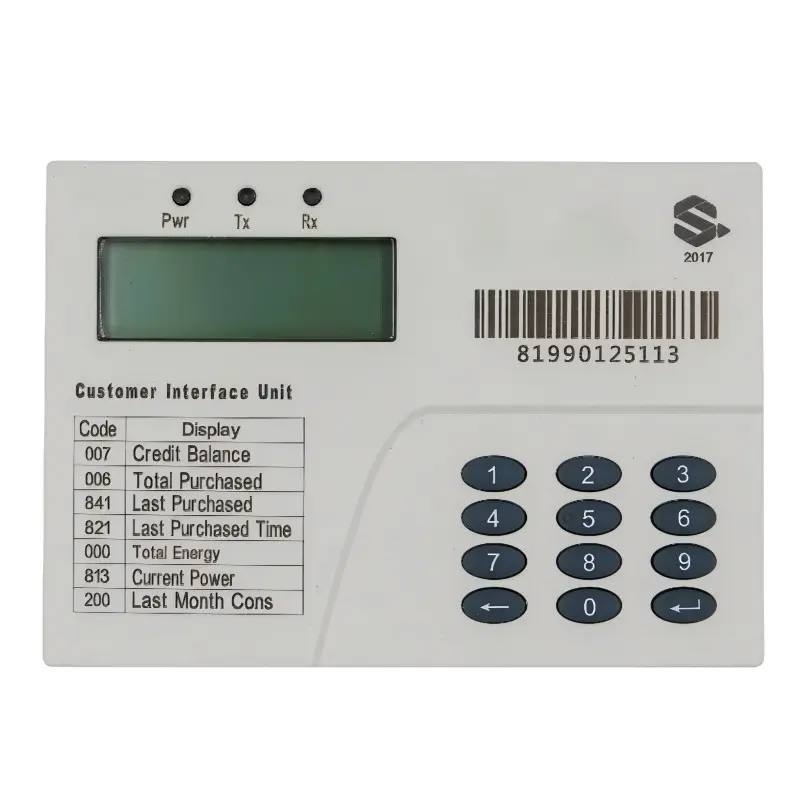
Advanced Metering Infrastructure (AMI) represents a transformative technology that is reshaping how utilities monitor, control, and optimize power distribution networks. Modern electricity grids face unprecedented challenges from increasing demand, renewable energy integration, and the need for enhanced reliability. AMI power grid management solutions provide utilities with real-time visibility into grid operations, enabling more efficient energy distribution and improved customer service. This intelligent metering technology combines smart meters, communication networks, and data management systems to create a comprehensive platform for grid modernization. The implementation of AMI systems has become essential for utilities seeking to enhance operational efficiency while meeting evolving regulatory requirements and customer expectations.
Real-Time Monitoring and Data Collection Capabilities
Comprehensive Grid Visibility Through Smart Metering
AMI power grid management systems deliver unprecedented visibility into electrical network operations through continuous data collection from smart meters deployed across service territories. These intelligent devices capture detailed consumption patterns, voltage levels, and power quality metrics at regular intervals, typically every 15 minutes or less. This granular data collection enables utilities to identify potential issues before they escalate into major outages or equipment failures. The real-time nature of AMI data allows grid operators to make informed decisions quickly, responding to changing conditions with greater precision than traditional monthly meter reading cycles would permit.
The comprehensive monitoring capabilities extend beyond simple energy consumption measurements to include power factor analysis, harmonic distortion detection, and voltage regulation monitoring. This detailed information helps utilities understand how different customer segments impact overall grid performance. AMI power grid management systems can detect unusual consumption patterns that may indicate equipment malfunctions, energy theft, or safety hazards. The ability to correlate data from thousands of smart meters provides utilities with a detailed picture of grid health and performance across their entire service area.
Enhanced Outage Detection and Response
Traditional outage detection methods rely heavily on customer calls and manual inspection, often resulting in delayed response times and extended service interruptions. AMI power grid management transforms this reactive approach into a proactive system that can automatically detect and locate outages within minutes of occurrence. Smart meters equipped with last-gasp functionality transmit signals when power is lost, providing precise geographic information about affected areas. This immediate notification capability enables utilities to dispatch repair crews more efficiently and provide accurate restoration timeframes to customers.
The integration of AMI data with geographic information systems creates powerful visualization tools that help grid operators understand outage patterns and prioritize restoration efforts. Utilities can identify critical infrastructure customers such as hospitals or emergency services and ensure their power is restored first. The detailed outage information also supports better communication with customers through automated messaging systems that provide real-time updates about restoration progress. This enhanced transparency improves customer satisfaction and reduces call center volume during major weather events or equipment failures.
Improved Operational Efficiency and Cost Reduction
Automated Meter Reading and Billing Processes
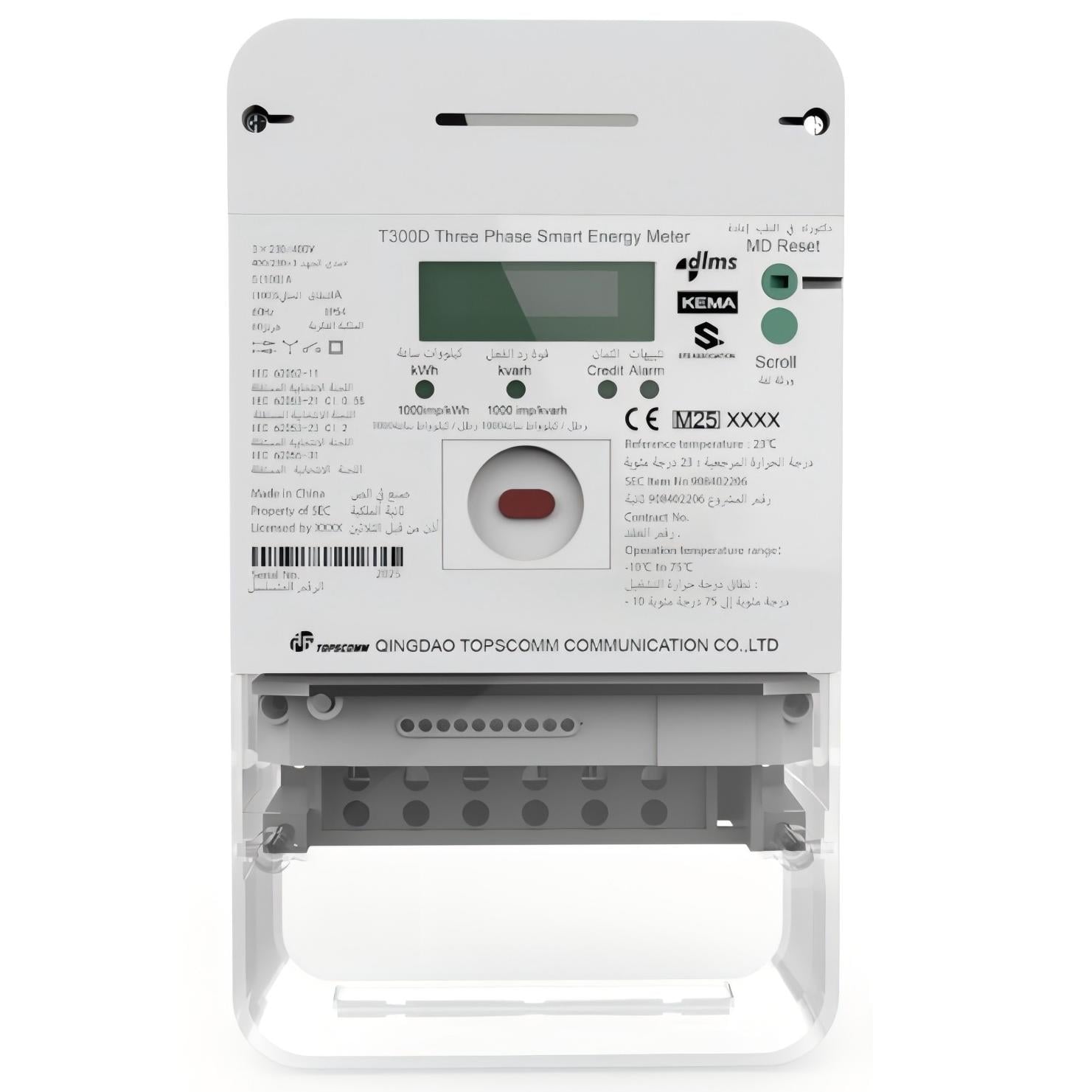
The automation of meter reading processes through AMI power grid management eliminates the need for manual meter reading routes, significantly reducing operational costs and improving data accuracy. Traditional meter reading requires substantial human resources and vehicle fleets to visit each customer location monthly, creating ongoing operational expenses and potential safety risks for utility personnel. AMI systems automatically collect and transmit consumption data, eliminating these manual processes while providing more frequent and accurate readings than human meter readers could achieve.
Automated billing processes benefit from the increased frequency and accuracy of AMI data collection, enabling utilities to identify billing errors quickly and resolve customer disputes more effectively. The detailed consumption data supports more sophisticated rate structures, including time-of-use pricing and demand response programs that encourage customers to shift energy usage to off-peak periods. AMI power grid management systems can also detect tampering or theft through analysis of consumption patterns and meter status information, protecting utility revenue and ensuring fair billing practices for all customers.
Optimized Asset Management and Maintenance
AMI systems provide valuable data for optimizing maintenance schedules and extending the lifespan of grid infrastructure through predictive analytics and condition monitoring. The continuous flow of operational data from smart meters enables utilities to identify equipment operating outside normal parameters before failures occur. This predictive maintenance approach reduces emergency repairs, minimizes unplanned outages, and optimizes maintenance crew scheduling. The data-driven insights help utilities prioritize capital investments and replacement programs based on actual equipment performance rather than arbitrary age-based criteria.
Transformer monitoring through AMI power grid management helps utilities track loading patterns and identify transformers approaching capacity limits before overload conditions occur. This proactive approach prevents equipment failures and allows utilities to plan infrastructure upgrades systematically. The detailed load data also supports more accurate load forecasting for distribution system planning, ensuring adequate capacity for future growth while avoiding costly over-investment in unnecessary infrastructure. Smart meter data integration with asset management systems creates a comprehensive view of grid performance that supports strategic decision-making at all organizational levels.
Enhanced Customer Service and Engagement
Detailed Energy Usage Analytics and Customer Portals
AMI power grid management enables utilities to provide customers with detailed energy usage information through online portals and mobile applications, fostering greater engagement in energy conservation efforts. Customers can access near real-time consumption data, compare usage patterns across different time periods, and identify opportunities to reduce energy costs. This transparency helps customers understand how their behaviors impact energy bills and empowers them to make informed decisions about appliance usage and energy efficiency investments.
Advanced analytics platforms process AMI data to generate personalized energy efficiency recommendations based on individual consumption patterns and similar customer profiles. These insights help customers identify the most cost-effective ways to reduce energy usage while maintaining comfort and convenience. The detailed data also supports home energy audits and enables customers to verify the effectiveness of efficiency improvements such as HVAC upgrades or insulation installations. AMI power grid management systems can also provide alerts about unusual consumption patterns that may indicate equipment malfunctions or energy waste.
Flexible Billing Options and Service Improvements
The granular data collection capabilities of AMI systems support flexible billing options that better align customer payments with actual energy usage patterns. Utilities can offer prepaid metering programs that help customers manage energy budgets more effectively and avoid large monthly bills. The real-time consumption monitoring enables customers to track their energy usage throughout the billing period and adjust behaviors to stay within budget targets. This capability is particularly valuable for customers with limited incomes who need better control over energy expenses.
Remote service connection and disconnection capabilities streamline customer service operations while reducing costs associated with field visits. Utilities can remotely restore service for customers who have resolved past-due balances or activate service for new customers without dispatching technicians. This automation improves customer satisfaction through faster service activation and reduces operational costs. AMI power grid management systems also support remote meter testing and configuration updates, ensuring optimal performance without requiring physical access to customer premises.
Grid Modernization and Smart Grid Integration
Distributed Energy Resource Integration
AMI power grid management plays a crucial role in integrating distributed energy resources such as rooftop solar panels, battery storage systems, and electric vehicle charging stations into the electrical grid. Smart meters provide bidirectional measurement capabilities that accurately track both energy consumption and generation at customer locations with distributed generation facilities. This detailed monitoring is essential for proper net metering calculations and ensures fair compensation for customers who export excess energy to the grid during peak generation periods.
The real-time data from AMI systems enables grid operators to understand how distributed energy resources impact local distribution circuits and make necessary adjustments to maintain power quality and system stability. This information supports the development of grid codes and interconnection standards that ensure safe and reliable operation of customer-owned generation equipment. AMI power grid management systems also facilitate the aggregation of distributed resources for grid services such as voltage support and frequency regulation, creating new revenue opportunities for customers while enhancing overall grid reliability.
Demand Response Program Implementation
Advanced metering infrastructure provides the communication platform necessary for implementing sophisticated demand response programs that help balance electricity supply and demand in real-time. AMI systems can receive and execute demand reduction signals automatically, adjusting customer loads during peak demand periods or grid emergencies. This capability reduces the need for expensive peaking power plants and helps utilities avoid costly wholesale energy purchases during high-demand periods. The detailed consumption data also enables utilities to measure and verify the effectiveness of demand response programs accurately.
AMI power grid management supports dynamic pricing programs that provide price signals to customers in real-time, encouraging energy conservation during periods of high system stress or wholesale market volatility. Smart meters can display current electricity prices and projected costs for the remainder of the billing period, helping customers make informed decisions about when to operate major appliances. The integration of AMI data with home automation systems enables automatic responses to price signals, optimizing energy usage without requiring constant customer attention or intervention.
FAQ
How does AMI improve power grid reliability compared to traditional metering systems
AMI power grid management significantly enhances reliability through real-time monitoring and automated outage detection capabilities that traditional metering systems cannot provide. While conventional meters only report consumption data monthly through manual readings, AMI systems continuously monitor grid conditions and can detect outages within minutes of occurrence. This immediate awareness enables utilities to dispatch repair crews faster and provides detailed location information that reduces restoration times. The predictive analytics capabilities of AMI systems also help utilities identify potential equipment failures before they cause widespread outages, allowing for proactive maintenance that prevents service interruptions.
What are the key cost benefits utilities can expect from AMI implementation
Utilities implementing AMI power grid management systems typically realize substantial cost savings through eliminated meter reading expenses, reduced truck rolls for service connections, and improved operational efficiency. The automation of manual processes reduces labor costs while providing more accurate and frequent data collection. Utilities also benefit from reduced energy theft through better monitoring capabilities and improved asset utilization through detailed load analysis. The enhanced customer service capabilities reduce call center volume and improve customer satisfaction, while the data-driven maintenance programs help extend equipment lifespan and reduce emergency repair costs.
How does AMI support renewable energy integration and grid modernization efforts
AMI power grid management provides essential infrastructure for integrating renewable energy sources and modernizing electrical grids through bidirectional metering capabilities and real-time data collection. Smart meters accurately measure both energy consumption and generation at customer locations with solar panels or other distributed resources, enabling proper net metering and grid impact analysis. The detailed data helps grid operators understand how variable renewable generation affects local distribution circuits and plan necessary infrastructure upgrades. AMI systems also support demand response programs that help balance renewable energy variability and optimize grid operations in real-time.
What cybersecurity measures are implemented in AMI systems to protect grid infrastructure
Modern AMI power grid management systems incorporate multiple layers of cybersecurity protection including encrypted communications, secure authentication protocols, and network segmentation to protect critical infrastructure from cyber threats. Smart meters use advanced encryption standards for data transmission and require secure authentication before accepting configuration changes or firmware updates. The communication networks are typically separated from business systems through firewalls and intrusion detection systems that monitor for suspicious activity. Utilities also implement regular security assessments and vulnerability testing to ensure AMI systems remain protected against evolving cyber threats while maintaining reliable grid operations.
Table of Contents
- Real-Time Monitoring and Data Collection Capabilities
- Improved Operational Efficiency and Cost Reduction
- Enhanced Customer Service and Engagement
- Grid Modernization and Smart Grid Integration
-
FAQ
- How does AMI improve power grid reliability compared to traditional metering systems
- What are the key cost benefits utilities can expect from AMI implementation
- How does AMI support renewable energy integration and grid modernization efforts
- What cybersecurity measures are implemented in AMI systems to protect grid infrastructure