EN
EN



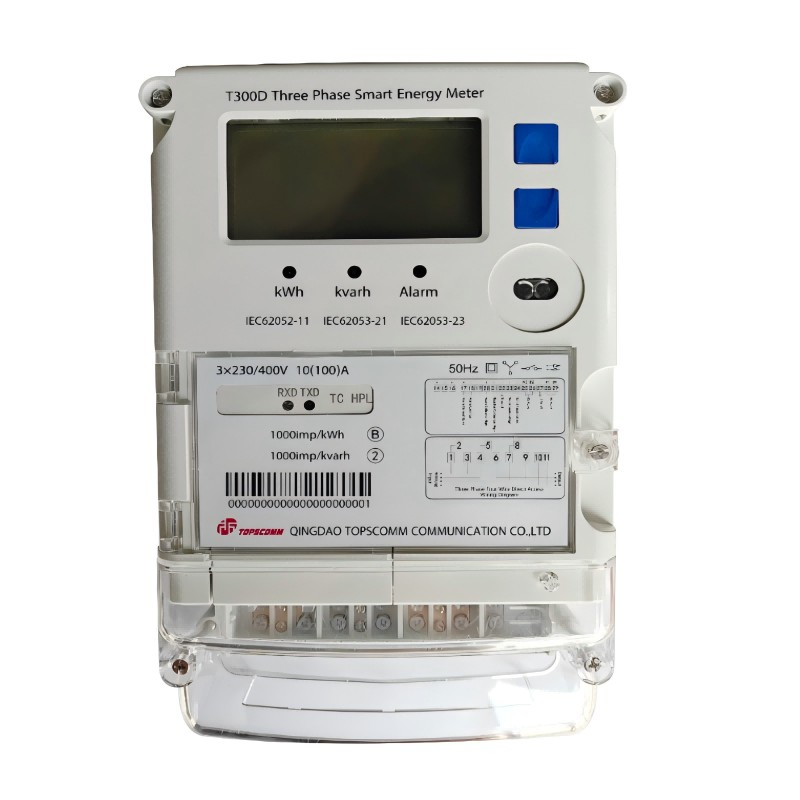
The energy sector is undergoing a revolutionary transformation as utility companies worldwide seek to modernize their infrastructure and meet growing demands for efficiency, reliability, and sustainability. Smart grid solutions represent a paradigm shift from traditional electrical grids to intelligent, automated systems that leverage advanced technologies to optimize energy distribution and management. These sophisticated systems integrate digital communication technologies with conventional power grid infrastructure, creating a bidirectional flow of electricity and information that fundamentally changes how energy providers operate and serve their customers.
Energy providers are increasingly recognizing the immense value that smart grid solutions bring to their operations, from enhanced grid reliability to improved customer satisfaction. The integration of intelligent technologies enables real-time monitoring, predictive maintenance, and automated responses to grid disturbances, significantly reducing downtime and operational costs. As the global energy landscape continues to evolve with the integration of renewable energy sources and the electrification of transportation, smart grid solutions have become essential tools for maintaining grid stability and meeting regulatory requirements.
Enhanced Operational Efficiency Through Intelligent Automation
Real-Time Grid Monitoring and Control
Smart grid solutions revolutionize how energy providers monitor and control their electrical networks through advanced supervisory control and data acquisition systems. These intelligent platforms provide comprehensive visibility into grid operations, enabling operators to track power flows, voltage levels, and system performance across vast geographical areas in real-time. The continuous monitoring capabilities allow for immediate detection of anomalies, equipment failures, or unusual consumption patterns that could indicate potential issues before they escalate into major problems.
The automated control systems integrated within smart grid solutions enable rapid response to changing grid conditions without requiring manual intervention. Advanced algorithms analyze incoming data streams and automatically adjust system parameters to maintain optimal performance, reducing the workload on control room operators while improving response times. This automation capability is particularly valuable during peak demand periods or emergency situations where quick decision-making is critical for maintaining grid stability and preventing cascading failures.
Predictive Maintenance and Asset Management
Modern smart grid solutions incorporate sophisticated analytics engines that process historical and real-time data to predict when equipment is likely to require maintenance or replacement. These predictive capabilities enable energy providers to transition from reactive maintenance strategies to proactive approaches that minimize unplanned outages and extend asset lifespans. By analyzing patterns in equipment performance data, vibration measurements, thermal imaging, and other diagnostic indicators, smart grid solutions can identify potential failures weeks or months before they occur.
The asset management benefits extend beyond simple maintenance scheduling to encompass comprehensive lifecycle management strategies that optimize capital investments and operational expenditures. Smart grid solutions provide detailed analytics on asset utilization, performance degradation trends, and replacement timing recommendations that help energy providers make informed decisions about infrastructure upgrades and investments. This data-driven approach to asset management typically results in 15-20% reductions in maintenance costs while improving overall system reliability and performance.
Improved Grid Reliability and Resilience
Automatic Fault Detection and Isolation
One of the most significant benefits that smart grid solutions deliver to energy providers is the ability to automatically detect, locate, and isolate faults within the electrical network. Advanced protection systems equipped with intelligent electronic devices can identify fault conditions within milliseconds and automatically reconfigure the grid to minimize the impact on customers. These systems utilize sophisticated algorithms that analyze current and voltage waveforms to distinguish between temporary disturbances and permanent faults, ensuring appropriate responses for each situation.
The fault isolation capabilities of smart grid solutions dramatically reduce the scope and duration of power outages by enabling surgical disconnection of affected circuit sections while maintaining service to unaffected areas. Self-healing grid technologies can automatically reroute power through alternative pathways, often restoring service to customers before they even realize an outage has occurred. This level of automation and intelligence significantly improves customer satisfaction while reducing the operational costs associated with outage response and restoration activities.
Enhanced Weather Resilience and Disaster Recovery
Smart grid solutions provide energy providers with unprecedented capabilities to prepare for, respond to, and recover from severe weather events and natural disasters. Advanced weather monitoring integration allows grid operators to correlate meteorological data with system performance, enabling proactive measures such as pre-positioning repair crews and adjusting system configurations before storms arrive. The distributed intelligence embedded throughout smart grid solutions ensures that critical decision-making capabilities remain operational even when central control systems are compromised.
During disaster recovery operations, smart grid solutions facilitate rapid assessment of system damage and prioritization of restoration efforts based on critical infrastructure needs and customer impact. Mobile command centers equipped with smart grid technologies can establish temporary control points and coordinate restoration activities across multiple affected areas simultaneously. The comprehensive data logging and analysis capabilities help energy providers conduct post-event assessments to identify vulnerabilities and implement improvements that enhance future resilience.
Advanced Customer Services and Engagement
Dynamic Pricing and Demand Response Programs
Smart grid solutions enable energy providers to implement sophisticated pricing structures and demand response programs that benefit both the utility and its customers. Time-of-use pricing, critical peak pricing, and real-time pricing models become feasible through the bidirectional communication capabilities inherent in smart grid architectures. These pricing mechanisms encourage customers to shift their electricity consumption to off-peak periods, reducing overall system stress and deferring the need for expensive infrastructure upgrades.
The demand response capabilities facilitated by smart grid solutions allow energy providers to remotely manage customer loads during peak demand periods or emergency conditions. Automated systems can temporarily reduce or interrupt non-critical loads such as water heaters, air conditioning systems, or industrial processes based on predetermined agreements with customers. These programs typically provide financial incentives to participating customers while helping utilities avoid the costs associated with operating expensive peaking power plants or purchasing power from wholesale markets during high-demand periods.
Enhanced Billing Accuracy and Customer Analytics
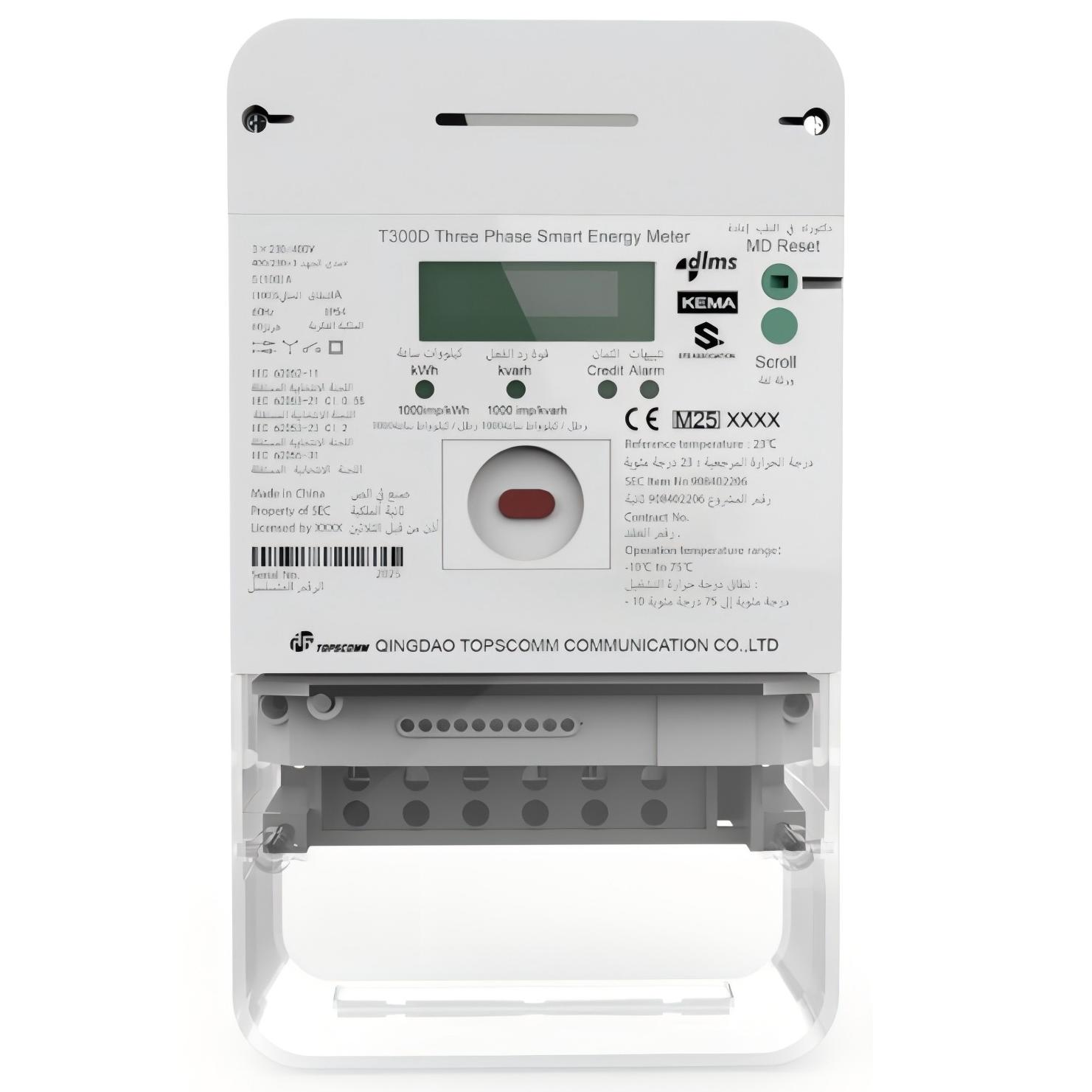
The implementation of smart grid solutions eliminates many of the billing inaccuracies and estimation errors associated with traditional meter reading processes. Advanced metering infrastructure provides precise, time-stamped consumption data that enables accurate billing and supports detailed usage analysis. Customers receive more transparent and informative bills that help them understand their consumption patterns and identify opportunities for energy savings.
Smart grid solutions also provide energy providers with rich datasets that enable sophisticated customer analytics and segmentation strategies. By analyzing consumption patterns, load profiles, and response to pricing signals, utilities can develop targeted programs and services that meet specific customer needs. These insights support the development of personalized energy efficiency recommendations, customized rate plans, and proactive customer service initiatives that improve satisfaction and loyalty while reducing customer acquisition and retention costs.
Integration of Renewable Energy Sources
Distributed Generation Management
Smart grid solutions play a crucial role in enabling the seamless integration of distributed renewable energy sources such as rooftop solar panels, small wind turbines, and battery storage systems. The bidirectional power flow capabilities inherent in smart grid architectures accommodate the variable and intermittent nature of renewable generation while maintaining grid stability and power quality. Advanced inverter technologies and grid-interactive devices ensure that distributed energy resources operate in harmony with the broader electrical system.
The visibility and control capabilities provided by smart grid solutions allow energy providers to monitor and manage thousands of small-scale renewable energy installations across their service territories. Real-time data on generation output, system performance, and grid conditions enables operators to optimize the integration of renewable resources while maintaining system reliability. These capabilities are essential for meeting renewable portfolio standards and carbon reduction targets while ensuring that grid operations remain stable and secure.
Energy Storage Optimization
Smart grid solutions enable sophisticated management and optimization of energy storage systems deployed throughout the electrical network. Battery storage systems, pumped hydro facilities, and other storage technologies can be coordinated to provide multiple grid services simultaneously, including peak shaving, frequency regulation, voltage support, and renewable energy smoothing. The intelligent control algorithms embedded in smart grid solutions optimize charging and discharging cycles to maximize the value and lifespan of storage assets.
The integration of energy storage through smart grid solutions provides energy providers with flexible resources that can respond rapidly to changing grid conditions and market signals. Storage systems can absorb excess renewable energy during periods of high generation and low demand, then release that energy when it is needed most. This capability helps balance supply and demand in real-time while reducing the need for traditional peaking power plants and improving overall system efficiency.
Economic Benefits and Cost Optimization
Operational Cost Reduction
The deployment of smart grid solutions typically results in significant operational cost reductions for energy providers through improved efficiency, reduced maintenance requirements, and optimized resource utilization. Automated systems reduce the need for manual meter reading, field inspections, and routine maintenance activities, allowing utilities to redeploy personnel to higher-value activities. The predictive maintenance capabilities prevent costly emergency repairs and extend the useful life of grid assets, reducing capital expenditure requirements.
Smart grid solutions also optimize energy procurement and dispatch decisions by providing real-time visibility into system conditions and accurate demand forecasting. Advanced analytics engines process weather data, historical consumption patterns, and economic indicators to predict future electricity demand with greater accuracy than traditional methods. This improved forecasting capability enables energy providers to make more informed decisions about power purchases and generation scheduling, reducing fuel costs and market exposure risks.
Revenue Enhancement Opportunities
Beyond cost reduction, smart grid solutions create new revenue opportunities for energy providers through enhanced service offerings and improved customer engagement. Premium services such as power quality monitoring, backup power coordination, and energy management consulting become feasible with the advanced capabilities provided by smart grid infrastructure. These value-added services can generate additional revenue streams while strengthening customer relationships and improving competitive positioning.
The data analytics capabilities inherent in smart grid solutions enable energy providers to develop innovative rate structures and service plans that better align with customer needs and usage patterns. Time-differentiated pricing, seasonal rate variations, and demand-based billing models can optimize revenue generation while encouraging efficient energy use. The ability to offer real-time pricing and dynamic rate structures provides competitive advantages in deregulated markets and helps utilities adapt to changing customer expectations and market conditions.
FAQ
How do smart grid solutions improve power outage response times
Smart grid solutions dramatically improve outage response times through automated fault detection and isolation systems that can identify and locate problems within seconds of occurrence. Advanced sensors and intelligent switching devices automatically isolate affected areas and reroute power through alternative pathways, often restoring service before customers notice an interruption. When manual restoration is required, smart grid solutions provide precise fault location information and real-time system status updates that enable repair crews to respond more efficiently and restore service faster than traditional methods.
What return on investment can energy providers expect from smart grid implementations
Energy providers typically see positive returns on smart grid solutions investments within 5-10 years, with many utilities reporting benefit-to-cost ratios of 2:1 or higher over the system lifecycle. The primary sources of value include reduced operational and maintenance costs, improved system reliability, deferred infrastructure investments, and enhanced customer services. Additional benefits such as improved regulatory compliance, environmental performance, and competitive positioning provide further value that may be difficult to quantify but contribute significantly to long-term business success.
How do smart grid solutions support renewable energy integration
Smart grid solutions provide essential capabilities for integrating variable renewable energy sources through advanced forecasting, real-time monitoring, and automated control systems. The bidirectional communication and power flow capabilities enable coordination between distributed generation resources, energy storage systems, and flexible loads to maintain grid stability despite the intermittent nature of renewable sources. Smart grid solutions also facilitate virtual power plant concepts that aggregate multiple small renewable installations to provide reliable grid services equivalent to traditional power plants.
What cybersecurity measures are included in modern smart grid solutions
Modern smart grid solutions incorporate multiple layers of cybersecurity protection including encrypted communications, secure authentication protocols, network segmentation, and continuous monitoring systems. Advanced threat detection algorithms identify unusual network activity or unauthorized access attempts in real-time, enabling rapid response to potential security incidents. Regular security assessments, software updates, and compliance with industry standards such as NERC CIP ensure that smart grid solutions maintain robust protection against evolving cyber threats while supporting reliable grid operations.