EN
EN



Modern utilities face unprecedented challenges in delivering reliable, efficient, and sustainable energy services to an increasingly connected world. The traditional power grid infrastructure, built decades ago, struggles to meet contemporary demands for real-time monitoring, bidirectional energy flow, and integrated renewable energy sources. Smart grid solutions have emerged as the transformative technology that enables utilities to modernize their operations, improve reliability, and optimize energy distribution across complex networks.
The integration of advanced communication technologies, data analytics, and automated control systems within smart grid solutions creates a sophisticated ecosystem that fundamentally changes how electricity is generated, transmitted, and consumed. These intelligent networks provide utilities with unprecedented visibility into grid operations, enabling proactive maintenance, demand response capabilities, and seamless integration of distributed energy resources. The implementation of smart grid solutions represents a critical evolution from reactive grid management to predictive, data-driven utility operations.
Core Components of Advanced Smart Grid Infrastructure
Intelligent Monitoring and Control Systems
Smart grid solutions incorporate sophisticated monitoring systems that continuously assess grid conditions, voltage levels, and power flow patterns across the entire network infrastructure. These intelligent systems utilize advanced sensors, smart meters, and communication protocols to collect real-time data from thousands of monitoring points throughout the electrical grid. The comprehensive data collection enables utility operators to identify potential issues before they escalate into service disruptions, significantly improving overall grid reliability and performance.
The control systems within smart grid solutions employ machine learning algorithms and predictive analytics to optimize power distribution automatically. These systems can detect anomalies in power consumption patterns, identify equipment degradation, and implement corrective actions without human intervention. The integration of artificial intelligence capabilities allows smart grid solutions to adapt to changing conditions dynamically, ensuring optimal performance under varying load scenarios and environmental conditions.
Advanced Communication Networks
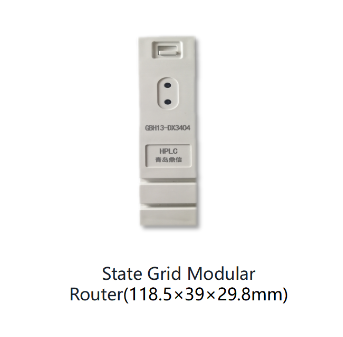
Robust communication infrastructure forms the backbone of effective smart grid solutions, enabling seamless data exchange between grid components, control centers, and end-user devices. These networks typically employ multiple communication technologies, including fiber optic cables, wireless systems, and power line communications, to ensure redundant connectivity and reliable data transmission. The communication architecture supports bidirectional information flow, allowing utilities to receive consumption data from smart meters while simultaneously transmitting control signals to grid-connected devices.
The implementation of secure communication protocols within smart grid solutions protects sensitive operational data and prevents unauthorized access to critical infrastructure systems. Advanced encryption methods and cybersecurity frameworks safeguard the integrity of data transmission, ensuring that grid operations remain secure against potential cyber threats. These communication networks enable real-time coordination between distributed energy resources, energy storage systems, and traditional generation facilities.
Operational Benefits and Performance Enhancements
Enhanced Grid Reliability and Resilience
Smart grid solutions dramatically improve grid reliability by providing utilities with comprehensive situational awareness and rapid response capabilities during system disturbances. The advanced monitoring systems can detect faults within milliseconds, automatically isolate affected sections, and reroute power through alternative pathways to minimize service interruptions. This self-healing capability reduces outage duration and frequency, significantly improving customer satisfaction and reducing revenue losses associated with power disruptions.
The resilience features of smart grid solutions enable utilities to recover quickly from major weather events, equipment failures, or other system disturbances. Automated switching capabilities allow the grid to reconfigure itself dynamically, maintaining service to critical facilities even when portions of the network are compromised. These resilience enhancements are particularly valuable in areas prone to extreme weather conditions or other natural disasters that traditionally cause extended power outages.
Optimized Energy Distribution and Load Management
Smart grid solutions enable sophisticated demand response programs that help utilities manage peak load periods more effectively while providing customers with incentives to modify their energy consumption patterns. The real-time communication capabilities allow utilities to send pricing signals and load reduction requests directly to customer devices, enabling automatic adjustment of non-essential loads during high-demand periods. This dynamic load management reduces the need for expensive peaking power plants and improves overall system efficiency.
The optimization algorithms within smart grid solutions continuously analyze consumption patterns, weather forecasts, and generation availability to predict future load requirements accurately. This predictive capability enables utilities to optimize generation dispatch, minimize transmission losses, and coordinate energy storage systems effectively. The result is improved operational efficiency, reduced fuel consumption, and lower overall system costs that can be passed along to consumers.
Integration with Renewable Energy Sources
Distributed Energy Resource Management
Smart grid solutions provide the essential infrastructure for integrating high penetrations of renewable energy sources, including solar photovoltaic systems, wind turbines, and energy storage installations. The advanced control systems can manage the variable output characteristics of renewable generators, automatically adjusting grid operations to accommodate fluctuating power generation levels. This capability is crucial for utilities seeking to meet renewable energy mandates while maintaining grid stability and power quality.
The distributed energy resource management capabilities of smart grid solutions enable utilities to coordinate thousands of small-scale renewable generators and energy storage systems as virtual power plants. These aggregated resources can provide grid services traditionally supplied by large central power stations, including frequency regulation, voltage support, and spinning reserves. The coordination of distributed resources through smart grid solutions maximizes the value of renewable energy investments while enhancing overall grid flexibility.
Energy Storage System Coordination
Smart grid solutions facilitate the optimal operation of battery energy storage systems, pumped hydro storage, and other energy storage technologies that are essential for managing renewable energy variability. The intelligent control systems can coordinate charging and discharging cycles across multiple storage installations to provide maximum benefit to grid operations. Energy storage systems integrated through smart grid solutions can store excess renewable energy during periods of high generation and release it when demand exceeds renewable output.
The coordination capabilities extend to customer-owned energy storage systems, including electric vehicle batteries and residential battery installations, which can be aggregated to provide grid services through smart grid solutions. This distributed storage network creates a flexible resource that can respond rapidly to grid conditions, providing frequency regulation, peak shaving, and backup power capabilities. The integration of diverse storage technologies through smart grid solutions enhances grid resilience while maximizing the economic value of storage investments.
Economic Advantages and Cost Optimization
Operational Efficiency Improvements
The implementation of smart grid solutions delivers significant operational efficiency improvements that translate directly into cost savings for utilities and their customers. Automated systems reduce the need for manual inspections, field visits, and routine maintenance activities, lowering operational expenses while improving the accuracy of grid operations. The predictive maintenance capabilities enabled by smart grid solutions help utilities identify equipment issues before they result in failures, reducing emergency repair costs and extending asset lifespans.
Smart grid solutions optimize energy procurement and generation dispatch decisions by providing detailed visibility into system conditions and accurate load forecasting capabilities. Utilities can reduce fuel costs by operating generation resources more efficiently and minimizing the use of expensive peaking power plants. The improved load forecasting accuracy enables better coordination with wholesale energy markets, allowing utilities to optimize their energy purchasing strategies and reduce overall supply costs.
Infrastructure Investment Optimization
Smart grid solutions help utilities defer or avoid costly infrastructure upgrades by optimizing the utilization of existing transmission and distribution assets. The dynamic load management capabilities can redistribute power flows to utilize underutilized network segments while avoiding overloaded circuits. This optimization reduces the need for new transmission lines, substations, and distribution equipment, resulting in significant capital expenditure savings.
The asset management capabilities within smart grid solutions provide utilities with detailed information about equipment condition, loading patterns, and performance trends that inform strategic investment decisions. This data-driven approach to infrastructure planning ensures that capital investments are targeted toward assets with the greatest need for upgrade or replacement. The result is more efficient allocation of capital resources and improved return on infrastructure investments.
Customer Engagement and Service Enhancement
Advanced Metering and Customer Information
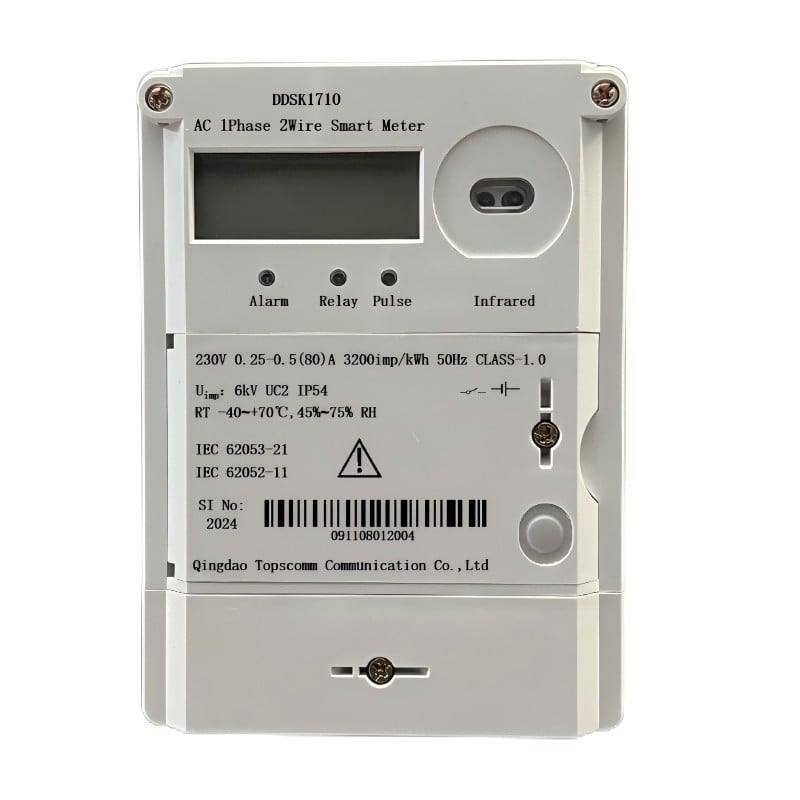
Smart grid solutions include advanced metering infrastructure that provides customers with detailed information about their energy consumption patterns, enabling them to make informed decisions about energy usage. The smart meters can transmit consumption data at frequent intervals, allowing customers to track their usage throughout the day and identify opportunities for energy savings. This enhanced visibility into energy consumption empowers customers to participate more actively in energy management and demand response programs.
The customer engagement platforms integrated with smart grid solutions provide personalized energy insights, usage comparisons with similar customers, and recommendations for energy efficiency improvements. These platforms can automatically detect unusual consumption patterns that might indicate equipment malfunctions or energy waste, alerting customers to potential problems before they result in high energy bills. The enhanced customer experience facilitated by smart grid solutions improves satisfaction and strengthens the relationship between utilities and their customers.
Enhanced Service Reliability and Communication
Smart grid solutions enable utilities to provide customers with real-time information about service disruptions, estimated restoration times, and planned maintenance activities. The advanced monitoring capabilities allow utilities to detect outages immediately and communicate with affected customers through multiple channels, including mobile applications, text messages, and social media platforms. This proactive communication approach reduces customer frustration during service disruptions and demonstrates the utility's commitment to customer service.
The service reliability improvements delivered by smart grid solutions result in fewer power quality issues, reduced voltage fluctuations, and more stable electrical service for customers. Industrial and commercial customers particularly benefit from the enhanced power quality, which reduces equipment downtime, product defects, and other costly disruptions to business operations. The improved service reliability strengthens customer satisfaction and supports economic development in the utility service territory.
Future Developments and Technology Evolution
Artificial Intelligence and Machine Learning Integration
The next generation of smart grid solutions will incorporate advanced artificial intelligence and machine learning capabilities that enable even more sophisticated grid optimization and predictive maintenance functions. These AI-powered systems will learn from historical data patterns, weather conditions, and customer behaviors to make increasingly accurate predictions about grid conditions and energy demand. The continuous learning capabilities will allow smart grid solutions to adapt automatically to changing conditions and improve performance over time.
Machine learning algorithms within future smart grid solutions will optimize renewable energy integration, storage system operations, and demand response programs with unprecedented precision. The AI capabilities will enable autonomous grid operations that require minimal human intervention while maintaining high reliability and efficiency standards. These advanced smart grid solutions will support the integration of emerging technologies, including electric vehicle charging networks, smart buildings, and industrial Internet of Things applications.
Cybersecurity Enhancements and Protection Protocols
Future developments in smart grid solutions will include enhanced cybersecurity frameworks that protect against evolving cyber threats while maintaining operational flexibility and efficiency. Advanced threat detection systems will monitor network traffic continuously, identifying suspicious activities and implementing automated countermeasures to prevent security breaches. The cybersecurity enhancements will incorporate blockchain technology, quantum encryption, and other cutting-edge security technologies to safeguard critical infrastructure systems.
The security protocols within future smart grid solutions will enable secure data sharing between utilities, regulatory agencies, and third-party service providers while maintaining strict access controls and audit trails. These enhanced security capabilities will support the development of energy markets, peer-to-peer energy trading platforms, and other innovative applications that require trusted data exchange between multiple parties. The robust cybersecurity frameworks will ensure that smart grid solutions remain secure and resilient as they become increasingly connected and automated.
FAQ
What are the primary components of smart grid solutions
Smart grid solutions consist of several key components including advanced metering infrastructure, intelligent monitoring systems, automated control devices, robust communication networks, and data analytics platforms. These components work together to create an interconnected system that enables real-time monitoring, automated control, and optimized energy distribution across the electrical grid network.
How do smart grid solutions improve power reliability
Smart grid solutions improve power reliability through advanced fault detection, automatic switching capabilities, and self-healing network functions. When equipment failures or system disturbances occur, smart grid solutions can identify affected areas within milliseconds, isolate problems automatically, and reroute power through alternative pathways to minimize service interruptions and restore normal operations quickly.
What role do smart grid solutions play in renewable energy integration
Smart grid solutions provide essential infrastructure for integrating renewable energy sources by managing variable generation patterns, coordinating energy storage systems, and optimizing distributed energy resources. The advanced control capabilities enable utilities to maintain grid stability while accommodating high penetrations of solar, wind, and other renewable generators that have variable output characteristics.
How do smart grid solutions benefit utility customers
Smart grid solutions benefit customers through improved service reliability, enhanced power quality, detailed energy usage information, and opportunities to participate in demand response programs. Customers receive real-time consumption data, outage notifications, and personalized energy management recommendations that help them reduce energy costs and make more informed decisions about their electricity usage patterns.