EN
EN



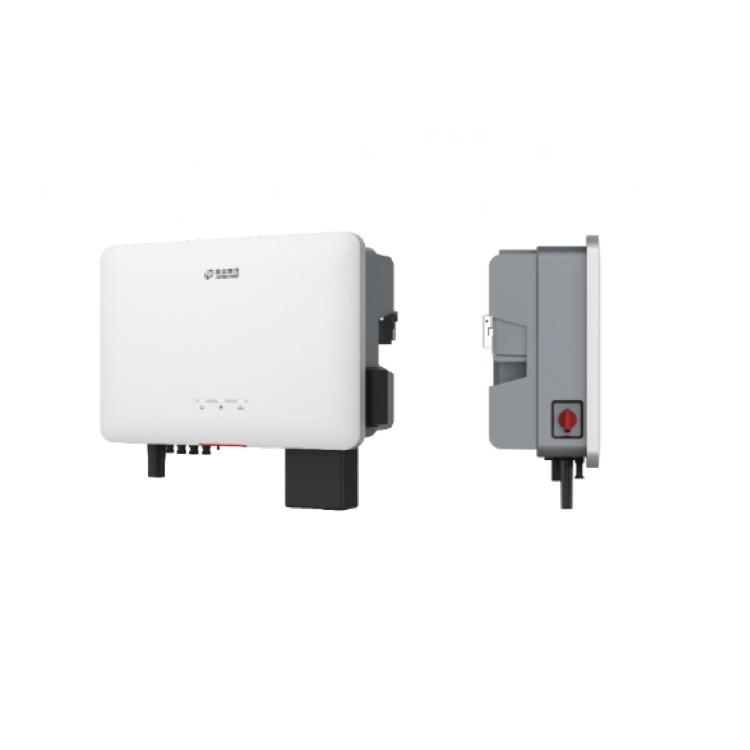
Solar energy systems have become increasingly popular as homeowners and businesses seek sustainable energy solutions. However, the direct current electricity generated by solar panels cannot be used directly by most household appliances and grid systems. This is where a photovoltaic inverter becomes an essential component of any solar installation. A photovoltaic inverter serves as the critical bridge between your solar panels and your electrical system, converting the DC power generated by photovoltaic cells into usable alternating current electricity. Understanding the importance and functionality of these devices is crucial for anyone considering solar energy adoption.
Understanding Photovoltaic Inverter Technology
Basic Function and Operation
A photovoltaic inverter operates through sophisticated electronic circuits that transform the variable DC output from solar panels into stable AC electricity. The conversion process involves multiple stages of power conditioning, including voltage regulation, frequency control, and waveform optimization. Modern photovoltaic inverter units utilize advanced semiconductor technology, particularly insulated gate bipolar transistors and power MOSFETs, to achieve high conversion efficiency rates typically exceeding 95 percent. This conversion process must occur continuously and seamlessly to ensure consistent power delivery to connected loads and grid systems.
The electronic switching mechanisms within a photovoltaic inverter operate at high frequencies, typically between 16 and 20 kilohertz, to minimize harmonic distortion and electromagnetic interference. These devices incorporate sophisticated control algorithms that monitor input conditions and adjust switching patterns accordingly. The result is clean, stable AC power that meets stringent utility grid requirements and electrical safety standards. Advanced photovoltaic inverter models include features such as maximum power point tracking, which optimizes energy harvest from solar panels under varying environmental conditions.
Types of Inverter Technologies
String inverters represent the most common type of photovoltaic inverter installation, connecting multiple solar panels in series to a single conversion unit. These systems offer cost-effective solutions for residential and small commercial applications where panels experience similar shading and orientation conditions. String photovoltaic inverter configurations typically handle power ranges from 1 kilowatt to 100 kilowatts, making them suitable for various installation sizes. The centralized design simplifies installation and maintenance while providing reliable performance for most solar applications.
Microinverters and power optimizers represent alternative approaches to photovoltaic inverter design, offering module-level power conversion and optimization. These distributed systems provide enhanced performance monitoring capabilities and improved energy harvest in installations with complex shading patterns or multiple panel orientations. While microinverters perform complete DC to AC conversion at each panel, power optimizers work in conjunction with a central photovoltaic inverter to maximize individual module performance. Both technologies offer advantages in specific applications but require careful cost-benefit analysis compared to traditional string inverter systems.
Essential Benefits of Photovoltaic Inverters
Grid Integration and Safety Features
Modern photovoltaic inverter systems incorporate comprehensive safety features designed to protect both equipment and personnel during normal operation and fault conditions. Anti-islanding protection ensures that the inverter immediately disconnects from the utility grid during power outages, preventing dangerous backfeed conditions that could endanger utility workers. Ground fault detection circuits continuously monitor system insulation and automatically shut down the photovoltaic inverter when potentially hazardous conditions are detected. These safety mechanisms are mandated by electrical codes and utility interconnection standards worldwide.
Grid synchronization capabilities allow photovoltaic inverter systems to seamlessly integrate with existing electrical infrastructure while maintaining power quality standards. Advanced inverters can provide grid support services including voltage regulation, frequency response, and reactive power compensation. Smart inverter functions enable communication with utility control systems, allowing for remote monitoring and control of distributed solar generation resources. These features make photovoltaic inverter systems valuable assets for grid stability and renewable energy integration initiatives.
Performance Monitoring and Optimization
Contemporary photovoltaic inverter designs include comprehensive monitoring capabilities that provide real-time visibility into system performance and operational status. These monitoring systems track key parameters including power output, energy production, system efficiency, and environmental conditions. Advanced diagnostic features can identify potential issues such as module degradation, wiring problems, or component failures before they significantly impact system performance. Web-based monitoring platforms enable remote system oversight and maintenance scheduling optimization.
Data logging capabilities within photovoltaic inverter systems create valuable historical records for performance analysis and warranty validation. This information helps identify long-term trends, seasonal variations, and potential maintenance requirements. Some inverter models incorporate machine learning algorithms that can predict optimal operating parameters based on historical performance data and weather forecasting information. These intelligent features maximize energy production while extending equipment lifespan through optimized operating strategies.
Installation and Configuration Requirements
Sizing and Electrical Specifications
Proper sizing of a photovoltaic inverter requires careful analysis of solar array characteristics, electrical loads, and grid interconnection requirements. The inverter capacity should typically match 80 to 120 percent of the total solar panel rating, depending on installation location, shading conditions, and performance optimization goals. Undersizing can limit energy production during peak generation periods, while oversizing may result in reduced efficiency during low light conditions. Professional system designers consider multiple factors including string voltage ranges, current capacity, and environmental operating conditions when selecting appropriate photovoltaic inverter specifications.
Electrical integration of photovoltaic inverter systems requires compliance with local electrical codes, utility interconnection standards, and safety regulations. Proper grounding, circuit protection, and disconnect mechanisms must be installed according to manufacturer specifications and jurisdictional requirements. AC and DC wiring must be sized appropriately for system current ratings with adequate derating for temperature and conduit fill conditions. The photovoltaic inverter location should provide adequate ventilation, protection from environmental elements, and accessibility for maintenance activities.
Environmental and Operational Considerations
Environmental factors significantly impact photovoltaic inverter performance and longevity, requiring careful consideration during system design and installation. Operating temperature ranges, humidity levels, and exposure to corrosive elements must be evaluated when selecting appropriate inverter models and installation locations. Many photovoltaic inverter units include active cooling systems such as variable speed fans or heat sinks to maintain optimal operating temperatures. Proper ventilation and shading of inverter enclosures can significantly extend equipment lifespan and maintain peak efficiency.
Altitude, seismic considerations, and extreme weather conditions may require special photovoltaic inverter configurations or protective measures. High altitude installations may require derating due to reduced air density affecting cooling efficiency. Coastal installations require enhanced corrosion protection and sealed enclosures to prevent salt air infiltration. Regional climate patterns influence thermal cycling stress and may affect warranty coverage or maintenance requirements for photovoltaic inverter equipment.
Economic and Performance Benefits
Energy Efficiency and Cost Savings
High efficiency photovoltaic inverter systems directly translate to increased energy production and reduced electricity costs over the system lifetime. Modern inverters achieve peak efficiency ratings exceeding 98 percent, with weighted efficiency ratings typically above 96 percent across various operating conditions. These efficiency improvements can result in significant additional energy generation compared to older inverter technologies. The economic value of efficiency gains becomes particularly important in commercial installations where small percentage improvements translate to substantial financial benefits.
Advanced maximum power point tracking algorithms within photovoltaic inverter systems optimize energy harvest under varying environmental conditions including partial shading, temperature fluctuations, and changing solar irradiance levels. These optimization features can increase annual energy production by 5 to 25 percent compared to systems without sophisticated tracking capabilities. The economic benefits compound over the 25 to 30 year expected lifespan of solar installations, making inverter efficiency and optimization features critical investment considerations.
Maintenance and Reliability Factors
Modern photovoltaic inverter designs emphasize reliability and reduced maintenance requirements through advanced component selection and protective features. Solid-state switching devices and capacitor technologies have significantly improved operational lifespans compared to earlier inverter generations. Many manufacturers provide warranty coverage extending 10 to 25 years, reflecting confidence in product reliability and performance consistency. Predictive maintenance capabilities help identify potential issues before failures occur, reducing unexpected downtime and repair costs.
Remote monitoring and diagnostic capabilities reduce the need for routine site visits while enabling proactive maintenance scheduling. Advanced photovoltaic inverter systems can automatically notify service technicians of performance anomalies or fault conditions, enabling rapid response to minimize energy production losses. Some inverter models include self-diagnostic routines and automatic parameter adjustments that maintain optimal performance without manual intervention. These features reduce long-term operational costs while maximizing system availability and energy production.
Future Technology Developments
Smart Grid Integration Capabilities
Next-generation photovoltaic inverter technologies are incorporating enhanced grid integration capabilities that support utility grid modernization initiatives. Advanced communication protocols enable inverters to participate in demand response programs, voltage regulation services, and frequency support functions. These smart grid capabilities allow distributed solar resources to provide valuable ancillary services to utility operators while creating additional revenue opportunities for system owners. Bi-directional power flow capabilities support energy storage integration and electric vehicle charging applications.
Artificial intelligence and machine learning integration within photovoltaic inverter systems enable autonomous optimization based on historical performance data, weather forecasting, and grid conditions. These intelligent systems can predict optimal operating parameters, anticipate maintenance requirements, and adapt to changing environmental conditions without human intervention. Advanced forecasting capabilities help grid operators better integrate variable renewable energy resources while maintaining system stability and reliability.
Enhanced Safety and Security Features
Cybersecurity considerations are becoming increasingly important as photovoltaic inverter systems incorporate enhanced connectivity and communication capabilities. Advanced encryption protocols, secure communication channels, and intrusion detection systems protect against unauthorized access and cyber threats. Regular security updates and patch management capabilities ensure that inverter systems remain protected against evolving security risks. These features are particularly important for commercial and utility-scale installations where system compromise could have significant operational and financial impacts.
Rapid shutdown capabilities and enhanced arc fault detection represent important safety advances in photovoltaic inverter technology. These features provide improved protection for first responders during emergency situations while reducing fire risks associated with DC electrical systems. Module-level shutdown capabilities can isolate individual panels or strings when fault conditions are detected, maintaining system safety while minimizing production losses. Advanced fault detection algorithms can distinguish between normal operating transients and potentially dangerous arc fault conditions.
FAQ
What is the typical lifespan of a photovoltaic inverter
Most modern photovoltaic inverter systems are designed to operate reliably for 15 to 25 years, though actual lifespan depends on environmental conditions, installation quality, and maintenance practices. String inverters typically require replacement once during a solar system's 25 to 30 year lifespan, while microinverters often include warranties extending 20 to 25 years. Regular maintenance, proper ventilation, and protection from extreme environmental conditions can significantly extend photovoltaic inverter operational life. Manufacturers continue improving component reliability and offering extended warranty options as technology advances.
How do I know if my photovoltaic inverter needs replacement
Common signs indicating photovoltaic inverter replacement needs include significant decreases in energy production, frequent fault alarms, unusual noises, visible damage to enclosures, or complete system shutdown. Monitoring systems typically provide error codes and performance alerts that help identify specific issues. A properly functioning photovoltaic inverter should operate quietly with minimal visible indicators beyond normal status lights. Professional system inspection can determine whether repair or replacement is the most cost-effective solution when performance issues arise.
Can I upgrade my existing photovoltaic inverter to improve performance
Upgrading an existing photovoltaic inverter can improve system performance, efficiency, and monitoring capabilities, though compatibility with existing solar panels and electrical infrastructure must be verified. Newer inverter technologies offer enhanced efficiency ratings, improved monitoring features, and smart grid capabilities not available in older models. However, electrical modifications may be required to accommodate different voltage ranges, current ratings, or communication protocols. Professional evaluation helps determine upgrade feasibility and expected return on investment for photovoltaic inverter replacement projects.
What maintenance does a photovoltaic inverter require
Photovoltaic inverter maintenance requirements are generally minimal but include periodic visual inspections, cleaning of ventilation areas, and verification of electrical connections. Most modern inverters include self-diagnostic capabilities and remote monitoring that reduce hands-on maintenance needs. Annual professional inspections can identify potential issues before they impact system performance. Keeping inverter enclosures clean and ensuring adequate ventilation helps maintain optimal operating temperatures and extends equipment lifespan. Documentation of maintenance activities supports warranty coverage and helps track long-term performance trends.