EN
EN



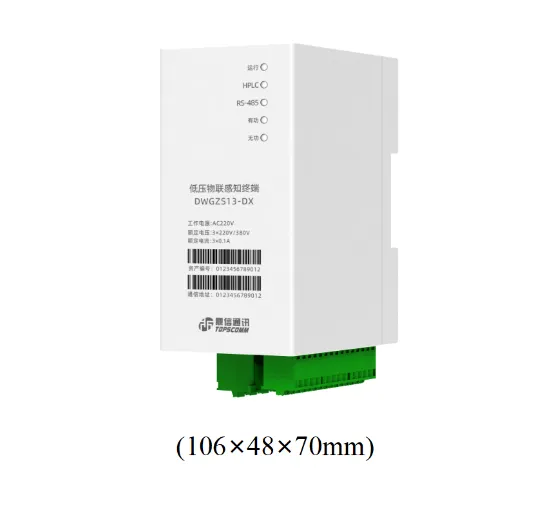
Electrical grid performance faces mounting pressure as energy demands escalate worldwide. Wire loss control represents a critical component in maintaining optimal power transmission efficiency, with utilities experiencing significant revenue impacts from uncontrolled power losses. Modern power systems require sophisticated wire loss control mechanisms to address the inherent resistance losses that occur during electrical transmission across distribution networks. Understanding the fundamental principles of wire loss control enables grid operators to implement targeted strategies that enhance overall system performance while reducing operational costs.
Understanding Wire Loss Fundamentals in Power Systems
Physics of Electrical Resistance and Power Dissipation
Wire loss control begins with comprehending the fundamental physics governing electrical resistance in transmission lines. When current flows through conductors, resistance creates heat dissipation that directly correlates with power losses according to Joule's law. The relationship between current, resistance, and power loss demonstrates why wire loss control strategies focus on minimizing resistance factors while optimizing current distribution patterns. Conductor materials, temperature variations, and environmental conditions all contribute to the overall resistance profile that wire loss control systems must address.
Temperature coefficients play a crucial role in wire loss control calculations, as conductor resistance increases with rising temperatures. This thermal dependency creates a feedback loop where higher currents generate more heat, increasing resistance and further amplifying power losses. Effective wire loss control methodologies account for these thermal dynamics through real-time monitoring and adaptive compensation strategies. Advanced wire loss control systems incorporate predictive algorithms that anticipate resistance changes based on load forecasting and environmental data.
Network Topology Impact on Loss Distribution
Grid topology significantly influences wire loss control effectiveness, with radial, meshed, and hybrid network configurations presenting distinct loss characteristics. Radial distribution systems concentrate wire loss control challenges at specific bottleneck points, while meshed networks distribute losses across multiple parallel paths. Understanding these topological implications enables engineers to design wire loss control strategies that leverage network redundancy and optimize power flow routing. Strategic placement of wire loss control devices becomes critical in networks with complex interconnection patterns.
Load flow analysis reveals how wire loss control interventions affect overall network performance. Power factor correction, voltage regulation, and reactive power compensation represent primary wire loss control techniques that interact with network topology. The effectiveness of wire loss control measures varies depending on the electrical distance between generation sources and load centers. Network reinforcement projects often incorporate wire loss control considerations to maximize the return on infrastructure investments.
Advanced Technologies for Wire Loss Reduction
Static VAR Compensation Systems
Static VAR generators represent cutting-edge wire loss control technology that dynamically manages reactive power to minimize transmission losses. These devices provide instantaneous reactive power support, reducing current magnitudes and associated I²R losses throughout the distribution network. Wire loss control through static VAR compensation achieves optimal power factor correction while maintaining voltage stability across varying load conditions. The rapid response characteristics of static VAR systems enable real-time wire loss control adjustments that traditional mechanical switching cannot match.
Implementation of static VAR generators for wire loss control requires careful consideration of system harmonics and resonance conditions. Advanced control algorithms ensure that wire loss control objectives align with power quality requirements and grid stability constraints. These systems integrate seamlessly with existing SCADA infrastructure, providing operators with comprehensive wire loss control monitoring and reporting capabilities. Cost-benefit analysis consistently demonstrates positive returns on investment for properly sized and positioned static VAR-based wire loss control installations.
Smart Grid Integration and Monitoring
Smart grid technologies revolutionize wire loss control through enhanced visibility and automated response capabilities. Advanced metering infrastructure enables granular monitoring of power flows, allowing wire loss control systems to identify inefficiencies at unprecedented resolution levels. Machine learning algorithms analyze historical loss patterns to optimize wire loss control strategies and predict maintenance requirements. Integration with weather forecasting systems enhances wire loss control effectiveness by anticipating temperature-related resistance variations.
Distribution automation systems coordinate multiple wire loss control devices to achieve system-wide optimization objectives. Centralized control platforms aggregate data from distributed wire loss control equipment, enabling coordinated responses to changing grid conditions. Real-time optimization engines continuously adjust wire loss control parameters to minimize losses while maintaining service quality standards. These integrated approaches demonstrate how wire loss control evolves from reactive maintenance to proactive grid optimization.
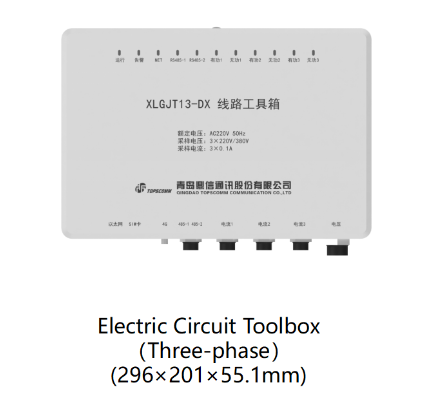
Economic Benefits and Performance Optimization
Quantifying Loss Reduction Impact
Wire loss control implementations deliver measurable economic benefits through reduced energy procurement costs and improved asset utilization. Utilities typically observe 2-5% reduction in total system losses following comprehensive wire loss control program deployment. These efficiency gains translate directly to bottom-line improvements, with larger utilities realizing millions of dollars in annual savings through strategic wire loss control initiatives. Performance metrics for wire loss control programs include loss reduction percentages, power factor improvements, and voltage regulation enhancement.
Return on investment calculations for wire loss control projects consider both immediate loss reduction and long-term infrastructure benefits. Reduced thermal stress on conductors extends equipment life, deferring costly replacement projects and reducing maintenance requirements. Wire loss control systems also improve power quality, reducing customer complaints and regulatory penalties. Comprehensive economic analysis of wire loss control implementations reveals payback periods typically ranging from 2-4 years for well-designed systems.
Operational Efficiency Improvements
Wire loss control systems enhance operational efficiency by providing operators with actionable intelligence about grid performance. Automated wire loss control responses reduce the need for manual interventions, freeing technical staff to focus on strategic planning and system improvements. Integration with outage management systems enables wire loss control equipment to support emergency response procedures and system restoration activities. These operational benefits complement the direct energy savings achieved through wire loss control implementation.
Predictive maintenance capabilities embedded in modern wire loss control systems identify potential equipment failures before they impact service reliability. Continuous monitoring of wire loss control device performance enables proactive replacement scheduling and optimized maintenance budgeting. Advanced analytics platforms correlate wire loss control data with environmental conditions, load patterns, and equipment health indicators to provide comprehensive system insights. This data-driven approach to wire loss control maximizes equipment life while ensuring optimal performance throughout the operational lifecycle.
Implementation Strategies and Best Practices
System Assessment and Planning
Successful wire loss control implementation begins with comprehensive system assessment to identify high-impact opportunities for loss reduction. Load flow studies quantify existing loss distributions and evaluate potential wire loss control intervention points. Engineering analysis determines optimal wire loss control device sizing and placement to maximize system-wide benefits. Stakeholder engagement ensures that wire loss control projects align with broader utility strategic objectives and regulatory requirements.
Phased implementation approaches enable utilities to validate wire loss control effectiveness before full-scale deployment. Pilot projects demonstrate wire loss control capabilities while providing valuable lessons learned for larger installations. Risk assessment identifies potential challenges and develops mitigation strategies to ensure wire loss control project success. Coordination with other grid modernization initiatives maximizes synergies and minimizes implementation costs for wire loss control programs.
Technology Selection and Integration
Wire loss control technology selection requires careful evaluation of system requirements, environmental conditions, and long-term performance objectives. Vendor qualification processes ensure that wire loss control equipment meets stringent utility standards for reliability and performance. Integration planning addresses communication protocols, control interfaces, and cybersecurity requirements for wire loss control systems. Testing and commissioning procedures validate wire loss control device performance before energization and service entry.
Standardization of wire loss control specifications facilitates maintenance and spare parts management across utility service territories. Training programs ensure that operational and maintenance personnel understand wire loss control system capabilities and limitations. Documentation standards capture wire loss control system configurations, performance baselines, and operational procedures for future reference. Change management processes govern wire loss control system modifications and ensure continued compliance with utility standards.
Future Trends and Emerging Solutions
Artificial Intelligence and Predictive Analytics
Artificial intelligence applications in wire loss control promise unprecedented optimization capabilities through advanced pattern recognition and predictive modeling. Machine learning algorithms analyze vast datasets to identify subtle wire loss control opportunities that traditional analysis methods might overlook. Predictive analytics enable proactive wire loss control adjustments based on forecasted conditions rather than reactive responses to observed changes. These AI-enhanced wire loss control systems continuously learn and adapt, improving performance over time.
Neural network architectures designed specifically for wire loss control applications can process complex multivariable relationships between load patterns, environmental conditions, and loss characteristics. Deep learning models trained on historical wire loss control data provide insights into optimal control strategies for diverse operating scenarios. Reinforcement learning algorithms enable wire loss control systems to explore new optimization approaches while maintaining system stability and reliability constraints.
Integration with Renewable Energy Systems
Renewable energy integration presents both challenges and opportunities for wire loss control systems. Variable generation from wind and solar resources creates dynamic loading conditions that require adaptive wire loss control responses. Energy storage systems provide new tools for wire loss control optimization by enabling strategic charging and discharging cycles that minimize transmission losses. Distributed energy resources offer localized wire loss control benefits by reducing power flows over long transmission distances.
Microgrids and virtual power plants create new paradigms for wire loss control implementation at the distribution level. These distributed systems require coordinated wire loss control strategies that optimize both local efficiency and broader grid interactions. Advanced communication networks enable real-time coordination between distributed wire loss control devices and central optimization systems. The evolution toward more distributed and renewable energy systems will drive continued innovation in wire loss control technologies and applications.
FAQ
What percentage of energy losses can wire loss control systems typically reduce?
Wire loss control systems typically achieve 15-30% reduction in transmission and distribution losses, which translates to 2-5% improvement in overall system efficiency. The exact percentage depends on existing system conditions, load characteristics, and the specific wire loss control technologies implemented. Well-designed comprehensive wire loss control programs often exceed these typical ranges in systems with previously unaddressed inefficiencies.
How do wire loss control systems affect power quality?
Wire loss control systems generally improve power quality by providing voltage regulation, power factor correction, and harmonic mitigation. Static VAR compensation and other wire loss control technologies maintain voltage levels within acceptable ranges while reducing reactive power flows that contribute to system instability. Properly designed wire loss control systems enhance both efficiency and power quality simultaneously.
What maintenance requirements do wire loss control systems have?
Modern wire loss control systems require minimal maintenance due to solid-state designs and advanced diagnostic capabilities. Routine maintenance typically includes periodic inspection of cooling systems, verification of control system operation, and analysis of performance data. Predictive maintenance features in advanced wire loss control equipment identify potential issues before they affect performance, enabling scheduled maintenance during planned outages.
How long does wire loss control system installation typically take?
Wire loss control system installation duration varies based on system complexity and site conditions, typically ranging from several weeks for smaller installations to several months for large-scale implementations. Planning and engineering phases often require 3-6 months before construction begins. Phased implementation approaches can provide incremental benefits while longer-term installations progress, allowing utilities to realize wire loss control benefits throughout the deployment process.