EN
EN



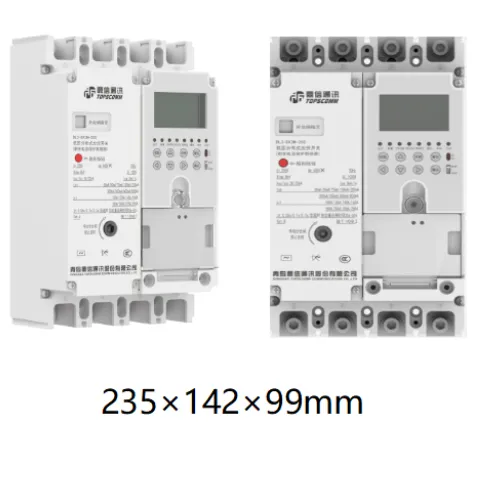
Power distribution systems face significant challenges in maintaining efficiency and reliability, with wire loss control emerging as a critical factor in modern electrical infrastructure. When electrical current flows through conductors, resistance naturally causes energy to dissipate as heat, resulting in power losses that can substantially impact system performance and operational costs. Understanding the mechanisms behind these losses and implementing effective wire loss control strategies has become essential for utilities, industrial facilities, and commercial operations seeking to optimize their power distribution networks. The consequences of inadequate wire loss control extend beyond simple energy waste, affecting equipment longevity, system stability, and overall economic viability. As energy costs continue to rise and environmental concerns drive demand for more efficient systems, the importance of comprehensive wire loss control measures cannot be overstated.
Understanding Power Loss Mechanisms in Distribution Systems
Resistance-Based Losses and Their Impact
The fundamental principle behind wire loss control lies in understanding how electrical resistance generates unwanted heat in conductors. When current flows through any material, the inherent resistance causes energy conversion from electrical to thermal form, following the relationship defined by Joule's Law. This phenomenon becomes particularly pronounced in power distribution systems where high currents travel through extensive conductor networks. The magnitude of these losses depends on several factors including conductor material, cross-sectional area, length, and operating temperature. Copper and aluminum conductors, while offering relatively low resistance, still contribute to significant losses when considering the vast distances involved in power distribution networks.
Temperature effects compound the challenge of wire loss control, as conductor resistance increases with rising temperatures. This creates a self-reinforcing cycle where initial losses generate heat, which increases resistance, leading to greater losses and additional heating. The phenomenon affects not only energy efficiency but also conductor lifespan and system reliability. Understanding these thermal dynamics is crucial for implementing effective wire loss control strategies that account for varying load conditions and environmental factors. Modern power systems must consider these complex interactions when designing distribution networks and selecting appropriate conductor specifications.
Reactive Power Effects on System Efficiency
Reactive power represents another significant factor in wire loss control, as it requires current flow without contributing to useful work output. This non-productive current increases the total current flowing through conductors, thereby increasing resistive losses according to the I²R relationship. Industrial facilities with substantial inductive loads, such as motors and transformers, often experience poor power factor conditions that exacerbate wire loss issues. The reactive current component adds to the total current magnitude while providing no energy transfer, essentially wasting conductor capacity and increasing system losses unnecessarily.
Addressing reactive power through proper wire loss control strategies involves implementing power factor correction techniques and load balancing measures. These approaches reduce the total current requirements for a given real power demand, effectively minimizing conductor losses throughout the distribution system. The relationship between reactive power and wire losses becomes particularly important in long-distance transmission applications where even small improvements in power factor can yield substantial efficiency gains. Understanding this relationship enables system designers and operators to implement comprehensive wire loss control programs that address both resistive and reactive components of power flow.
Economic Benefits of Effective Loss Reduction
Energy Cost Savings Through Improved Efficiency
The most immediate benefit of effective wire loss control manifests in reduced energy costs, as decreased losses translate directly to lower power consumption from the grid. Distribution losses typically range from three to eight percent of total power flow, representing substantial financial impact for large facilities and utility operations. By implementing comprehensive wire loss control measures, organizations can achieve significant reductions in these losses, resulting in measurable decreases in monthly utility bills. The savings compound over time, making wire loss control investments attractive from both short-term operational and long-term strategic perspectives.
Beyond direct energy savings, effective wire loss control enables better demand management and peak load reduction capabilities. Lower distribution losses mean less total power drawn from the utility grid during peak demand periods, potentially reducing demand charges and time-of-use penalties. This aspect of wire loss control becomes particularly valuable in regions with sophisticated utility rate structures that penalize high peak demand. The cumulative effect of reduced base load consumption and lower peak demand creates substantial economic benefits that justify investments in advanced wire loss control technologies and methodologies.
Equipment Longevity and Maintenance Cost Reduction
Proper wire loss control significantly extends equipment lifespan by reducing thermal stress on conductors, connections, and associated electrical components. Excessive heat generation from uncontrolled losses accelerates insulation degradation, increases connection resistance, and promotes corrosion in electrical systems. By maintaining conductor temperatures within optimal ranges through effective wire loss control, organizations can substantially extend equipment service life and reduce replacement costs. This thermal management aspect of loss control provides benefits that extend far beyond simple energy savings.
Maintenance requirements also decrease when wire loss control measures effectively manage system thermal loading. Lower operating temperatures reduce the frequency of connection retightening, insulation testing, and conductor inspection activities. The reduced maintenance burden translates to lower labor costs, decreased system downtime, and improved operational reliability. Additionally, effective wire loss control enables predictive maintenance programs to operate more effectively by providing stable baseline conditions for trending and analysis activities.
Technical Approaches to Wire Loss Control
Conductor Sizing and Material Selection
Proper conductor sizing represents one of the most fundamental aspects of wire loss control, as increasing conductor cross-sectional area directly reduces resistance and associated losses. The economic optimization of conductor size requires balancing initial material costs against long-term energy savings from reduced losses. This analysis becomes complex when considering factors such as installation costs, conduit requirements, and support structure modifications needed for larger conductors. Modern wire loss control strategies often employ sophisticated economic modeling to determine optimal conductor specifications that minimize total lifecycle costs.
Material selection also plays a crucial role in wire loss control effectiveness, with aluminum and copper offering different cost-performance characteristics. While copper provides superior conductivity, aluminum offers weight advantages and lower material costs for equivalent ampacity ratings. The choice between materials depends on specific application requirements, installation constraints, and economic considerations. Advanced conductor technologies, including composite materials and specialized alloys, provide additional options for optimizing wire loss control in specialized applications requiring enhanced performance characteristics.
Power Factor Correction and Load Balancing
Implementing comprehensive power factor correction represents a highly effective approach to wire loss control, particularly in industrial and commercial facilities with significant inductive loading. Capacitor banks, static VAR compensators, and active power factor correction systems can dramatically reduce reactive current flow, thereby minimizing conductor losses throughout the distribution system. The selection of appropriate power factor correction technology depends on load characteristics, system configuration, and specific wire loss control objectives. Modern systems often employ dynamic correction capabilities that automatically adjust reactive power compensation based on real-time load conditions.
Load balancing across multiple phases provides another important dimension of wire loss control, as unbalanced loading creates additional neutral current flow and increased system losses. Three-phase load balancing reduces the total current required for a given power delivery requirement, directly improving wire loss control effectiveness. This approach requires careful analysis of load patterns and may involve relocating single-phase loads or implementing automatic load transfer systems. The benefits of improved load balancing extend beyond wire loss control to include enhanced voltage regulation and improved system stability characteristics.
Advanced Technologies for Loss Monitoring and Control
Smart Monitoring Systems and Analytics
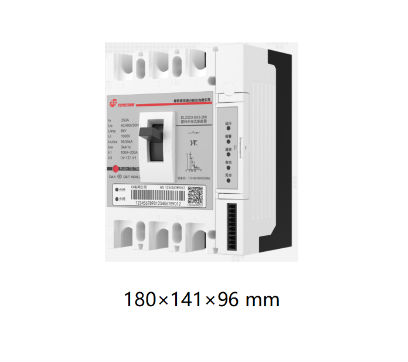
Modern wire loss control strategies increasingly rely on sophisticated monitoring systems that provide real-time visibility into distribution system performance and loss characteristics. Advanced metering infrastructure, power quality analyzers, and distributed sensing technologies enable continuous tracking of system losses and identification of optimization opportunities. These monitoring capabilities support proactive wire loss control by detecting developing problems before they result in significant efficiency degradation or equipment failures. The data collected through comprehensive monitoring programs also enables detailed analysis of loss patterns and verification of improvement measures effectiveness.
Analytics platforms designed specifically for wire loss control applications can process vast amounts of monitoring data to identify trends, predict future performance, and recommend optimization strategies. Machine learning algorithms can detect subtle patterns in system behavior that indicate opportunities for improved loss control through operational adjustments or equipment modifications. These advanced analytics capabilities transform wire loss control from a reactive maintenance activity into a proactive optimization process that continuously improves system efficiency and reliability. The integration of monitoring and analytics technologies represents the future direction of comprehensive wire loss control programs.
Dynamic Compensation and Control Systems
Dynamic compensation technologies offer sophisticated approaches to wire loss control by automatically adjusting system parameters in response to changing load conditions and power flow requirements. Static VAR generators, dynamic voltage regulators, and active power filters provide real-time optimization capabilities that maintain optimal wire loss control under varying operating conditions. These systems can respond to load changes within milliseconds, ensuring consistent performance optimization and minimizing losses across all operating scenarios.
The integration of communication technologies with dynamic compensation systems enables coordinated wire loss control strategies that optimize performance across entire distribution networks. Smart grid technologies facilitate information exchange between distributed control systems, enabling system-wide optimization that considers the interactions between different network segments. This coordinated approach to wire loss control can achieve efficiency improvements that exceed the sum of individual component optimizations, providing substantial benefits for large-scale power distribution applications.
Implementation Strategies and Best Practices
Assessment and Planning Methodologies
Successful wire loss control implementation begins with comprehensive assessment of existing system conditions and identification of specific improvement opportunities. This assessment process should include detailed power flow analysis, loss calculations, thermal studies, and economic evaluation of potential improvement measures. Professional energy audits specifically focused on wire loss control can identify the most cost-effective improvement strategies and provide baseline measurements for tracking progress. The assessment phase should also consider future load growth projections and system expansion plans to ensure wire loss control improvements remain effective over the long term.
Planning methodologies for wire loss control projects must consider the complex interactions between different system components and the sequential dependencies of improvement measures. Some wire loss control strategies may require coordination with scheduled maintenance activities or system upgrades to minimize implementation costs and system disruption. The planning process should also establish clear performance metrics and measurement protocols to verify improvement effectiveness and support ongoing optimization efforts. Comprehensive planning ensures that wire loss control investments deliver expected benefits and provide foundation for future enhancement activities.
Integration with Existing Infrastructure
Effective wire loss control implementation requires careful integration with existing electrical infrastructure to avoid disrupting ongoing operations while maximizing improvement benefits. This integration challenge becomes particularly complex in industrial facilities where power distribution systems support critical manufacturing processes that cannot tolerate extended outages. Phased implementation approaches often provide the most practical path forward, allowing wire loss control improvements to be installed and commissioned in stages that minimize operational impact while providing incremental benefits.
Compatibility considerations for wire loss control technologies include protection system coordination, communication protocol integration, and physical installation constraints. Modern facilities often employ multiple generations of electrical equipment with varying capabilities and interface requirements. Successful wire loss control implementation must accommodate these mixed vintage systems while providing unified performance optimization. The integration process may require upgrading certain system components to achieve full wire loss control effectiveness, making careful cost-benefit analysis essential for project success.
FAQ
What is the typical payback period for wire loss control investments
The payback period for wire loss control investments varies significantly based on system size, current loss levels, energy costs, and specific technologies implemented. Most basic wire loss control measures, such as conductor upsizing and power factor correction, provide payback periods ranging from two to five years. More sophisticated technologies like dynamic compensation systems may require five to ten years for full cost recovery, but they often provide additional benefits beyond simple loss reduction. The payback calculation should include all benefits including reduced maintenance costs, extended equipment life, and improved system reliability to provide accurate economic analysis.
How much can effective wire loss control reduce overall power consumption
Effective wire loss control typically reduces total power consumption by two to six percent in well-designed systems, with older or poorly maintained systems potentially achieving even greater improvements. The actual reduction depends on initial system conditions, load characteristics, and the comprehensiveness of implemented control measures. Industrial facilities with substantial reactive loads often see the greatest improvements, while residential distribution systems may achieve more modest but still significant reductions. These percentages translate to substantial cost savings over time, particularly for large facilities or utility distribution networks with high annual energy consumption.
What are the most common challenges in implementing wire loss control programs
The primary challenges in wire loss control implementation include accurately quantifying existing losses, coordinating improvements with operational requirements, and justifying initial investment costs. Many facilities lack adequate monitoring capabilities to establish baseline loss measurements, making it difficult to verify improvement effectiveness. Installation of wire loss control technologies often requires system outages or operational modifications that must be carefully planned to minimize business impact. Additionally, the distributed nature of distribution losses can make benefits less visible than other energy efficiency measures, requiring comprehensive measurement and analysis to demonstrate value.
Can wire loss control measures improve power quality and system reliability
Yes, effective wire loss control measures often provide significant improvements in power quality and system reliability beyond simple efficiency gains. Reduced conductor loading from loss control measures improves voltage regulation and reduces harmonic distortion throughout the distribution system. Lower operating temperatures from effective loss control extend equipment lifespan and reduce failure rates, directly improving system reliability. Power factor correction and load balancing components of wire loss control programs also enhance system stability and reduce susceptibility to voltage fluctuations and other power quality disturbances. These secondary benefits often justify wire loss control investments even when energy savings alone might not provide adequate economic returns.