EN
EN



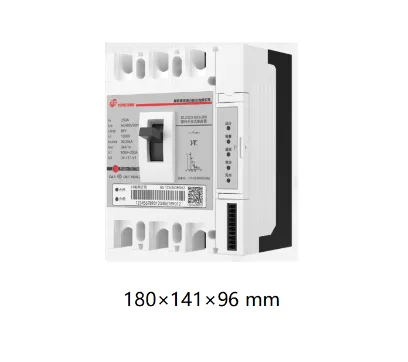
Electrical transmission systems face constant challenges in maintaining efficiency and reliability, with energy losses representing one of the most significant concerns for utility operators worldwide. Wire loss control emerges as a critical solution for optimizing power delivery, reducing operational costs, and enhancing overall system performance. Modern electrical infrastructure demands sophisticated approaches to minimize transmission losses while ensuring stable power delivery across vast networks. Understanding the principles and implementation strategies of wire loss control enables engineers and system operators to make informed decisions that directly impact both economic and environmental outcomes.
Fundamentals of Wire Loss Control in Power Systems
Understanding Transmission Line Losses
Transmission line losses occur primarily through resistive heating in conductors, where electrical current flowing through wire resistance generates unwanted heat energy. These losses follow the fundamental relationship described by Joule's law, where power loss equals the square of current multiplied by resistance. Wire loss control strategies focus on minimizing these resistive losses through various technical approaches including conductor material selection, cross-sectional area optimization, and advanced monitoring systems. The magnitude of these losses can significantly impact overall system efficiency, particularly in long-distance transmission applications where cumulative effects become substantial.
Temperature variations also play a crucial role in wire resistance characteristics, as conductor resistance typically increases with rising temperatures. This creates a challenging feedback loop where higher current loads generate more heat, increasing resistance and subsequently amplifying losses. Effective wire loss control systems must account for these thermal dynamics while maintaining acceptable operating temperatures. Modern power systems implement sophisticated thermal management strategies alongside traditional loss reduction techniques to achieve optimal performance under varying load conditions.
Types of Electrical Losses in Wire Systems
Corona losses represent another significant category affecting transmission efficiency, particularly in high-voltage applications where electric field strengths approach critical thresholds. These losses manifest as ionization of surrounding air molecules, creating audible noise and unwanted energy dissipation. Wire loss control methodologies address corona effects through proper conductor sizing, surface treatment, and spacing optimization. Understanding these phenomena enables engineers to design systems that minimize both resistive and corona-related losses while maintaining required electrical clearances and safety margins.
Dielectric losses in insulation materials contribute to overall system inefficiency, especially in underground cable installations where extensive insulation systems are required. These losses vary with frequency, temperature, and material properties, necessitating careful selection of insulation types and configurations. Wire loss control strategies must consider the complete electrical path, including not only the conductor itself but also associated insulation and shielding systems that may introduce additional loss mechanisms.
Advanced Technologies for Wire Loss Reduction
High-Temperature Superconducting Systems
Superconducting wire technologies represent the ultimate achievement in wire loss control, offering virtually zero resistance under appropriate operating conditions. These systems require cryogenic cooling infrastructure but deliver unprecedented efficiency improvements for specific applications. High-temperature superconductors operate at liquid nitrogen temperatures, making them more practical than earlier superconducting technologies that required liquid helium cooling. Implementation considerations include initial capital costs, ongoing cooling requirements, and system reliability under varying operational conditions.
Recent developments in superconducting cable design have demonstrated successful deployment in urban distribution networks where space constraints and efficiency requirements justify the additional complexity. These installations showcase the potential for wire loss control technologies to transform power delivery in densely populated areas. Long-term reliability data continues to accumulate, providing valuable insights for future superconducting system deployments and cost-benefit analyses.
Smart Conductor Technologies
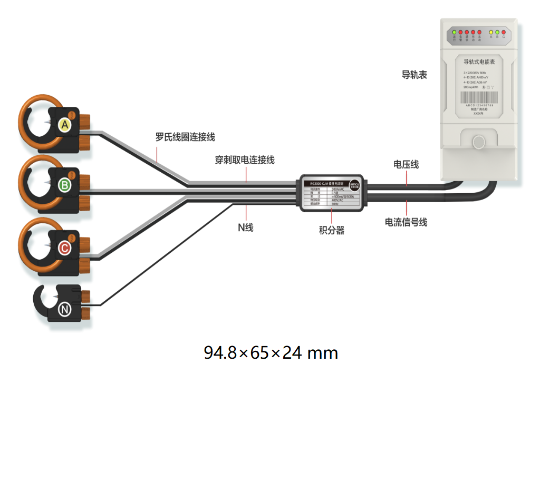
Smart conductor systems integrate advanced materials with monitoring capabilities to optimize wire loss control in real-time applications. These conductors feature embedded sensors that continuously monitor temperature, current flow, and mechanical stress conditions. Data from these sensors enables dynamic adjustment of system parameters to minimize losses while maintaining operational safety margins. Advanced algorithms process sensor data to predict optimal loading patterns and identify potential efficiency improvements before problems develop into significant loss sources.
Composite core conductors represent another innovative approach to wire loss control, combining lightweight materials with enhanced electrical properties. These designs allow higher operating temperatures while maintaining mechanical strength, enabling increased current capacity without proportional increases in resistive losses. The reduced thermal expansion characteristics of composite cores also contribute to improved system reliability and reduced maintenance requirements over extended operating periods.
Implementation Strategies and Best Practices
System Design Optimization
Effective wire loss control begins with comprehensive system design that considers all relevant factors affecting transmission efficiency. Network topology optimization plays a crucial role in minimizing cumulative losses across complex power systems. Engineers must balance competing requirements including reliability, cost, environmental impact, and efficiency when developing wire loss control strategies. Advanced modeling software enables detailed analysis of various design alternatives, allowing optimization of conductor sizing, routing, and configuration decisions before implementation.
Load balancing strategies significantly impact wire loss control effectiveness by ensuring optimal utilization of available transmission capacity. Unbalanced loading conditions can create unnecessary losses through increased neutral currents and voltage regulation requirements. Modern power management systems incorporate sophisticated load balancing algorithms that continuously optimize power flow patterns to minimize system-wide losses while maintaining voltage stability and reliability standards.
Monitoring and Maintenance Programs
Comprehensive monitoring programs form the foundation of effective wire loss control maintenance strategies. These programs combine periodic physical inspections with continuous electronic monitoring to identify developing problems before they significantly impact system efficiency. Thermal imaging surveys reveal hot spots that indicate increased resistance due to corrosion, loose connections, or other degradation mechanisms. Regular monitoring enables proactive maintenance that prevents minor issues from developing into major loss sources.
Predictive maintenance algorithms analyze historical performance data to identify trends and patterns that indicate declining wire loss control effectiveness. These systems enable maintenance scheduling optimization that minimizes both operational disruptions and long-term degradation effects. Advanced diagnostic techniques including partial discharge monitoring and impedance analysis provide detailed insights into conductor condition and remaining service life expectations.
Economic and Environmental Benefits
Cost-Benefit Analysis of Wire Loss Control
Economic justification for wire loss control investments requires comprehensive analysis of both direct and indirect cost factors. Direct benefits include reduced energy purchases due to improved transmission efficiency, while indirect benefits encompass reduced cooling requirements, extended equipment life, and improved system reliability. The cumulative value of these benefits often justifies significant upfront investments in advanced wire loss control technologies. Utility operators must consider long-term operational savings alongside initial implementation costs when evaluating various technological options.
Risk mitigation represents another important economic factor in wire loss control decision-making processes. Systems with lower loss rates typically exhibit improved stability and reduced susceptibility to cascading failures during peak demand periods. This enhanced reliability translates to reduced outage costs and improved customer satisfaction metrics. Regulatory frameworks increasingly recognize the value of efficiency improvements, often providing financial incentives that improve the economic attractiveness of wire loss control investments.
Environmental Impact Considerations
Environmental benefits of effective wire loss control extend beyond simple energy conservation to encompass broader sustainability objectives. Reduced transmission losses directly translate to decreased generation requirements, resulting in lower emissions from fossil-fuel power plants. The cumulative environmental impact of wire loss control implementation across large power systems can be substantial, contributing measurably to carbon reduction goals and environmental compliance requirements.
Life-cycle assessment methodologies enable comprehensive evaluation of environmental impacts associated with various wire loss control technologies. These assessments consider manufacturing impacts, operational benefits, and end-of-life disposal requirements to provide complete environmental impact profiles. Such analyses increasingly influence technology selection decisions as environmental considerations become more prominent in utility planning processes and regulatory frameworks.
Future Developments and Trends
Emerging Technologies
Nanotechnology applications in conductor design promise revolutionary improvements in wire loss control capabilities. Advanced nanomaterials offer enhanced electrical and thermal properties that could significantly reduce transmission losses while improving mechanical performance characteristics. Research continues into carbon nanotube composites and other exotic materials that demonstrate superior conductivity properties compared to traditional copper and aluminum conductors. These developments may eventually enable wire loss control solutions that were previously considered impractical or economically unfeasible.
Artificial intelligence applications in wire loss control systems enable sophisticated optimization algorithms that continuously adapt to changing system conditions. Machine learning techniques analyze vast amounts of operational data to identify subtle patterns and optimization opportunities that human operators might overlook. These intelligent systems promise to unlock additional efficiency improvements while reducing the complexity of manual optimization procedures required for effective wire loss control implementation.
Integration with Smart Grid Technologies
Smart grid integration provides new opportunities for coordinated wire loss control across interconnected power systems. Advanced communication networks enable real-time coordination between multiple wire loss control systems, optimizing overall network efficiency through collaborative operation. Distributed energy resources create new challenges and opportunities for wire loss control as power flow patterns become more complex and bidirectional. Future systems must accommodate these changing operational characteristics while maintaining or improving efficiency standards.
Energy storage integration offers additional flexibility for wire loss control optimization by enabling load shifting strategies that reduce peak current flows during high-loss periods. Battery systems can store energy during low-demand periods when transmission losses are minimized, then discharge during peak periods to reduce overall system loading. This approach requires sophisticated coordination between storage systems and wire loss control strategies to achieve optimal results while maintaining grid stability and reliability requirements.
FAQ
What factors most significantly impact wire loss control effectiveness
The most significant factors affecting wire loss control effectiveness include conductor material properties, cross-sectional area, operating temperature, and current loading patterns. Conductor resistance represents the primary loss mechanism, making material selection and sizing critical decisions. Temperature effects can substantially impact resistance values, particularly in high-current applications where thermal management becomes essential. Load patterns influence loss calculations since losses increase with the square of current, making peak load management an important wire loss control strategy.
How do modern monitoring systems enhance wire loss control capabilities
Modern monitoring systems enhance wire loss control through real-time data collection, advanced analytics, and predictive maintenance capabilities. Continuous monitoring of temperature, current, and voltage parameters enables immediate detection of developing problems that could increase losses. Advanced sensors provide detailed information about conductor condition and performance characteristics that were previously unavailable. Data analytics platforms process this information to identify optimization opportunities and predict maintenance requirements before problems impact system efficiency.
What role does conductor material selection play in wire loss control
Conductor material selection serves as the foundation of effective wire loss control strategies, as different materials exhibit varying resistance characteristics and thermal properties. Copper offers excellent conductivity but requires consideration of cost and weight factors in large installations. Aluminum provides cost advantages with acceptable conductivity for many applications, while advanced alloys offer improved performance characteristics. Superconducting materials represent the ultimate wire loss control solution but require specialized cooling infrastructure and higher initial investments.
How can utilities justify investments in advanced wire loss control technologies
Utilities justify wire loss control investments through comprehensive cost-benefit analyses that consider energy savings, reliability improvements, and regulatory compliance benefits. Reduced energy losses translate directly to decreased power purchase requirements, providing measurable operational savings. Improved system reliability reduces outage costs and customer compensation requirements. Environmental benefits may qualify for regulatory incentives or carbon credit programs. Long-term equipment life extension and reduced maintenance requirements provide additional economic justification for advanced wire loss control technology investments.