EN
EN



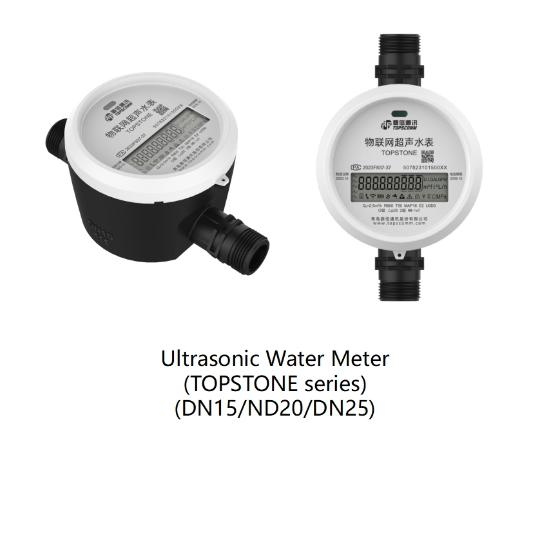
Water scarcity and inefficient distribution systems pose significant challenges for municipalities and industrial facilities worldwide. Smart water management technologies have emerged as revolutionary solutions to combat water loss and enhance operational efficiency. Among these innovations, the ultrasonic water meter stands out as a critical component in modern water management infrastructure. These advanced metering devices utilize ultrasonic technology to provide precise flow measurements, enabling better monitoring and control of water consumption patterns. By implementing intelligent water management systems, organizations can achieve substantial reductions in water waste while optimizing their operational costs and environmental impact.
Understanding Smart Water Management Technology
Core Components of Intelligent Water Systems
Modern smart water management systems integrate multiple technologies to create comprehensive monitoring and control networks. These systems typically include advanced sensors, communication networks, data analytics platforms, and automated control mechanisms. The ultrasonic water meter serves as a fundamental sensing element, providing accurate real-time data about water flow rates and consumption patterns. Digital communication protocols enable seamless data transmission from meters to central management systems, where sophisticated algorithms analyze consumption trends and identify potential inefficiencies.
Integration with cloud-based platforms allows for remote monitoring and management capabilities, enabling water utility operators to make informed decisions based on comprehensive data analysis. Machine learning algorithms can predict consumption patterns, detect anomalies, and optimize distribution strategies. The combination of these technologies creates a robust ecosystem that transforms traditional water management approaches into intelligent, responsive systems capable of adapting to changing conditions and demands.
Benefits of Digital Water Infrastructure
Digital transformation in water management delivers numerous advantages for both utilities and consumers. Enhanced accuracy in measurement and billing ensures fair charging while reducing disputes and administrative overhead. Real-time monitoring capabilities enable rapid detection of leaks, pipe bursts, and other system failures, minimizing water loss and infrastructure damage. The ultrasonic water meter technology provides superior accuracy compared to mechanical meters, maintaining precision even in challenging conditions such as varying water quality or flow rates.
Predictive maintenance capabilities help extend infrastructure lifespan by identifying potential issues before they become critical problems. Data-driven insights enable utilities to optimize pressure management, reduce energy consumption, and improve overall system efficiency. These technological advances contribute to significant cost savings while supporting environmental sustainability goals through reduced water waste and improved resource conservation.
Ultrasonic Metering Technology Advantages
Precision and Reliability Features
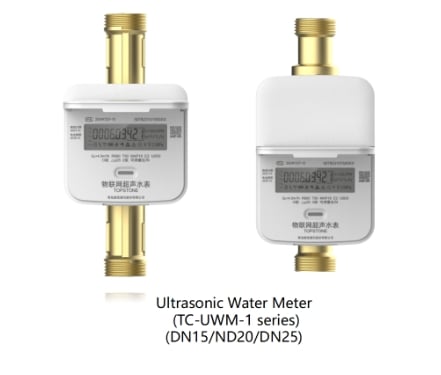
Ultrasonic water meters utilize acoustic signals to measure flow velocity without physical obstruction in the water path. This non-intrusive measurement method eliminates moving parts that can wear out over time, resulting in exceptional longevity and minimal maintenance requirements. The technology maintains consistent accuracy across a wide range of flow rates, from very low nighttime consumption to peak demand periods. Advanced signal processing algorithms compensate for temperature variations, pressure changes, and water quality fluctuations that might affect measurement precision.
Multi-path ultrasonic configurations provide redundancy and enhanced accuracy by measuring flow at multiple points across the pipe diameter. This approach ensures reliable data collection even in turbulent flow conditions or when dealing with varying water densities. The ultrasonic water meter technology also offers bidirectional flow measurement capabilities, enabling detection of reverse flow conditions that might indicate system problems or unauthorized usage.
Installation and Maintenance Benefits
Installation of ultrasonic water meters typically requires less disruption to existing infrastructure compared to traditional mechanical meters. Clamp-on configurations can be installed without interrupting water service, making them ideal for retrofit applications in critical facilities. The absence of moving parts significantly reduces maintenance requirements, lowering long-term operational costs and improving system reliability. Battery life in ultrasonic water meter units often exceeds ten years, minimizing replacement frequency and associated labor costs.
Diagnostic capabilities built into modern ultrasonic meters provide continuous monitoring of device health and performance. These features enable proactive maintenance scheduling and help identify potential issues before they impact measurement accuracy. Remote configuration capabilities allow operators to adjust settings, update firmware, and retrieve diagnostic information without physical access to the meter location, further reducing operational overhead and improving efficiency.
Water Loss Detection and Prevention
Advanced Leak Detection Capabilities
Smart water management systems excel at identifying water losses through sophisticated monitoring and analysis techniques. Continuous flow monitoring by ultrasonic water meter networks enables detection of abnormal consumption patterns that may indicate leaks or unauthorized usage. Minimum night flow analysis helps identify baseline consumption levels and detect deviations that suggest hidden leaks in the distribution system. Pressure monitoring combined with flow data provides comprehensive insights into system integrity and performance.
Statistical analysis of consumption patterns can identify gradual increases in usage that might indicate developing leaks before they become major problems. Zone-based monitoring allows utilities to isolate problem areas and focus maintenance efforts where they will have the greatest impact. Advanced algorithms can distinguish between legitimate usage variations and actual system losses, reducing false alarms while ensuring genuine issues receive prompt attention.
Rapid Response and Mitigation
Real-time alert systems enable immediate notification when ultrasonic water meter data indicates potential problems. Automated shutoff valves can be integrated with monitoring systems to quickly isolate problematic sections and minimize water loss during emergency situations. Mobile applications provide field personnel with instant access to system data and diagnostic information, enabling faster response times and more effective troubleshooting.
Geographic information system integration allows utilities to visualize problem areas and coordinate repair efforts more efficiently. Historical data analysis helps identify recurring problem locations and supports strategic infrastructure improvement planning. Predictive modeling capabilities can forecast when and where problems are likely to occur, enabling proactive maintenance that prevents losses before they happen.
Operational Efficiency Improvements
Automated Monitoring and Control
Automation technologies integrated with ultrasonic water meter networks eliminate many manual monitoring tasks while improving data accuracy and consistency. Scheduled data collection ensures regular updates without requiring field personnel visits, reducing operational costs and human error risks. Automated report generation provides managers with timely insights into system performance and consumption trends, supporting better decision-making processes.
Pressure management systems can automatically adjust distribution pressures based on demand patterns and system conditions, optimizing energy usage while maintaining adequate service levels. Flow regulation mechanisms help balance distribution across multiple zones, ensuring equitable service delivery and reducing stress on infrastructure components. These automated systems operate continuously, providing consistent performance improvements that would be impossible to achieve through manual operations alone.
Data-Driven Decision Making
Comprehensive data collection through ultrasonic water meter networks provides utilities with unprecedented visibility into their operations. Advanced analytics platforms process this information to identify optimization opportunities, efficiency improvements, and cost reduction potential. Consumption forecasting helps utilities plan capacity expansions and infrastructure investments more effectively, avoiding both shortages and overinvestment.
Benchmarking capabilities allow comparison of performance metrics across different areas, time periods, and operating conditions. This analysis helps identify best practices and areas needing improvement. Customer segmentation based on consumption patterns enables targeted conservation programs and pricing strategies that promote efficient water use while maintaining revenue stability for utilities.
Environmental Impact and Sustainability
Water Conservation Benefits
Smart water management systems contribute significantly to environmental protection through improved conservation and reduced waste. Accurate measurement by ultrasonic water meter technology ensures that every drop is properly accounted for, eliminating losses due to measurement inaccuracies. Real-time monitoring enables rapid response to leaks and system failures, minimizing environmental impact from water waste.
Conservation programs supported by detailed consumption data help customers understand their usage patterns and identify opportunities for reduction. Tiered pricing structures based on accurate metering encourage responsible water use while generating revenue to support system improvements. Educational initiatives backed by concrete data demonstrate the importance of conservation efforts and their measurable impact on resource preservation.
Energy Efficiency and Carbon Reduction
Optimized water distribution systems require less energy for pumping and treatment, reducing carbon footprint and operational costs. Pressure management enabled by ultrasonic water meter data helps minimize energy consumption while maintaining service quality. Reduced water losses mean less demand on treatment facilities, decreasing chemical usage and energy requirements for water processing.
Smart scheduling of pumping operations based on demand predictions helps utilities use energy more efficiently and take advantage of lower-cost electricity periods. Integration with renewable energy sources becomes more feasible when consumption patterns are well understood and predictable. These efficiency improvements contribute to overall environmental sustainability while reducing operational expenses for utilities.
Implementation Strategies and Best Practices
Planning and Deployment Considerations
Successful smart water management implementation requires careful planning and phased deployment strategies. Initial pilot programs allow utilities to test ultrasonic water meter technology and associated systems on a smaller scale before full deployment. Stakeholder engagement ensures that all parties understand the benefits and requirements of the new technology, facilitating smoother implementation and adoption.
Infrastructure assessment helps identify areas where upgrades may be needed to support advanced metering systems. Communication network planning ensures reliable data transmission from meter locations to central management systems. Training programs for personnel ensure that staff can effectively operate and maintain the new technology, maximizing return on investment and system performance.
Integration with Existing Systems
Compatibility with existing billing systems and customer management platforms is crucial for successful smart water management implementation. Application programming interfaces enable seamless data exchange between ultrasonic water meter networks and legacy systems. Gradual migration strategies allow utilities to transition from old systems while maintaining operational continuity and customer service quality.
Standardization of communication protocols and data formats facilitates integration and reduces vendor lock-in risks. Regular system updates and maintenance ensure continued compatibility and security as technology evolves. Documentation and training materials help staff understand how new systems interact with existing infrastructure and processes.
FAQ
How accurate are ultrasonic water meters compared to traditional mechanical meters
Ultrasonic water meter technology typically provides accuracy rates of plus or minus 1-2 percent across a wide flow range, significantly better than mechanical meters that may have accuracy variations of 3-5 percent or more. The absence of moving parts eliminates wear-related accuracy degradation over time, maintaining consistent precision throughout the meter's operational life. Advanced signal processing algorithms compensate for environmental factors that might affect measurement accuracy, ensuring reliable performance under varying conditions.
What are the typical installation costs for smart water management systems
Installation costs vary depending on system complexity, coverage area, and existing infrastructure conditions. Initial investment for ultrasonic water meter deployment typically ranges from moderate to high compared to traditional meters, but long-term operational savings often justify the higher upfront costs. Factors affecting cost include communication network requirements, integration complexity, and training needs. Many utilities find that improved accuracy, reduced maintenance requirements, and enhanced leak detection capabilities provide positive return on investment within 3-5 years.
How long do ultrasonic water meters typically last before replacement
Modern ultrasonic water meter units are designed for 15-20 year operational lifespans, significantly longer than mechanical meters that typically require replacement every 8-12 years. Battery life in electronic components often exceeds 10 years, and many units feature replaceable battery modules to extend operational life further. The absence of moving parts eliminates the primary wear mechanism that limits traditional meter lifespan, contributing to improved long-term reliability and reduced replacement frequency.
Can smart water management systems work with existing infrastructure
Most smart water management technologies, including ultrasonic water meter systems, are designed to integrate with existing infrastructure with minimal modifications. Retrofit capabilities allow installation in existing meter pits or mounting locations without major pipe work changes. Communication systems can utilize existing utility networks or cellular infrastructure to transmit data. However, some older systems may require communication upgrades or power supply modifications to support advanced metering functionality. Professional assessment can determine specific requirements and compatibility considerations for each installation.