EN
EN



Urban water scarcity and inefficient distribution networks present mounting challenges for municipalities worldwide. As cities expand and populations grow, the demand for sophisticated water management solutions has never been more critical. Smart water management systems represent a transformative approach to addressing these pressing concerns, leveraging advanced technology to optimize water usage, reduce waste, and enhance operational efficiency across urban infrastructure. These innovative solutions combine Internet of Things sensors, data analytics, and automated controls to create intelligent water networks that respond dynamically to changing conditions and consumption patterns.
The integration of smart water management systems into urban infrastructure offers municipalities unprecedented visibility into their water distribution networks. Through real-time monitoring and predictive analytics, these systems enable proactive maintenance, leak detection, and resource allocation optimization. Cities implementing these technologies have reported significant improvements in water conservation efforts, operational cost reductions, and enhanced service delivery to residents and businesses.
Technology Components of Smart Water Management Systems
Advanced Sensor Networks and IoT Integration
Modern smart water management systems rely heavily on comprehensive sensor networks that continuously monitor various parameters throughout the water distribution infrastructure. These sensors measure flow rates, pressure levels, water quality indicators, and system performance metrics in real-time. The data collected by these devices forms the foundation for intelligent decision-making processes that optimize water distribution and identify potential issues before they escalate into costly problems.
Internet of Things technology enables seamless communication between distributed sensors and central management platforms. This connectivity allows smart water management systems to process vast amounts of data simultaneously, creating a comprehensive picture of network performance across entire urban areas. The integration of wireless communication protocols ensures reliable data transmission even in challenging urban environments with electromagnetic interference and physical obstacles.
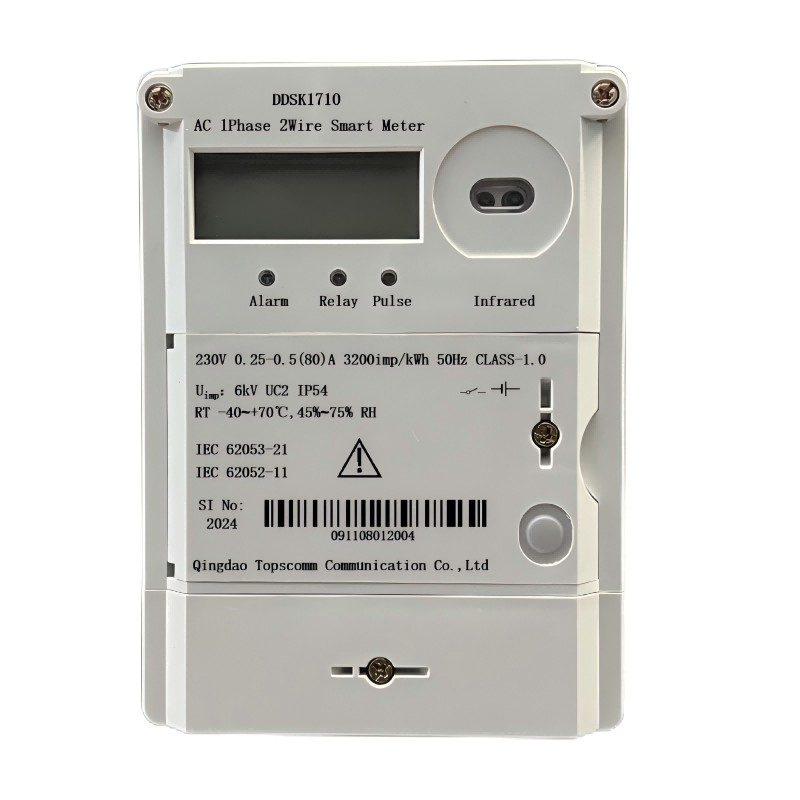
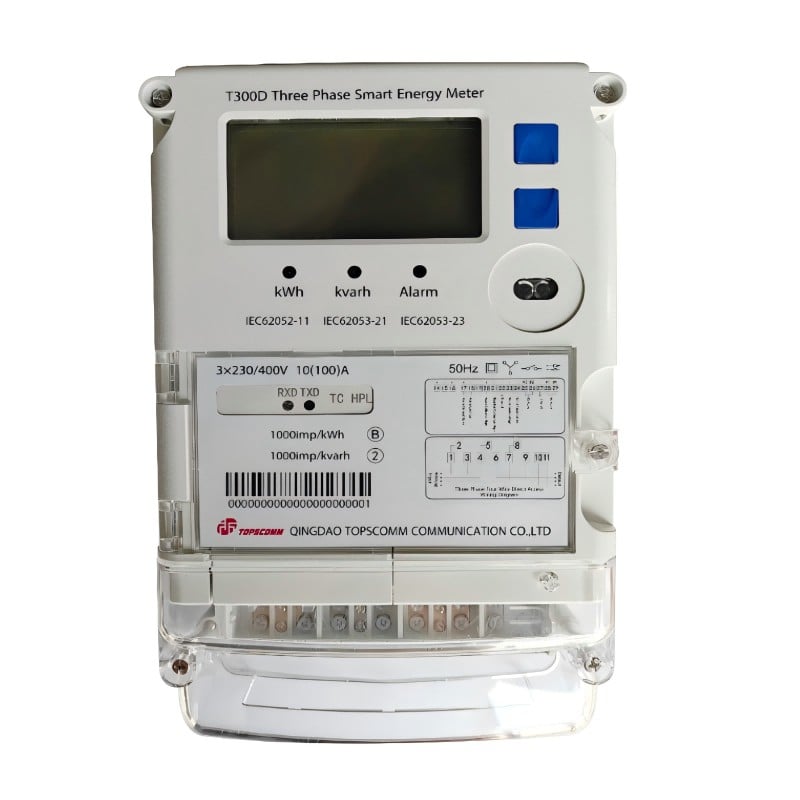
Advanced metering infrastructure represents a crucial component of these sensor networks, providing granular consumption data that enables precise billing and conservation program effectiveness measurement. These intelligent meters can detect anomalous usage patterns that may indicate leaks or unauthorized connections, helping utilities maintain system integrity and revenue protection.
Data Analytics and Machine Learning Capabilities
The effectiveness of smart water management systems depends largely on their ability to process and analyze complex datasets generated by sensor networks. Machine learning algorithms identify patterns in consumption behavior, seasonal variations, and system performance trends that human operators might overlook. These analytical capabilities enable predictive maintenance scheduling, demand forecasting, and optimal resource allocation strategies.
Artificial intelligence components within these systems continuously learn from historical data and real-time inputs to improve their predictive accuracy over time. This self-improving capability ensures that smart water management systems become more effective as they accumulate operational experience, leading to increasingly sophisticated optimization strategies and enhanced performance outcomes.
Cloud-based computing platforms provide the necessary processing power and storage capacity to handle the massive data volumes generated by urban water networks. These scalable infrastructure solutions enable municipalities of all sizes to implement comprehensive smart water management systems without requiring significant on-premises computing investments.
Water Conservation and Efficiency Benefits
Leak Detection and Loss Prevention
One of the most significant advantages of implementing smart water management systems is their ability to detect and locate water losses quickly and accurately. Traditional methods of leak detection often rely on visual inspections or customer complaints, which can result in substantial water waste before problems are identified. Modern systems can pinpoint leak locations within meters of their actual position, enabling rapid response teams to address issues before they cause extensive damage or waste.
Acoustic monitoring technologies integrated into smart water management systems can detect the subtle sound signatures of underground leaks that are invisible to surface inspection. These advanced detection methods can identify even small leaks that might go unnoticed for months using conventional approaches, preventing the gradual deterioration that leads to major pipe failures and service disruptions.
Pressure management algorithms within these systems help maintain optimal pressure levels throughout the distribution network, reducing stress on aging infrastructure and minimizing the likelihood of new leaks developing. By automatically adjusting pressure based on demand patterns and system conditions, smart water management systems can extend the operational lifespan of existing infrastructure while improving overall system reliability.
Demand Forecasting and Supply Optimization
Accurate demand forecasting represents a critical capability of modern smart water management systems, enabling utilities to optimize treatment plant operations and distribution scheduling. By analyzing historical consumption patterns, weather data, and demographic trends, these systems can predict water demand with remarkable accuracy, allowing for proactive supply management rather than reactive responses to shortages or surpluses.
Seasonal variations in water consumption present ongoing challenges for municipal utilities, particularly during peak summer months when outdoor water use increases dramatically. Smart water management systems can anticipate these demand spikes and adjust treatment schedules, storage levels, and distribution protocols to ensure adequate supply without overproducing water during low-demand periods.
Dynamic pricing mechanisms integrated into these systems can influence consumer behavior during peak demand periods, encouraging conservation when supplies are constrained and promoting more efficient overall water use patterns. This demand-side management approach complements supply-side optimizations to create a more balanced and sustainable water distribution ecosystem.
Implementation Strategies for Urban Water Networks
Infrastructure Assessment and System Planning
Successful deployment of smart water management systems requires comprehensive assessment of existing infrastructure conditions and careful planning of technology integration strategies. Municipalities must evaluate the age, condition, and compatibility of current water distribution components to determine the most effective implementation approach. This assessment process identifies critical upgrade requirements and prioritizes system components that will deliver the greatest benefits from smart technology integration.
Geographic information systems play a crucial role in mapping existing infrastructure and planning optimal sensor placement throughout the distribution network. These detailed maps enable engineers to design smart water management systems that provide comprehensive coverage while minimizing installation costs and operational complexity. Strategic sensor placement ensures maximum system visibility without creating unnecessary redundancy or maintenance burdens.
Phased implementation strategies allow municipalities to deploy smart water management systems gradually, spreading costs over multiple budget cycles while gaining operational experience with each phase. This approach reduces financial risk and enables utilities to refine their implementation processes based on lessons learned during initial deployment phases.
Staff Training and Change Management
The transition to smart water management systems requires significant changes in operational procedures and staff responsibilities. Existing personnel must develop new technical skills to operate sophisticated monitoring equipment, interpret complex data analytics, and respond to automated alerts and recommendations. Comprehensive training programs ensure that utility staff can maximize the benefits of these advanced technologies while maintaining high service quality standards.
Change management processes help organizations navigate the cultural and procedural adjustments required for successful smart water management systems implementation. These programs address potential resistance to new technologies while highlighting the benefits that advanced systems provide to both utility operations and customer service quality. Effective change management ensures smooth transitions and rapid adoption of new operational procedures.
Ongoing professional development opportunities help staff stay current with evolving smart water management systems technologies and best practices. As these systems continue to advance and incorporate new capabilities, maintaining up-to-date technical expertise becomes essential for maximizing return on investment and operational effectiveness.
Cost-Benefit Analysis and Return on Investment
Initial Investment and Implementation Costs
The initial capital requirements for implementing comprehensive smart water management systems can be substantial, including costs for sensors, communication infrastructure, data management platforms, and professional installation services. However, these upfront investments must be evaluated against the long-term operational savings and improved service quality that these systems provide. Most municipalities find that the total cost of ownership for smart water management systems compares favorably to traditional operational approaches over typical system lifespans.
Financing options for smart water management systems implementation include traditional municipal bonds, federal and state grant programs, and innovative public-private partnership arrangements. These diverse funding mechanisms enable municipalities of varying sizes and financial capacities to access advanced water management technologies without overwhelming their existing budgets or debt service obligations.
Technology costs for smart water management systems continue to decline as sensor manufacturing scales increase and competition among solution providers intensifies. This trend makes these systems increasingly accessible to smaller municipalities that previously could not justify the investment in advanced water management technologies.
Operational Savings and Revenue Protection
Municipalities implementing smart water management systems typically experience significant operational cost reductions through improved maintenance efficiency, reduced water losses, and optimized energy consumption for pumping and treatment operations. These savings accumulate over time and often exceed the initial system investment within five to seven years of deployment, depending on system size and local conditions.
Revenue protection benefits from smart water management systems include more accurate billing through advanced metering infrastructure, reduced theft and unauthorized usage detection, and improved collection rates through timely notification of service issues. These revenue enhancements help utilities maintain financial stability while providing resources for ongoing infrastructure improvements and service expansion.
Energy efficiency improvements from optimized pumping schedules and pressure management can result in substantial utility cost savings, particularly for systems with extensive distribution networks or significant elevation changes. Smart water management systems can reduce energy consumption by ten to twenty percent through intelligent operational optimization, creating ongoing operational savings that continue throughout the system lifecycle.
Future Trends and Technological Advancement
Integration with Smart City Initiatives
Smart water management systems are increasingly being integrated with broader smart city initiatives that coordinate multiple municipal services through shared data platforms and communication infrastructure. This integration approach reduces overall implementation costs while enabling more sophisticated cross-system optimizations that improve overall urban sustainability and operational efficiency. Water management data can inform transportation planning, emergency response protocols, and environmental monitoring programs.
Digital twin technologies are emerging as powerful tools for smart water management systems, creating virtual replicas of physical infrastructure that enable advanced simulation and scenario planning capabilities. These digital models allow operators to test operational changes and maintenance strategies in virtual environments before implementing them in actual systems, reducing risks and optimizing outcomes.
Blockchain technologies offer potential solutions for secure data sharing and automated contract execution within smart water management systems, particularly for multi-jurisdictional water sharing agreements and customer billing processes. These distributed ledger technologies can enhance transparency and trust in water management operations while reducing administrative overhead.
Emerging Sensor Technologies and Analytics Capabilities
Next-generation sensor technologies promise even greater capabilities for smart water management systems, including improved accuracy, extended battery life, and enhanced communication range. Advances in nanotechnology and materials science are producing sensors that can detect increasingly subtle changes in water quality and system performance, enabling more proactive maintenance and quality assurance protocols.
Artificial intelligence capabilities within smart water management systems continue to evolve, incorporating more sophisticated predictive algorithms and autonomous decision-making features. These advances enable systems to respond automatically to routine operational scenarios while alerting human operators only when complex situations require expert intervention.
Edge computing technologies are being integrated into smart water management systems to reduce communication bandwidth requirements and improve response times for critical alerts. By processing data locally at sensor locations, these systems can make immediate decisions about valve operations and pressure adjustments without waiting for instructions from central control systems.
FAQ
What are the primary components needed to implement smart water management systems
Smart water management systems require several key components including distributed sensor networks for monitoring flow, pressure, and quality parameters, communication infrastructure to transmit data from sensors to central systems, data management platforms with analytics capabilities, and automated control devices for responding to system conditions. Additional components include advanced metering infrastructure for customer billing, geographic information systems for network mapping, and user interfaces for operator monitoring and control.
How long does it typically take to see return on investment from smart water management systems
Most municipalities experience positive return on investment from smart water management systems within five to seven years of implementation, depending on system size, local water costs, and existing infrastructure conditions. Larger systems with significant water losses or high energy costs may see returns in as little as three to four years, while smaller systems with efficient existing operations may require seven to ten years to recover initial investments through operational savings and improved service quality.
Can smart water management systems work with existing infrastructure
Yes, smart water management systems are designed to integrate with existing water distribution infrastructure through retrofitting sensors and communication devices onto current pipes, valves, and treatment facilities. While some infrastructure upgrades may be necessary to accommodate new technologies, most systems can be implemented without complete replacement of existing water distribution networks. The key is conducting thorough infrastructure assessments to identify compatibility requirements and prioritize upgrade investments for maximum benefit.
What training requirements are necessary for operating smart water management systems
Operating personnel require training in data analytics interpretation, system monitoring procedures, automated alert response protocols, and maintenance procedures for sensor equipment and communication devices. Most vendors provide comprehensive training programs lasting several weeks, followed by ongoing support during initial operation periods. Staff should also develop familiarity with mobile applications and remote monitoring capabilities that enable field personnel to access system information and respond to alerts efficiently.
Table of Contents
- Technology Components of Smart Water Management Systems
- Water Conservation and Efficiency Benefits
- Implementation Strategies for Urban Water Networks
- Cost-Benefit Analysis and Return on Investment
- Future Trends and Technological Advancement
-
FAQ
- What are the primary components needed to implement smart water management systems
- How long does it typically take to see return on investment from smart water management systems
- Can smart water management systems work with existing infrastructure
- What training requirements are necessary for operating smart water management systems