EN


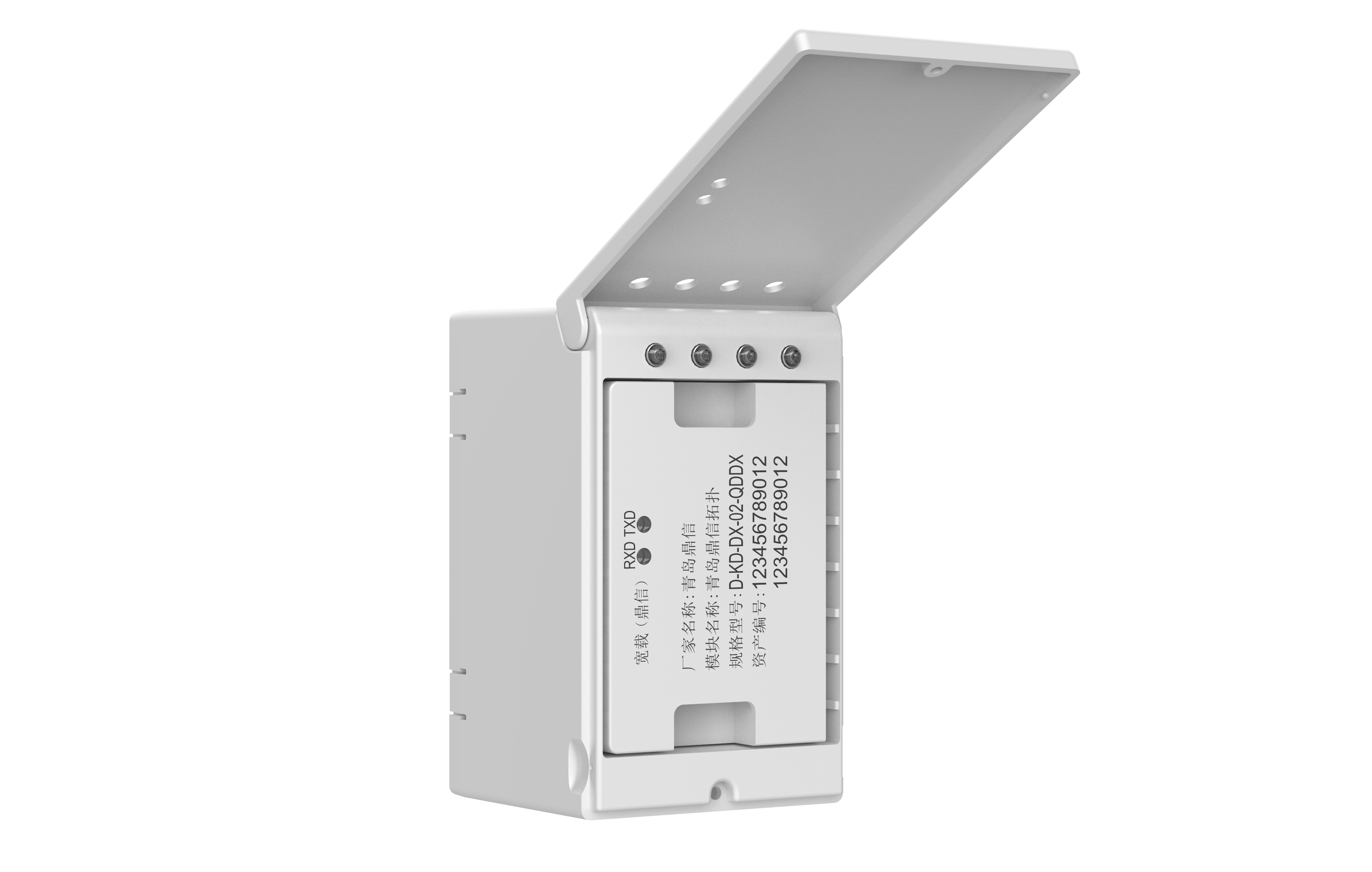
The integration of plc for smart grid communication technology into solar inverters represents a fundamental shift in how renewable energy systems connect with modern electrical grids. Solar inverter manufacturers are embedding specialized Power Line Communication (PLC) chips to enable seamless two-way dialogue between distributed solar installations and grid operators, creating the backbone of modern smart grid automation systems. This technical evolution addresses critical challenges in grid stability, demand response, and real-time energy management that traditional inverters cannot handle.
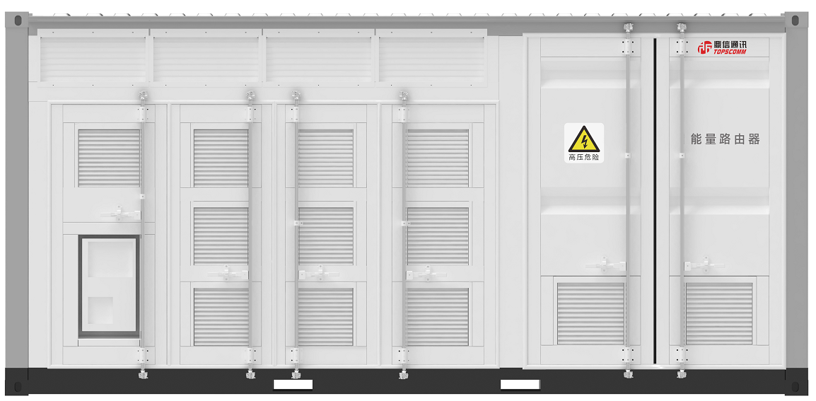
As electrical grids become increasingly complex with higher penetration of renewable energy sources, the demand for intelligent coordination mechanisms has intensified dramatically. Modern utilities operate distributed energy resource management systems that require real-time visibility into energy generation, consumption patterns, and network conditions. Inverter manufacturers recognized that embedding power line communication protocols directly into their hardware allows solar systems to participate actively in grid operations rather than simply feed power back passively. This shift transforms solar installations from peripheral equipment into active grid participants capable of responding to utility signals and contributing to overall network resilience.
Meeting Grid Modernization Requirements
The Evolution of Smart Grid Communication Needs
Traditional electrical grids operated on a one-directional power flow model, where centralized generation facilities supplied power to end consumers. The rise of distributed renewable energy sources fundamentally altered this paradigm, introducing multiple generation points across residential, commercial, and industrial installations. Utilities now require sophisticated smart grid automation systems capable of monitoring thousands of solar inverters simultaneously and coordinating their output dynamically. Power line communication protocols emerged as the preferred solution because they leverage existing electrical infrastructure rather than requiring costly new network installations, making widespread deployment economically feasible for utilities managing large distributed solar fleets.
Regulatory and Performance Drivers
Grid operators worldwide are establishing increasingly stringent interconnection requirements that mandate real-time communication capabilities from distributed energy resource management systems. Regulatory bodies recognize that without proper communication infrastructure, high penetration of solar and other renewable sources threatens grid stability through unpredictable power fluctuations. By embedding PLC for smart grid chips into inverters, manufacturers help utilities achieve voltage regulation, frequency stability, and demand response coordination automatically. These embedded communication capabilities allow solar installations to participate in ancillary services markets, voltage support programs, and frequency regulation, creating new revenue streams for customers while strengthening overall grid reliability and resilience.
Technical Architecture and Integration Benefits
How Power Line Communication Protocols Function
Power line communication technology transmits data signals through existing electrical infrastructure at frequencies above typical power delivery ranges, ensuring no interference with normal grid operations. When inverter manufacturers embed specialized PLC chips, they create a dual-function system where electrical power flows normally while control signals travel simultaneously on the same conductors. This approach eliminates the need for separate communication networks, reducing installation complexity and maintenance costs significantly. Smart grid automation systems utilizing power line communication protocols can achieve bidirectional communication latency within milliseconds, enabling real-time coordination essential for modern grid operations and rapid response to changing conditions.
Distributed Energy Resource Management Integration
Embedded PLC for smart grid chips allow solar inverters to integrate seamlessly into distributed energy resource management platforms operated by utilities and aggregators. These systems collect real-time data from thousands of solar installations and issue coordinated control commands to optimize overall grid performance. When a utility initiates a volt-var optimization event, for instance, inverters equipped with power line communication protocols respond instantly, adjusting reactive power output to support voltage stability without human intervention. This level of automation enables utilities to defer expensive grid upgrades, reduce peak demand charges, and integrate substantially higher percentages of renewable energy while maintaining the reliability standards expected by modern consumers and businesses.
Competitive and Market Positioning Advantages
Differentiation in an Expanding Market
Solar inverter manufacturers who embed PLC for smart grid capabilities gain substantial competitive differentiation as utility procurement increasingly prioritizes grid-interactive features. Utilities evaluating distributed energy resource management investments prefer equipment suppliers who have already invested in power line communication protocols and smart grid automation systems integration, reducing implementation timelines and technical risks. Customers purchasing solar systems also benefit from grid-aware functionality that positions their installations to participate in emerging demand response programs, time-of-use optimization, and other utility incentive schemes that reward intelligent behavior. This creates a virtuous cycle where early adopters establish market leadership while laggards face declining competitiveness as industry standards evolve and customer expectations shift toward grid-integrated functionality.
Future-Proofing and Scalability
By embedding power line communication protocols during manufacturing, solar inverter companies create platforms capable of supporting future smart grid automation systems requirements without requiring hardware replacement. As grid operators develop new demand response programs, voltage regulation strategies, and renewable integration methods, existing inverters with embedded PLC for smart grid chips can receive firmware updates enabling participation in these emerging services. This forward-looking approach protects customer investments while ensuring manufacturers remain relevant as industry standards evolve. Distributed energy resource management platforms are inherently dynamic, constantly adapting to changing regulatory requirements and operational priorities, making the flexibility offered by embedded communication capabilities essential for long-term business viability in the renewable energy sector.
FAQ
What specific advantages do power line communication protocols offer compared to other grid communication methods?
Power line communication protocols offer unique advantages because they utilize existing electrical infrastructure, eliminating the need for dedicated communication networks or additional wiring infrastructure. They function alongside normal power delivery without interference, achieve latency suitable for real-time grid operations, and provide highly reliable communication across utility territories. This makes them particularly cost-effective for distributed energy resource management systems managing thousands of geographically dispersed solar installations simultaneously.
How does smart grid automation systems participation benefit individual solar customers?
Solar customers whose systems include embedded PLC for smart grid chips gain access to utility incentive programs, demand response compensation, and grid services opportunities that non-communicating installations cannot access. Many utilities offer premium rates for solar production during peak demand periods or provide direct compensation for participating in voltage support and frequency regulation services, effectively increasing the economic value of solar investments over their lifetime.
Are there industry standards ensuring interoperability of plc for smart grid implementations?
Yes, multiple international standards govern power line communication protocols and smart grid automation systems interoperability, including IEEE 1901, ITU-T G.hnplc, and various utility-specific standards. These standards ensure that inverters from different manufacturers can communicate effectively with utility distributed energy resource management systems and other grid infrastructure, preventing vendor lock-in and promoting competitive equipment markets while maintaining operational compatibility across diverse grid environments.