EN
EN



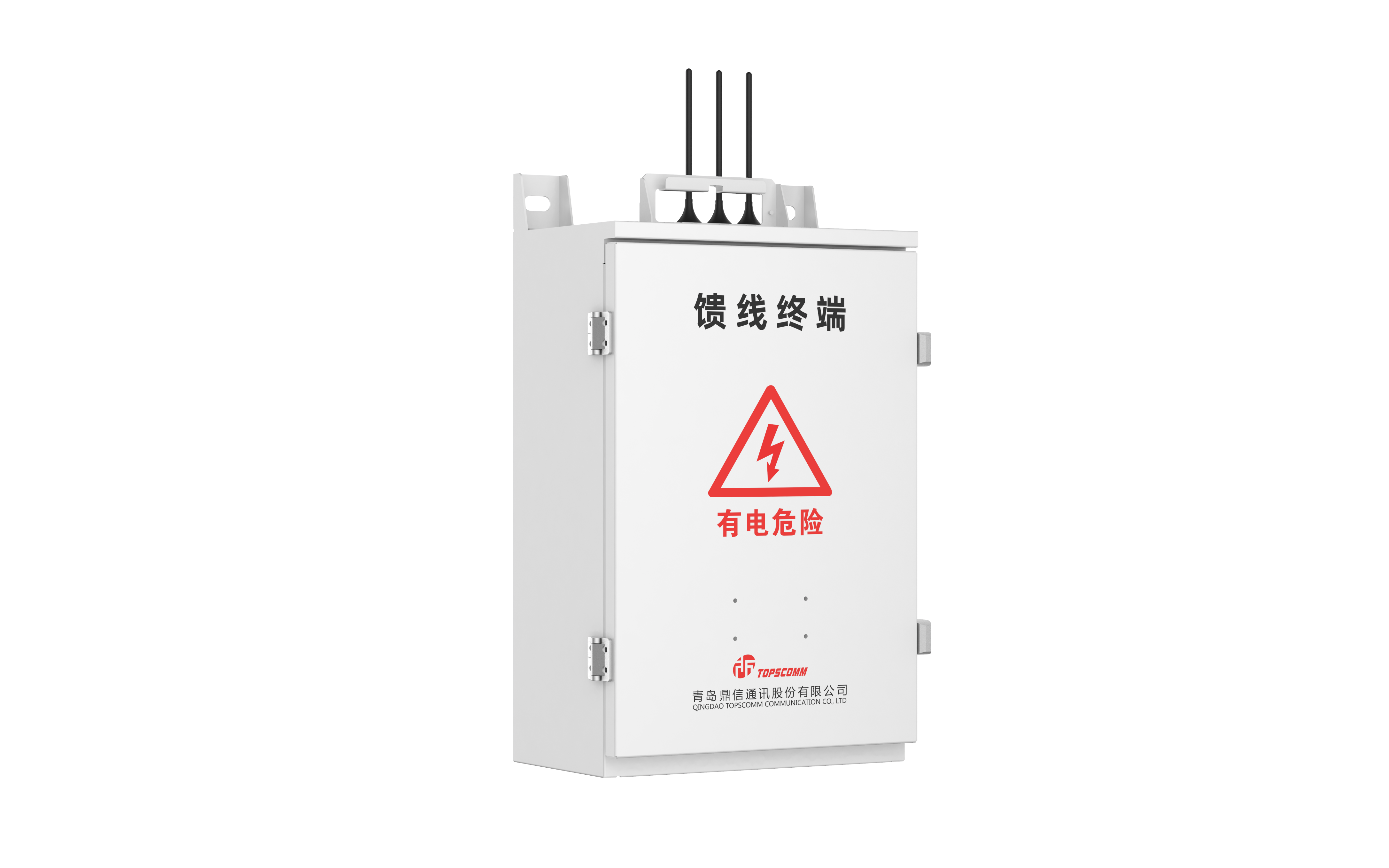
In modern power distribution networks, wire loss control has become one of the most critical operational priorities for utilities and energy managers. Non-technical loss — the portion of energy that disappears from a grid not due to physical resistance but due to metering errors, theft, billing discrepancies, and data gaps — continues to drain revenue and destabilize supply accuracy. Effective wire loss control directly addresses the root conditions that allow non-technical loss to persist unchecked.
Wire loss control is not simply about reducing resistance in conductors. It encompasses the full chain of measurement, monitoring, and data reconciliation that allows operators to distinguish true technical losses from abnormal non-technical losses. Without a structured wire loss control framework, discrepancies between power injected into a feeder and power billed to end users remain invisible until they compound into significant financial damage. This article explains why wire loss control is so important and how it directly supports the reduction of non-technical loss across distribution systems.
Understanding Non-Technical Loss and Its Hidden Costs
What Non-Technical Loss Actually Represents
Non-technical loss refers to energy that is delivered to the network but never recorded, billed, or collected. Unlike technical losses caused by conductor resistance or transformer inefficiency, non-technical loss stems from external and systemic failures. Illegal connections, tampered meters, inaccurate billing data, and measurement synchronization errors all contribute to non-technical loss. Wire loss control provides the diagnostic layer that makes these invisible losses visible by creating a consistent energy balance across every segment of the distribution network.
The financial impact of non-technical loss is substantial. For many utilities, it represents between five and fifteen percent of total energy delivered. Wire loss control allows operators to isolate which feeders, zones, or customer accounts are generating abnormal loss ratios. This targeted visibility is the first step toward recovery. Without wire loss control, operators cannot separate legitimate technical variance from suspicious anomalies, making corrective action nearly impossible to prioritize.
Why Non-Technical Loss Resists Standard Audits
Standard audits rely on billing records and meter reads taken at irregular intervals. These methods cannot capture real-time discrepancies or cumulative drift caused by meter tampering or unauthorized loads. Wire loss control integrates continuous data collection from smart terminals and metering devices, enabling operators to run ongoing energy balance checks rather than periodic snapshots. This continuous approach is what makes wire loss control fundamentally more effective than legacy audit methods for combating non-technical loss.
How Wire Loss Control Reduces Non-Technical Loss Operationally
Real-Time Monitoring and Energy Balance Calculation
The core mechanism of wire loss control in reducing non-technical loss is real-time energy balance calculation. By comparing the energy entering a distribution segment with the energy recorded at all downstream meters, wire loss control systems can flag imbalances immediately. When the balance deviates beyond a defined threshold, it signals a probable source of non-technical loss in that segment. Operators can then dispatch field teams with precise location data rather than conducting broad, resource-intensive surveys.
Wire loss control systems that incorporate intelligent fusion terminals aggregate data from multiple measurement points simultaneously. This aggregation eliminates the time-lag errors that occur when readings from different meters are taken at different moments. Synchronized data is essential because even small timing differences can create apparent losses that mask or inflate actual non-technical loss figures. Wire loss control built on synchronized, high-frequency data delivers the accuracy needed for reliable non-technical loss identification.
Localization and Root Cause Attribution
One of the strongest advantages of systematic wire loss control is its ability to localize non-technical loss to specific nodes or account clusters. Rather than knowing that a substation zone has a five-percent unexplained loss, wire loss control can narrow the source to a specific feeder section or even a group of meters. This localization dramatically reduces investigation time and allows utilities to allocate anti-loss resources efficiently. Wire loss control also supports documentation for regulatory reporting, helping utilities demonstrate compliance with loss reduction mandates.
Root cause attribution is another dimension where wire loss control adds measurable value. By correlating loss spikes with time-of-day patterns, seasonal load changes, or newly installed connections, wire loss control platforms help operators determine whether a loss event reflects meter tampering, an unauthorized bypass, or a data transmission error. Each of these causes requires a different response, and wire loss control provides the analytical context to choose the right intervention.
The Strategic Value of Wire Loss Control in Grid Management
Supporting Revenue Protection and Regulatory Compliance
Wire loss control is a revenue protection tool as much as it is a technical discipline. Every unit of energy identified through wire loss control and recovered from non-technical loss directly improves the financial position of the utility. Over large distribution networks, even a one-percent improvement in loss recovery translates to substantial revenue gains. Regulators in many markets now require utilities to demonstrate active wire loss control programs as a condition of operating license renewal and tariff approval.
Compliance frameworks increasingly demand that utilities report non-technical loss separately from technical loss. Wire loss control systems provide the granular, timestamped data needed to populate these regulatory reports accurately. Without a functioning wire loss control infrastructure, utilities risk underreporting non-technical loss or misclassifying it as technical loss, both of which carry penalties and reputational consequences.
Building a Scalable Loss Reduction Architecture
Wire loss control is not a one-time fix but a continuously evolving management architecture. As distribution networks expand with new residential developments, industrial loads, and distributed energy resources, wire loss control must scale accordingly. Intelligent terminal-based wire loss control systems are designed to onboard new measurement points without rebuilding the entire monitoring framework. This scalability ensures that wire loss control remains effective as network topology changes, protecting the utility's non-technical loss performance over the long term.
Integrating wire loss control with advanced metering infrastructure and distribution management systems creates a unified data environment where non-technical loss patterns can be tracked historically and predicted proactively. Predictive wire loss control allows operators to identify segments at elevated risk before losses materialize at scale, shifting the strategy from reactive investigation to preventive grid governance. This forward-looking capability is what separates mature wire loss control programs from basic meter-reading operations.
FAQ
What is the difference between technical loss and non-technical loss in wire loss control?
Technical loss results from the physical properties of conductors and transformers, such as resistance and core magnetization. Non-technical loss results from metering errors, data gaps, unauthorized consumption, or billing failures. Wire loss control distinguishes between the two by calculating energy balances at granular network segments and flagging deviations that exceed expected technical loss ranges.
How does wire loss control help utilities detect energy theft?
Wire loss control detects energy theft by continuously comparing injected energy against metered consumption at every downstream point. When a segment shows persistent unexplained losses, wire loss control systems generate alerts that guide field inspections. Synchronized, high-frequency data collection makes it difficult for theft-related losses to remain hidden within normal measurement variance, making wire loss control a reliable first-line detection tool.
What infrastructure is needed to implement effective wire loss control?
Effective wire loss control requires synchronized metering devices at all key measurement points, a communication network capable of transmitting real-time data, and an analytics platform that can calculate energy balances and flag anomalies. Intelligent fusion terminals are a core component of modern wire loss control systems because they aggregate multi-point data with high accuracy, enabling the continuous energy balance comparisons that make non-technical loss identification reliable and actionable.