EN
EN



Revenue leakage in utility operations is a persistent and costly problem, and wire loss control has emerged as one of the most practical ways to address it. When energy enters a distribution network but does not reach billable endpoints in full, the gap represents lost revenue and operational inefficiency. Wire loss control directly targets this gap by identifying, measuring, and reducing the energy that disappears between generation or purchase points and final delivery to consumers.
Utilities that invest in wire loss control programs consistently find that a significant share of their apparent losses were preventable. Whether caused by technical inefficiencies in conductors, transformer inefficiencies, or non-technical factors such as meter tampering and unauthorized consumption, wire loss control provides the diagnostic and corrective framework needed to protect revenue. Understanding exactly how wire loss control reduces leakage requires examining the mechanisms involved, the tools available, and the operational changes it drives.
How Wire Loss Control Identifies Revenue Leakage Sources
Technical Losses and the Role of Wire Loss Control
Technical losses are an unavoidable part of electricity distribution, but wire loss control distinguishes between acceptable losses and those that signal a problem. Resistance in conductors, transformer core losses, and reactive power flows all contribute to baseline technical losses. Wire loss control monitors these variables continuously, establishing benchmarks that allow utilities to detect when losses exceed normal thresholds. When wire loss control data reveals losses above benchmark levels in a specific feeder segment, engineers can investigate whether the cause is aging infrastructure, overloaded lines, or improper load balancing.
Smart energy metering is a cornerstone of effective wire loss control. By placing meters at multiple points along the distribution network, wire loss control systems create a precise energy audit trail. Each interval reading from these meters contributes to the wire loss control calculation, making it possible to isolate exactly which segment is producing losses. Without this granularity, wire loss control cannot attribute losses accurately, and revenue leakage remains difficult to quantify or correct.
Non-Technical Losses and Wire Loss Control Detection
Non-technical losses pose a different challenge, and wire loss control addresses them through data cross-referencing. When the energy measured entering a zone by wire loss control meters does not match the sum of billed consumption plus acceptable technical losses, wire loss control flags the discrepancy. This discrepancy is a strong indicator of meter fraud, illegal connections, or billing errors. Wire loss control systems that integrate with billing platforms allow utilities to act quickly, dispatching field teams to inspect flagged locations identified through wire loss control analytics.
Wire Loss Control Tools That Protect Utility Revenue
Smart Meters as Wire Loss Control Instruments
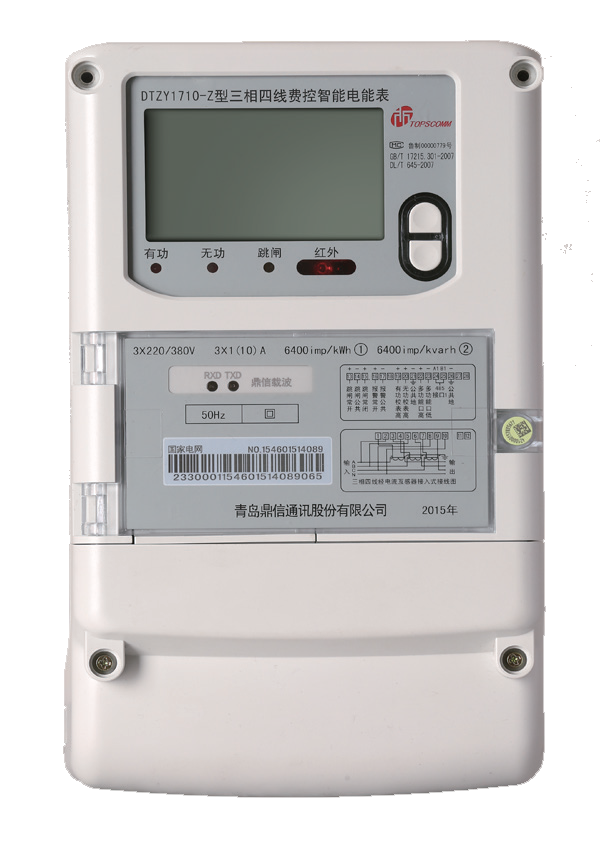
Single-phase smart energy meters are fundamental wire loss control instruments in low-voltage distribution networks. These devices support wire loss control by delivering tamper alerts, interval consumption data, and remote disconnection capabilities. When a wire loss control system detects a tamper event through a smart meter, it can immediately log the incident, trigger an alert, and preserve the data needed for billing correction. The ability of smart meters to support wire loss control in near real time significantly reduces the window during which revenue leakage goes undetected and unrecovered.
Advanced metering infrastructure extends wire loss control across entire distribution zones. Rather than relying on periodic manual reads, wire loss control through AMI delivers continuous loss calculations. Utilities using AMI-driven wire loss control can compare energy flows at the substation level against aggregated consumer meter readings, allowing wire loss control teams to quantify total losses with high precision. This level of wire loss control data resolution was not achievable with older metering technology.
SCADA and Grid Monitoring in Wire Loss Control
SCADA systems enhance wire loss control by providing real-time visibility into grid conditions. Wire loss control benefits from SCADA integration because operators can observe voltage profiles, current flows, and power factor values across the network simultaneously. When wire loss control thresholds are breached in a SCADA-monitored segment, automated alerts inform grid operators immediately. This rapid response capability makes wire loss control more proactive, reducing the time between a loss event occurring and corrective action being taken.
Operational Changes That Wire Loss Control Drives
Maintenance Prioritization Through Wire Loss Control Data
Wire loss control data fundamentally changes how utilities plan maintenance. Instead of following fixed schedules, utilities with mature wire loss control programs use loss data to prioritize which lines, transformers, and connection points require urgent attention. A feeder consistently showing high losses in wire loss control reports becomes a maintenance priority, even if its age or visible condition would not otherwise trigger inspection. This data-driven approach to wire loss control reduces both technical losses and the cost of unplanned outages.
Wire loss control also supports capital planning decisions. When wire loss control analysis shows that certain network segments have chronic loss levels that cannot be resolved through maintenance alone, utilities can justify infrastructure upgrades with quantified financial evidence. The wire loss control business case becomes straightforward when accumulated loss data demonstrates that upgrade costs are recoverable through reduced leakage within a defined payback period.
Billing Accuracy and Wire Loss Control Compliance
Wire loss control programs improve billing accuracy by ensuring that consumption measurements are reliable and complete. When wire loss control identifies meters that are underreporting due to tampering or malfunction, corrected bills recover revenue that would otherwise remain permanently lost. Regulatory compliance also benefits from wire loss control, as many utility regulators require demonstrable loss reduction programs. A documented wire loss control framework satisfies regulatory reporting requirements and supports performance benchmarking against industry standards.
FAQ
What types of losses does wire loss control address?
Wire loss control addresses both technical losses, such as conductor resistance and transformer inefficiencies, and non-technical losses, including meter fraud, unauthorized connections, and billing errors. A comprehensive wire loss control program monitors both categories simultaneously.
How does smart metering support wire loss control?
Smart metering supports wire loss control by providing interval-based consumption data, tamper alerts, and remote management capabilities. These features allow wire loss control teams to detect discrepancies in near real time and take corrective action before losses accumulate further.
Can wire loss control deliver a measurable return on investment?
Yes, wire loss control delivers measurable returns by recovering revenue from previously undetected leakage, reducing maintenance costs through data-driven prioritization, and avoiding regulatory penalties. Utilities with systematic wire loss control programs typically demonstrate loss reduction within the first year of deployment.