EN
EN



Implementing distribution automation in power networks represents a fundamental shift from traditional manual operations to intelligent, automated systems that enhance reliability, efficiency, and grid performance. This technological transformation involves deploying advanced sensors, communication systems, and control devices throughout the electrical distribution infrastructure to enable real-time monitoring, fault detection, and automated response capabilities. Understanding the systematic approach to distribution automation implementation is crucial for utilities seeking to modernize their grid operations and improve service quality for customers.
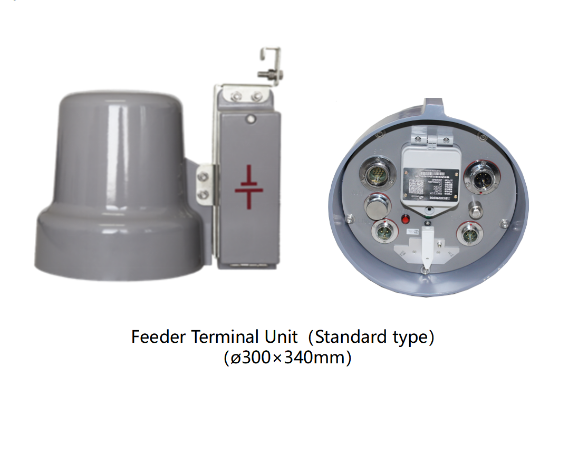
The implementation process requires careful planning, strategic technology selection, and phased deployment to ensure successful integration with existing infrastructure while minimizing operational disruptions. Modern distribution automation systems encompass various components including intelligent switching devices, remote terminal units, communication networks, and centralized control systems that work together to create a responsive and self-healing grid. The complexity of this implementation demands a structured methodology that addresses technical, operational, and economic considerations throughout the deployment process.
Strategic Planning and Assessment Phase
Current Infrastructure Evaluation
The foundation of successful distribution automation implementation begins with a comprehensive assessment of existing electrical infrastructure, communication capabilities, and operational procedures. This evaluation process involves detailed analysis of current switching devices, protection systems, and control mechanisms to identify integration points and upgrade requirements. Utilities must examine their distribution network topology, load characteristics, and historical performance data to establish baseline metrics for measuring improvement after distribution automation deployment.
Infrastructure assessment also includes evaluating the condition and remaining useful life of existing equipment to determine optimal replacement timing and integration strategies. This analysis helps identify critical feeders and substations that would benefit most from distribution automation upgrades, allowing utilities to prioritize implementation based on reliability needs and potential impact. The assessment process should also consider future load growth projections and renewable energy integration plans to ensure the distribution automation system can accommodate evolving grid requirements.
Technology Requirements Definition
Defining specific technology requirements forms the cornerstone of effective distribution automation implementation, requiring detailed specification of functional capabilities, performance parameters, and integration standards. This process involves establishing communication protocols, data exchange formats, and cybersecurity requirements that will govern system interoperability and security throughout the network. Utilities must consider both current operational needs and future expansion plans when defining these technical specifications to ensure long-term system viability.
The requirements definition phase also addresses environmental considerations, installation constraints, and maintenance accessibility that will influence equipment selection and deployment strategies. Distribution automation systems must operate reliably under various weather conditions and environmental stresses while providing consistent performance and minimal maintenance requirements. Clear definition of these technical parameters enables informed vendor selection and ensures that implemented solutions meet operational expectations and regulatory compliance standards.
System Architecture Design and Integration
Communication Network Architecture
Establishing a robust communication network forms the backbone of any distribution automation implementation, requiring careful selection of communication technologies, network topology, and redundancy mechanisms. The communication architecture must support real-time data transmission between field devices and control centers while maintaining reliability under various operating conditions. Modern distribution automation systems typically employ a combination of wired and wireless communication technologies, including fiber optic cables, cellular networks, and radio frequency systems to ensure comprehensive coverage and backup capabilities.
Network design considerations include bandwidth requirements, latency specifications, and security protocols necessary to support distribution automation functions such as fault detection, load monitoring, and remote switching operations. The communication infrastructure must accommodate both routine data collection activities and emergency response scenarios where rapid information exchange is critical for system protection and restoration. Proper network design also incorporates scalability features that allow for future expansion and technology upgrades without requiring complete system replacement.
Control System Integration
Integrating distribution automation controls with existing supervisory control and data acquisition systems requires careful coordination of data formats, communication protocols, and operational procedures. This integration process involves configuring software interfaces that enable seamless information flow between field devices, local control systems, and centralized management platforms. Successful integration ensures that distribution automation capabilities enhance rather than complicate existing operational workflows and decision-making processes.
The control system architecture must support both automated responses to system conditions and manual override capabilities that allow operators to maintain direct control when necessary. This dual-mode operation provides the flexibility needed to handle routine operations through automation while preserving human oversight for complex or unusual situations. Integration planning should also address data management requirements, including historical data storage, trend analysis capabilities, and reporting functions that support both operational and regulatory needs.
Field Device Deployment and Configuration
Intelligent Switching Device Installation
The deployment of intelligent switching devices represents a critical component of distribution automation implementation, involving the installation and configuration of automated switches, reclosers, and sectionalizers throughout the distribution network. These devices must be strategically positioned to maximize system reliability benefits while considering factors such as load distribution, fault current levels, and accessibility for maintenance operations. Proper installation requires coordination with outage scheduling to minimize customer impact during the deployment process.
Configuration of intelligent switching devices involves programming protection settings, communication parameters, and automation logic that governs device behavior under various system conditions. Each device must be properly integrated with the overall distribution automation scheme to ensure coordinated operation and prevent conflicts between different protection and control systems. The configuration process also includes testing procedures that verify proper device operation and communication before placing equipment into service.
Monitoring and Sensing Equipment
Installing comprehensive monitoring and sensing equipment provides the data foundation necessary for effective distribution automation operation, requiring deployment of voltage sensors, current transformers, and power quality monitoring devices throughout the network. These sensors must be positioned to provide adequate visibility into system conditions while considering installation costs and maintenance accessibility. The monitoring infrastructure should cover critical points such as substation exits, major load centers, and vulnerable sections of the distribution network.
Sensor configuration involves establishing measurement parameters, data collection intervals, and alarm thresholds that support both real-time operational needs and long-term analysis requirements. The monitoring system must provide sufficient data granularity to enable accurate fault location, load forecasting, and system optimization while avoiding data overload that could complicate operational decision-making. Proper sensor deployment also includes redundancy considerations that ensure continued monitoring capability even when individual devices require maintenance or replacement.
Testing and Commissioning Procedures
System Functionality Verification
Comprehensive testing procedures verify that distribution automation systems perform as designed under both normal and abnormal operating conditions, requiring systematic evaluation of communication links, control logic, and protection coordination. This testing process involves simulating various fault scenarios to confirm that automated responses occur correctly and within acceptable timeframes. Testing protocols must also verify that manual override capabilities function properly and that operators can maintain control during emergency situations.
Functionality verification includes testing of data acquisition systems, alarm generation, and reporting capabilities to ensure that operators receive accurate and timely information about system status. The testing process should also validate cybersecurity measures and access controls that protect the distribution automation system from unauthorized access or malicious attacks. Comprehensive documentation of test results provides the foundation for system acceptance and ongoing maintenance procedures.
Integration and Interoperability Testing
Integration testing ensures that distribution automation components work together seamlessly and maintain compatibility with existing utility systems and operational procedures. This process involves verifying data exchange between different system components, confirming that communication protocols operate correctly, and validating that automated sequences coordinate properly across multiple devices. Integration testing must also confirm that the distribution automation system interfaces correctly with other utility systems such as outage management, customer information, and asset management systems.
Interoperability testing extends beyond technical verification to include evaluation of operational workflows and human-machine interfaces that support daily utility operations. This testing confirms that operators can effectively use the distribution automation system for routine tasks such as switching operations, system monitoring, and emergency response. The testing process should also validate training materials and procedures that will support ongoing system operation and maintenance.
Operations and Maintenance Framework
Operational Procedures Development
Developing comprehensive operational procedures ensures that utility personnel can effectively utilize distribution automation capabilities while maintaining system reliability and safety standards. These procedures must address both routine operations and emergency response scenarios, providing clear guidance for operators working with automated systems. Operational procedures should define roles and responsibilities for different personnel levels and establish protocols for escalating issues when automated systems require manual intervention.
Procedure development also includes creating documentation for system configuration changes, maintenance activities, and performance monitoring that supports continuous improvement of distribution automation effectiveness. These procedures must be regularly updated to reflect system modifications, lessons learned from operational experience, and changes in regulatory requirements. Effective operational procedures provide the framework for realizing the full benefits of distribution automation investment while maintaining high standards of system reliability and safety.
Performance Monitoring and Optimization
Establishing ongoing performance monitoring enables utilities to measure distribution automation effectiveness and identify opportunities for system optimization and enhancement. This monitoring process involves tracking key performance indicators such as outage duration reduction, fault location accuracy, and system response times to quantify the benefits achieved through automation implementation. Regular performance analysis helps identify areas where system adjustments or additional training may improve operational outcomes.
Performance optimization includes periodic review of automation settings, communication network performance, and device reliability to ensure continued effectiveness as system conditions evolve. This optimization process may reveal opportunities for expanding distribution automation coverage to additional portions of the network or upgrading existing equipment to take advantage of technological advances. Systematic performance monitoring also supports regulatory reporting requirements and provides data for justifying future distribution automation investments.
FAQ
What are the typical timeframes for implementing distribution automation across a utility network?
Distribution automation implementation typically follows a phased approach spanning three to seven years depending on system size and complexity. Initial pilot projects usually take six to twelve months to complete, providing valuable experience for larger-scale deployment. Full system implementation requires careful coordination with maintenance schedules and capital investment plans to minimize customer impact and optimize resource utilization throughout the deployment process.
How does distribution automation integration affect existing utility operations and workforce requirements?
Distribution automation implementation requires significant changes to operational procedures and staff training to effectively utilize new system capabilities. Operators must develop skills in system monitoring, automated response management, and advanced troubleshooting techniques. The transition typically involves a learning curve where personnel adapt to new interfaces and decision-making processes while maintaining familiarity with manual backup procedures for emergency situations.
What are the primary technical challenges encountered during distribution automation deployment?
Common technical challenges include communication network reliability, integration with legacy systems, and coordination of protection settings across automated devices. Cybersecurity implementation presents ongoing challenges as utilities must balance operational efficiency with system security requirements. Environmental factors such as weather resistance and electromagnetic interference can also impact system performance and require careful attention during equipment selection and installation processes.
How can utilities measure the return on investment for distribution automation projects?
Return on investment measurement focuses on quantifiable benefits including reduced outage duration, improved reliability indices, and decreased operational costs through automation of routine tasks. Utilities typically track metrics such as system average interruption duration index improvement, reduction in truck rolls for switching operations, and enhanced power quality that provides value to customers. Long-term benefits also include improved asset utilization and enhanced capability to integrate renewable energy resources into the distribution network.
Table of Contents
- Strategic Planning and Assessment Phase
- System Architecture Design and Integration
- Field Device Deployment and Configuration
- Testing and Commissioning Procedures
- Operations and Maintenance Framework
-
FAQ
- What are the typical timeframes for implementing distribution automation across a utility network?
- How does distribution automation integration affect existing utility operations and workforce requirements?
- What are the primary technical challenges encountered during distribution automation deployment?
- How can utilities measure the return on investment for distribution automation projects?