Intelligent Manufacturing: Advanced Analytics and Automation for Next-Generation Production

Get a Free Quote

Our representative will contact you soon.
Email
Name
Company Name
Message
0/1000

intelligent manufacturing

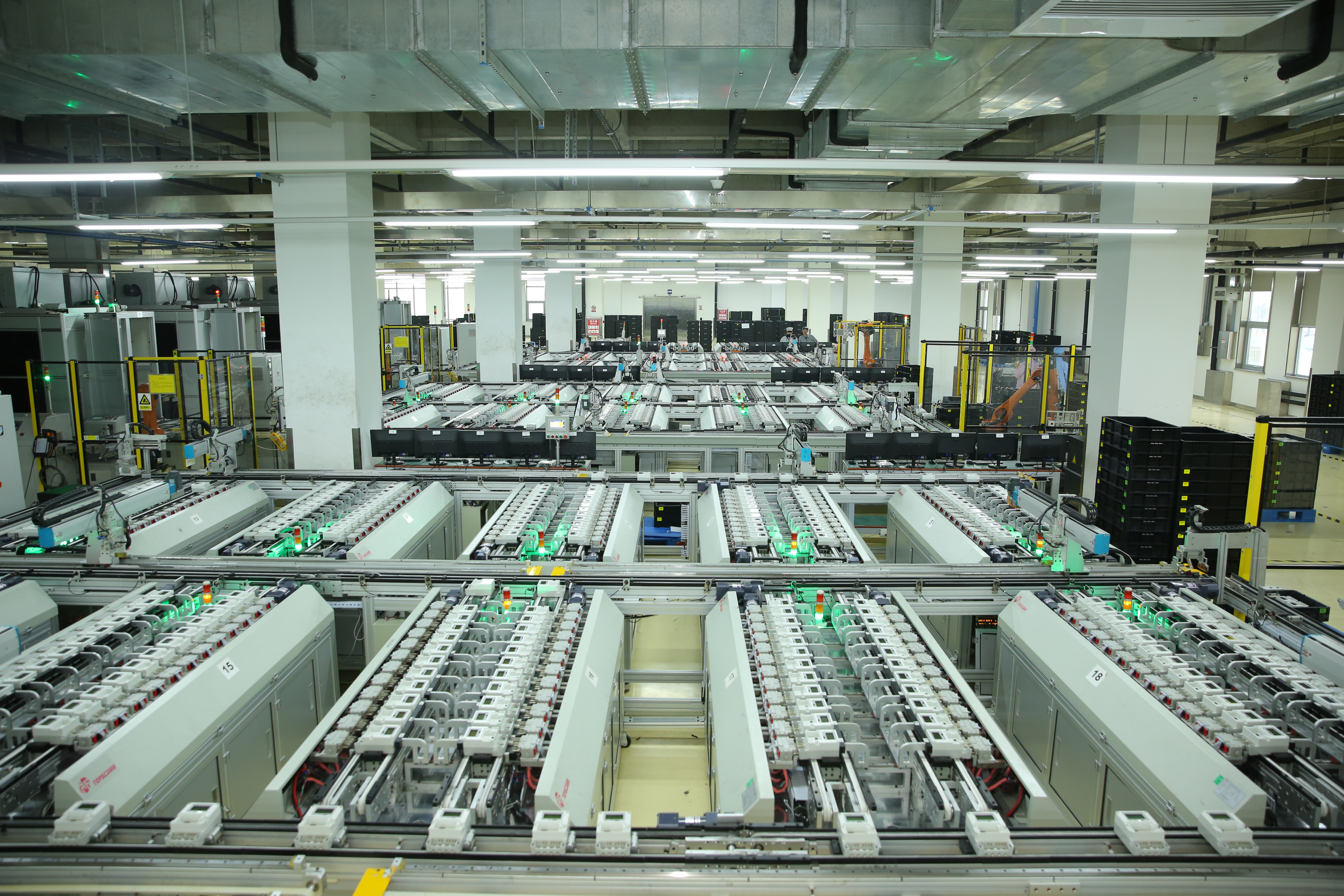
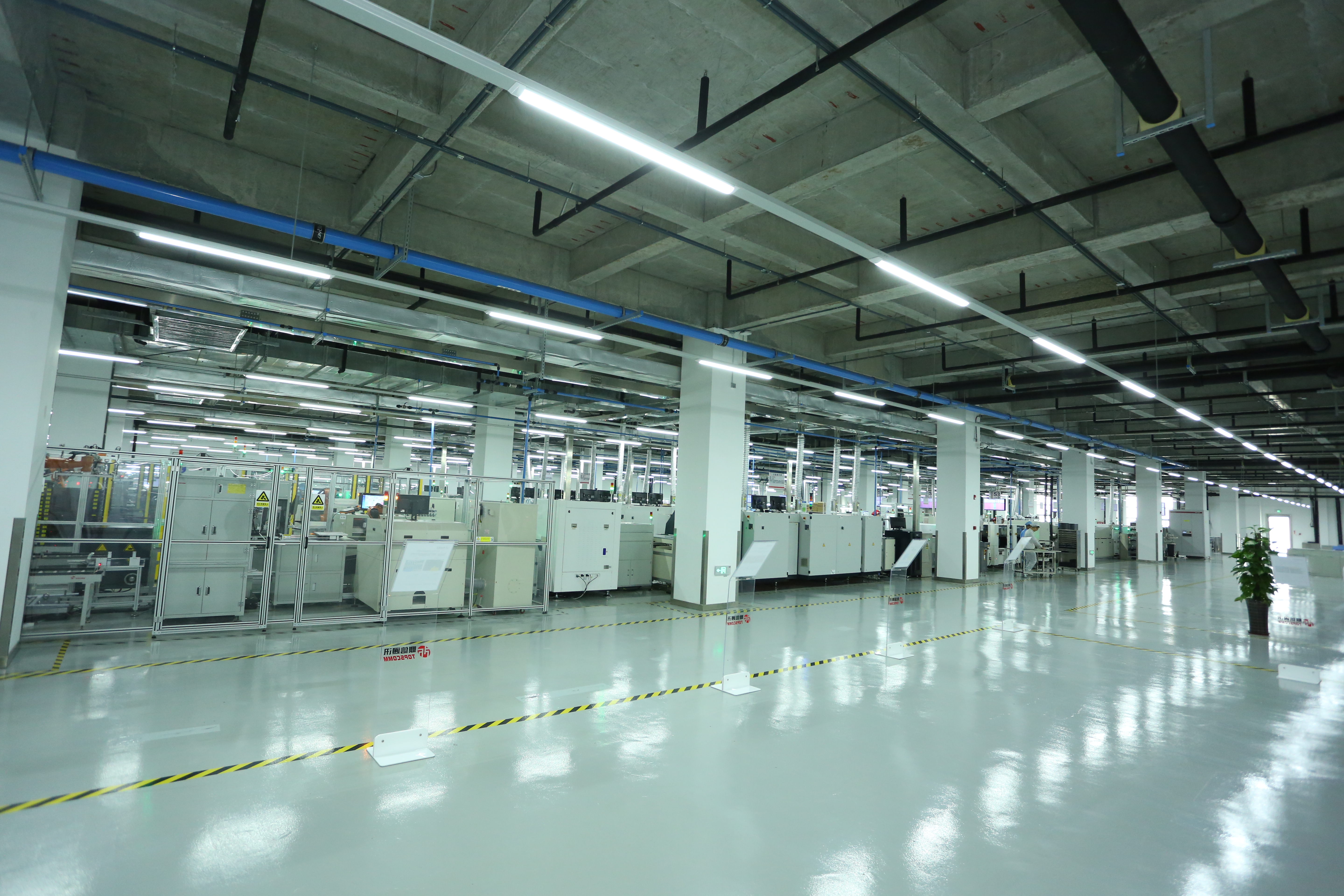
Intelligent manufacturing represents a transformative approach to production that integrates advanced technologies, data analytics, and automation to create highly efficient and adaptive manufacturing systems. This revolutionary concept combines Internet of Things (IoT) sensors, artificial intelligence, machine learning, and robotics to create smart factories that can monitor, analyze, and optimize production processes in real-time. The system enables predictive maintenance, quality control, and resource optimization through continuous data collection and analysis. Manufacturing equipment communicates seamlessly through industrial networks, allowing for automated decision-making and process adjustments. The technology incorporates digital twins, creating virtual replicas of physical assets to simulate and optimize operations before implementation. Advanced analytics capabilities process vast amounts of production data to identify patterns, predict potential issues, and suggest improvements. The system also features adaptive manufacturing processes that can automatically adjust to changing production requirements, ensuring maximum efficiency and minimal waste. Quality control is enhanced through AI-powered inspection systems that can detect defects with unprecedented accuracy. The integration of supply chain management allows for better coordination with suppliers and customers, creating a more responsive and efficient production ecosystem.


Popular Products

Intelligent manufacturing offers numerous compelling advantages that revolutionize traditional production methods. First, it significantly improves operational efficiency through automated processes and real-time optimization, reducing production time and increasing output. The implementation of predictive maintenance capabilities minimizes unexpected downtime by identifying potential equipment issues before they cause failures. Cost reduction is achieved through optimized resource utilization, reduced waste, and improved energy efficiency. Quality control is enhanced through AI-powered inspection systems that maintain consistent product quality while reducing human error. The system's flexibility allows for rapid adaptation to changing market demands and custom production requirements, enabling manufacturers to respond quickly to customer needs. Worker safety is improved through automated handling of hazardous materials and dangerous operations. Data-driven decision-making capabilities provide manufacturers with actionable insights for continuous improvement and strategic planning. The integration of supply chain management improves inventory control and reduces storage costs. Environmental sustainability is enhanced through optimized resource usage and reduced waste production. The system's scalability allows manufacturers to expand operations efficiently while maintaining quality and consistency. Remote monitoring and control capabilities enable management of multiple facilities from a central location. The technology also facilitates better quality assurance through comprehensive tracking and traceability of products throughout the manufacturing process. These advantages combine to create a more competitive, efficient, and sustainable manufacturing operation that can meet the challenges of modern production demands.

Tips And Tricks

How Do Smart Water Meters Improve Resource Management for Cities?

25

Sep

How Do Smart Water Meters Improve Resource Management for Cities?

Transforming Urban Water Management Through Digital Innovation Urban water management faces unprecedented challenges in the modern era. As cities grow and climate patterns shift, the need for efficient water resource management becomes increasingly c...
View More
How to Ensure Reliability and Security in Power Grid Systems?

31

Oct

How to Ensure Reliability and Security in Power Grid Systems?

Strengthening Modern Power Infrastructure Against Emerging Threats The integrity of our power grid systems stands as one of the most critical aspects of modern infrastructure. As our societies become increasingly dependent on electricity, power grid ...
View More
Why Are Smart Energy Meters Crucial in Building Smart City Infrastructure?

31

Oct

Why Are Smart Energy Meters Crucial in Building Smart City Infrastructure?

The Evolution of Urban Energy Management Through Smart Metering The landscape of modern urban development is experiencing a revolutionary transformation through the integration of smart energy meters. These sophisticated devices serve as the cornerst...
View More
Why Do Global Buyers Trust Chinese Smart Energy Meter Makers?

31

Oct

Why Do Global Buyers Trust Chinese Smart Energy Meter Makers?

The Rise of China's Smart Energy Meter Industry in Global Markets Over the past decade, Chinese smart energy meter manufacturers have emerged as dominant players in the international energy measurement sector. Their remarkable ascent reflects a perfe...
View More

Get a Free Quote

Our representative will contact you soon.
Email
Name
Company Name
Message
0/1000

intelligent manufacturing

Advanced Analytics and Predictive Capabilities

Advanced Analytics and Predictive Capabilities

The intelligent manufacturing system's advanced analytics capabilities represent a quantum leap in production optimization and decision-making. The system continuously collects and analyzes vast amounts of data from multiple sources throughout the production process, including machine sensors, quality control systems, and supply chain operations. This comprehensive data analysis enables accurate prediction of maintenance needs, helping prevent costly equipment failures and production interruptions. The system employs sophisticated machine learning algorithms that continuously improve their predictive accuracy over time, learning from past experiences and outcomes. Real-time analytics provide immediate insights into production performance, allowing for instant adjustments to optimize efficiency. The system can identify subtle patterns and correlations in production data that would be impossible for human operators to detect, leading to unprecedented opportunities for process improvement and cost reduction.
Seamless Integration and Connectivity

Seamless Integration and Connectivity

Intelligent manufacturing systems excel in creating a fully connected production environment where all components work together in perfect harmony. This seamless integration extends from the shop floor to enterprise-level systems, creating a unified ecosystem that enables comprehensive control and monitoring. The system utilizes industrial IoT networks to establish reliable, real-time communication between different machines, sensors, and control systems. This connectivity enables automated coordination between different production stages, reducing bottlenecks and optimizing workflow. The integration extends to supply chain management systems, allowing for automated ordering, inventory management, and logistics coordination. Cloud connectivity enables remote access to production data and control systems, facilitating flexible management and rapid response to changes or issues.
Adaptive Manufacturing and Customization

Adaptive Manufacturing and Customization

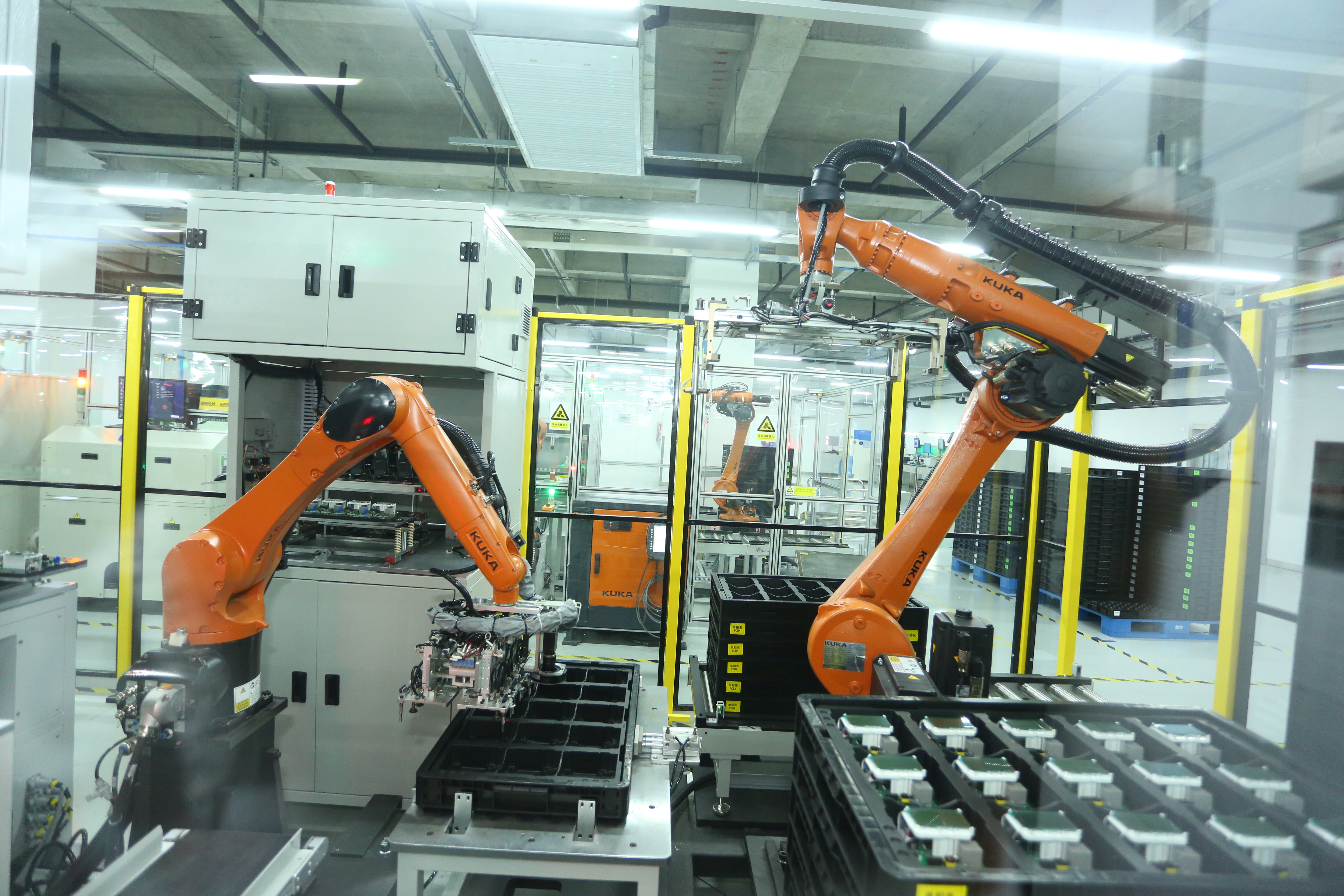
The adaptive manufacturing capabilities of intelligent systems represent a major advancement in production flexibility and customization. The system can automatically adjust production parameters based on changing requirements, enabling efficient production of customized products without significant retooling or downtime. Advanced robotics and flexible automation systems can quickly switch between different product variants, enabling efficient small-batch production. The system's artificial intelligence can optimize production sequences and parameters for each specific product variation, ensuring consistent quality regardless of customization level. Digital twin technology allows for virtual testing and optimization of new product configurations before actual production begins, reducing setup time and potential errors. This adaptability extends to resource allocation, where the system can automatically adjust energy usage, material flow, and labor requirements based on current production needs.

Get a Free Quote

Our representative will contact you soon.
Email
Name
Company Name
Message
0/1000