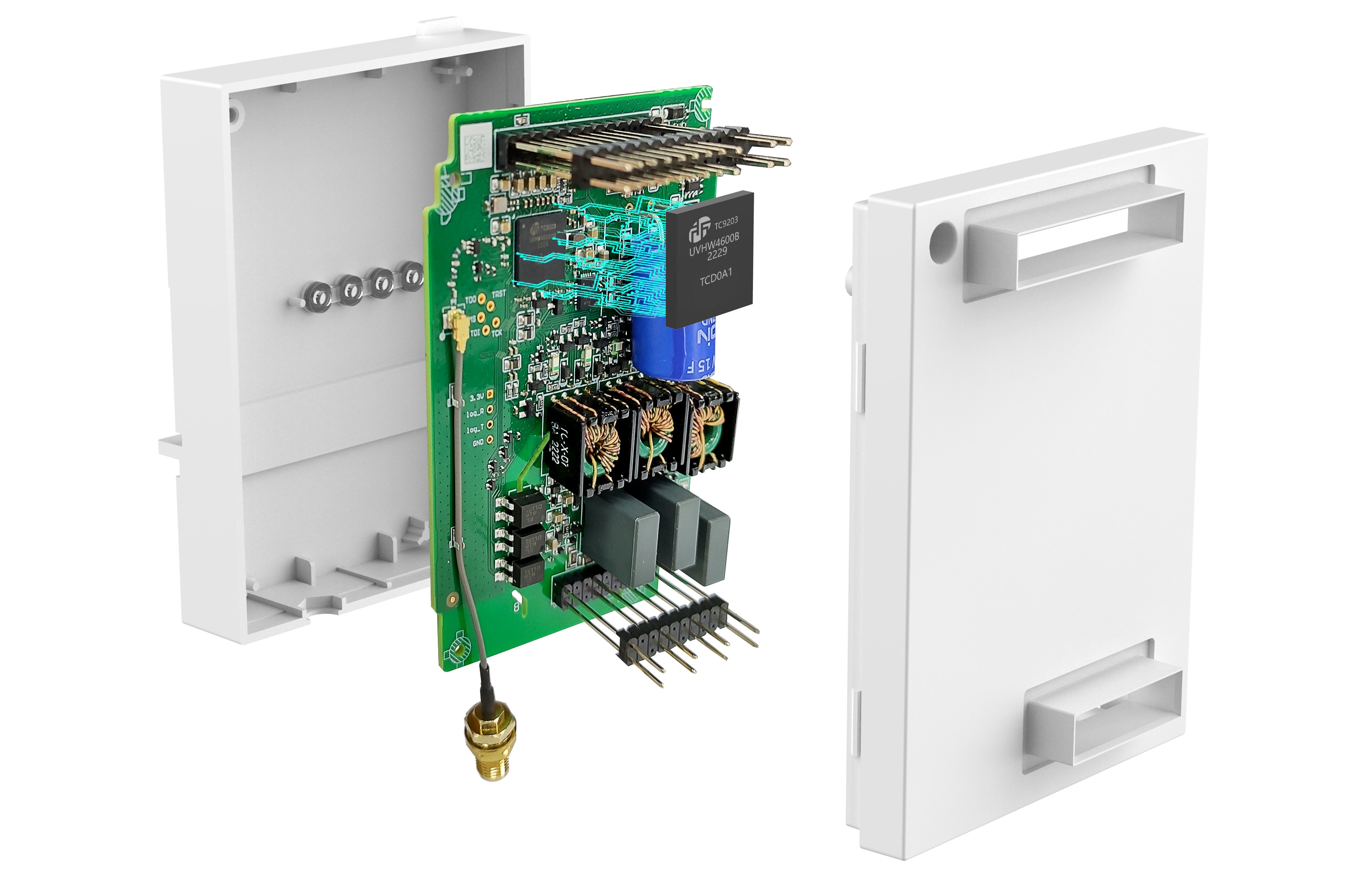
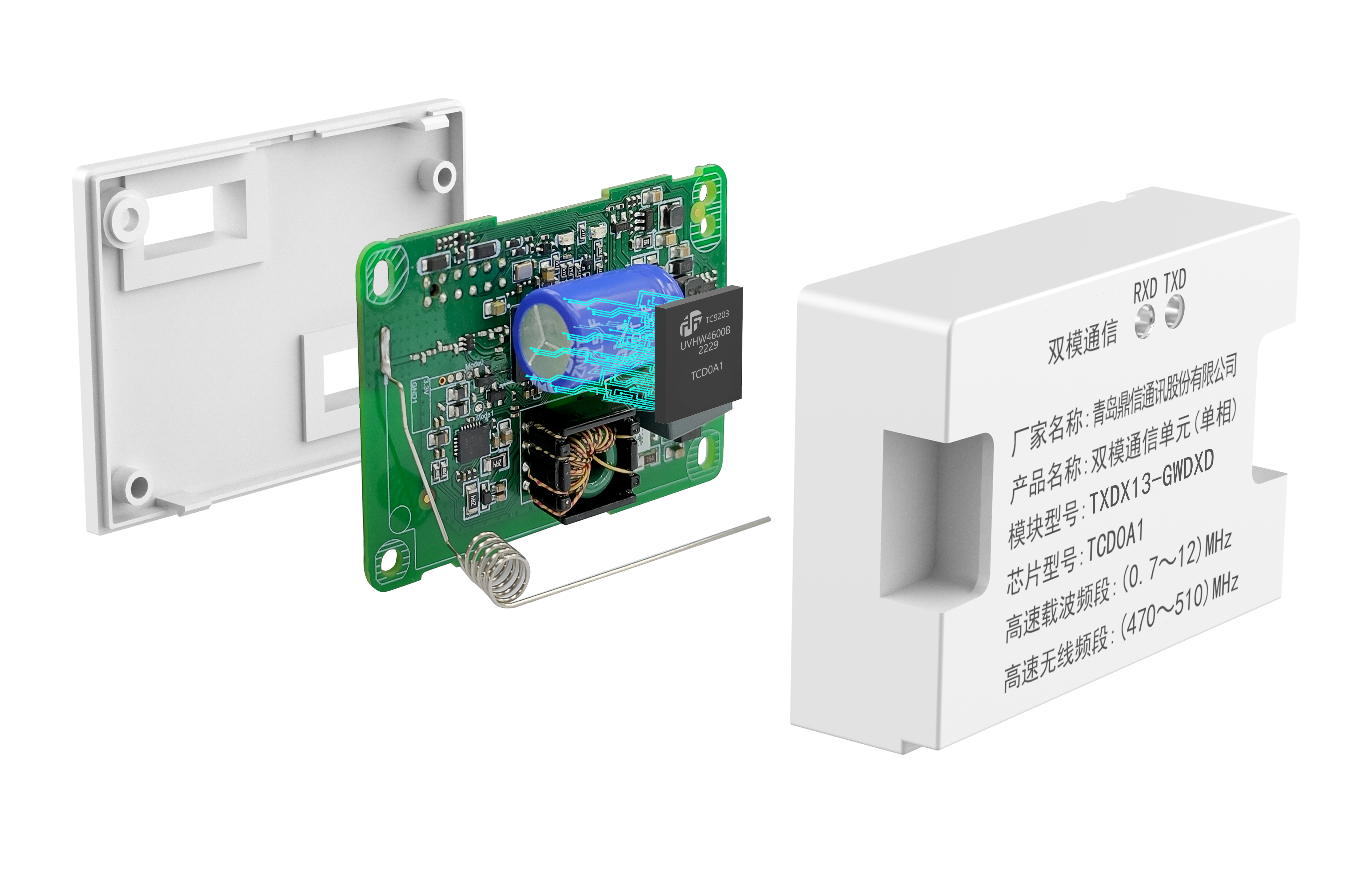
power line communication
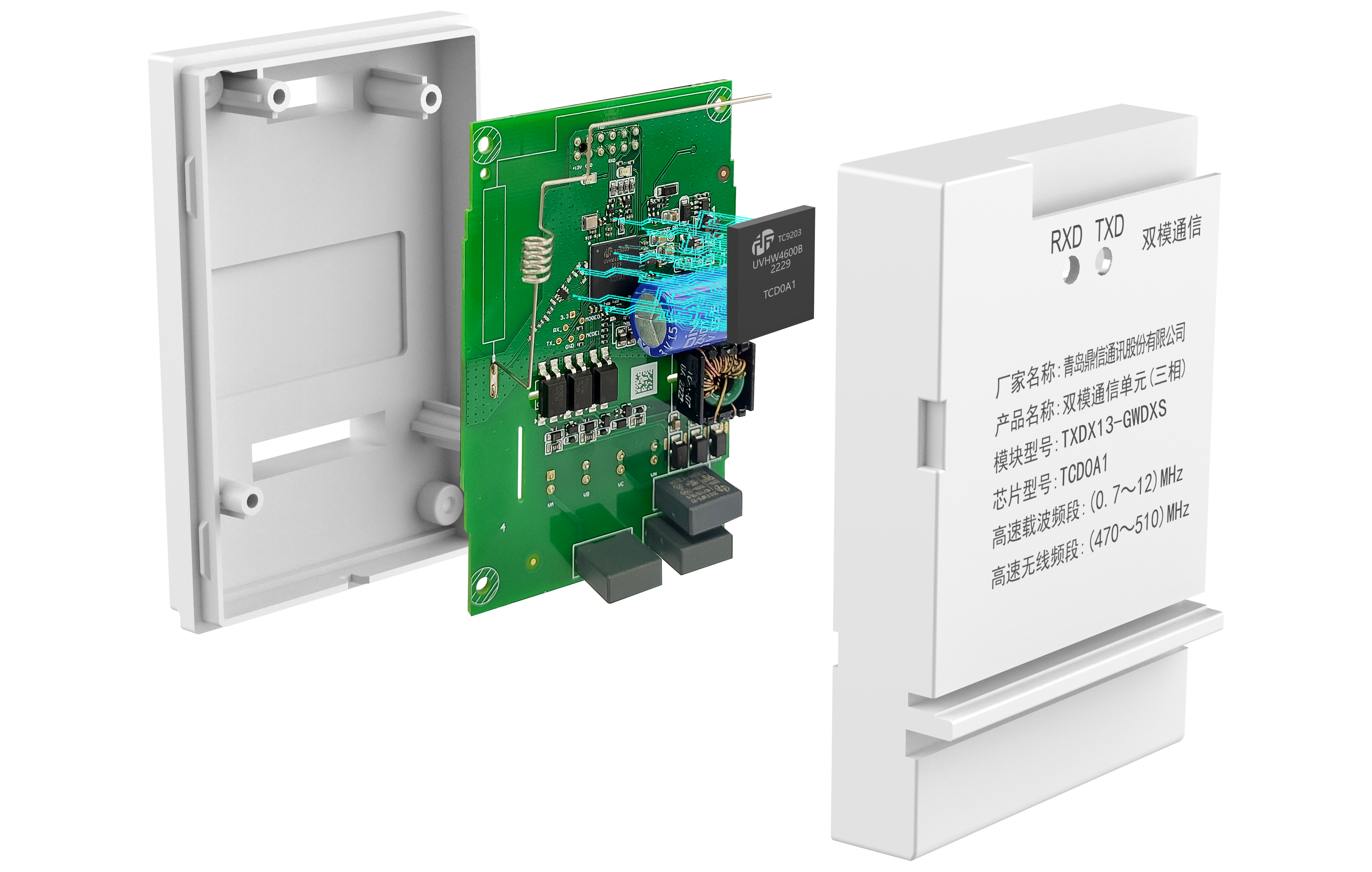
Power Line Communication (PLC) represents a groundbreaking technology that transforms existing power lines into data transmission networks. This innovative system enables the dual use of electrical infrastructure for both power delivery and data communication, effectively creating a comprehensive communication network without requiring additional wiring infrastructure. PLC technology operates by superimposing a modulated carrier signal onto the existing power lines, allowing for data transmission across the electrical grid. The system comprises three main components: transmitters that inject the data signal into the power lines, the power lines themselves acting as the transmission medium, and receivers that extract and decode the data signal at designated points. This technology supports various communication speeds, from narrow-band applications operating at kilobits per second to broadband implementations achieving hundreds of megabits per second. PLC finds extensive applications in smart grid implementations, home automation systems, and industrial control networks. It enables functions such as remote meter reading, load control, demand response management, and real-time monitoring of power consumption patterns. The technology has evolved significantly, incorporating advanced modulation techniques and error correction mechanisms to ensure reliable data transmission despite the inherently noisy power line environment.

 EN
EN