EN



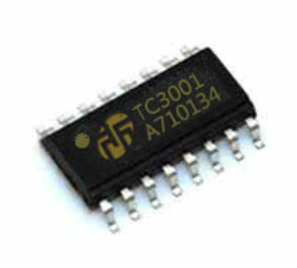
Selecting the right power line communication chip vendor is critical for organizations deploying hybrid communication systems that demand both reliability and flexibility. Modern utility networks and smart grid communication infrastructure require solutions that seamlessly integrate multiple communication modes, allowing operators to switch between or combine different technologies based on real-time conditions and network requirements. The question of whether a power line communication chip vendor can effectively support dual-mode power line communication technology standards alongside radiofrequency systems has become increasingly relevant as utilities modernize their operations.
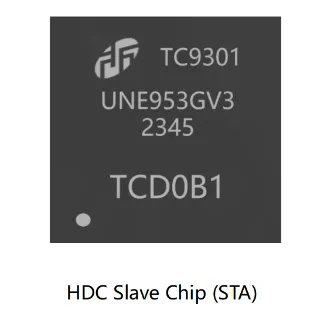
The answer is definitively yes, and leading technology providers have architected narrowband powerline communication chipset solutions that deliver this capability. These advanced platforms enable utilities to operate across both power line communication and RF channels, creating redundancy, extending coverage, and optimizing performance across diverse deployment scenarios. Understanding how dual-mode functionality works and what capabilities a power line communication chip vendor must demonstrate is essential for making informed infrastructure investments.
Core Technical Architecture for Dual-Mode Communication
Integrated Hardware and Protocol Support
A capable power line communication technology standards vendor designs chipsets with dual integrated transmitters and receivers that can operate independently or in coordinated fashion. The narrowband powerline communication chipset must include dedicated physical layer components for power line modulation while simultaneously supporting RF frequency bands such as 470 MHz in Europe or equivalent regional allocations. This dual hardware approach eliminates the need for separate devices and reduces system complexity, power consumption, and cost across the entire smart grid communication infrastructure deployment.
The protocol layer in these platforms supports both PRIME (PoweRline Intelligent Metering Evolution) and G.9903 standards for power line communication, alongside standard RF protocols. This multi-standard flexibility allows the narrowband powerline communication chipset to interoperate with existing utility networks while providing a migration path to newer technologies. Vendors implementing this architecture demonstrate their understanding of both power line communication technology standards and practical deployment constraints that utilities face in the field.
Seamless Mode Switching and Redundancy
Dual-mode systems excel at automatic failover and load balancing across communication channels. When power line communication channels experience degradation due to noise or impedance changes, the chipset can transparently shift traffic to the RF channel without losing data integrity or requiring manual intervention. This redundancy mechanism strengthens smart grid communication infrastructure by ensuring critical messages reach their destinations even when one communication path is compromised. A professional power line communication technology standards implementation includes deterministic algorithms that select the optimal channel based on real-time signal quality metrics.
Smart Grid Communication Infrastructure Benefits
Coverage Expansion and Deployment Flexibility
Smart grid communication infrastructure deployments often face challenging physical environments where pure power line communication alone proves insufficient. Areas with severe powerline attenuation, transformer isolation, or electromagnetic interference require supplementary RF coverage to maintain system reliability. By integrating both narrowband powerline communication chipset capabilities and RF functionality, utilities can deploy unified architecture without maintaining separate parallel networks. This consolidated approach reduces capital expenditure, operational complexity, and maintenance overhead while delivering superior coverage across urban, suburban, and rural service territories.
Enhanced Cybersecurity and Network Resilience
Dual-mode architectures inherently provide security benefits by offering attackers no single point of failure to exploit. A compromised or jammed power line communication technology standards channel does not disable the network if RF remains operational. Advanced power line communication chip vendor solutions implement independent security stacks on each mode, using distinct encryption keys and authentication mechanisms. This architectural diversity forces attackers to mount significantly more sophisticated campaigns targeting both channels simultaneously, dramatically raising the barrier to successful intrusion and protecting critical smart grid communication infrastructure assets.
Implementation Considerations and Vendor Capabilities
Integration Complexity and Support Requirements
Implementing dual-mode narrowband powerline communication chipset solutions requires vendors to provide comprehensive software development kits, firmware, and reference designs that abstract complexity from system integrators. The power line communication technology standards evolve continuously, and vendors must maintain active standards participation and regular firmware updates to ensure compliance. Selecting a power line communication chip vendor with proven experience in both channels, documented field deployments, and responsive technical support proves essential for project success. Look for vendors offering complete middleware stacks, simulation tools, and testing frameworks rather than bare silicon solutions.
Performance Optimization and Real-World Validation
Theoretical dual-mode capability differs significantly from validated field performance across diverse smart grid communication infrastructure environments. Leading vendors conduct extensive testing in realistic powerline environments, including transmission networks, distribution systems, and customer premises locations. The narrowband powerline communication chipset must demonstrate reliable operation across temperature extremes, voltage fluctuations, and interference sources common in utility environments. Validated performance data, independent certification from standards bodies, and case studies from comparable deployments provide evidence of a vendor's genuine technical maturity rather than marketing promises alone.
FAQ
What standards must a power line communication chip vendor support for hybrid systems?
A professional power line communication technology standards vendor should support PRIME, G.9903, and regional RF protocols appropriate to the deployment geography. The narrowband powerline communication chipset must comply with EMC regulations, spectral masks, and modulation standards published by standards bodies and regional regulators. Vendors should provide documentation proving certification against IEC, CENELEC, or equivalent standards bodies, demonstrating that their implementation meets both power line communication and RF requirements simultaneously.
How does dual-mode capability improve smart grid communication infrastructure reliability?
Dual-mode architecture eliminates single points of failure by providing two independent communication paths with diverse physical mechanisms. If power line communication degradation occurs due to network conditions, the narrowband powerline communication chipset automatically routes traffic through RF channels without service interruption. This redundancy significantly improves system availability metrics, reduces alert suppression caused by communication failures, and enables utilities to maintain critical control messages under adverse conditions that would disable single-mode systems.
What questions should utilities ask when evaluating a power line communication chip vendor?
Request field deployment references from the power line communication chip vendor, asking specifically about dual-mode implementations in utility networks comparable to yours. Verify that the narrowband powerline communication chipset offers independent channel diagnostics, automatic failover testing, and configurable mode priorities. Ask about firmware update procedures, backward compatibility commitments, and support for evolving power line communication technology standards. Require detailed technical documentation covering latency, throughput, encryption mechanisms, and real-world performance data rather than theoretical specifications alone.