EN



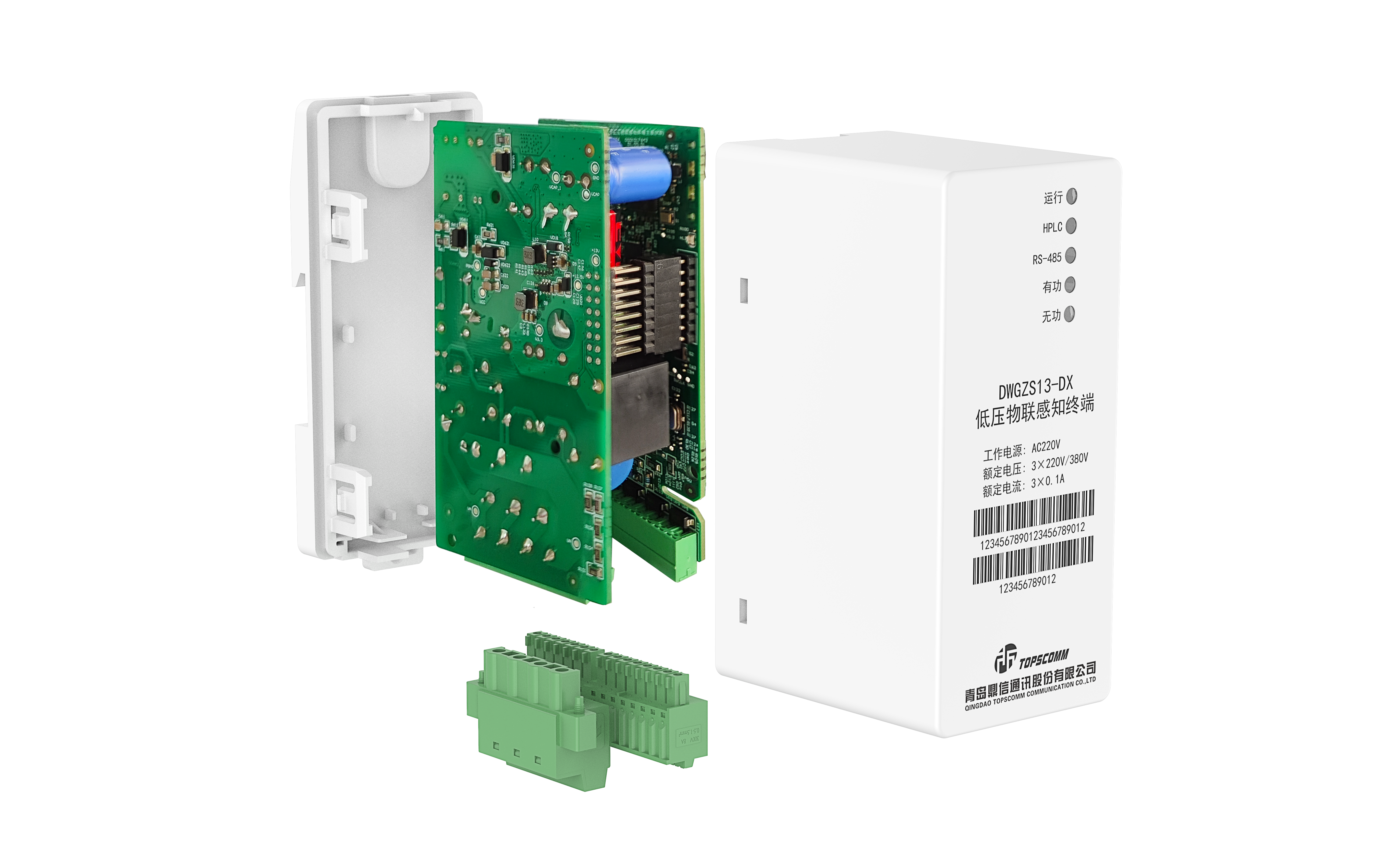
Data security remains paramount for any organization deploying power line communication infrastructure. A power line communication chip vendor plays a critical role in establishing robust encryption standards that protect sensitive information transmitted across electrical grids and smart meter networks. These vendors must implement sophisticated security protocols to prevent unauthorized access, data interception, and network vulnerabilities that could compromise utility operations and consumer privacy.
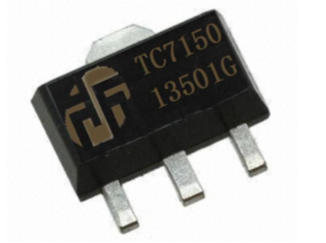
The landscape of power line communication modem chipset development has evolved significantly over the past decade. Modern power line communication chip vendor implementations now incorporate advanced encryption standards that align with international regulatory requirements and industry best practices. Understanding these encryption frameworks is essential for utility companies, smart grid operators, and IoT solution providers seeking to deploy secure narrowband powerline communication technology across their infrastructure.
Core Encryption Standards in Narrowband Powerline Communication Technology
AES-Based Encryption Protocols
Advanced Encryption Standard (AES) forms the foundation of most narrowband powerline communication technology deployments. Leading power line communication chip vendors implement AES-128 and AES-256 encryption algorithms to secure command and control messages transmitted over electrical lines. These encryption methods provide military-grade protection while maintaining computational efficiency on resource-constrained chipsets. The adoption of AES ensures compatibility with international security standards and regulatory frameworks across utility markets.
Power line communication modem chipset manufacturers typically employ AES in combination with robust key management systems. This approach prevents unauthorized decryption even if attackers obtain encrypted data packets. The encryption operates at the link layer, ensuring that every communication between smart meters and the utility's central management system remains protected from eavesdropping and tampering.
Key Exchange and Authentication Mechanisms
Secure key exchange represents another critical dimension of smart meter communication protocol implementation. Power line communication chip vendors utilize various key derivation functions and pre-shared key mechanisms to establish secure communication channels. These systems employ techniques like elliptic curve cryptography and hash-based message authentication codes to verify the authenticity of connected devices before transmitting sensitive data.
Authentication protocols prevent rogue devices from accessing the power line communication network. By implementing certificate-based authentication and mutual device verification, narrowband powerline communication technology ensures that only authorized endpoints participate in network communications. This multi-layer approach significantly reduces vulnerability to man-in-the-middle attacks and unauthorized network access.
Implementation Standards and Compliance Requirements
Regulatory Framework Alignment
Power line communication modem chipset vendors must navigate complex regulatory landscapes when deploying encryption solutions. Organizations like the International Electrotechnical Commission (IEC) establish stringent requirements for smart meter communication protocol implementation. These standards mandate specific encryption algorithms, key lengths, and security testing protocols to ensure grid reliability and data protection across international markets.
Compliance with standards such as IEC 62056-53 and IEC 62351 shapes how vendors engineer security into their narrowband powerline communication technology. These frameworks require comprehensive vulnerability assessments, penetration testing, and continuous security audits. Power line communication chip vendors must demonstrate that their implementations withstand known attack vectors and emerging security threats before gaining market approval.
Industry-Specific Security Protocols
Smart meter communication protocol implementation extends beyond basic encryption to encompass end-to-end security architectures. Power line communication modem chipset designers incorporate features like message integrity checking, timestamp validation, and replay attack prevention. These layered security mechanisms work in concert with encryption to create resilient systems capable of protecting against sophisticated cyberattacks targeting critical infrastructure.
Vendors implementing narrowband powerline communication technology must address both confidentiality and integrity concerns. Rate limiting, anomaly detection, and behavioral monitoring capabilities are increasingly embedded into modern chipsets. This comprehensive security posture reflects the growing sophistication of threats targeting smart grid networks and the need for proactive defense mechanisms beyond encryption alone.
Practical Deployment Considerations for Secure Implementation
Hardware Security Architecture
Power line communication chip vendor solutions integrate specialized hardware security modules to execute encryption operations efficiently. Dedicated cryptographic accelerators reduce processing overhead while maintaining high-speed data throughput across power line communication modem chipset implementations. This hardware-level security prevents unauthorized firmware modification and protects encryption keys from extraction attacks.
Secure boot mechanisms and trusted execution environments represent essential components of modern smart meter communication protocol implementation. Power line communication chip vendors embed these features to ensure that only authenticated firmware executes on connected devices. By combining hardware security with narrowband powerline communication technology, vendors create systems resistant to both physical tampering and remote exploitation.
Lifecycle Management and Update Protocols
Encryption standard effectiveness depends on robust key and certificate lifecycle management. Power line communication modem chipset vendors implement secure over-the-air update mechanisms that allow utilities to deploy security patches without service interruption. These update systems themselves employ encryption and authentication to prevent malicious code injection.
Managing encryption key rotation across millions of connected devices presents significant operational challenges. Leading vendors provide secure provisioning systems that enable utilities to renew cryptographic credentials at scale. Smart meter communication protocol implementation frameworks increasingly incorporate automated lifecycle management to ensure encryption standards remain current and threats receive timely mitigation.
FAQ
What encryption algorithms do power line communication chip vendors most commonly implement?
Power line communication chip vendors predominantly implement AES-128 and AES-256 encryption standards in their narrowband powerline communication technology. These algorithms offer strong security properties while maintaining computational efficiency on resource-limited chipsets. Additionally, many vendors incorporate ECC-based key exchange protocols and HMAC-based authentication to establish comprehensive security frameworks for smart meter communication protocol implementation.
How do vendors ensure encryption compliance with international standards?
Power line communication modem chipset vendors achieve compliance through rigorous adherence to frameworks like IEC 62351 and IEC 62056-53. These standards mandate specific encryption implementations, security testing requirements, and vulnerability assessment protocols. Vendors conduct penetration testing, formal security audits, and third-party certifications to demonstrate that their narrowband powerline communication technology meets regulatory requirements across different markets.
Can utilities upgrade encryption on existing power line communication systems?
Modern power line communication chip vendors design systems with firmware upgrade capabilities to enable encryption standard updates. Smart meter communication protocol implementation frameworks increasingly support secure over-the-air updates that allow utilities to deploy new encryption standards without replacing hardware. This flexibility ensures that power line communication modem chipset deployments remain secure as threats evolve and regulatory requirements change over time.