EN
EN



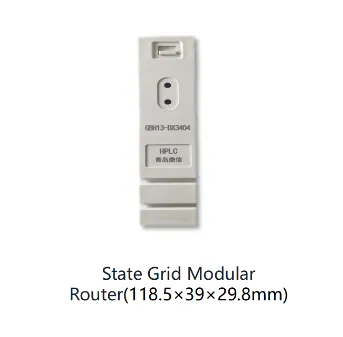
Modern power grids face unprecedented challenges in data transmission as utility companies strive to implement smart grid technologies. Traditional communication methods often fall short when it comes to delivering reliable, real-time data across complex electrical networks. The integration of low-voltage carrier technology has emerged as a revolutionary solution, enabling power companies to transmit critical information directly through existing electrical infrastructure without requiring additional communication cables or wireless systems.
Power line communication technology leverages the fundamental principle that electrical conductors can simultaneously carry both power and data signals. By modulating high-frequency carrier signals onto existing power lines, utilities can establish robust communication channels that reach every connected device on the network. This approach eliminates the need for separate communication infrastructure while providing comprehensive coverage across residential, commercial, and industrial applications.
The efficiency gains from implementing carrier-based communication systems extend far beyond simple cost savings. Utility companies can monitor grid performance in real-time, detect fault conditions instantly, and implement automated response mechanisms that enhance overall system reliability. These capabilities become increasingly critical as power grids evolve to accommodate renewable energy sources, electric vehicle charging stations, and other dynamic loads that require sophisticated monitoring and control systems.
Technical Architecture of Low-Voltage Carrier Systems
Signal Modulation and Frequency Management
The foundation of effective low-voltage carrier communication lies in sophisticated signal modulation techniques that ensure data integrity while avoiding interference with power transmission. Advanced systems utilize orthogonal frequency division multiplexing (OFDM) to create multiple communication channels within specific frequency bands, typically operating between 1.6 MHz and 30 MHz for optimal performance.
Frequency allocation strategies must carefully consider the electrical characteristics of power distribution networks, including impedance variations, noise levels, and attenuation factors that can affect signal propagation. Modern carrier systems employ adaptive algorithms that automatically select optimal frequencies based on real-time channel conditions, ensuring consistent data transmission rates even as network configurations change throughout the day.
The implementation of spread spectrum techniques further enhances system reliability by distributing transmitted data across multiple frequency channels simultaneously. This approach provides inherent redundancy that protects against localized interference while maintaining high data throughput rates essential for smart grid applications requiring real-time response capabilities.
Network Topology and Coverage Optimization
Successful deployment of carrier communication systems requires careful consideration of network topology and signal propagation characteristics throughout the distribution system. Low-voltage networks typically exhibit tree-like structures that can create signal reflection points and impedance mismatches, potentially degrading communication performance if not properly addressed during system design and installation phases.
Advanced repeater and coupling technologies enable utilities to extend communication range and overcome natural signal attenuation that occurs in long distribution lines. Strategic placement of signal amplification equipment ensures consistent data transmission quality across entire service territories, regardless of distance from central communication hubs or variations in local electrical infrastructure characteristics.
Network redundancy planning incorporates multiple communication paths between critical system components, providing fault tolerance that maintains operational continuity even when individual communication links experience temporary disruptions. This redundant architecture proves essential for mission-critical applications such as protective relay coordination and emergency response systems that cannot tolerate communication failures.
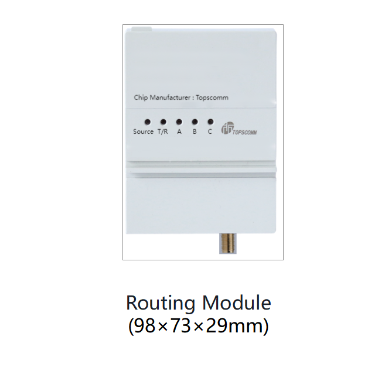
Performance Benefits in Smart Grid Applications
Real-Time Monitoring and Control Capabilities
The integration of low-voltage carrier technology enables unprecedented real-time visibility into grid operations at the distribution level. Utilities can continuously monitor voltage levels, current flows, power quality parameters, and equipment status across thousands of measurement points without deploying expensive dedicated communication infrastructure. This comprehensive monitoring capability supports proactive maintenance strategies that prevent equipment failures before they impact customer service.
Advanced metering infrastructure (AMI) systems benefit significantly from carrier-based communication, enabling automatic meter reading, demand response programs, and time-of-use billing applications that encourage efficient energy consumption. The bidirectional communication capabilities inherent in carrier systems support both data collection from customer premises and control signal transmission for load management and service restoration operations.
Distribution automation systems rely heavily on fast, reliable communication to coordinate switching operations, voltage regulation, and fault isolation procedures. Carrier technology provides the millisecond-level response times required for protective relay coordination while maintaining the bandwidth necessary for comprehensive system monitoring and control functions that optimize grid performance and reliability.
Integration with Renewable Energy Sources
Modern power grids increasingly incorporate distributed renewable energy resources that require sophisticated monitoring and control systems to maintain system stability and optimize energy production. Low-voltage carrier communication enables real-time coordination between solar panels, wind turbines, energy storage systems, and traditional generation sources, ensuring smooth integration of variable renewable resources into the overall energy mix.
Microinverter and power optimizer technologies rely on carrier communication to provide panel-level monitoring and control capabilities that maximize energy harvest from photovoltaic installations. This granular control enables utilities to better predict and manage the output from distributed solar resources while providing valuable performance data that supports maintenance and optimization activities.
Energy storage integration benefits from carrier-based communication systems that coordinate charging and discharging cycles with grid conditions and energy prices. These systems can automatically respond to frequency regulation signals, participate in demand response programs, and provide backup power during outages, all while maintaining continuous communication with utility control centers through existing power line infrastructure.
Implementation Considerations and Best Practices
System Design and Engineering Requirements
Successful implementation of low-voltage carrier systems requires comprehensive engineering analysis that considers the unique characteristics of each distribution network. Electrical parameters such as line impedance, transformer configurations, and load patterns significantly influence communication performance and must be thoroughly evaluated during the system design phase to ensure optimal operation.
Coupling equipment selection plays a critical role in system performance, as these devices must efficiently inject carrier signals into power lines while providing adequate isolation from power frequency currents. High-quality coupling transformers and bypass capacitors ensure reliable signal transmission while protecting communication equipment from electrical transients and overvoltage conditions that commonly occur in power distribution systems.
Grounding and bonding practices require special attention in carrier communication installations to prevent ground loops and ensure proper signal reference levels throughout the network. Proper grounding techniques not only enhance communication performance but also maintain electrical safety standards and protect personnel and equipment from dangerous voltage potentials.
Maintenance and Troubleshooting Strategies
Proactive maintenance programs for carrier communication systems focus on monitoring signal quality parameters, identifying degraded communication paths, and addressing issues before they impact system performance. Regular testing protocols should include signal-to-noise ratio measurements, bit error rate analysis, and communication latency assessments that provide early warning of potential problems.
Diagnostic tools specifically designed for power line communication systems enable maintenance personnel to quickly identify and resolve communication issues. These tools can pinpoint the location of signal reflections, measure channel characteristics, and analyze interference sources that may degrade communication performance over time as network conditions change.
Documentation and configuration management become critical success factors as carrier communication networks grow in complexity and scope. Maintaining accurate records of system configurations, performance baselines, and modification histories enables efficient troubleshooting and ensures consistent system operation as personnel changes occur within utility organizations.
Cost-Effectiveness and Return on Investment
Infrastructure Investment Analysis
The economic advantages of low-voltage carrier technology become apparent when comparing total implementation costs against alternative communication solutions. Traditional approaches requiring dedicated communication cables, fiber optic installations, or wireless infrastructure involve significant capital expenditures for both equipment and installation labor, while carrier systems leverage existing power line infrastructure to provide comparable functionality at substantially lower costs.
Operational cost savings extend throughout the system lifecycle as carrier communication eliminates ongoing expenses associated with dedicated communication circuit leases, cellular data plans, and separate maintenance contracts for communication infrastructure. These recurring cost savings compound over time, providing increasingly favorable return on investment calculations that justify initial technology investments.
Scalability advantages of carrier systems enable utilities to expand communication capabilities incrementally as operational needs evolve, avoiding large upfront investments in communication infrastructure that may exceed immediate requirements. This flexibility proves particularly valuable for utilities serving growing service territories or implementing phased smart grid deployment strategies.
Operational Efficiency Improvements
Enhanced operational efficiency through improved communication capabilities translates directly into measurable cost savings and service improvements. Faster fault detection and isolation reduce customer outage durations, while automated meter reading eliminates manual reading costs and improves billing accuracy that benefits both utilities and customers.
Predictive maintenance capabilities enabled by continuous monitoring reduce equipment failure rates and extend asset lifecycles through optimized maintenance scheduling. These improvements reduce both planned and unplanned maintenance costs while improving overall system reliability and customer satisfaction metrics that support regulatory compliance and competitive positioning.
Demand response program implementation becomes significantly more cost-effective when supported by reliable carrier communication systems that can reach large numbers of customers without requiring individual communication circuit installations. These programs provide mutual benefits by reducing peak demand costs for utilities while enabling customers to participate in energy conservation initiatives that lower their electricity bills.
Future Developments and Technology Trends
Advanced Protocol Development
Emerging communication protocols specifically designed for power line carrier applications continue to enhance system capabilities and interoperability. Next-generation standards incorporate advanced error correction techniques, improved security features, and higher data rates that support increasingly sophisticated smart grid applications requiring real-time data exchange and control capabilities.
Internet Protocol (IP) integration enables carrier communication systems to seamlessly interface with standard networking equipment and cloud-based applications. This connectivity expands the potential applications for carrier technology while simplifying integration with existing utility information technology infrastructure and third-party service provider systems.
Artificial intelligence and machine learning algorithms are being incorporated into carrier communication systems to optimize performance dynamically and predict potential communication issues before they impact operations. These intelligent systems can automatically adjust transmission parameters, select optimal communication paths, and coordinate network resources to maintain peak performance under varying operating conditions.
Integration with Internet of Things Technologies
The convergence of carrier communication technology with Internet of Things (IoT) devices creates new opportunities for comprehensive grid monitoring and control. Sensors, smart switches, and automated control devices can communicate directly through power lines, eliminating the need for separate IoT communication networks while providing the reliability and coverage required for critical infrastructure applications.
Edge computing capabilities integrated with carrier communication systems enable local data processing and decision-making that reduces communication bandwidth requirements while improving system response times. These distributed intelligence capabilities support advanced applications such as autonomous grid healing and predictive analytics that enhance overall system performance and reliability.
Cybersecurity enhancements continue to evolve as carrier communication systems become more sophisticated and interconnected. Advanced encryption protocols, secure authentication mechanisms, and intrusion detection systems protect critical infrastructure communications while enabling the connectivity required for modern smart grid operations and customer service applications.
FAQ
What frequency ranges are typically used for low-voltage carrier communication?
Low-voltage carrier systems typically operate in the frequency range between 1.6 MHz and 30 MHz, with specific allocations varying by region and application requirements. This frequency band provides optimal balance between signal propagation characteristics and interference avoidance, ensuring reliable communication while maintaining compatibility with existing power system operations and regulatory requirements.
How does weather affect power line carrier communication performance?
Weather conditions can impact carrier communication performance through several mechanisms including increased electrical noise during storms, line parameter changes due to temperature variations, and temporary impedance modifications caused by wet conditions. However, modern carrier systems incorporate adaptive algorithms and redundant communication paths that maintain reliable operation under most weather conditions encountered in typical utility service territories.
What are the typical data transmission speeds achievable with carrier technology?
Contemporary low-voltage carrier systems can achieve data transmission rates ranging from several kilobits per second to multiple megabits per second, depending on system design, channel conditions, and application requirements. These speeds prove adequate for most smart grid applications including advanced metering, distribution automation, and demand response programs while providing room for future expansion as communication requirements evolve.
How does carrier communication compare to wireless alternatives in terms of reliability?
Carrier communication generally provides superior reliability compared to wireless alternatives because it utilizes the existing power infrastructure that utilities already maintain and monitor continuously. Unlike wireless systems that may experience coverage gaps or interference issues, carrier systems provide consistent communication coverage wherever power lines exist, making them particularly suitable for critical infrastructure applications requiring high reliability and availability.
Table of Contents
- Technical Architecture of Low-Voltage Carrier Systems
- Performance Benefits in Smart Grid Applications
- Implementation Considerations and Best Practices
- Cost-Effectiveness and Return on Investment
- Future Developments and Technology Trends
-
FAQ
- What frequency ranges are typically used for low-voltage carrier communication?
- How does weather affect power line carrier communication performance?
- What are the typical data transmission speeds achievable with carrier technology?
- How does carrier communication compare to wireless alternatives in terms of reliability?