EN
EN



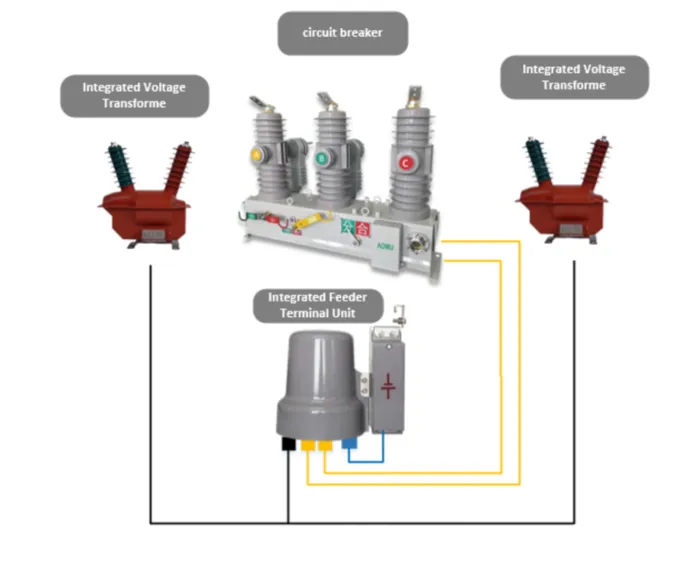
Modern electrical grids face unprecedented challenges as energy demands surge, renewable energy integration accelerates, and grid reliability requirements intensify. Distribution automation has emerged as the cornerstone technology transforming how utilities manage electricity distribution networks. This sophisticated approach leverages advanced sensors, intelligent control systems, and real-time communication technologies to create self-healing, efficient, and resilient power distribution infrastructure that meets today's complex energy landscape demands.
The transformation from traditional manual grid operations to automated distribution systems represents a fundamental shift in electrical infrastructure management. Utilities worldwide are recognizing that automated distribution networks provide superior operational efficiency, enhanced power quality, and improved customer satisfaction compared to conventional approaches. The integration of smart grid technologies with distribution automation creates a synergistic effect that amplifies the benefits of both systems, resulting in more intelligent and responsive electrical networks.
Core Components of Advanced Distribution Automation Systems
Intelligent Electronic Devices and Sensors
The foundation of any robust distribution automation system lies in its network of intelligent electronic devices and advanced sensors strategically deployed throughout the distribution infrastructure. These devices continuously monitor electrical parameters including voltage levels, current flows, power quality metrics, and environmental conditions that could affect system performance. Modern sensors incorporate machine learning algorithms that can predict potential equipment failures before they occur, enabling proactive maintenance strategies that minimize service disruptions.
Smart sensors also provide real-time data on load patterns, enabling utilities to optimize power distribution based on actual demand rather than historical estimates. This granular visibility into distribution network operations allows for more precise control over power flows, reducing energy losses and improving overall system efficiency. The data collected by these intelligent devices forms the backbone of advanced analytics platforms that drive automated decision-making processes.
Communication Infrastructure and Protocols
Robust communication networks serve as the nervous system of distribution automation, enabling seamless data exchange between field devices, control centers, and operational personnel. Modern distribution automation systems utilize multiple communication protocols including fiber optic networks, wireless technologies, and power line communication systems to ensure reliable connectivity even in challenging environments. This redundant communication infrastructure guarantees that critical operational data reaches control centers without interruption.
The implementation of standardized communication protocols such as IEC 61850 and DNP3 ensures interoperability between different equipment manufacturers and facilitates system integration. These protocols enable real-time data exchange, remote control capabilities, and coordinated protection schemes that enhance overall grid reliability. Advanced cybersecurity measures protect communication channels from potential threats, ensuring that automated systems operate safely and securely.
Operational Benefits and Performance Improvements
Enhanced Grid Reliability and Self-Healing Capabilities
One of the most significant advantages of distribution automation is its ability to create self-healing grid networks that can automatically isolate faults and restore power to unaffected areas within minutes. Traditional manual restoration processes that once took hours can now be completed in seconds through automated switching operations. This rapid response capability dramatically reduces the duration and scope of power outages, improving customer satisfaction and reducing utility revenue losses.
Self-healing capabilities extend beyond simple fault isolation to include predictive maintenance functions that identify potential equipment problems before they cause service disruptions. Advanced algorithms analyze historical performance data, current operating conditions, and environmental factors to predict when equipment maintenance should be scheduled. This proactive approach prevents unexpected failures and extends equipment lifespan, resulting in significant cost savings for utilities.
Improved Power Quality and Voltage Regulation
Distribution automation systems provide precise voltage regulation capabilities that maintain optimal power quality throughout the distribution network. Automated voltage regulators and capacitor banks respond instantly to changing load conditions, ensuring that customers receive consistent voltage levels regardless of system loading or renewable energy fluctuations. This enhanced power quality reduces equipment damage at customer facilities and improves the overall efficiency of electrical devices.
Advanced power quality monitoring capabilities identify and address harmonic distortion, voltage sags, and other power quality issues that can affect sensitive electronic equipment. Real-time power quality data enables utilities to implement corrective measures proactively, preventing costly equipment damage and production losses at industrial facilities. The ability to maintain consistent power quality becomes increasingly important as more sophisticated electronic devices enter the marketplace.
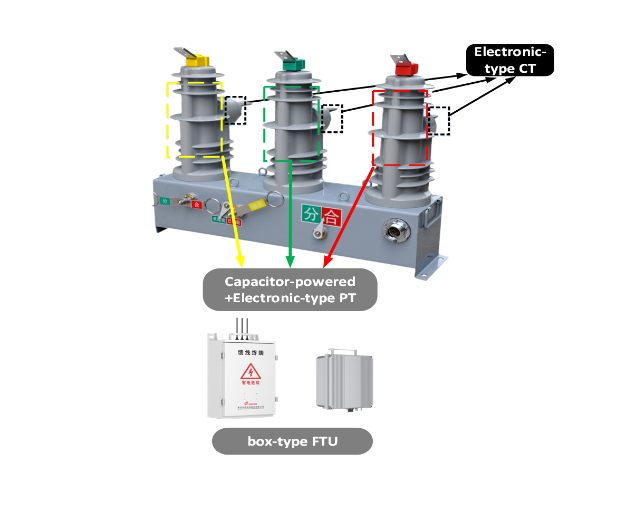
Economic Impact and Cost-Benefit Analysis
Operational Cost Reduction Strategies
Distribution automation delivers substantial operational cost reductions through multiple mechanisms including reduced truck rolls, decreased outage durations, and optimized maintenance scheduling. Automated systems eliminate the need for manual switching operations during routine maintenance or fault conditions, reducing labor costs and improving worker safety. Remote monitoring capabilities allow utilities to assess system conditions without dispatching field personnel, resulting in significant operational savings over time.
Energy loss reduction represents another major cost-saving opportunity provided by distribution automation systems. Optimized power flows, improved voltage regulation, and reduced system losses can decrease energy procurement costs by several percentage points annually. These savings accumulate over time, providing substantial financial benefits that often justify the initial investment in automation technology within a few years of implementation.
Revenue Protection and Customer Satisfaction
Distribution automation protects utility revenues by minimizing outage durations and reducing the number of customers affected by service interruptions. Faster restoration times translate directly into reduced regulatory penalties and improved reliability metrics that can impact utility rate cases. Customer satisfaction improvements resulting from better service reliability often lead to enhanced public relations and reduced regulatory scrutiny.
Advanced metering integration with distribution automation systems enables more accurate billing and reduces revenue losses from meter tampering or measurement errors. Real-time consumption monitoring helps identify unusual usage patterns that may indicate theft or equipment malfunctions, allowing utilities to address these issues promptly. The combination of improved service reliability and accurate billing creates a positive customer experience that supports long-term utility success.
Integration with Renewable Energy Sources
Managing Distributed Generation Challenges
The proliferation of distributed renewable energy sources presents unique challenges that distribution automation systems are uniquely positioned to address. Solar panels, wind turbines, and energy storage systems create bidirectional power flows that traditional distribution networks were not designed to handle. Distribution automation provides the intelligent control capabilities necessary to manage these complex power flows while maintaining system stability and power quality.
Advanced forecasting algorithms integrated into distribution automation systems predict renewable energy output based on weather conditions, historical patterns, and real-time measurements. This predictive capability enables utilities to optimize grid operations proactively, ensuring that renewable energy resources are utilized effectively while maintaining system reliability. Automated load balancing functions adjust distribution network configurations to accommodate varying renewable energy output throughout the day.
Energy Storage Integration and Optimization
Distribution automation facilitates the optimal integration of energy storage systems by coordinating charging and discharging cycles with grid conditions and renewable energy availability. Intelligent control algorithms determine the most beneficial times to store excess renewable energy and release it when demand peaks or generation decreases. This optimization maximizes the value of energy storage investments while providing grid stabilization services.
Battery energy storage systems integrated with distribution automation can provide multiple grid services including frequency regulation, voltage support, and peak shaving capabilities. Automated control systems coordinate these various functions to maximize economic benefits while ensuring that primary grid stability requirements are met. The flexibility provided by automated energy storage management enables utilities to defer expensive infrastructure upgrades by utilizing storage to address localized capacity constraints.
Future Trends and Technological Evolution
Artificial Intelligence and Machine Learning Applications
The integration of artificial intelligence and machine learning technologies represents the next frontier in distribution automation evolution. AI algorithms can analyze vast amounts of operational data to identify patterns and optimize system performance beyond what traditional rule-based systems can achieve. Machine learning models continuously improve their decision-making capabilities by learning from historical events and outcomes, resulting in increasingly sophisticated automated responses.
Predictive analytics powered by AI enable utilities to anticipate equipment failures, optimize maintenance schedules, and prevent service disruptions before they occur. These advanced capabilities transform distribution automation from reactive systems that respond to problems into proactive platforms that prevent issues from developing. The continuous learning capabilities of AI systems ensure that automation performance improves over time as more operational data becomes available.
Edge Computing and Real-Time Processing
Edge computing technologies are revolutionizing distribution automation by enabling real-time processing capabilities at the network edge rather than relying solely on centralized control systems. This distributed processing approach reduces communication latency and enables faster response times for critical protection and control functions. Edge devices can make autonomous decisions based on local conditions while maintaining coordination with broader grid operations.
The implementation of edge computing in distribution automation systems improves system resilience by reducing dependence on communication networks for basic operational functions. Local processing capabilities ensure that essential protection and control functions continue operating even if communication links are temporarily disrupted. This enhanced reliability is particularly important for critical infrastructure applications where continuous operation is essential.
FAQ
What are the primary benefits of implementing distribution automation in electrical grids
Distribution automation provides numerous benefits including improved grid reliability through self-healing capabilities, reduced outage durations, enhanced power quality, operational cost savings, and better integration of renewable energy sources. These systems enable utilities to respond to grid disturbances automatically, often restoring power within minutes compared to hours required for manual restoration processes.
How does distribution automation improve power quality for customers
Distribution automation systems continuously monitor and adjust voltage levels, reactive power flows, and other electrical parameters to maintain optimal power quality throughout the distribution network. Automated voltage regulators and capacitor banks respond instantly to changing conditions, preventing voltage sags, swells, and other power quality issues that can damage sensitive equipment or disrupt operations.
What role does communication infrastructure play in distribution automation systems
Communication networks serve as the backbone of distribution automation, enabling real-time data exchange between field devices, control centers, and operational personnel. Robust communication infrastructure utilizing fiber optics, wireless technologies, and standardized protocols ensures reliable connectivity and enables remote monitoring, control, and coordination of distribution network operations.
How do distribution automation systems integrate with renewable energy sources
Distribution automation manages the challenges posed by distributed renewable energy through intelligent control systems that handle bidirectional power flows, predict renewable energy output, and coordinate energy storage operations. Advanced algorithms optimize the integration of solar, wind, and battery storage systems while maintaining grid stability and power quality throughout varying generation and load conditions.
Table of Contents
- Core Components of Advanced Distribution Automation Systems
- Operational Benefits and Performance Improvements
- Economic Impact and Cost-Benefit Analysis
- Integration with Renewable Energy Sources
- Future Trends and Technological Evolution
-
FAQ
- What are the primary benefits of implementing distribution automation in electrical grids
- How does distribution automation improve power quality for customers
- What role does communication infrastructure play in distribution automation systems
- How do distribution automation systems integrate with renewable energy sources