EN
EN



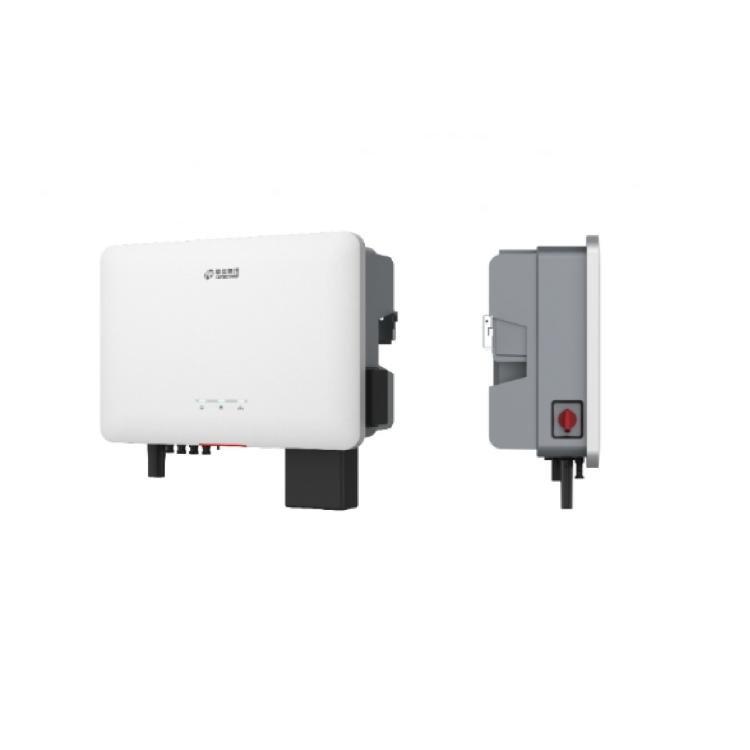
The global transition to renewable energy has never been more critical, and PV inverter manufacturers stand at the forefront of this transformation. As solar power installations continue to surge worldwide, these specialized companies play an increasingly vital role in enabling efficient energy conversion and grid integration. The photovoltaic industry relies heavily on advanced inverter technologies to maximize energy harvest and ensure reliable power delivery to both residential and commercial applications.
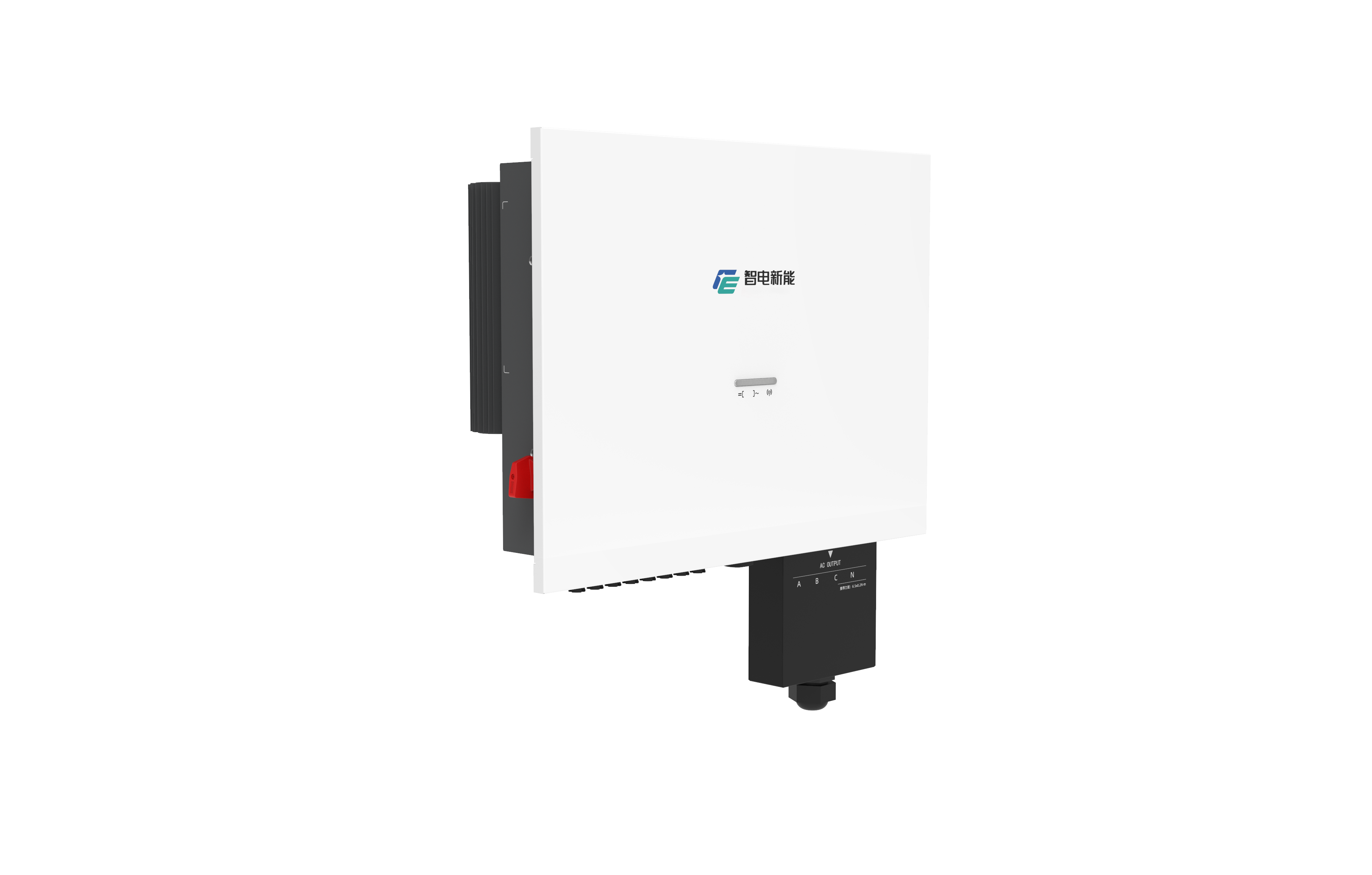
Modern PV inverter manufacturers have evolved beyond simple DC-to-AC conversion devices, developing sophisticated solutions that incorporate smart grid capabilities, energy storage integration, and advanced monitoring systems. These innovations directly support national and international renewable energy targets by improving system efficiency, reducing installation costs, and enhancing grid stability. The technological advances pioneered by leading manufacturers have made solar installations more accessible and economically viable across diverse markets and applications.
Advanced Technology Development by Leading Manufacturers
Smart Grid Integration Capabilities
Contemporary PV inverter manufacturers are developing products with enhanced smart grid functionalities that enable seamless integration with existing electrical infrastructure. These advanced systems incorporate two-way communication protocols, allowing utilities to monitor and control distributed solar generation in real-time. The integration capabilities help balance supply and demand across the grid, reducing the need for traditional fossil fuel backup power sources.
The implementation of advanced grid support features by PV inverter manufacturers includes voltage regulation, frequency response, and reactive power control. These technical capabilities ensure that solar installations contribute positively to grid stability rather than creating additional challenges for utility operators. Modern inverters can automatically adjust their output characteristics based on grid conditions, providing essential services that were traditionally supplied only by large conventional power plants.
Energy Storage System Integration
Leading PV inverter manufacturers have recognized the critical importance of energy storage integration for maximizing renewable energy utilization. Advanced hybrid inverter systems allow seamless connection of battery storage systems, enabling solar installations to provide power even during periods without sunlight. This capability significantly increases the value proposition of solar investments and supports grid independence goals.
The development of sophisticated battery management systems within modern inverters ensures optimal charging and discharging cycles, extending battery life while maximizing energy efficiency. PV inverter manufacturers are continuously improving these integrated solutions to support various battery chemistries and configurations, providing flexibility for different application requirements and budget considerations.
Manufacturing Excellence and Quality Standards
Reliability and Durability Improvements
Established PV inverter manufacturers have invested heavily in improving product reliability and extending operational lifespans to support long-term renewable energy goals. Advanced materials science and sophisticated testing protocols ensure that modern inverters can withstand harsh environmental conditions while maintaining peak performance over decades of operation. These reliability improvements directly translate to better return on investment for solar installations and increased confidence in renewable energy systems.
The implementation of rigorous quality control processes by reputable PV inverter manufacturers includes extensive environmental testing, electromagnetic compatibility validation, and long-term stress testing. These comprehensive quality assurance programs ensure that products meet or exceed international standards and provide consistent performance across diverse installation environments. Enhanced reliability reduces maintenance requirements and operational costs, making renewable energy more economically attractive.
Scalable Production Capabilities
The ability of PV inverter manufacturers to scale production efficiently is crucial for meeting growing global demand for renewable energy infrastructure. Leading manufacturers have developed automated production lines and optimized supply chain management systems that enable rapid scaling while maintaining consistent quality standards. This manufacturing efficiency helps reduce product costs and accelerates the deployment of solar installations worldwide.
Strategic partnerships between PV inverter manufacturers and component suppliers ensure stable material availability and enable cost-effective production scaling. These collaborative relationships support the development of standardized components and manufacturing processes that reduce production complexity and improve overall industry efficiency. Efficient manufacturing capabilities directly support renewable energy adoption by making solar technology more accessible and affordable.
Market Support and Customer Education Initiatives
Technical Training and Support Programs
Progressive PV inverter manufacturers understand that market growth depends on developing skilled installation and maintenance professionals throughout the supply chain. Comprehensive training programs help installers, system integrators, and maintenance technicians understand proper installation procedures, troubleshooting techniques, and safety protocols. These educational initiatives ensure that solar installations achieve optimal performance and longevity.
The establishment of regional training centers and certification programs by leading PV inverter manufacturers creates standardized competency levels across different markets. These programs often include hands-on experience with the latest inverter technologies, updates on changing regulations, and best practices for system design and installation. Well-trained professionals are essential for achieving renewable energy goals by ensuring high-quality installations and minimizing system failures.
Financial and Warranty Support
Many PV inverter manufacturers now offer extended warranty programs and financial support options that reduce the perceived risk of solar investments. These comprehensive support packages often include performance guarantees, replacement warranties, and technical support services that provide confidence to both installers and end customers. Strong warranty programs demonstrate manufacturer confidence in product quality and help accelerate market adoption.
Innovative financing partnerships between PV inverter manufacturers and financial institutions create additional pathways for renewable energy project development. These collaborations may include equipment financing programs, performance-based contracts, and risk-sharing arrangements that make solar installations more accessible to a broader range of customers. Financial support mechanisms help overcome initial cost barriers that might otherwise prevent renewable energy adoption.
Innovation in System Design and Applications
Modular and Flexible System Architectures
Modern PV inverter manufacturers are developing modular system architectures that provide greater design flexibility and improved system optimization capabilities. These modular approaches allow system designers to configure installations more precisely based on specific site conditions, load requirements, and budget constraints. Flexible system architectures enable better performance optimization and cost-effectiveness across diverse application scenarios.
The development of distributed inverter architectures by innovative PV inverter manufacturers helps minimize system-level impacts from individual component failures or shading conditions. Power optimizers, microinverters, and string inverters with advanced maximum power point tracking capabilities ensure that each solar panel operates at its optimal efficiency point. These technological advances maximize energy harvest and improve overall system reliability.
Specialized Applications and Markets
Forward-thinking PV inverter manufacturers are developing specialized solutions for emerging market segments including floating solar installations, agrivoltaics, and building-integrated photovoltaics. These specialized applications require unique inverter characteristics such as enhanced corrosion resistance, specialized mounting systems, or aesthetic integration requirements. Developing these niche solutions helps expand the total addressable market for solar installations.
The creation of inverter solutions specifically designed for harsh environments, remote locations, and specialized industrial applications by dedicated PV inverter manufacturers opens new opportunities for renewable energy deployment. These specialized products often incorporate enhanced communication capabilities, ruggedized enclosures, and extended temperature operating ranges. Expanding the range of suitable applications helps accelerate overall renewable energy adoption.
Environmental Impact and Sustainability
Manufacturing Process Optimization
Responsible PV inverter manufacturers are implementing sustainable manufacturing practices that minimize environmental impact throughout the product lifecycle. These initiatives include reducing energy consumption in production processes, minimizing waste generation, and implementing comprehensive recycling programs for end-of-life products. Sustainable manufacturing practices ensure that the renewable energy industry maintains its environmental benefits throughout the entire value chain.
The adoption of circular economy principles by progressive PV inverter manufacturers involves designing products for disassembly and material recovery at end-of-life. These approaches include using recyclable materials, minimizing hazardous substances, and establishing take-back programs for product recycling. Sustainable design and manufacturing practices support long-term environmental goals while demonstrating industry responsibility.
Carbon Footprint Reduction Strategies
Leading PV inverter manufacturers are actively measuring and reducing their carbon footprints through renewable energy use in manufacturing facilities, optimized logistics, and supply chain improvements. These efforts often include transitioning to renewable energy sources for manufacturing operations, implementing energy-efficient production equipment, and optimizing packaging to reduce transportation impacts. Carbon footprint reduction initiatives demonstrate industry leadership in environmental responsibility.
The development of local manufacturing capabilities by global PV inverter manufacturers helps reduce transportation-related emissions while supporting regional economic development. Distributed manufacturing strategies can significantly reduce the carbon footprint associated with product transportation while improving supply chain resilience. Local production capabilities also enable better responsiveness to regional market requirements and regulatory standards.
FAQ
What role do PV inverter manufacturers play in grid stability?
PV inverter manufacturers develop products with advanced grid support functions including voltage regulation, frequency response, and reactive power control. These capabilities help maintain grid stability as renewable energy penetration increases, ensuring reliable power delivery while supporting the integration of distributed solar generation systems across various utility networks and applications.
How do manufacturing quality standards impact renewable energy goals?
High manufacturing quality standards ensure reliable long-term operation of solar installations, which directly supports renewable energy goals by maximizing return on investment and building market confidence. Quality standards implemented by reputable PV inverter manufacturers reduce system failures, minimize maintenance requirements, and extend operational lifespans, making renewable energy more economically attractive and technically viable.
What innovations are PV inverter manufacturers developing for energy storage integration?
Modern PV inverter manufacturers are developing hybrid systems that seamlessly integrate battery storage, advanced battery management systems, and intelligent energy management capabilities. These innovations enable solar installations to provide power during non-productive periods, optimize energy utilization patterns, and support grid independence goals while maximizing the value and flexibility of renewable energy investments.
How do training programs by PV inverter manufacturers support market growth?
Comprehensive training programs ensure proper installation, maintenance, and troubleshooting of solar systems, which directly impacts system performance and reliability. Well-trained professionals reduce installation errors, optimize system performance, and provide better customer service, ultimately supporting market growth by building confidence in renewable energy technology and ensuring high-quality installations that meet performance expectations.