EN
EN



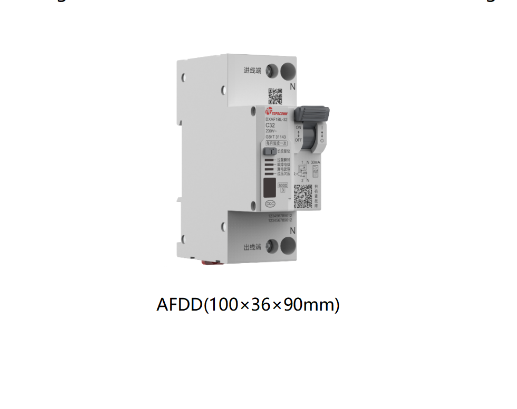
Electrical systems form the backbone of modern infrastructure, powering everything from residential buildings to industrial complexes. Within these systems, arc detection has emerged as one of the most critical safety technologies, protecting both high-voltage and low-voltage networks from catastrophic failures. Arc faults represent one of the leading causes of electrical fires and equipment damage, making their early identification and mitigation essential for maintaining system reliability and safety. The implementation of sophisticated arc detection systems has revolutionized how electrical engineers approach network protection, offering unprecedented levels of monitoring and response capabilities that were previously unattainable through conventional protection methods.
The complexity of modern electrical networks demands advanced protection strategies that can differentiate between normal operations and potentially dangerous arc events. Traditional overcurrent and ground fault protection methods, while effective for certain types of faults, often fail to detect the high-impedance arc faults that can cause significant damage before triggering conventional protective devices. This gap in protection coverage has driven the development of specialized arc detection technologies that monitor unique electrical signatures and patterns associated with arcing phenomena. Understanding the fundamental principles behind arc detection and its applications across different voltage levels is crucial for electrical professionals seeking to implement comprehensive protection schemes.
Understanding Arc Fault Phenomena in Electrical Networks
Physical Characteristics of Electrical Arcs
Electrical arcs represent a sustained electrical discharge that occurs when current flows through an ionized gas or air gap between conductors. These phenomena generate intense heat, reaching temperatures that can exceed 10,000 degrees Fahrenheit, making them capable of igniting nearby combustible materials and causing severe equipment damage. The formation of an arc typically results from insulation breakdown, loose connections, damaged conductors, or foreign objects bridging electrical gaps. The arc channel creates a conductive path that allows current to continue flowing, often at levels insufficient to trigger traditional overcurrent protection devices.
The electrical signature of an arc fault exhibits distinct characteristics that differentiate it from normal load currents and other fault conditions. Arc currents typically display high-frequency components, random variations in amplitude, and characteristic patterns that trained arc detection systems can identify. The intermittent nature of many arc faults, where the arc may extinguish and reignite multiple times per second, creates unique current waveform distortions that serve as fingerprints for detection algorithms. Modern arc detection systems analyze these signatures in real-time, comparing observed patterns against extensive databases of known arc characteristics to minimize false positives while maintaining high sensitivity to genuine arc events.
Types and Classifications of Arc Faults
Arc faults can be categorized into several distinct types based on their location and characteristics within electrical circuits. Series arc faults occur within a single conductor path, often resulting from damaged wire insulation or loose connections within junction boxes or at termination points. These faults are particularly challenging to detect using conventional methods because they typically do not increase the total circuit current significantly. Parallel arc faults, also known as line-to-line or line-to-ground arc faults, occur between different conductors or between a conductor and ground, potentially drawing higher currents that may trigger overcurrent protection if the impedance is sufficiently low.
Ground arc faults represent a specific subset of parallel arc faults where the arc occurs between an energized conductor and a grounded surface or equipment frame. These faults pose significant risks for personnel safety and equipment damage, particularly in systems where ground fault circuit interrupters are not present or properly configured. The classification and understanding of different arc fault types directly influence the design and implementation of arc detection systems, as different detection algorithms and sensitivity settings may be required to effectively identify each type while avoiding nuisance tripping from normal load variations or transient conditions.
Arc Detection Technologies and Implementation Strategies
Current-Based Detection Methods
Current-based arc detection methods form the foundation of most commercial arc detection systems, leveraging the unique electrical signatures that arc faults produce in circuit conductors. These systems typically employ current transformers or other sensing devices to monitor the current flowing through protected circuits, analyzing the captured signals using sophisticated digital signal processing algorithms. The detection process focuses on identifying specific frequency components, amplitude variations, and pattern recognition that characterize arc fault conditions while distinguishing them from normal load operations, switching transients, and other electrical phenomena that might produce similar signatures.
Advanced current-based systems incorporate multiple analysis techniques, including fast Fourier transforms, wavelet analysis, and machine learning algorithms to improve detection accuracy and reduce false positive rates. The challenge in current-based arc detection lies in the wide variety of normal load currents that can exhibit similar high-frequency content, such as electronic ballasts, variable frequency drives, and switching power supplies. Modern arc detection systems address this challenge through adaptive learning capabilities that can distinguish between normal equipment signatures and genuine arc fault conditions, continuously updating their reference patterns based on observed circuit behavior.
Light-Based and Multi-Modal Detection Approaches
Light-based arc detection systems represent an alternative approach that monitors the optical emissions produced during arc fault events. These systems utilize photodiodes, fiber optic sensors, or other light-sensitive devices to detect the intense illumination generated by electrical arcs. The advantage of optical detection lies in its immunity to electrical interference and its ability to provide extremely fast response times, often detecting arc conditions within milliseconds of initiation. However, optical systems require careful installation and maintenance to ensure proper sensor placement and to prevent contamination or obstruction that could impair detection capability.
Multi-modal detection systems combine current-based and light-based technologies to provide enhanced reliability and reduced false positive rates. These hybrid approaches require both electrical and optical signatures to be present before initiating protective actions, significantly improving system selectivity while maintaining high sensitivity to genuine arc fault conditions. The integration of multiple detection technologies also provides redundancy that enhances overall system reliability, ensuring that protection remains effective even if one detection method experiences degradation or failure. The choice between single-modal and multi-modal arc detection approaches depends on factors such as system criticality, environmental conditions, and economic considerations.
High-Voltage Network Applications and Considerations
Switchgear and Substation Protection
High-voltage electrical networks, typically operating at voltages above 1000V, present unique challenges and opportunities for arc detection implementation. In switchgear and substation environments, arc faults can release tremendous amounts of energy in very short time periods, creating dangerous conditions for personnel and causing extensive equipment damage. The confined spaces within switchgear enclosures can concentrate arc energy, leading to explosive conditions that require immediate protective action to minimize damage and ensure personnel safety. Arc detection systems in these applications must provide extremely fast response times, often operating in conjunction with high-speed circuit breakers or other protective devices.
The implementation of arc detection in high-voltage switchgear typically involves strategic placement of optical sensors throughout the enclosure, monitoring for the characteristic light emissions produced during arc events. These systems must be designed to distinguish between normal switching operations, which may produce brief light emissions, and sustained arc faults that require immediate protective action. The integration of arc detection with existing protective relaying systems requires careful coordination to ensure that protective actions are taken in the proper sequence and timing to minimize system disruption while effectively clearing arc fault conditions.
Transmission Line and Cable Protection
High-voltage transmission lines and cable systems benefit significantly from arc detection technologies, particularly in applications where traditional distance protection may not provide adequate coverage for all fault types. Arc faults on transmission lines can result from various causes, including conductor breakage, insulator flashover, vegetation contact, or equipment failure. The detection of these faults requires sophisticated algorithms that can differentiate between arc faults and normal switching transients, load variations, or other system disturbances that might produce similar electrical signatures.
Cable systems present particular challenges for arc detection due to the enclosed nature of cable installations and the potential for arc faults to occur at joints, terminations, or within the cable itself due to insulation degradation. Arc detection systems for cable applications must be sensitive enough to detect internal arc faults while avoiding false trips from normal cable charging currents, capacitive switching, or partial discharge activity that may occur during normal operation. The successful implementation of arc detection in transmission and cable systems requires comprehensive understanding of system characteristics and careful tuning of detection parameters to achieve optimal performance.
Low-Voltage Network Protection Strategies
Commercial and Industrial Building Applications
Low-voltage electrical networks, typically operating below 1000V, encompass the vast majority of electrical installations in commercial, industrial, and residential settings. These networks present unique arc detection challenges due to the diverse nature of connected loads and the varying electrical characteristics they exhibit. Commercial and industrial facilities often contain complex electrical systems with numerous branch circuits, motor loads, lighting systems, and electronic equipment that can produce electrical signatures similar to those generated during arc fault conditions. Effective arc detection in these environments requires systems capable of learning normal load patterns and adapting to changes in facility operations.
The implementation of arc detection in commercial and industrial settings often focuses on critical circuits that supply essential equipment or areas where personnel safety is of paramount concern. These applications may include emergency lighting systems, fire pump circuits, exit signs, and other life safety systems where arc-related failures could have serious consequences. The challenge lies in providing adequate protection without causing nuisance trips that could disrupt business operations or compromise safety systems. Modern arc detection devices incorporate sophisticated algorithms that can distinguish between normal equipment starting transients and genuine arc fault conditions.
Residential and Light Commercial Protection
Residential electrical systems have increasingly incorporated arc detection technology as building codes and safety standards have evolved to address the significant fire hazards associated with arc faults in home wiring systems. The National Electrical Code and similar standards in other countries now mandate arc fault circuit interrupter (AFCI) protection for many residential branch circuits, particularly those serving bedrooms, living areas, and other occupancy spaces. These devices combine arc detection capabilities with conventional circuit breaker functions to provide comprehensive protection against both overcurrent and arc fault conditions.
The residential application of arc detection technology presents unique challenges related to the wide variety of household appliances and electronic devices that can produce electrical signatures similar to those of arc faults. Modern residential arc detection devices employ advanced signal processing techniques to distinguish between normal appliance operations and dangerous arc conditions, continuously learning and adapting to the electrical characteristics of connected loads. The ongoing development of smart home technologies and increased use of electronic devices in residential settings continues to drive improvements in arc detection algorithms and sensitivity settings to maintain effective protection while minimizing false trips.
System Integration and Coordination Considerations
Communication and Monitoring Capabilities
Modern arc detection systems increasingly incorporate advanced communication capabilities that enable integration with building management systems, SCADA networks, and other monitoring infrastructure. These communication features allow arc detection events to be logged, analyzed, and reported to maintenance personnel or facility managers, providing valuable information for preventive maintenance programs and system reliability improvements. The ability to remotely monitor arc detection system status and performance enables proactive maintenance and troubleshooting that can prevent system failures and optimize protection effectiveness.
The integration of arc detection systems with broader facility monitoring infrastructure also enables advanced analytics and trend analysis that can identify potential problems before they develop into serious arc fault conditions. Machine learning algorithms applied to historical arc detection data can identify patterns that indicate deteriorating electrical connections, insulation degradation, or other conditions that may lead to future arc faults. This predictive capability represents a significant advancement in electrical system maintenance and reliability, enabling facilities to address potential problems during planned maintenance windows rather than responding to emergency failures.
Maintenance and Testing Protocols
The effectiveness of arc detection systems depends heavily on proper installation, commissioning, and ongoing maintenance practices. Regular testing protocols must be established to verify that detection systems remain sensitive to arc fault conditions while avoiding false positive responses to normal system operations. These testing procedures typically involve the use of specialized test equipment that can generate controlled arc-like signals to verify system response without creating actual hazardous conditions. The development of standardized testing procedures and acceptance criteria helps ensure consistent system performance across different installations and manufacturers.
Maintenance programs for arc detection systems must address both hardware and software components, including periodic calibration of sensing elements, verification of communication interfaces, and updates to detection algorithms as they become available. The documentation of system performance over time provides valuable feedback for optimizing detection parameters and identifying potential reliability issues before they compromise protection effectiveness. Training programs for maintenance personnel ensure that proper procedures are followed and that system modifications are implemented correctly to maintain optimal protection performance.
Economic Benefits and Risk Mitigation
Cost-Benefit Analysis of Arc Detection Implementation
The economic justification for arc detection systems extends far beyond the initial equipment and installation costs, encompassing a comprehensive analysis of risk mitigation, insurance benefits, and avoided losses from arc fault incidents. Studies have consistently demonstrated that the cost of arc detection implementation is typically a small fraction of the potential losses that can result from a single significant arc fault event. These losses include direct equipment replacement costs, business interruption expenses, potential liability claims, and the indirect costs associated with facility downtime and reputation damage.
Insurance companies increasingly recognize the value of arc detection systems in reducing fire risks and equipment damage claims, often providing premium reductions or other incentives for facilities that implement comprehensive arc fault protection programs. The documentation of arc detection system installation and maintenance can also provide valuable evidence of due diligence in liability cases, potentially reducing legal exposure and associated costs. The return on investment for arc detection systems is further enhanced by the preventive maintenance benefits that result from early detection of developing arc fault conditions before they cause significant damage.
Regulatory Compliance and Standards
The regulatory landscape surrounding arc detection continues to evolve as safety authorities and standards organizations recognize the effectiveness of these technologies in preventing electrical fires and protecting personnel. Building codes, electrical standards, and occupational safety regulations increasingly mandate or strongly recommend arc detection protection for various applications, creating compliance drivers that extend beyond the economic benefits of implementation. Staying current with these evolving requirements is essential for facility owners, electrical contractors, and design professionals to ensure that new installations and system modifications meet applicable standards.
The harmonization of arc detection standards across different jurisdictions and applications helps ensure consistent protection levels and promotes technology development through clear performance requirements. Industry organizations and standards bodies continue to refine testing procedures, performance criteria, and application guidelines based on field experience and ongoing research. This standardization process benefits both manufacturers and users by promoting interoperability, establishing clear performance expectations, and facilitating the development of training and certification programs for installation and maintenance personnel.
FAQ
What is the difference between arc detection and traditional overcurrent protection
Arc detection systems monitor the unique electrical signatures produced by arc faults, including high-frequency components and characteristic current patterns, while traditional overcurrent protection simply responds to current levels exceeding predetermined thresholds. Arc faults often occur at current levels below those required to trip conventional breakers, making specialized arc detection necessary to identify these dangerous conditions. The combination of both protection methods provides comprehensive coverage against different types of electrical faults.
How quickly do arc detection systems respond to fault conditions
Modern arc detection systems typically respond to genuine arc fault conditions within 1-4 cycles of the electrical waveform, equivalent to approximately 16-67 milliseconds in 60Hz systems. Light-based detection systems can respond even faster, often within milliseconds of arc initiation. The rapid response time is crucial for minimizing arc energy release and preventing the escalation of arc faults into more serious incidents that could cause extensive damage or pose safety risks to personnel.
Can arc detection systems cause nuisance tripping from normal equipment operations
Advanced arc detection systems incorporate sophisticated algorithms designed to distinguish between normal equipment operations and genuine arc fault conditions, significantly reducing the likelihood of nuisance trips. However, proper installation, commissioning, and periodic maintenance are essential to minimize false positive responses. The systems learn normal load patterns and adapt to changes in connected equipment, continuously refining their detection capabilities to improve selectivity while maintaining high sensitivity to actual arc faults.
What maintenance is required for arc detection systems
Arc detection systems require periodic testing to verify proper operation, typically using specialized test equipment that generates controlled signals to confirm system response. Maintenance activities include cleaning of optical sensors, verification of electrical connections, calibration checks, and software updates as recommended by manufacturers. Documentation of all maintenance activities and system performance helps optimize detection parameters and identify potential issues before they compromise protection effectiveness. Regular training for maintenance personnel ensures proper procedures are followed throughout the system lifecycle.
Table of Contents
- Understanding Arc Fault Phenomena in Electrical Networks
- Arc Detection Technologies and Implementation Strategies
- High-Voltage Network Applications and Considerations
- Low-Voltage Network Protection Strategies
- System Integration and Coordination Considerations
- Economic Benefits and Risk Mitigation
- FAQ