EN
EN



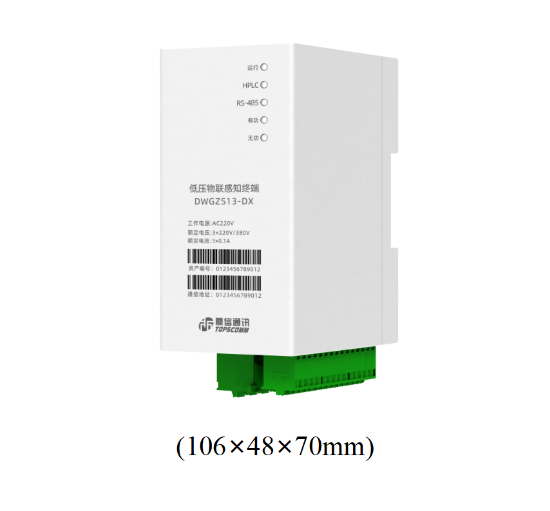
Energy management systems have evolved dramatically in recent years, with low-voltage carrier technology emerging as a cornerstone solution for modern industrial and commercial applications. This innovative communication method leverages existing electrical infrastructure to transmit data signals, enabling sophisticated monitoring and control capabilities without requiring additional wiring. Organizations seeking to optimize their energy consumption and reduce operational costs are increasingly turning to low-voltage carrier solutions for their proven efficiency and reliability. The technology represents a significant advancement in how facilities can achieve comprehensive energy oversight while maintaining cost-effectiveness and minimizing installation complexity.
Understanding Low-Voltage Carrier Technology Fundamentals
Core Principles and Technical Foundation
Low-voltage carrier technology operates by superimposing high-frequency data signals onto existing low-voltage power lines, creating a dual-purpose communication channel. This method transforms standard electrical wiring into a sophisticated network capable of transmitting control commands, monitoring data, and status information throughout a facility. The technology utilizes frequency modulation techniques to ensure data signals remain distinct from power delivery functions, preventing interference with normal electrical operations. Modern low-voltage carrier systems employ advanced signal processing algorithms that can adapt to varying line conditions and maintain reliable communication even in challenging electrical environments.
The fundamental advantage of low-voltage carrier implementation lies in its ability to utilize existing infrastructure, significantly reducing installation costs and deployment time. Unlike traditional communication systems that require dedicated cabling, this technology leverages the electrical distribution network already present in most facilities. Signal coupling devices strategically positioned throughout the electrical system enable seamless data transmission while maintaining electrical safety standards. The technology supports bidirectional communication, allowing for both command transmission and feedback collection from connected devices and sensors.
Signal Transmission and Frequency Management
Effective low-voltage carrier systems operate within carefully selected frequency ranges that avoid interference with both power delivery and other communication systems. These frequencies typically range from several kilohertz to hundreds of kilohertz, positioned well above the standard 50-60 Hz power frequency. Signal strength and clarity are maintained through sophisticated modulation techniques that account for the electrical characteristics of different wiring types and configurations. The system continuously monitors signal quality and automatically adjusts transmission parameters to ensure reliable communication throughout the network.
Advanced low-voltage carrier solutions incorporate error correction algorithms and redundancy mechanisms to maintain communication integrity even when electrical conditions fluctuate. These systems can detect and compensate for signal attenuation caused by electrical noise, load variations, or environmental factors. The technology supports multiple communication protocols simultaneously, enabling integration with various energy management devices and systems. This flexibility allows facilities to implement comprehensive monitoring and control strategies without being constrained by communication limitations.
Energy Management Applications and Integration
Smart Building Automation Systems
Modern smart building applications rely heavily on low-voltage carrier technology to create integrated energy management networks that span entire facilities. These systems enable centralized control of lighting, HVAC, and electrical distribution equipment while providing real-time monitoring of energy consumption patterns. The technology facilitates automatic load balancing, peak demand management, and energy optimization based on occupancy patterns and operational requirements. Building managers can implement sophisticated energy-saving strategies without the need for extensive rewiring or infrastructure modifications.
The integration capabilities of low-voltage carrier systems extend to renewable energy sources, battery storage systems, and grid-tie applications. These systems can coordinate the operation of solar panels, wind generators, and energy storage devices to optimize overall facility energy efficiency. Real-time communication enables dynamic load shifting, ensuring that energy-intensive operations occur during periods of maximum renewable generation or minimum utility rates. The technology supports scalable implementations, from single buildings to campus-wide energy management networks.
Industrial Process Optimization
Industrial facilities utilize low-voltage carrier technology to implement comprehensive energy monitoring and control systems across manufacturing processes and support equipment. The technology enables precise monitoring of motor loads, heating systems, compressed air networks, and other energy-intensive equipment. Real-time data collection allows facility managers to identify inefficient operations, schedule maintenance activities, and optimize equipment performance to reduce overall energy consumption. This granular visibility into energy usage patterns supports data-driven decision-making for process improvements.
Production scheduling integration becomes possible when low-voltage carrier systems provide detailed energy consumption forecasting and load management capabilities. Manufacturing facilities can coordinate production activities with energy availability and pricing, shifting energy-intensive processes to periods of lower demand or renewable energy abundance. The technology supports predictive maintenance programs by monitoring equipment energy signatures and identifying potential issues before they result in system failures or energy waste.
Implementation Strategies and Best Practices
System Design and Network Architecture
Successful low-voltage carrier implementation requires careful consideration of electrical network topology, signal propagation characteristics, and communication requirements. System designers must analyze existing electrical infrastructure to identify optimal coupling points and ensure adequate signal strength throughout the network. The placement of repeaters and signal amplifiers may be necessary in larger facilities or those with complex electrical distributions. Network segmentation strategies help maintain communication reliability while preventing signal interference between different operational areas.
Power quality considerations play a crucial role in low-voltage carrier system performance, as electrical noise and harmonics can impact signal transmission quality. Pre-installation power quality assessments help identify potential interference sources and guide system configuration decisions. The technology requires coordination with electrical maintenance schedules to ensure continued operation during routine electrical work. Proper grounding and surge protection measures protect communication equipment while maintaining signal integrity throughout varying electrical conditions.
Device Integration and Compatibility
Modern low-voltage carrier systems support integration with a wide range of energy management devices, sensors, and control systems through standardized communication protocols. Compatibility with existing building management systems, SCADA networks, and IoT platforms enables comprehensive energy monitoring without requiring complete system replacements. The technology accommodates both legacy equipment retrofits and new device installations, providing flexibility for phased implementation approaches. Device addressing and network management capabilities support large-scale deployments with hundreds or thousands of connected devices.
Configuration management tools simplify the setup and ongoing maintenance of low-voltage carrier networks, providing graphical interfaces for system monitoring and troubleshooting. These tools enable remote diagnostics, firmware updates, and configuration changes without requiring physical access to individual devices. The technology supports automatic device discovery and network mapping, reducing installation time and minimizing configuration errors. Integration with cloud-based energy management platforms enables advanced analytics and reporting capabilities for comprehensive energy oversight.
Performance Benefits and Operational Advantages
Cost-Effectiveness and Return on Investment
Low-voltage carrier technology delivers exceptional cost-effectiveness by eliminating the need for dedicated communication infrastructure while providing comprehensive energy management capabilities. Installation costs are significantly lower than traditional hardwired systems, as existing electrical wiring serves as the communication medium. The technology reduces ongoing maintenance expenses through remote monitoring and diagnostic capabilities that minimize on-site service requirements. Energy savings achieved through optimized system operation typically provide rapid return on investment, often within the first year of implementation.
Scalability advantages of low-voltage carrier systems enable incremental expansion as facility needs grow or change over time. Additional devices and monitoring points can be added without significant infrastructure modifications, supporting evolving energy management requirements. The technology's compatibility with various device types and manufacturers prevents vendor lock-in situations while maintaining system flexibility. Long-term operational benefits include reduced energy waste, improved equipment reliability, and enhanced facility operational efficiency.
Reliability and System Performance
Advanced low-voltage carrier systems demonstrate exceptional reliability through redundant communication paths and automatic failover capabilities that maintain network operation even when individual circuit segments experience issues. Signal quality monitoring and adaptive transmission techniques ensure consistent performance across varying electrical conditions. The technology operates independently of external communication networks, providing secure and reliable energy management capabilities regardless of internet connectivity or telecommunications service availability. System uptime typically exceeds 99.5% in properly designed implementations.
Real-time monitoring capabilities enable immediate detection of energy anomalies, equipment malfunctions, or system inefficiencies that could impact facility operations. Automated alert systems notify facility managers of critical conditions while data logging capabilities support detailed analysis of energy consumption patterns and trends. The technology provides comprehensive visibility into energy usage at both macro and micro levels, enabling targeted improvements and ongoing optimization efforts. Performance metrics and reporting tools support compliance with energy efficiency standards and sustainability goals.
Future Developments and Technology Evolution
Emerging Standards and Protocol Evolution
The low-voltage carrier technology landscape continues evolving with the development of new communication standards and enhanced protocol capabilities that support more sophisticated energy management applications. Industry standards organizations are working to establish interoperability requirements that ensure compatibility between devices from different manufacturers. Enhanced security features address growing cybersecurity concerns while maintaining the ease of deployment that makes low-voltage carrier technology attractive. Advanced encryption and authentication mechanisms protect against unauthorized access while preserving system performance.
Next-generation low-voltage carrier systems incorporate artificial intelligence and machine learning capabilities that enable predictive energy management and autonomous optimization. These systems can learn from historical energy usage patterns and automatically adjust control strategies to maximize efficiency while maintaining operational requirements. Integration with smart grid technologies enables facilities to participate in demand response programs and energy trading markets. The technology supports bidirectional power flow monitoring and control for facilities with distributed energy resources.
Integration with Smart Grid and IoT Technologies
Future low-voltage carrier implementations will feature deeper integration with Internet of Things platforms and smart grid infrastructure, enabling more sophisticated energy management strategies. Edge computing capabilities embedded within carrier communication devices support local processing and decision-making without requiring constant connectivity to central management systems. Advanced analytics engines process real-time energy data to identify optimization opportunities and automatically implement efficiency improvements. The technology will support vehicle-to-grid applications as electric vehicle adoption increases in commercial and industrial settings.
Blockchain technology integration offers potential for secure, decentralized energy trading and verification systems that operate through low-voltage carrier networks. Digital twin capabilities enabled by comprehensive energy monitoring support virtual facility modeling and simulation for testing optimization strategies before implementation. The convergence of low-voltage carrier technology with 5G networks and advanced wireless communication systems creates new possibilities for hybrid communication architectures that maximize reliability and performance while minimizing infrastructure requirements.
FAQ
What are the main advantages of using low-voltage carrier technology for energy management?
Low-voltage carrier technology offers several key advantages including cost-effective implementation using existing electrical infrastructure, comprehensive monitoring capabilities across facility operations, and reliable communication that operates independently of external networks. The technology enables real-time energy optimization, supports integration with various device types and manufacturers, and provides scalable solutions that can grow with facility needs. Additionally, the system delivers rapid return on investment through energy savings and reduced operational costs while maintaining high reliability and performance standards.
How does low-voltage carrier communication differ from traditional wireless or ethernet-based systems?
Low-voltage carrier communication utilizes existing electrical wiring as the transmission medium, eliminating the need for additional communication infrastructure that wireless or ethernet systems require. This approach provides inherent reliability since the communication path follows the same routes as power distribution, ensuring coverage wherever electrical service exists. Unlike wireless systems that may experience interference or dead zones, low-voltage carrier technology maintains consistent signal quality throughout the electrical network. The technology also offers superior security compared to wireless solutions since signals are contained within the facility's electrical system.
What types of devices and systems can be integrated with low-voltage carrier networks?
Low-voltage carrier networks support integration with a wide range of energy management devices including smart meters, lighting controllers, HVAC systems, motor control centers, and building automation equipment. The technology accommodates sensors for temperature, humidity, occupancy, and power quality monitoring, as well as control devices for load switching and equipment operation. Modern systems support standard communication protocols enabling integration with existing building management systems, SCADA networks, and cloud-based energy management platforms. Both legacy equipment retrofits and new device installations are supported through flexible interface options.
What installation and maintenance considerations are important for low-voltage carrier systems?
Successful low-voltage carrier installation requires assessment of existing electrical infrastructure, power quality analysis, and strategic placement of coupling devices and repeaters to ensure adequate signal coverage. Proper grounding and surge protection measures are essential for reliable operation, while coordination with electrical maintenance schedules prevents communication disruptions. Ongoing maintenance involves monitoring signal quality, updating device firmware remotely, and periodic system performance verification. The technology's remote diagnostic capabilities minimize on-site service requirements while configuration management tools simplify system administration and troubleshooting activities.
Table of Contents
- Understanding Low-Voltage Carrier Technology Fundamentals
- Energy Management Applications and Integration
- Implementation Strategies and Best Practices
- Performance Benefits and Operational Advantages
- Future Developments and Technology Evolution
-
FAQ
- What are the main advantages of using low-voltage carrier technology for energy management?
- How does low-voltage carrier communication differ from traditional wireless or ethernet-based systems?
- What types of devices and systems can be integrated with low-voltage carrier networks?
- What installation and maintenance considerations are important for low-voltage carrier systems?