EN
EN



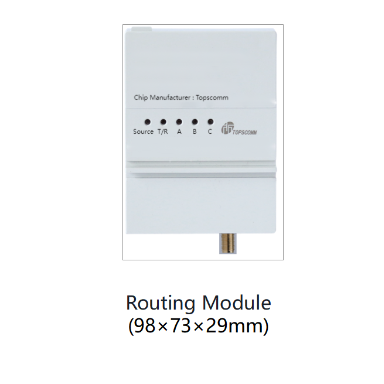
In today's rapidly evolving industrial landscape, communication modules serve as the backbone of automated systems, enabling seamless data transmission between devices and networks. Understanding the fundamental differences between single mode and dual mode communication modules is crucial for engineers, system integrators, and decision-makers who need to select the most appropriate technology for their specific applications. These modules determine how efficiently devices can communicate across various network protocols and standards, directly impacting system performance, reliability, and scalability.
The distinction between single mode and dual mode communication modules extends beyond simple connectivity options. These technologies represent different approaches to network integration, each offering unique advantages depending on the specific requirements of industrial applications. While single mode modules focus on optimized performance within a particular communication standard, dual mode solutions provide enhanced flexibility by supporting multiple protocols simultaneously. This fundamental difference shapes everything from initial system design to long-term maintenance strategies and future upgrade paths.
Core Architecture and Design Principles
Single Mode Communication Architecture
Single mode communication modules are engineered with a focused approach, dedicating their entire hardware and software resources to optimizing performance within one specific communication protocol. This specialized design allows manufacturers to fine-tune every component, from the radio frequency circuits to the digital signal processing algorithms, ensuring maximum efficiency and reliability for the target protocol. The streamlined architecture typically results in lower power consumption, reduced manufacturing costs, and simplified certification processes.
The internal components of single mode modules are specifically selected and configured to excel within their designated communication standard. This includes optimized antenna designs, specialized filtering circuits, and dedicated processing units that can handle the specific timing requirements and data formatting protocols. The firmware is typically lighter and more responsive since it doesn't need to manage multiple protocol stacks simultaneously, resulting in faster response times and more predictable behavior.
Dual Mode Communication Architecture
A dual mode communication module incorporates sophisticated architecture capable of managing multiple communication protocols within a single hardware platform. This requires more complex circuitry, including multiple radio frequency chains, advanced switching mechanisms, and powerful processing units capable of handling concurrent protocol operations. The design must accommodate the different frequency bands, modulation schemes, and timing requirements of various communication standards.
The software architecture in dual mode modules is significantly more complex, featuring multiple protocol stacks that can operate independently or in coordination. This includes sophisticated arbitration mechanisms to manage radio access when multiple protocols require simultaneous transmission, advanced power management systems to optimize battery life across different operating modes, and robust error handling systems to maintain communication integrity across all supported protocols.
Performance Characteristics and Trade-offs
Power Consumption Considerations
Power consumption represents one of the most significant differentiators between single mode and dual mode communication modules. Single mode modules typically demonstrate superior power efficiency because their hardware is optimized for a specific protocol's power profile, and they don't require the overhead of maintaining multiple protocol stacks or switching between different operating modes. This efficiency translates to longer battery life in portable applications and reduced operational costs in large-scale deployments.
Dual mode modules face inherent power consumption challenges due to their more complex architecture and the need to maintain multiple radio chains and processing units. However, advanced power management techniques, including dynamic protocol selection and intelligent sleep modes, can help mitigate these challenges. The ability to choose the most power-efficient protocol for each transmission can sometimes result in overall power savings compared to using a single, less optimal protocol for all communications.
Data Throughput and Latency
Single mode communication modules can achieve optimal data throughput and minimal latency within their designated protocol because all resources are dedicated to that specific communication standard. The streamlined processing path and optimized hardware configuration eliminate potential bottlenecks and reduce processing delays. This makes single mode modules ideal for applications requiring consistent, high-performance communication with predictable timing characteristics.
Dual mode communication modules may experience slightly higher latency due to the additional processing overhead required for protocol arbitration and switching. However, they offer unique advantages in terms of aggregate throughput by potentially utilizing multiple communication channels simultaneously. The ability to intelligently select the best-performing protocol for current conditions can also result in superior effective throughput compared to single mode modules operating in suboptimal environments.
Application Suitability and Use Cases
Industrial Automation Applications
In industrial automation environments, the choice between single mode and dual mode communication modules depends heavily on the specific requirements of the application and the existing infrastructure. Single mode modules excel in scenarios where consistent, reliable communication within a well-established protocol is required, such as factory floor automation using Profinet, building automation systems utilizing BACnet, or process control applications employing Modbus protocols.
Dual mode communication modules shine in complex industrial environments where devices need to communicate with multiple systems using different protocols. Examples include manufacturing execution systems that need to interface with both legacy equipment using serial protocols and modern cloud-based systems via cellular or Wi-Fi connections. The flexibility of dual mode modules enables seamless integration across different technological generations and vendor ecosystems.
IoT and Smart City Deployments
Internet of Things deployments present unique challenges that often favor different approaches depending on the scale and complexity of the implementation. Single mode modules are frequently preferred for large-scale, homogeneous deployments where cost optimization and battery life are paramount concerns. Examples include smart meter networks using dedicated LoRaWAN modules or sensor networks employing specialized Zigbee implementations.
Smart city applications often require the flexibility that dual mode communication modules provide, enabling devices to adapt to changing network conditions and communicate with diverse urban infrastructure systems. Traffic monitoring systems might use cellular connectivity for real-time data transmission while maintaining Wi-Fi capability for configuration and maintenance access. Environmental sensors could employ long-range protocols for regular data transmission while supporting short-range protocols for local diagnostics and calibration.
Cost Analysis and Economic Considerations
Initial Investment and Hardware Costs
The initial hardware cost represents a significant factor in the decision between single mode and dual mode communication modules. Single mode modules typically offer lower unit costs due to their simpler architecture, focused component selection, and streamlined manufacturing processes. The reduced complexity also translates to lower certification costs and faster time-to-market, making single mode solutions particularly attractive for cost-sensitive applications and high-volume deployments.
Dual mode communication modules command higher initial costs due to their complex architecture, multiple radio chains, and advanced processing requirements. However, the cost premium should be evaluated against the potential savings from reduced system complexity, eliminated need for multiple separate modules, and improved flexibility for future upgrades or protocol migrations. The higher initial investment can often be justified by the reduced overall system costs and improved long-term value proposition.
Operational and Maintenance Expenses
Operational expenses vary significantly between single mode and dual mode communication modules, primarily driven by differences in power consumption, network connectivity costs, and maintenance requirements. Single mode modules typically demonstrate lower operational costs due to optimized power consumption and simplified maintenance procedures. The focused design also results in more predictable behavior and fewer potential failure modes, reducing troubleshooting time and support costs.
Dual mode modules may incur higher operational costs due to increased power consumption and more complex maintenance requirements. However, they can provide operational savings through improved communication reliability, reduced downtime from communication failures, and the ability to optimize network usage costs by selecting the most cost-effective communication protocol for each transmission. The flexibility to adapt to changing network conditions can also prevent costly system upgrades or replacements.
Future-Proofing and Scalability
Technology Evolution and Upgrade Paths
The rapid evolution of communication technologies presents both opportunities and challenges for system designers choosing between single mode and dual mode communication modules. Single mode modules may offer limited upgrade paths, as they are inherently tied to specific protocol versions and standards. While this specialization provides optimal current performance, it may require complete module replacement when protocols evolve or new standards emerge.
Dual mode communication modules provide inherent future-proofing advantages through their ability to support multiple protocols and adapt to changing technology landscapes. Many dual mode modules can be updated through firmware upgrades to support new protocol versions or even entirely new communication standards, provided the underlying hardware architecture is sufficiently flexible. This adaptability can significantly extend the useful life of deployed systems and reduce long-term upgrade costs.
Network Infrastructure Evolution
The evolution of network infrastructure presents different implications for single mode versus dual mode communication modules. Single mode modules may become obsolete more quickly if the underlying network infrastructure changes or if newer, more efficient protocols become dominant. This risk is particularly relevant in rapidly evolving markets such as cellular communications, where new generations of technology regularly supersede existing standards.
Dual mode communication modules offer enhanced resilience to network infrastructure changes by maintaining compatibility with multiple protocols simultaneously. As new networks are deployed and existing networks are decommissioned, dual mode modules can seamlessly transition between available options, ensuring continued connectivity and system operation. This capability is particularly valuable in geographic regions where network infrastructure development follows different timelines or where multiple competing standards coexist.
FAQ
What are the main advantages of using dual mode communication modules over single mode alternatives?
Dual mode communication modules offer several key advantages including enhanced flexibility through multi-protocol support, improved reliability through redundant communication paths, better future-proofing capabilities, and the ability to optimize communication performance by selecting the most appropriate protocol for current conditions. They enable seamless integration with diverse systems and provide insurance against protocol obsolescence, making them ideal for complex applications requiring long-term reliability and adaptability.
How do power consumption differences between single mode and dual mode modules impact battery-powered applications?
Single mode communication modules typically consume less power due to their optimized, single-protocol architecture, making them preferable for battery-powered applications where maximizing operational life is critical. Dual mode modules consume more power due to their complex architecture but can sometimes achieve better overall efficiency by intelligently selecting the most power-efficient protocol for each transmission. The choice depends on whether consistent low power consumption or adaptive optimization provides greater benefit for the specific application.
Can dual mode communication modules achieve the same performance levels as specialized single mode modules?
Dual mode communication modules may not achieve the absolute peak performance of highly specialized single mode modules within any single protocol due to architectural trade-offs and resource sharing requirements. However, they often provide superior overall system performance through protocol optimization, redundant communication paths, and adaptive capability selection. The performance difference is typically small and often offset by the operational advantages and flexibility that dual mode modules provide.
What factors should be considered when choosing between single mode and dual mode communication modules for industrial applications?
Key factors include application requirements for communication reliability and redundancy, existing infrastructure and protocol requirements, budget constraints for both initial and operational costs, future scalability and upgrade requirements, power consumption limitations, performance requirements for latency and throughput, maintenance and support capabilities, and the expected lifespan of the deployed system. The decision should balance current optimization needs against future flexibility requirements and total cost of ownership considerations.
Table of Contents
- Core Architecture and Design Principles
- Performance Characteristics and Trade-offs
- Application Suitability and Use Cases
- Cost Analysis and Economic Considerations
- Future-Proofing and Scalability
-
FAQ
- What are the main advantages of using dual mode communication modules over single mode alternatives?
- How do power consumption differences between single mode and dual mode modules impact battery-powered applications?
- Can dual mode communication modules achieve the same performance levels as specialized single mode modules?
- What factors should be considered when choosing between single mode and dual mode communication modules for industrial applications?