EN
EN



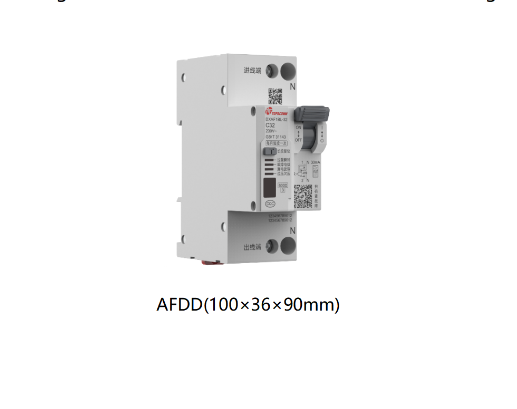
Industrial power networks face constant threats from electrical hazards that can cause devastating equipment damage, production downtime, and safety risks. Among these hazards, electrical arcs represent one of the most dangerous phenomena, capable of generating temperatures exceeding 20,000 degrees Fahrenheit and releasing explosive energy within milliseconds. Modern industrial facilities are increasingly implementing advanced protection systems to safeguard their critical infrastructure and personnel from these potentially catastrophic events.
The implementation of sophisticated arc detection technologies has revolutionized how industrial facilities approach electrical safety and equipment protection. These systems provide unprecedented levels of monitoring and response capabilities, enabling rapid identification and mitigation of arc fault conditions before they escalate into major incidents. Understanding the comprehensive benefits of these protection systems is essential for facility managers, electrical engineers, and safety professionals responsible for maintaining reliable industrial operations.
Enhanced Safety Protection for Personnel and Equipment
Immediate Threat Detection and Response
Arc detection systems provide millisecond-level response times that are crucial for preventing arc flash incidents from causing serious injury or equipment damage. Traditional circuit protection devices like circuit breakers and fuses typically require several cycles to respond to fault conditions, during which time an arc flash can release enormous amounts of energy. Advanced detection systems can identify arc signatures within 1-2 milliseconds and initiate protective actions almost instantaneously.
The rapid response capability significantly reduces the incident energy levels that personnel might be exposed to during maintenance activities or normal operations. This protection is particularly valuable in medium and high voltage applications where arc flash energy can reach lethal levels. By minimizing exposure time, these systems help facilities maintain compliance with NFPA 70E standards and other electrical safety regulations while protecting workers from severe burns and other arc-related injuries.
Comprehensive Monitoring Coverage
Modern arc detection technologies employ multiple sensing methods including light sensors, current sensors, and pressure sensors to provide comprehensive coverage across different types of electrical equipment. This multi-modal approach ensures reliable detection even in challenging industrial environments where individual sensor types might face limitations. Light sensors can detect the characteristic optical signatures of electrical arcs, while current sensors monitor for specific harmonic patterns associated with arc faults.
The integration of various sensor technologies creates redundant protection layers that enhance system reliability and reduce the likelihood of false trips or missed events. Advanced systems can differentiate between actual arc faults and normal operational conditions such as welding activities, motor starting transients, or routine switching operations. This sophisticated discrimination capability ensures that protection systems respond appropriately to genuine threats while maintaining normal facility operations.
Operational Continuity and Reduced Downtime
Selective Protection and Isolation
One of the most significant advantages of advanced arc detection systems is their ability to provide selective protection that isolates only the affected circuit sections while maintaining power to unaffected areas. Traditional protection schemes often result in widespread outages when fault conditions occur, leading to unnecessary production losses and extended restoration times. Selective protection minimizes the scope of power interruptions and enables faster system recovery.
This targeted approach to fault isolation is particularly valuable in continuous process industries where unplanned shutdowns can result in significant financial losses, product quality issues, or safety hazards. By maintaining power to critical systems during fault events, facilities can continue essential operations while addressing the specific problem area. The ability to maintain partial operations during fault conditions can mean the difference between a minor maintenance event and a major production disruption.
Predictive Maintenance Capabilities
Advanced arc detection systems often include diagnostic capabilities that can identify developing problems before they result in catastrophic failures. These systems continuously monitor electrical signatures and can detect gradual degradation in insulation systems, loose connections, or other conditions that might lead to arc faults. Early identification of these issues enables proactive maintenance interventions that prevent unexpected failures and extend equipment life.
The diagnostic information provided by these systems helps maintenance teams prioritize their activities and allocate resources more effectively. Rather than relying solely on time-based maintenance schedules, facilities can implement condition-based maintenance strategies that address actual equipment needs. This approach reduces maintenance costs while improving system reliability and reducing the likelihood of unexpected failures that could compromise production schedules.
Cost-Effectiveness and Return on Investment
Equipment Protection and Lifecycle Extension
The rapid response capabilities of arc detection systems significantly reduce the thermal and mechanical stresses that electrical equipment experiences during fault events. Arc faults can cause extensive damage to switchgear, transformers, motors, and other critical electrical components through extreme heat, pressure waves, and electromagnetic forces. By quickly interrupting fault currents and limiting fault duration, protection systems minimize equipment damage and extend operational lifespans.
This equipment protection translates directly into reduced capital expenditures for replacement equipment and lower maintenance costs over the long term. Industrial electrical equipment represents significant capital investments, and protecting these assets from arc-related damage provides substantial financial benefits. The cost of implementing arc detection systems is typically recovered within a few years through reduced equipment replacement needs and extended maintenance intervals.
Insurance and Liability Considerations
Many insurance providers offer premium reductions for facilities that implement comprehensive electrical safety systems including arc detection technology. These systems demonstrate a commitment to risk management and safety that insurers recognize with lower rates and better coverage terms. The documented safety improvements and reduced incident rates associated with arc detection systems provide compelling evidence of their effectiveness in risk mitigation.
Additionally, the implementation of advanced protection systems can help facilities demonstrate due diligence in electrical safety management, which can be important in liability situations. Regulatory compliance becomes more straightforward when facilities can document the use of state-of-the-art protection technologies and demonstrate proactive approaches to electrical safety management. This documentation can be valuable in regulatory audits and safety investigations.
Integration with Modern Power Management Systems
Communication and Data Analytics
Contemporary arc detection systems feature advanced communication capabilities that enable integration with facility-wide power management and building automation systems. This connectivity allows for centralized monitoring, data logging, and analysis of electrical system performance. Real-time information about system status, fault events, and diagnostic data can be accessed remotely and incorporated into comprehensive facility management platforms.
The data collected by these systems provides valuable insights into electrical system performance trends and can help identify patterns that might indicate developing problems. Advanced analytics capabilities can process large amounts of historical data to identify correlations and predict future maintenance needs. This information enables more informed decision-making about system upgrades, maintenance scheduling, and operational procedures.
Scalability and Future Expansion
Modern arc detection systems are designed with scalability in mind, allowing facilities to implement protection in phases and expand coverage as needs evolve. This flexibility is particularly important for growing industrial facilities that may add new equipment or modify existing electrical systems over time. Modular system architectures enable cost-effective expansion while maintaining consistent protection standards across all facility areas.
The ability to integrate new protection zones seamlessly with existing systems ensures that facilities can maintain uniform protection standards as they grow. This scalability also supports technology upgrades and system enhancements without requiring complete system replacements. Investment protection is an important consideration for industrial facilities, and systems that can adapt to changing needs provide better long-term value.
Regulatory Compliance and Industry Standards
Meeting Evolving Safety Standards
Electrical safety standards continue to evolve as industry understanding of arc flash hazards improves and new protection technologies become available. Arc detection systems help facilities stay ahead of regulatory requirements and demonstrate commitment to implementing best practices in electrical safety. Many industries are seeing increased emphasis on arc flash protection in their safety standards and regulatory frameworks.
Compliance with standards such as IEEE 1584, NFPA 70E, and IEC 61850 becomes more manageable when facilities implement comprehensive arc detection systems. These systems provide the rapid response times and selective protection capabilities that modern safety standards emphasize. Staying current with evolving standards helps facilities avoid regulatory issues and maintains their reputation as safety-conscious organizations.
Documentation and Reporting Benefits
Advanced arc detection systems typically include comprehensive event logging and reporting capabilities that simplify regulatory compliance documentation. Detailed records of system performance, fault events, maintenance activities, and testing results are automatically maintained and can be easily accessed for regulatory reporting requirements. This automated documentation reduces administrative burden while ensuring compliance with record-keeping requirements.
The availability of detailed historical data also supports incident investigation and root cause analysis activities that may be required by regulatory authorities. Having comprehensive documentation of electrical system performance and protection system responses can be valuable in demonstrating due diligence and appropriate risk management practices during regulatory reviews or incident investigations.
FAQ
How quickly can arc detection systems respond to fault conditions compared to traditional protection devices
Arc detection systems can respond to fault conditions in 1-2 milliseconds, which is significantly faster than traditional circuit breakers or fuses that typically require 3-8 cycles (50-133 milliseconds at 60Hz) to operate. This rapid response time is crucial for limiting incident energy and preventing extensive equipment damage or personnel injury during arc flash events.
What types of industrial facilities benefit most from implementing arc detection systems
Facilities with medium and high voltage electrical systems, continuous process operations, critical infrastructure, or high personnel exposure risks benefit most from arc detection systems. This includes manufacturing plants, data centers, hospitals, petrochemical facilities, mining operations, and utility substations where electrical safety and operational continuity are paramount concerns.
Can arc detection systems be retrofitted into existing electrical installations
Yes, modern arc detection systems are designed for retrofit applications and can be integrated into existing electrical switchgear and control systems with minimal modifications. Retrofit installations typically involve adding sensors, control units, and communication interfaces while utilizing existing circuit breakers and protection devices for the actual fault interruption function.
What maintenance requirements do arc detection systems have
Arc detection systems require regular testing and calibration to ensure optimal performance, typically involving annual or semi-annual functional testing, sensor cleaning, and system diagnostics. Most modern systems include self-diagnostic capabilities that continuously monitor system health and alert maintenance personnel to any issues that require attention, simplifying maintenance scheduling and ensuring reliable operation.
Table of Contents
- Enhanced Safety Protection for Personnel and Equipment
- Operational Continuity and Reduced Downtime
- Cost-Effectiveness and Return on Investment
- Integration with Modern Power Management Systems
- Regulatory Compliance and Industry Standards
-
FAQ
- How quickly can arc detection systems respond to fault conditions compared to traditional protection devices
- What types of industrial facilities benefit most from implementing arc detection systems
- Can arc detection systems be retrofitted into existing electrical installations
- What maintenance requirements do arc detection systems have