Distribution Network Overhead Line Fault Indicator: Advanced Power Line Monitoring Solution

Get a Free Quote

Our representative will contact you soon.
Email
Name
Company Name
Message
0/1000

distribution network overhead line fault indicator

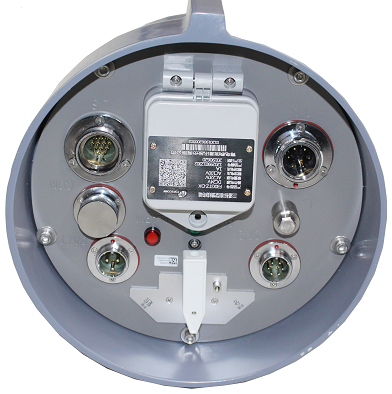
A distribution network overhead line fault indicator is a sophisticated monitoring device designed to enhance the reliability and efficiency of power distribution systems. This essential equipment serves as an early warning system by detecting and indicating various types of faults in overhead power lines, including short circuits, earth faults, and phase failures. The device employs advanced sensing technology to monitor current flow patterns and voltage levels continuously, providing real-time data about the network's status. When a fault occurs, the indicator immediately activates visible signals, typically through high-intensity LED displays or mechanical flags, allowing maintenance crews to quickly identify the affected section of the power line. Modern fault indicators often incorporate wireless communication capabilities, enabling remote monitoring and integration with smart grid systems. The technology features automatic reset functionality, weather-resistant construction, and long-lasting battery life, ensuring reliable operation in various environmental conditions. These devices are strategically installed at key points along distribution networks, particularly at branch points and critical sections, to optimize fault location efficiency. Their implementation significantly reduces outage duration by minimizing the time required for fault identification and subsequent repairs, ultimately improving overall system reliability and customer satisfaction.


New Product Releases

The implementation of distribution network overhead line fault indicators offers numerous compelling advantages for power utilities and end-users alike. First and foremost, these devices dramatically reduce the time and resources required for fault location, enabling maintenance teams to pinpoint issues quickly and accurately. This efficiency translates into shorter power outages and improved service reliability for customers. The indicators' automated monitoring capabilities eliminate the need for manual line inspections, resulting in significant cost savings and reduced workforce exposure to potentially hazardous conditions. Their ability to provide real-time fault detection and location information enables proactive maintenance strategies, helping prevent larger system failures before they occur. The integration of smart communication features allows utilities to receive instant notifications about network issues, enabling faster response times and more efficient resource allocation. The devices' robust construction and minimal maintenance requirements ensure long-term reliability and cost-effectiveness. Additionally, the fault indicators' capability to distinguish between temporary and permanent faults helps prevent unnecessary service interruptions and reduces wear on switching equipment. The implementation of these devices also supports compliance with regulatory requirements for power quality and reliability standards. From a customer service perspective, the reduced outage duration and improved system reliability lead to higher customer satisfaction and fewer complaint calls. The data collected by these devices can be analyzed to identify patterns and trends, supporting better decision-making for network maintenance and upgrades.

Latest News

What Are the Key Benefits of Using a Photovoltaic Inverter in Solar Systems?

28

Aug

What Are the Key Benefits of Using a Photovoltaic Inverter in Solar Systems?

Understanding the Crucial Role of Photovoltaic Inverters in Modern Solar Energy Systems The solar energy revolution has transformed how we think about power generation, and at the heart of this transformation lies the photovoltaic inverter. This esse...
View More
What Are the Key Technologies Driving Power Grid Modernization?

28

Aug

What Are the Key Technologies Driving Power Grid Modernization?

The Evolution of Modern Electric Infrastructure The traditional power grid, a marvel of 20th-century engineering, is undergoing a remarkable transformation. Power grid modernization represents one of the most significant infrastructure developments o...
View More
AMI in Action: How Real-Time Data Transforms Energy Distribution

25

Sep

AMI in Action: How Real-Time Data Transforms Energy Distribution

Revolutionizing Power Distribution Through Advanced Metering Infrastructure The energy sector is experiencing a remarkable transformation as Advanced Metering Infrastructure (AMI) reshapes how we monitor, manage, and distribute power. This sophistica...
View More
How to Ensure Reliability and Security in Power Grid Systems?

31

Oct

How to Ensure Reliability and Security in Power Grid Systems?

Strengthening Modern Power Infrastructure Against Emerging Threats The integrity of our power grid systems stands as one of the most critical aspects of modern infrastructure. As our societies become increasingly dependent on electricity, power grid ...
View More

Get a Free Quote

Our representative will contact you soon.
Email
Name
Company Name
Message
0/1000

distribution network overhead line fault indicator

Advanced Fault Detection Technology

Advanced Fault Detection Technology

The distribution network overhead line fault indicator incorporates state-of-the-art sensing technology that revolutionizes fault detection capabilities. The system utilizes sophisticated algorithms to analyze current patterns and voltage variations in real-time, enabling precise identification of different fault types. This advanced detection mechanism can distinguish between temporary disturbances and permanent faults, preventing unnecessary system interruptions. The technology includes high-sensitivity sensors that can detect even minor anomalies in power flow, providing early warning of potential issues before they escalate into major problems. The system's ability to operate effectively in various weather conditions and electromagnetic environments ensures reliable fault detection throughout the year.
Intelligent Communication Systems

Intelligent Communication Systems

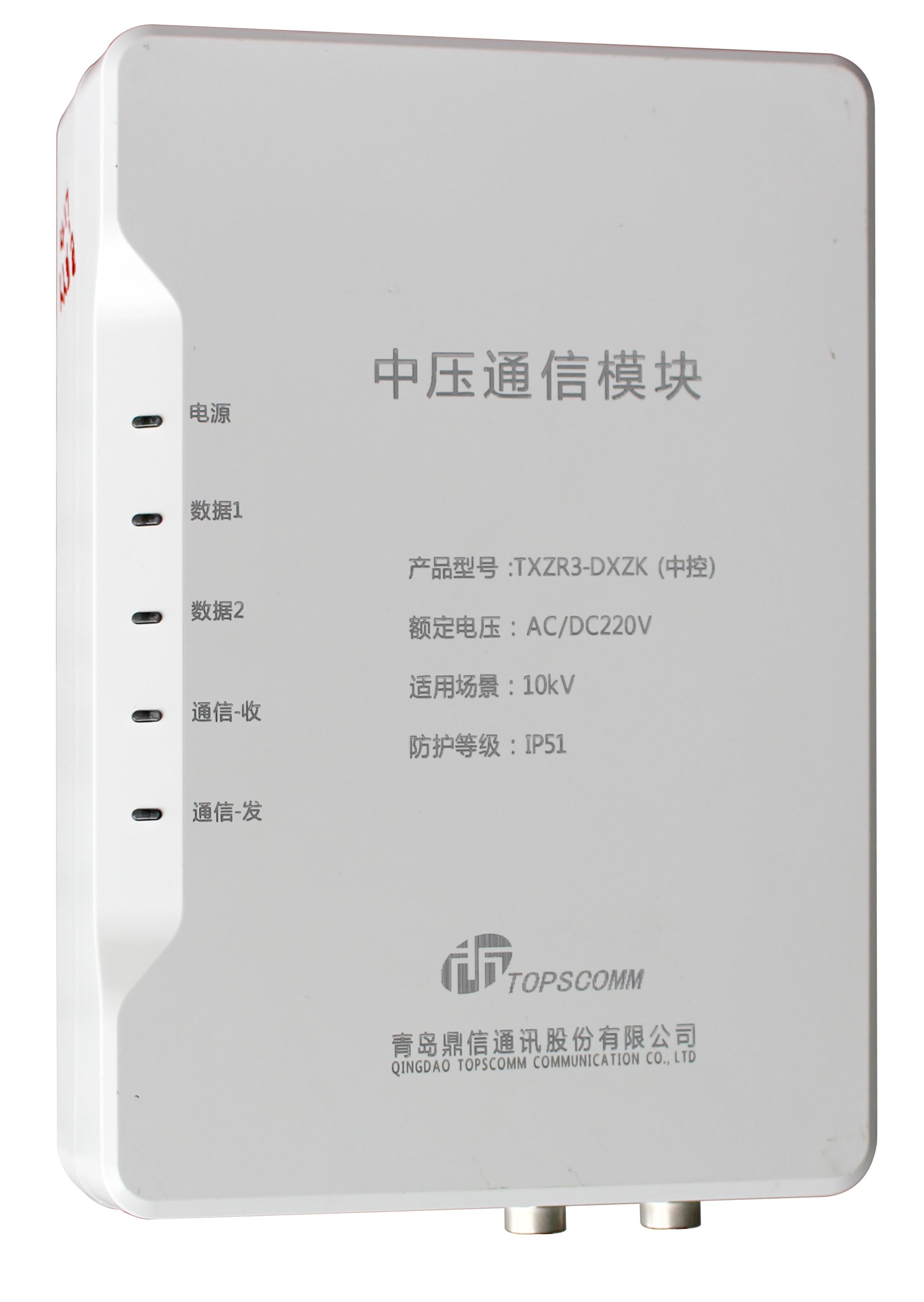
Modern fault indicators feature comprehensive communication capabilities that transform power line monitoring. The integrated wireless communication system enables real-time data transmission to control centers, allowing operators to monitor network status remotely. These devices can be seamlessly integrated into existing SCADA systems, providing a unified platform for network management. The communication system supports various protocols and can be easily configured to match specific utility requirements. Advanced encryption ensures secure data transmission, protecting critical infrastructure information from unauthorized access. The system's ability to provide instant notifications through multiple channels enables rapid response to network issues.
Enhanced Maintenance Efficiency

Enhanced Maintenance Efficiency

The implementation of overhead line fault indicators significantly improves maintenance operations through several innovative features. The highly visible LED displays and mechanical flags provide clear fault location indication, enabling maintenance crews to quickly identify affected areas without time-consuming line searches. The automatic reset capability eliminates the need for manual intervention after temporary faults, reducing maintenance visits and associated costs. The long-lasting battery life, typically extending beyond ten years, minimizes maintenance requirements while ensuring reliable operation. The devices' modular design facilitates easy installation and replacement, reducing downtime during maintenance activities. The collected fault data supports predictive maintenance strategies, allowing utilities to address potential issues before they cause outages.

Get a Free Quote

Our representative will contact you soon.
Email
Name
Company Name
Message
0/1000