Advanced Reactive Power Compensation Solutions for Modern Distribution Networks

Get a Free Quote

Our representative will contact you soon.
Email
Name
Company Name
Message
0/1000

reactive power compensation in distribution network

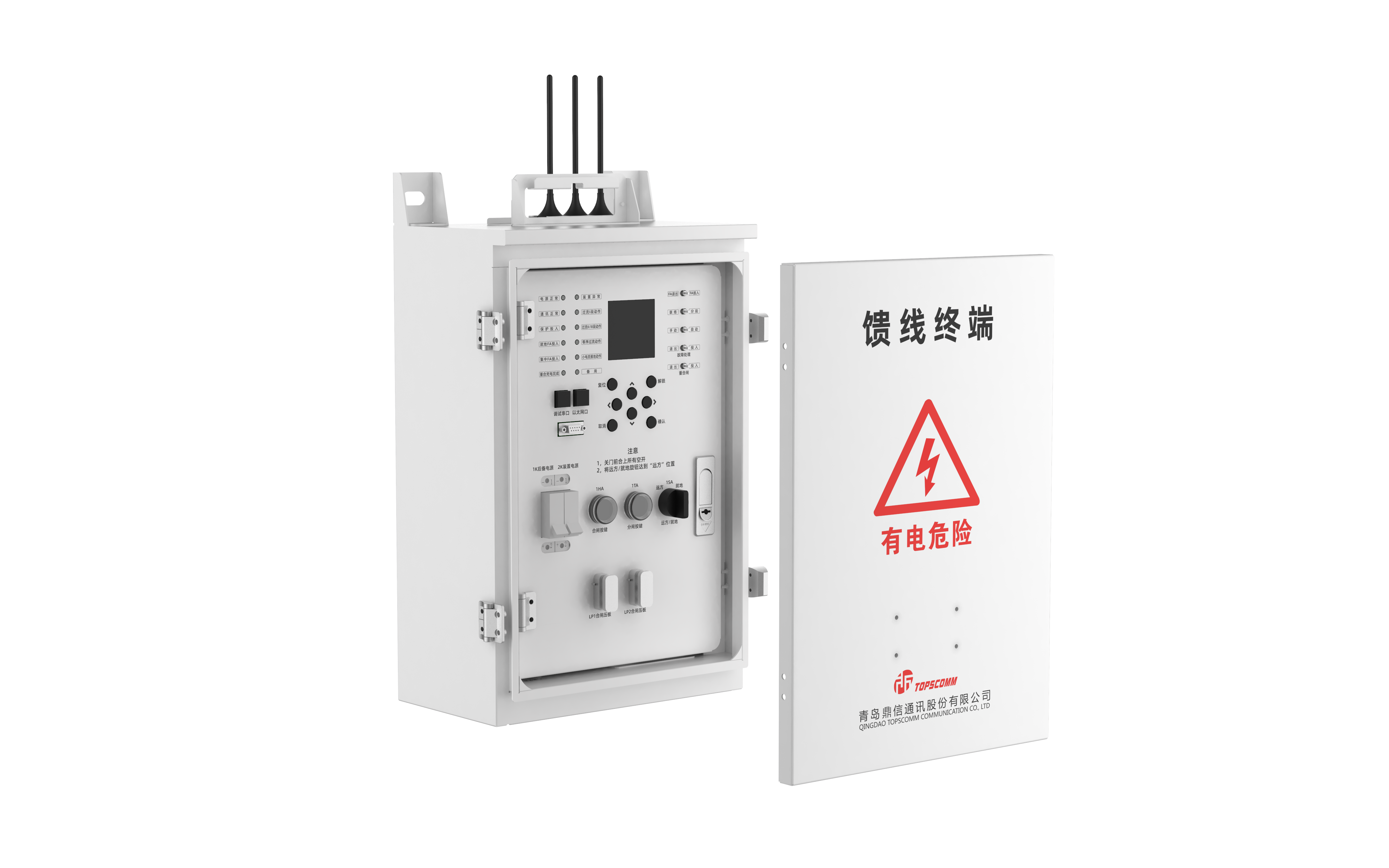
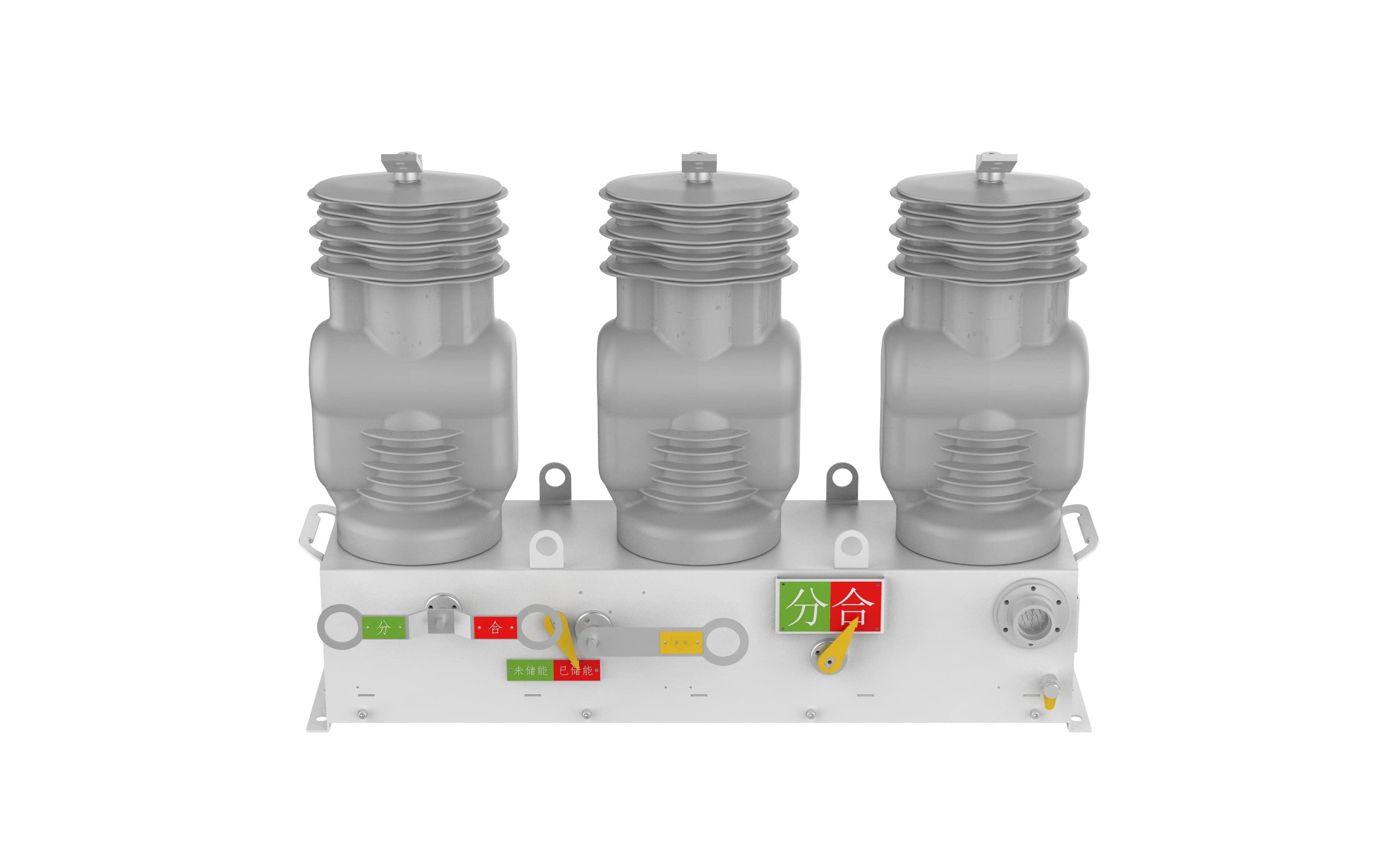
Reactive power compensation in distribution networks is a critical technology that optimizes power system performance by managing reactive power flow. This sophisticated system maintains voltage stability, reduces power losses, and improves overall power quality in electrical distribution systems. The technology works by strategically installing capacitor banks or other compensation devices at key points within the network, effectively balancing the reactive power demands of various loads. These systems automatically adjust compensation levels based on real-time network conditions, ensuring optimal power factor correction. The technology incorporates advanced monitoring and control systems that enable precise reactive power management, helping utilities and industrial facilities maintain efficient operation. Modern reactive power compensation systems utilize smart grid technologies, allowing for remote monitoring and control capabilities. They can handle dynamic load variations and provide instantaneous response to power quality issues, making them essential for modern power distribution infrastructure. The system's ability to maintain stable voltage profiles helps prevent equipment damage and extends the operational life of electrical devices. Additionally, these systems contribute significantly to energy conservation efforts by minimizing transmission losses and improving overall system efficiency.


New Product Recommendations

Reactive power compensation in distribution networks offers numerous compelling advantages that make it an essential investment for power system operators. First, it significantly reduces energy losses in the distribution system, resulting in substantial cost savings through improved energy efficiency. The technology enables better voltage regulation, ensuring that equipment operates within optimal voltage ranges, thus preventing potential damage and extending equipment lifespan. Users benefit from enhanced power quality, with reduced voltage fluctuations and fewer power quality issues that could affect sensitive electronic equipment. The system's ability to automatically adjust to changing load conditions ensures consistent performance without manual intervention. This automation leads to reduced maintenance requirements and lower operational costs. Implementation of reactive power compensation also increases the power transfer capability of existing infrastructure, potentially delaying or eliminating the need for costly network upgrades. The technology helps organizations meet power factor requirements set by utilities, avoiding penalties and reducing electricity bills. Environmental benefits include reduced carbon emissions through improved energy efficiency and optimized power distribution. The system's smart monitoring capabilities provide valuable data for network planning and optimization, enabling better decision-making for future infrastructure investments. Furthermore, the technology supports the integration of renewable energy sources by helping manage the variable nature of these power sources, making it a future-proof investment in the era of green energy transition.

Tips And Tricks

What Are the Key Benefits of Using a Photovoltaic Inverter in Solar Systems?

28

Aug

What Are the Key Benefits of Using a Photovoltaic Inverter in Solar Systems?

Understanding the Crucial Role of Photovoltaic Inverters in Modern Solar Energy Systems The solar energy revolution has transformed how we think about power generation, and at the heart of this transformation lies the photovoltaic inverter. This esse...
View More
How Can Smart Power Grids Improve Energy Efficiency?

28

Aug

How Can Smart Power Grids Improve Energy Efficiency?

The Evolution of Modern Power Distribution Systems The traditional power grid infrastructure that has served us for over a century is undergoing a remarkable transformation. Smart power grids represent the next generation of electricity delivery syst...
View More
How Can Power Grids Adapt to Increasing Energy Demands?

28

Aug

How Can Power Grids Adapt to Increasing Energy Demands?

The Evolution of Modern Power Infrastructure The electrical landscape is undergoing a dramatic transformation as power grids face unprecedented challenges in meeting surging energy demands. Today's power grid adaptation requirements extend far beyond...
View More
How Do Smart Water Meters Help Identify Leaks in Real Time?

31

Oct

How Do Smart Water Meters Help Identify Leaks in Real Time?

The Evolution of Modern Water Management Systems Water management has undergone a remarkable transformation in recent decades, with smart water meters emerging as a groundbreaking technology that revolutionizes how we detect and manage water leaks. T...
View More

Get a Free Quote

Our representative will contact you soon.
Email
Name
Company Name
Message
0/1000

reactive power compensation in distribution network

Advanced Voltage Stability Management

Advanced Voltage Stability Management

The reactive power compensation system excels in maintaining precise voltage stability across the distribution network. This sophisticated feature employs real-time monitoring and rapid response mechanisms to adjust power factor correction as needed. The system continuously analyzes network conditions and implements immediate corrections to maintain optimal voltage levels. This proactive approach prevents voltage sags and swells that could damage expensive equipment or disrupt operations. The technology uses state-of-the-art sensors and control algorithms to detect and respond to voltage variations before they become problematic. This capability is particularly valuable in industrial settings where voltage stability is crucial for manufacturing processes and sensitive equipment operation.
Intelligent Energy Loss Reduction

Intelligent Energy Loss Reduction

One of the most significant features is the system's ability to minimize energy losses throughout the distribution network. By optimizing power factor correction at multiple points, the technology significantly reduces transmission losses and improves overall system efficiency. The intelligent control system continuously calculates the optimal compensation required at each point, ensuring maximum energy savings. This feature directly translates to lower operational costs and improved environmental performance. The system's ability to adapt to changing load conditions ensures consistent energy savings regardless of variations in power demand or network configuration.
Smart Grid Integration Capabilities

Smart Grid Integration Capabilities

The reactive power compensation system seamlessly integrates with modern smart grid infrastructure, providing enhanced monitoring and control capabilities. This integration enables advanced features such as remote operation, predictive maintenance, and detailed performance analytics. The system can communicate with other grid components to optimize overall network performance and support the integration of renewable energy sources. The smart capabilities include real-time data collection and analysis, enabling operators to make informed decisions about network management and future upgrades. This integration also facilitates better demand response management and improved grid stability during peak load periods.

Get a Free Quote

Our representative will contact you soon.
Email
Name
Company Name
Message
0/1000