Power Line Communication for Distribution Network Automation: Advanced Grid Management Solution

Get a Free Quote

Our representative will contact you soon.
Email
Name
Company Name
Message
0/1000

power line communication for distribution network automation

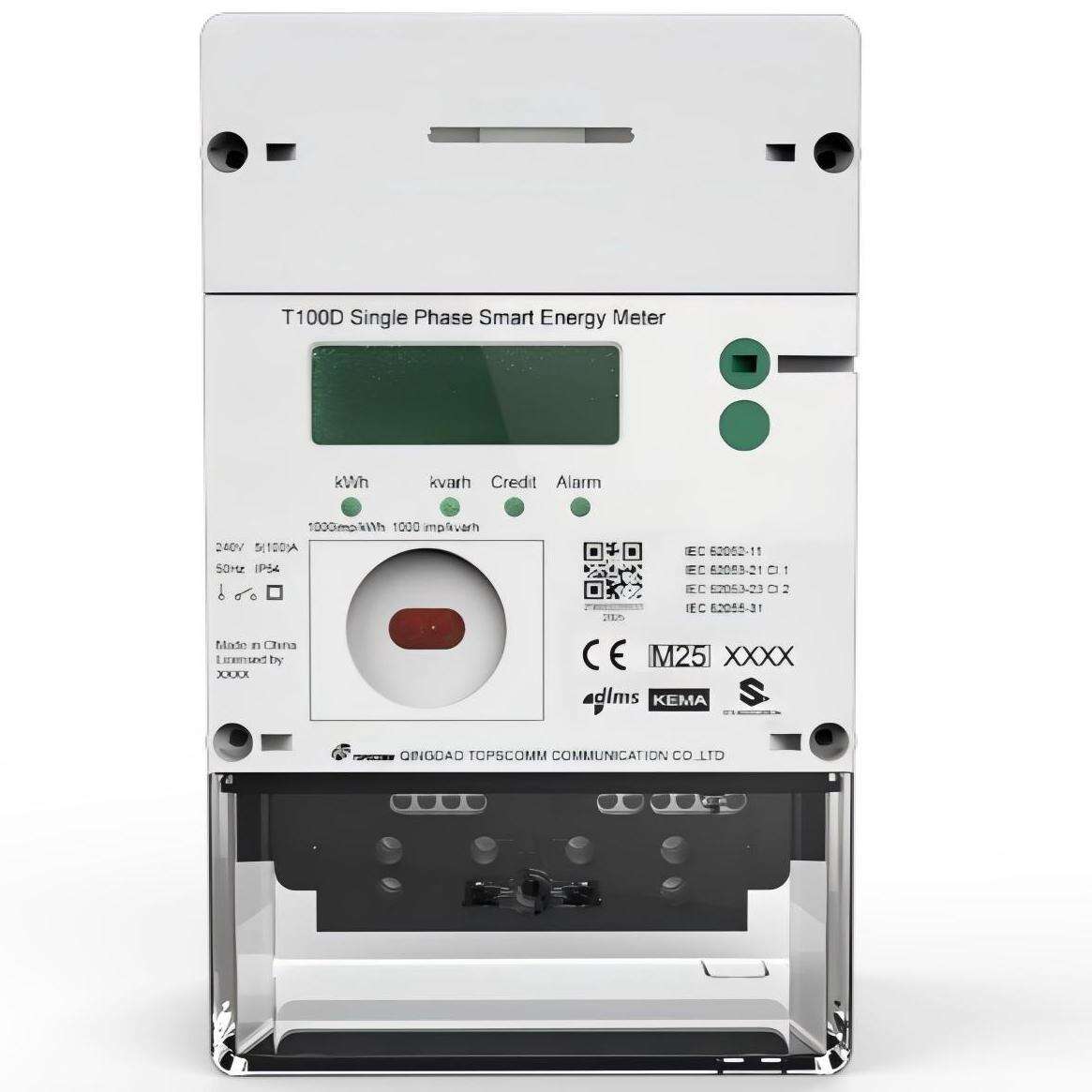
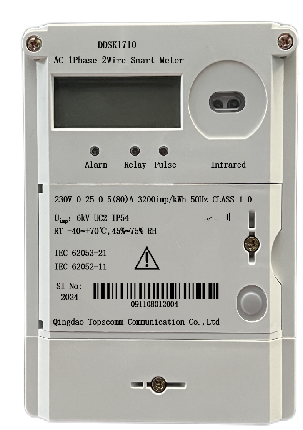
Power Line Communication (PLC) for distribution network automation represents a transformative technology that enables data transmission through existing power lines, revolutionizing how utilities manage and control their distribution networks. This system leverages electrical power lines as a communication medium, eliminating the need for separate communication infrastructure. The technology operates by superimposing a modulated carrier signal onto the existing electricity infrastructure, enabling bidirectional communication between utility control centers and field devices. The main functions include real-time monitoring of power quality, automated meter reading, fault detection, load management, and remote control of network equipment. PLC systems utilize sophisticated modulation techniques and protocols to ensure reliable data transmission despite the challenging electrical environment. The technology supports various applications including demand response management, outage detection, voltage regulation, and integration of distributed energy resources. Modern PLC systems can achieve data rates from several kbps to hundreds of Mbps, depending on the implementation and specific requirements. The technology has proven particularly valuable in rural areas where traditional communication infrastructure may be limited or cost-prohibitive.


New Product Releases

Power Line Communication for distribution network automation offers numerous compelling advantages that make it an attractive solution for utilities and network operators. First, it provides significant cost savings by utilizing existing power line infrastructure, eliminating the need for separate communication networks and reducing installation and maintenance expenses. The system offers exceptional coverage capabilities, reaching every location served by the power grid, including remote areas where other communication technologies might struggle. Enhanced operational efficiency is achieved through real-time monitoring and control capabilities, enabling quick response to network issues and automated management of distribution assets. The technology supports advanced grid functionalities such as automatic meter reading, demand response, and integration of renewable energy sources. Security is another key advantage, as PLC systems can be isolated from public networks and implement robust encryption protocols. The technology demonstrates remarkable reliability in adverse conditions and can maintain communication even during partial power outages. Scalability is a notable benefit, allowing utilities to expand their automation capabilities gradually without significant infrastructure modifications. The system's ability to provide real-time data enables predictive maintenance strategies, reducing downtime and maintenance costs. Additionally, PLC technology supports the implementation of smart grid initiatives, facilitating the transition to more sustainable and efficient energy distribution systems.

Practical Tips

What Are the Key Technologies Driving Power Grid Modernization?

28

Aug

What Are the Key Technologies Driving Power Grid Modernization?

The Evolution of Modern Electric Infrastructure The traditional power grid, a marvel of 20th-century engineering, is undergoing a remarkable transformation. Power grid modernization represents one of the most significant infrastructure developments o...
View More
How Can AMI Systems Improve Grid Efficiency and Energy Forecasting?

25

Sep

How Can AMI Systems Improve Grid Efficiency and Energy Forecasting?

Understanding the Revolutionary Impact of Advanced Metering Infrastructure on Power Grids The energy sector is undergoing a profound transformation, with AMI systems leading the charge toward smarter, more efficient power distribution networks. These...
View More
AMI in Action: How Real-Time Data Transforms Energy Distribution

25

Sep

AMI in Action: How Real-Time Data Transforms Energy Distribution

Revolutionizing Power Distribution Through Advanced Metering Infrastructure The energy sector is experiencing a remarkable transformation as Advanced Metering Infrastructure (AMI) reshapes how we monitor, manage, and distribute power. This sophistica...
View More
What Should Importers Look for in Top PV Inverter Manufacturers?

31

Oct

What Should Importers Look for in Top PV Inverter Manufacturers?

Understanding the Critical Role of Solar Inverter Manufacturing Excellence The solar energy industry continues to evolve rapidly, and at its heart lies the crucial component that converts DC power to usable AC electricity - the PV inverter. For impor...
View More

Get a Free Quote

Our representative will contact you soon.
Email
Name
Company Name
Message
0/1000

power line communication for distribution network automation

Advanced Network Management Capabilities

Advanced Network Management Capabilities

The PLC system's advanced network management capabilities represent a breakthrough in distribution automation. The technology enables comprehensive monitoring and control of the entire distribution network through a unified communication platform. Operators can access real-time data from every node in the network, facilitating immediate detection of anomalies and potential issues. The system supports automated switching operations, load balancing, and voltage regulation, ensuring optimal network performance. These capabilities significantly reduce response times to network events and minimize service interruptions. The advanced management features include predictive analytics for maintenance planning, automated fault location, and self-healing network capabilities. This level of control and automation translates to improved reliability indices and enhanced customer satisfaction.
Seamless Integration and Interoperability

Seamless Integration and Interoperability

One of the most significant features of PLC technology is its exceptional integration capabilities with existing infrastructure and systems. The technology seamlessly interfaces with various distribution automation equipment, SCADA systems, and smart grid applications. This interoperability extends to different vendors' equipment and supports multiple communication protocols, ensuring flexibility in system design and implementation. The integration capabilities enable utilities to implement new smart grid functions without replacing existing infrastructure, providing a cost-effective path to modernization. The system's ability to support both legacy and modern equipment makes it an ideal solution for gradual network upgrades and expansions.
Enhanced Data Security and Reliability

Enhanced Data Security and Reliability

PLC technology incorporates advanced security features and reliability mechanisms that ensure robust and secure communication for distribution automation. The system employs sophisticated encryption protocols and authentication mechanisms to protect against unauthorized access and cyber threats. Multiple layers of error detection and correction ensure reliable data transmission even in electrically noisy environments. The technology includes redundancy features and automatic routing capabilities that maintain communication even during network disturbances. These security and reliability features are essential for critical infrastructure protection and ensure continuous operation of automation systems. The technology's proven track record in maintaining secure and reliable communication makes it an ideal choice for utilities concerned about cybersecurity and operational reliability.

Get a Free Quote

Our representative will contact you soon.
Email
Name
Company Name
Message
0/1000