Distribution Network Feeder Terminal Unit: Advanced Monitoring and Control Solution for Smart Grid Systems

Get a Free Quote

Our representative will contact you soon.
Email
Name
Company Name
Message
0/1000

distribution network feeder terminal unit

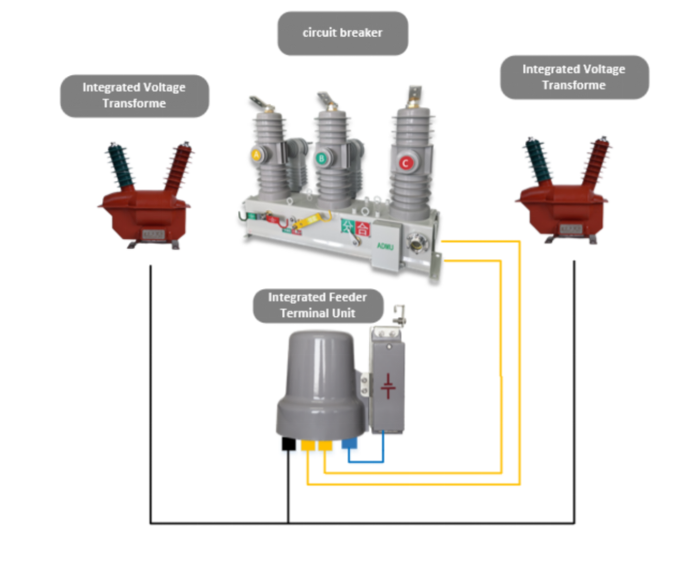
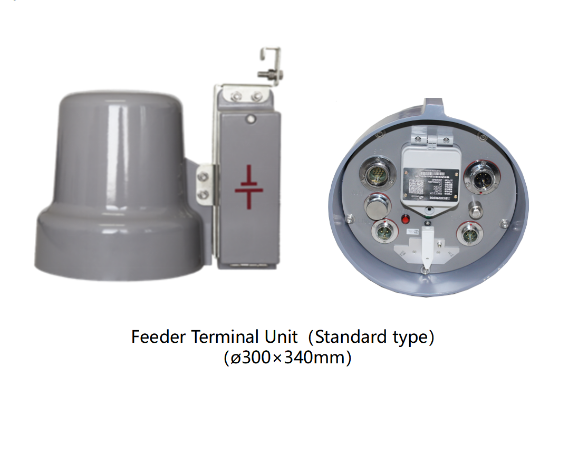
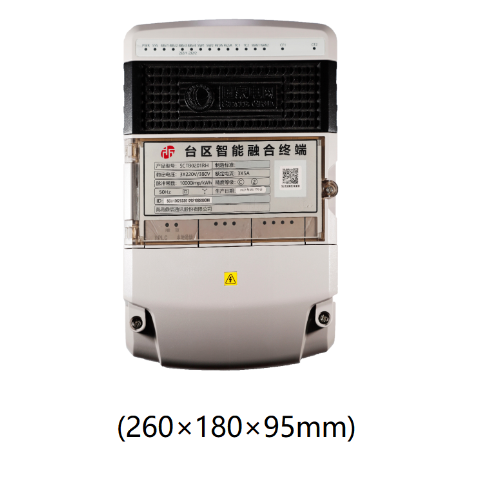
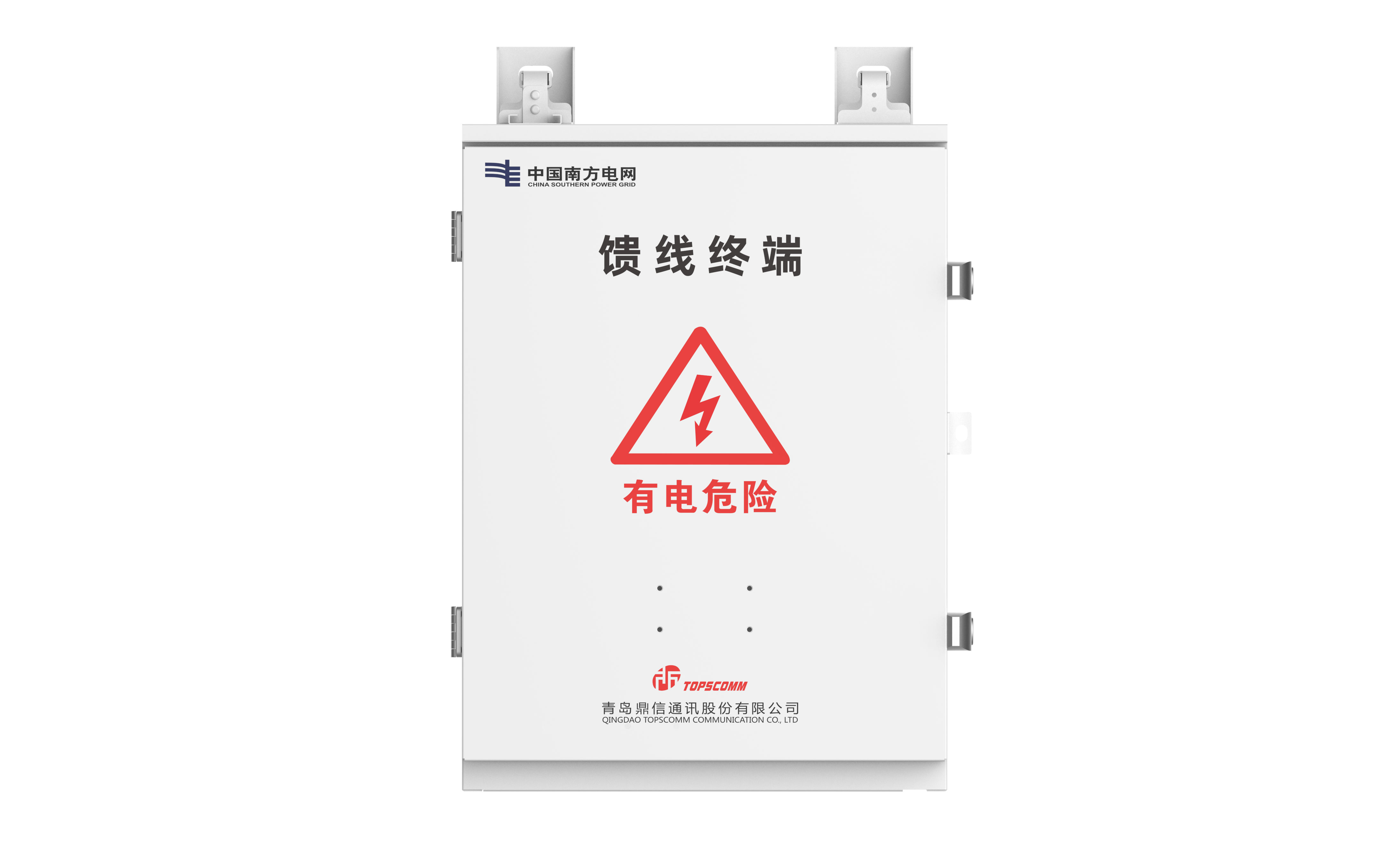
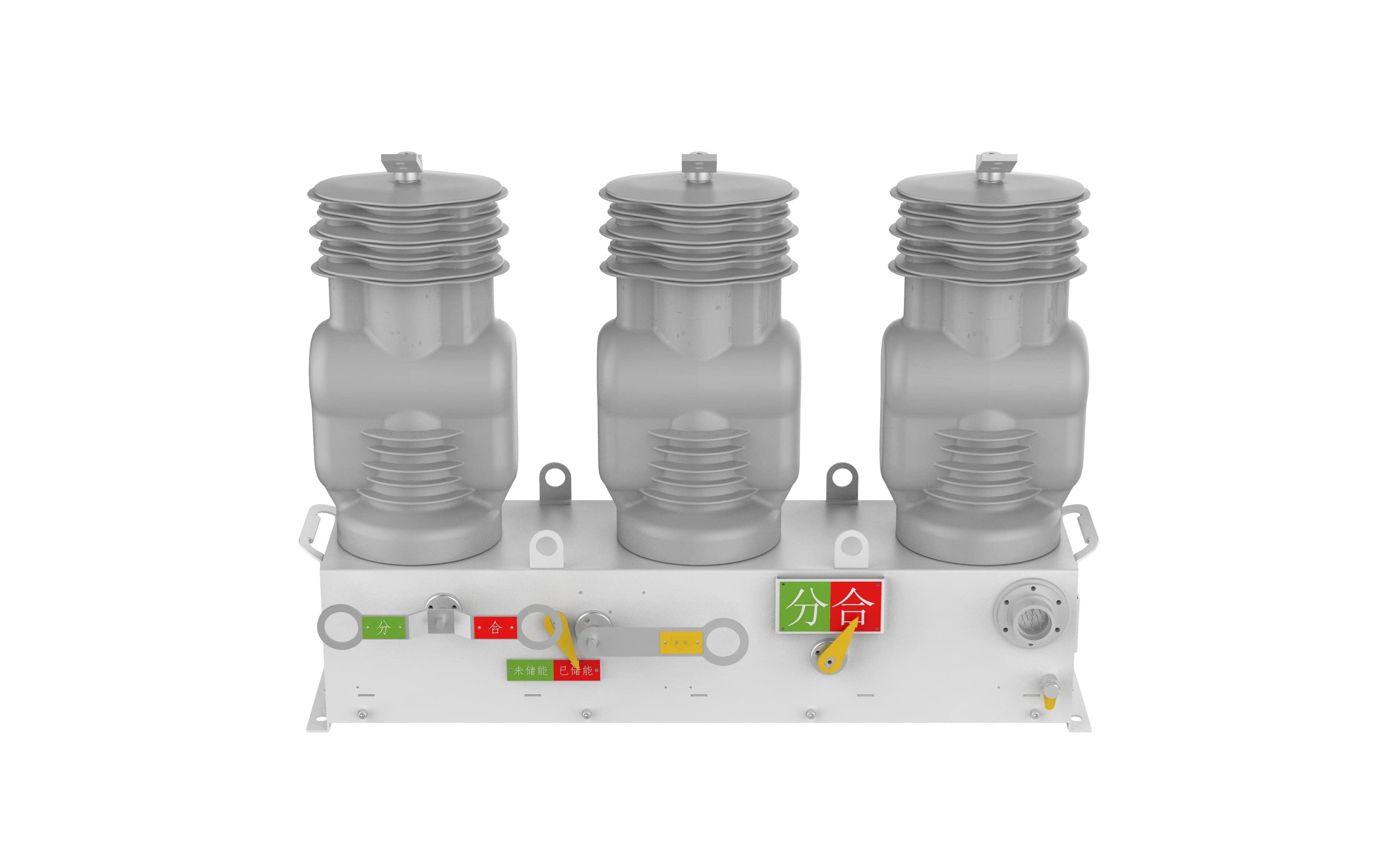
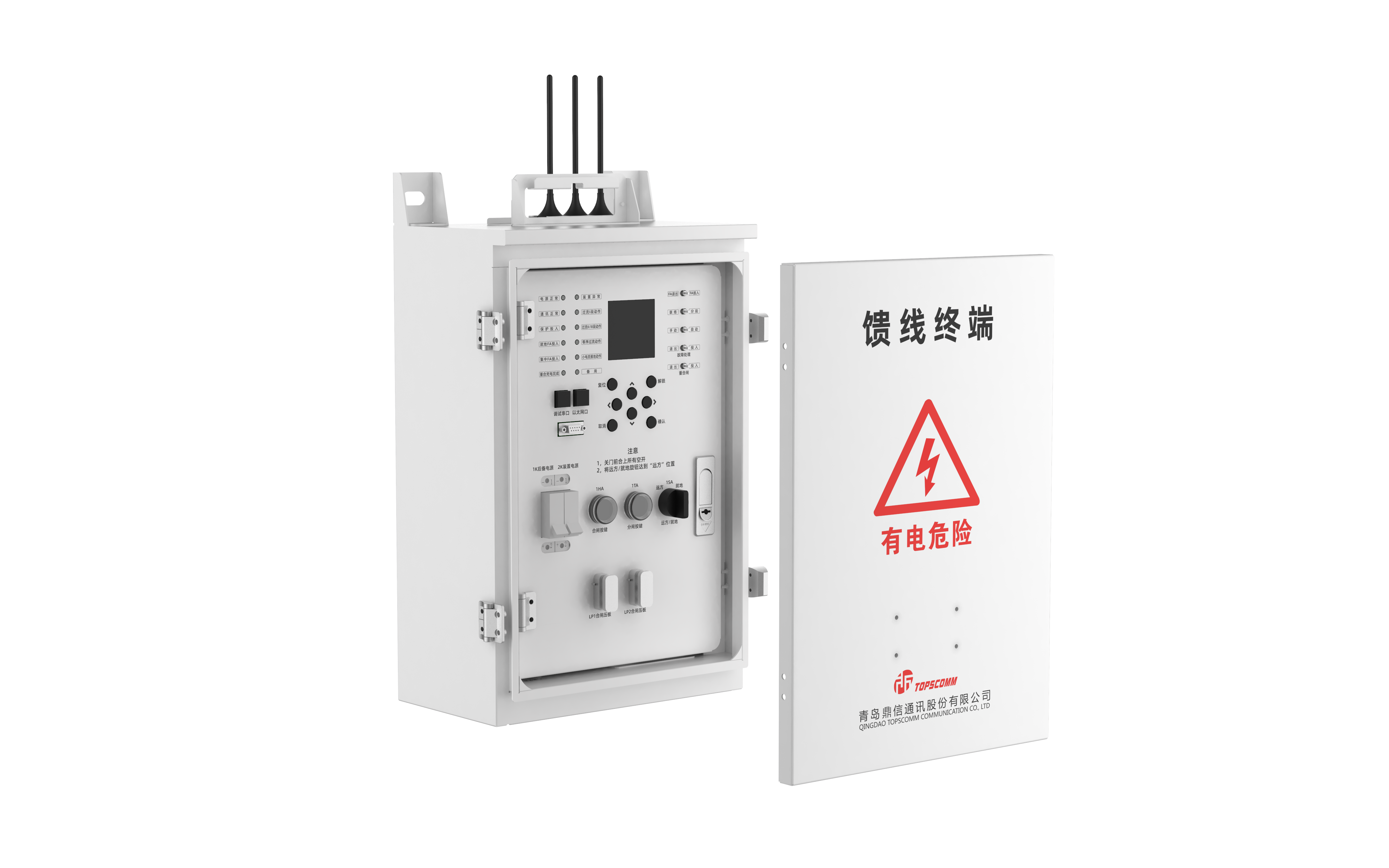
A distribution network feeder terminal unit (FTU) is a sophisticated device designed to monitor, control, and protect electrical distribution networks. Operating as a crucial component in smart grid systems, the FTU collects real-time data about power flow, voltage levels, and equipment status at various points along distribution feeders. These units serve as intelligent nodes that enable automated control and monitoring of power distribution networks, effectively bridging the gap between control centers and field equipment. The FTU incorporates advanced measurement capabilities, including current and voltage monitoring, power quality analysis, and fault detection algorithms. It can perform automated switching operations, fault isolation, and service restoration functions, significantly reducing outage times and improving overall system reliability. The device communicates with central control systems using various protocols, enabling seamless integration with existing SCADA systems. Modern FTUs are equipped with powerful processors that can handle complex calculations and decision-making processes locally, reducing the burden on central control systems. They also feature robust communication interfaces that support multiple communication protocols, ensuring compatibility with various network architectures and equipment types. In practical applications, FTUs are installed at strategic points along distribution feeders, such as automated switches, reclosers, and sectionalizers, providing comprehensive network visibility and control capabilities.


New Product Recommendations

The distribution network feeder terminal unit offers numerous advantages that make it an essential component in modern power distribution systems. First, it significantly enhances network reliability by enabling rapid fault detection and isolation, reducing the duration and extent of power outages. The automated switching capabilities allow for quick service restoration, minimizing customer inconvenience and improving satisfaction levels. Real-time monitoring and data collection capabilities provide operators with comprehensive visibility into network conditions, enabling proactive maintenance and preventing potential failures. The FTU's advanced analytics capabilities help identify patterns and trends in network performance, facilitating predictive maintenance strategies and optimizing asset utilization. These units also contribute to improved power quality by continuously monitoring voltage levels and power factor, enabling corrective actions when necessary. The integration capabilities of FTUs with existing SCADA systems eliminate the need for extensive infrastructure modifications, making them a cost-effective solution for network modernization. Their ability to operate autonomously reduces the workload on control center personnel while ensuring faster response times to network events. The units' support for multiple communication protocols provides flexibility in system design and future upgrades. Energy loss reduction is another significant advantage, as FTUs help identify and address technical and non-technical losses through detailed power flow analysis. The implementation of FTUs also supports the integration of renewable energy sources by providing the necessary monitoring and control capabilities for managing distributed generation resources.

Tips And Tricks

What Are the Key Technologies Driving Power Grid Modernization?

28

Aug

What Are the Key Technologies Driving Power Grid Modernization?

The Evolution of Modern Electric Infrastructure The traditional power grid, a marvel of 20th-century engineering, is undergoing a remarkable transformation. Power grid modernization represents one of the most significant infrastructure developments o...
View More
How Can Power Grids Adapt to Increasing Energy Demands?

28

Aug

How Can Power Grids Adapt to Increasing Energy Demands?

The Evolution of Modern Power Infrastructure The electrical landscape is undergoing a dramatic transformation as power grids face unprecedented challenges in meeting surging energy demands. Today's power grid adaptation requirements extend far beyond...
View More
How Do Smart Water Meters Help Identify Leaks in Real Time?

31

Oct

How Do Smart Water Meters Help Identify Leaks in Real Time?

The Evolution of Modern Water Management Systems Water management has undergone a remarkable transformation in recent decades, with smart water meters emerging as a groundbreaking technology that revolutionizes how we detect and manage water leaks. T...
View More
Why Are Smart Energy Meters Crucial in Building Smart City Infrastructure?

31

Oct

Why Are Smart Energy Meters Crucial in Building Smart City Infrastructure?

The Evolution of Urban Energy Management Through Smart Metering The landscape of modern urban development is experiencing a revolutionary transformation through the integration of smart energy meters. These sophisticated devices serve as the cornerst...
View More

Get a Free Quote

Our representative will contact you soon.
Email
Name
Company Name
Message
0/1000

distribution network feeder terminal unit

Advanced Fault Management System

Advanced Fault Management System

The distribution network feeder terminal unit features a sophisticated fault management system that revolutionizes how power distribution networks handle disruptions. This system employs advanced algorithms to detect, isolate, and resolve faults with unprecedented speed and accuracy. When a fault occurs, the FTU instantly analyzes the fault characteristics, determines its location, and initiates appropriate isolation procedures. The system's intelligent automation capabilities enable it to coordinate with other network devices to implement optimal fault isolation strategies, minimizing the impact on unaffected areas. This results in significantly reduced outage times and improved system reliability. The fault management system also maintains detailed event logs and diagnostic information, enabling thorough post-fault analysis and system improvement recommendations.
Comprehensive Network Monitoring

Comprehensive Network Monitoring

The monitoring capabilities of the feeder terminal unit provide unprecedented visibility into distribution network operations. The system continuously collects and analyzes data from multiple sensors, measuring parameters such as current, voltage, power factor, and harmonics. This real-time monitoring enables operators to maintain optimal network performance and identify potential issues before they escalate into serious problems. The FTU's advanced analytics engine processes this data to generate actionable insights, helping operators make informed decisions about network operations and maintenance. The system also includes power quality monitoring features that help ensure compliance with regulatory standards and maintain high service quality levels for end customers.
Intelligent Automation Platform

Intelligent Automation Platform

The intelligent automation platform integrated into the feeder terminal unit represents a significant advancement in distribution network control. This platform combines sophisticated control algorithms with real-time data processing capabilities to enable autonomous operation of network equipment. The system can automatically adjust network configurations to optimize power flow, balance loads, and respond to changing network conditions. Its decision-making capabilities are based on both real-time measurements and historical data analysis, ensuring optimal network performance under various operating conditions. The platform also supports remote configuration and updates, allowing utilities to enhance system capabilities without field visits. This level of automation significantly reduces operational costs while improving network efficiency and reliability.

Get a Free Quote

Our representative will contact you soon.
Email
Name
Company Name
Message
0/1000