polemounted fault indicator in smart grid automation
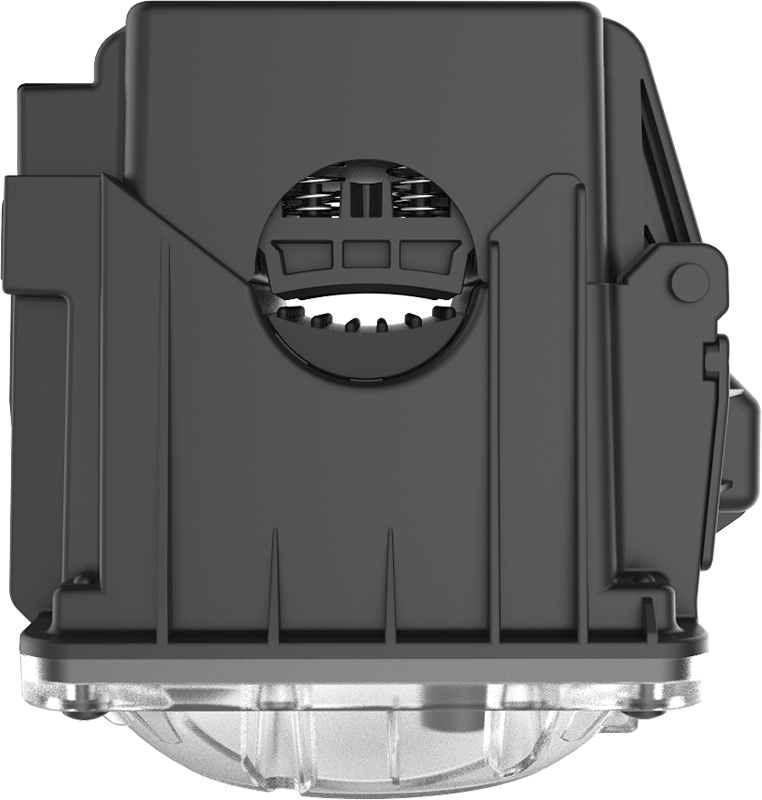
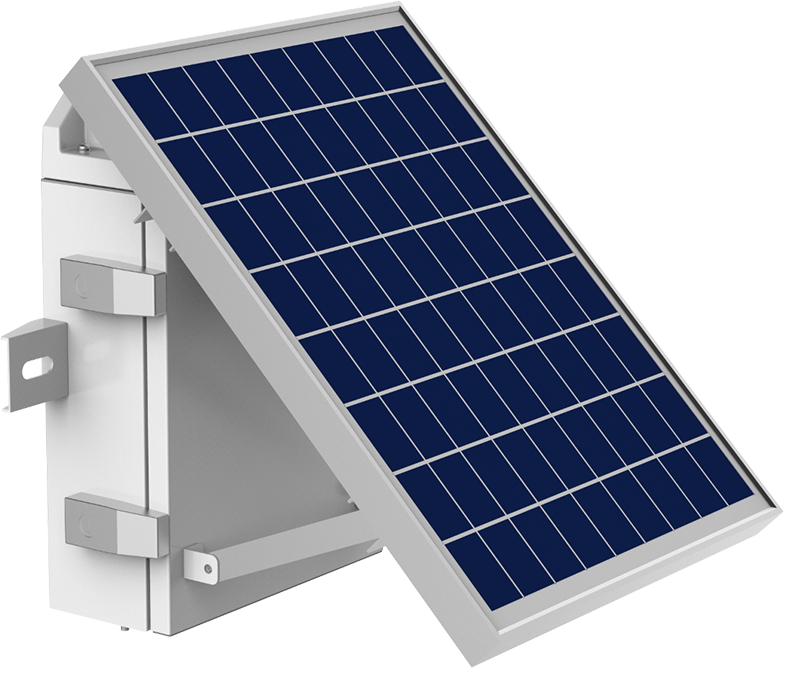
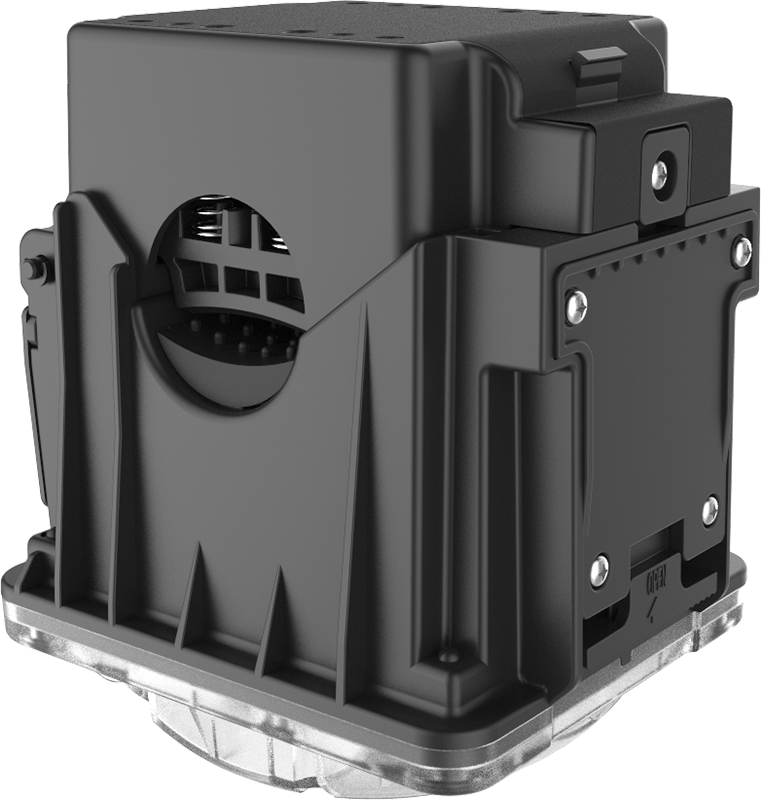
The polemounted fault indicator is a critical component in modern smart grid automation systems, designed to quickly identify and locate power distribution faults. This sophisticated device monitors electrical current flow through power lines and provides real-time detection of fault conditions. Operating through advanced sensors and microprocessor-based technology, these indicators can detect various types of faults, including phase-to-ground faults, phase-to-phase faults, and temporary faults. The device features robust weather-resistant housing suitable for outdoor installation and includes highly visible LED indicators that can be observed from ground level. Integration with SCADA systems enables remote monitoring and data collection, allowing utilities to respond rapidly to power disruptions. The fault indicator's self-powered design, typically using either battery or current transformer technology, ensures reliable operation even during power outages. These devices incorporate smart communication capabilities, often utilizing wireless networks to transmit fault data to control centers. Advanced models include features such as GPS location services, automatic reset capabilities, and programmable sensitivity settings to adapt to varying network conditions. The implementation of polemounted fault indicators significantly reduces outage duration by enabling maintenance crews to quickly pinpoint fault locations, thereby improving overall grid reliability and customer satisfaction.

 EN
EN