Advanced Fault Indicators: Smart Power Grid Monitoring & Fault Detection Solutions

Get a Free Quote

Our representative will contact you soon.
Email
Name
Company Name
Message
0/1000

fault indicator

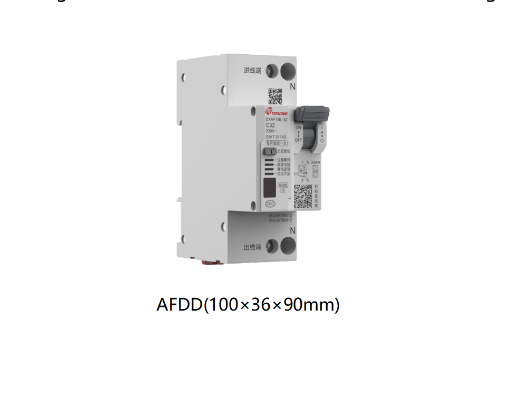
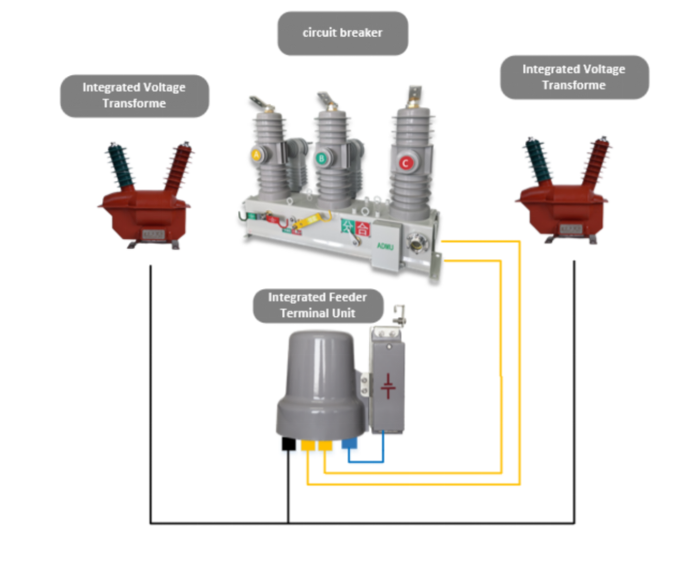
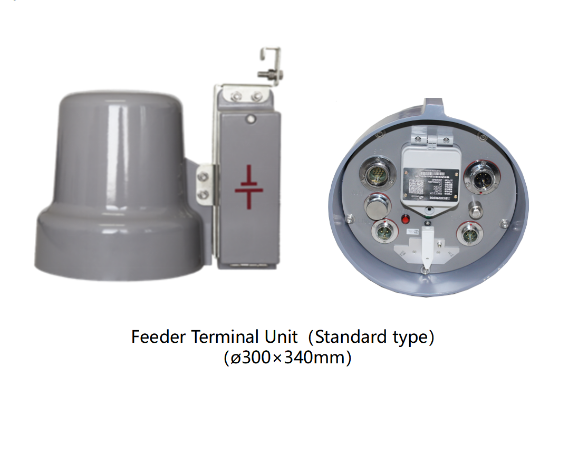
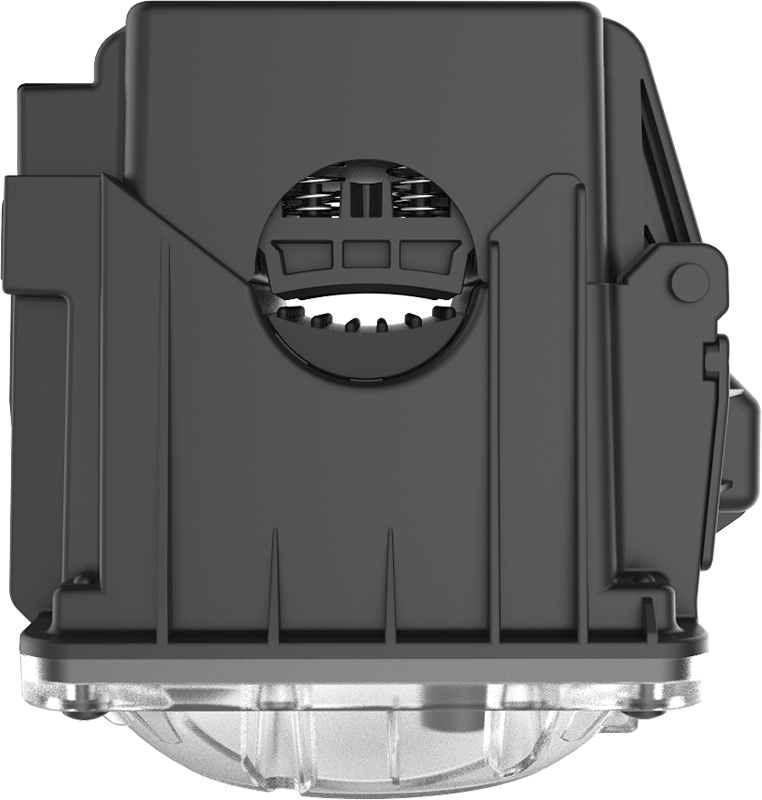
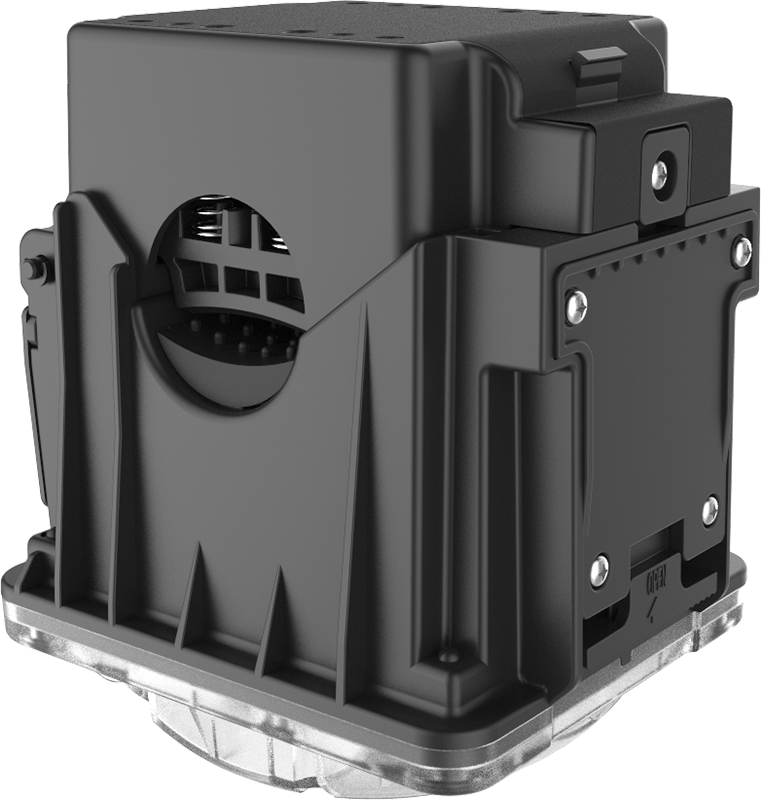
A fault indicator is an advanced electronic device designed to rapidly detect and locate power system faults in electrical distribution networks. This sophisticated monitoring tool continuously analyzes electrical parameters including current, voltage, and power flow patterns to instantly identify abnormal conditions. Operating through a combination of sensors and microprocessor-based technology, fault indicators provide real-time monitoring and instant notification when electrical faults occur. These devices are equipped with highly visible LED displays or mechanical flags that clearly show fault status, enabling maintenance teams to quickly identify problem areas. The technology incorporates advanced features such as programmable trip settings, automatic reset capabilities, and remote monitoring options. Fault indicators are strategically installed along power distribution lines, in substations, and at critical junction points within electrical networks. They serve as essential tools for utilities, industrial facilities, and commercial buildings, helping to minimize downtime and optimize maintenance resources. The device's ability to distinguish between temporary and permanent faults helps prevent unnecessary service interruptions while ensuring swift response to genuine problems. Modern fault indicators often include communication capabilities, allowing integration with SCADA systems and enabling remote monitoring and data collection for predictive maintenance strategies.


New Product Releases

Fault indicators offer numerous compelling advantages that make them indispensable in modern electrical systems. First and foremost, they dramatically reduce the time required to locate faults in power networks, potentially cutting repair times from hours to minutes. This rapid fault location capability translates directly into improved system reliability and reduced maintenance costs. The devices provide clear, visual confirmation of fault locations, eliminating the need for time-consuming trial-and-error approaches to fault finding. By enabling maintenance teams to quickly identify and isolate problematic sections, fault indicators help minimize the scope and duration of power outages. The automatic reset feature ensures that temporary faults don't require manual intervention, reducing unnecessary maintenance visits. These devices are particularly valuable in underground cable systems where visual inspection is impossible, providing crucial information about fault locations that would otherwise be difficult to determine. The remote monitoring capabilities of modern fault indicators enable proactive maintenance approaches, allowing operators to track system performance and identify potential issues before they become critical. Their robust design ensures reliable operation in harsh environmental conditions, while their low maintenance requirements make them a cost-effective solution for network monitoring. The ability to integrate with existing SCADA systems enhances overall network visibility and control, supporting more efficient grid management. Additionally, the data collected by fault indicators can be analyzed to identify patterns and trends, supporting predictive maintenance strategies that further improve system reliability.

Practical Tips

What Are the Key Benefits of Using a Photovoltaic Inverter in Solar Systems?

28

Aug

What Are the Key Benefits of Using a Photovoltaic Inverter in Solar Systems?

Understanding the Crucial Role of Photovoltaic Inverters in Modern Solar Energy Systems The solar energy revolution has transformed how we think about power generation, and at the heart of this transformation lies the photovoltaic inverter. This esse...
View More
What Are the Key Technologies Driving Power Grid Modernization?

28

Aug

What Are the Key Technologies Driving Power Grid Modernization?

The Evolution of Modern Electric Infrastructure The traditional power grid, a marvel of 20th-century engineering, is undergoing a remarkable transformation. Power grid modernization represents one of the most significant infrastructure developments o...
View More
How Do Smart Water Meters Improve Resource Management for Cities?

25

Sep

How Do Smart Water Meters Improve Resource Management for Cities?

Transforming Urban Water Management Through Digital Innovation Urban water management faces unprecedented challenges in the modern era. As cities grow and climate patterns shift, the need for efficient water resource management becomes increasingly c...
View More
Why Are Water Meters Crucial to Sustainable Urban Infrastructure?

25

Sep

Why Are Water Meters Crucial to Sustainable Urban Infrastructure?

The Evolution of Urban Water Management Through Advanced Metering In the realm of modern city planning and resource management, water meters have emerged as indispensable tools that form the backbone of sustainable urban infrastructure. These sophist...
View More

Get a Free Quote

Our representative will contact you soon.
Email
Name
Company Name
Message
0/1000

fault indicator

Advanced Fault Detection Technology

Advanced Fault Detection Technology

The fault indicator's sophisticated detection system represents a breakthrough in power system monitoring technology. Using advanced algorithms and high-precision sensors, these devices can differentiate between various types of faults, including phase-to-ground, phase-to-phase, and temporary disturbances. The system employs adaptive thresholds that automatically adjust to changing network conditions, ensuring accurate fault detection while minimizing false alarms. This intelligent monitoring capability is enhanced by real-time data processing that enables instantaneous fault recognition and notification. The technology incorporates multiple sensing parameters, including current magnitude, rate of change, and duration, to provide comprehensive fault analysis. This multi-parameter approach ensures reliable operation even in complex network configurations and challenging environmental conditions.
Comprehensive Communication Features

Comprehensive Communication Features

Modern fault indicators are equipped with advanced communication capabilities that transform them into networked smart devices. These communication features include wireless connectivity options such as cellular, radio frequency, and mesh network protocols, enabling seamless integration with existing network management systems. The devices can transmit detailed fault data, including time stamps, fault type, and magnitude, providing operators with comprehensive information for analysis and response planning. Real-time alerts can be configured to notify maintenance teams through multiple channels, including email, SMS, and SCADA systems. The bi-directional communication capability allows remote configuration and firmware updates, ensuring the devices remain current with evolving network requirements.
Enhanced Grid Reliability Solution

Enhanced Grid Reliability Solution

Fault indicators serve as crucial components in modern power grid reliability strategies. Their implementation significantly improves network performance by enabling faster fault location and isolation, reducing the impact of power interruptions on end users. The devices contribute to enhanced system reliability through their ability to monitor and record temporary faults, helping identify problematic sections before permanent failures occur. This predictive capability allows utilities to implement targeted maintenance programs, addressing potential issues before they lead to system failures. The comprehensive data collection and analysis capabilities support long-term reliability improvements by providing insights into network performance patterns and trends. These insights enable more effective asset management and help optimize maintenance schedules, resulting in improved system reliability and reduced operational costs.

Get a Free Quote

Our representative will contact you soon.
Email
Name
Company Name
Message
0/1000